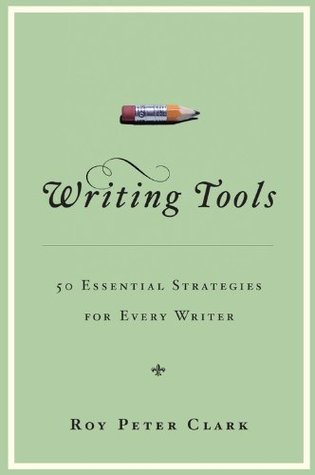
One of America's most influential writing teachers offers a toolbox from which writers of all kinds can draw practical inspiration.
"Writing is a craft you can learn," says Roy Peter Clark. "You need tools, not rules." His book distills decades of experience into 50 tools that will help any writer become more fluent and effective.
WRITING TOOLS covers everything from the most basic ("Tool 5: Watch those adverbs") to the more complex ("Tool 34: Turn your notebook into a camera") and provides more than 200 examples from literature and journalism to illustrate the concepts. For students, aspiring novelists, and writers of memos, e-mails, PowerPoint presentations, and love letters, here are 50 indispensable, memorable, and usable tools.
"Pull out a favorite novel or short story, and read it with the guidance of Clark's ideas. . . . Readers will find new worlds in familiar places. And writers will be inspired to pick up their pens." -Boston Globe
"For all the aspiring writers out there-whether you're writing a novel or a technical report-a respected scholar pulls back the curtain on the art." -Atlanta Journal-Constitution
"This is a useful tool for writers at all levels of experience, and it's entertainingly written, with plenty of helpful examples." -Booklist
By many accounts, Roy Peter Clark is America's writing coach, a teacher devoted to creating a nation of writers. A Google search on his name reveals an astonishing web of influence, not just in the United States, but also around the world. His work has erased many boundaries. A Ph.D. in medieval literature, he is widely considered one of the most influential writing teachers in the rough-and-tumble world of newspaper journalism. With a deep background in traditional media, his work has illuminated, on the Internet, the discussion of writing. He has gained fame by teaching writing to children, and he has nurtured Pulitzer Prize-winning writers such as Thomas French and Diana Sugg. He is a teacher who writes, and a writer who teaches. That combination gives his most recent book, Writing Tools, a special credibility.
More credibility comes from Clark's long service at The Poynter Institute. Clark has worked full-time at Poynter since 1979 as director of the writing center, dean of the faculty, senior scholar and vice president.
Clark was born in 1948 on the Lower East Side of New York City and raised on Long Island, where he attended Catholic schools. He graduated from Providence College in Rhode Island with a degree in English and earned a Ph.D. from the State University of New York at Stony Brook. In 1977 Clark was hired by the St. Petersburg Times to become one of America's first writing coaches. He worked with the American Society of Newspaper Editors to improve newspaper writing nationwide. Because of his work with ASNE, Clark was elected as a distinguished service member, a rare honor for a journalist who has never edited a newspaper.
Clark is the author or editor of 14 books on journalism and writing. These include Free to Write: A Journalist Teaches Young Writers; Coaching Writers: Editors and Reporters Working Together Across Media Platforms; America's Best Newspaper Writing; The Values and Craft of American Journalism; The Changing South of Gene Patterson: Journalism and Civil Rights, 1960–1968; and, most recently, Writing Tools: 50 Essential Strategies for Every Writer.
توی کتاب هایی که تا حالا در مورد نوشتن خوندم، این بهترین بوده. کتاب به چهار بخش تقسیم شده: نکات ریز، جلوه های ویژه، طرح ها و عادات خوب نویسندگی. توی بخش اول یاد می ده چطور جمله بندی کنیم تا تاثیر دلخواه رو از نوشته خودمون به دست بیاریم. چطور تعلیق ایجاد کنیم. چطور جمله رو قوی تر و صریح تر کنیم. چطور از اشتباهات متداول اجتناب کنیم و مواردی مثل این. توی بخش دوم در مورد سرعت نقل ماجرا، لحن گفتار، دیدگاه و مواردی مثل این صحبت می کنه. لحن نوشته توی نوشته های داستانی در برابر نوشته های غیرداستانی، نحوه استفاده از مفاهیم انتزاعی به نسبت مسائل ملموس و واقعی، بخش ها و پاراگراف ها و ... بررسی شدن. توی بخش سوم هم به مسائلی مثل کلیت داستان، پرسش هایی که برای خواننده پیش میاد و چیزهایی که باعث می شه داستان گیرایی پیدا کنه و خواننده رو با خودش همراه کنه، توصیف صحنه ها، داشتن پایان برای هر جمله و بخش و فصل، آماده شدن پرداخته شده. فصل چهارم هم عادت ها و رفتارهایی بیان شدن که به نویسنده کمک می کنه تا توی نویسندگی پیشرفت کنه. آماده شدن، استفاده از انتقادها، نوشتن آزادانه و بدون دغدغه توی پیش نویس اولیه، تکه تکه کردن پروژه های بزرگ به بخش های کوچیک و چیزهای دیگه ای که توی این زمینه برای نویسنده مفید هستن اومده. فکر می کنم زبان های مختلف هم تاثیری توی استفاده از این ابزارهایی که توضیح داده شدن نداشته باشه. وقتی کتاب رو می خوندم برای هر بخش که چیزی رو گفته بود می تونستم نمونه هایی از کارهای فارسی هم پیدا کنم. بیشتر از کتاب کلیدر نوشته دولت آبادی به خاطرم میومد. امیدوارم کم کم از این ابزارها بیشتر و بیشتر استفاده کنم تا نوشته هام رو تقویت کنم. فعلا که همین طور گتره ای می نویسم. و ویراستاری و اصلاح و پیش نویس و این جور چیزا در کار نیست.