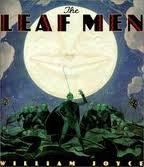
From the first brilliant rush of horses to the triumphant sight of beautiful bays, chestnuts, shiny blacks, whites, grays, and paints galloping across the pages, Paul Goble's very special book will delight all who love horses and all who love stories that tell of the spiritual connection between people and animals. His magnificent, detailed paintings evoke an almost forgotten world as he recounts a stirring legend based on the oral tradition of the Pawnee. Focusing on a poor boy and his grandmother, adventure begins when the boy discovers an old, limping horse. Though ridiculed by his tribe, the boy cares for the horse and brings it back to health. In turn, the animal helps his friend achieve greatness, only to be betrayed. The boy's remorse is sincere, but will he be forgiven? Captivating readers, Caldecott medalist Paul Goble shows how a loving friendship changes the lives of a people.
Paul Goble was an award winning author and illustrator of children's books. He has won both the Caldecott Medal and The Library of Congress' Children's Book of the Year Award. He gave his entire collection of original illustrations to the South Dakota Art Museum in Brookings, South Dakota. Goble, a native of England, studied at the Central School of Art in London. He became a United States citizen in 1984. Goble's life-long fascination with Native Americans of the plains began during his childhood when he became intrigued with their spirituality and culture. His illustrations accurately depict Native American clothing, customs and surroundings in brilliant color and detail. Goble researched ancient stories and retold them for his young audiences in a manner sympathetic to Native American ways. Goble lived with his wife in Rapid City, SD.
The inside of this cover is amazing! Dark blue to lighter, to green and yellow images of running horses.
The ancient domain of the Pawnee people was within the present states of Nebraska and northern Kansas. These are places which they greatly venerated--certain hills, rocky cliffs, springs of water, lakes, and caves. Traditional told these secret places were the doorways to the underground lodges of the Nahurak, the spirit birds and animals and all other living things waiting to be born. From season to season, Tirawahat, God, would cause the Nahurak to populate the land. In the drawing, multitudes of spirit horses, Arusa, surge up from the womb of Mother Earth, through the waters of a sacred lake, to spread out and replenish the wild herds. It was the wish of Tirawahat that the Nahurak would give the Pawnee people a great many horses so they need never have to walk when they traveled in search of the buffalo herds. Kingfisher, Rikutski, leads the horses because he is the messenger who passes between our world and the lodge of the Nahurak beneath the water. it is nighttime, when such wonders happen, away from the eyes of people.
This is exactly what his other books need. A little background, and which tribe. I saved the references for after, because I didn't wanna know what the story was about. I liked the designs on the pages with the legend of the old man and the song.
An old man from a Pawnee village loved his horse, but when he died his horse wasn't cared for anymore, and was passed from one person to another. A friend of the man dreamed that he saw the dead man sitting with the drummers, singing of his horse. The man remembered the word and the song became popular among the Pawnee people.
When the Pawnee people had harvested their crops of corn and squash, they would leave their earth-lodge villages and travel out on the Great Plains to hunt buffalo. They had horses to ride and to carry their tipis and belongings when they went great distances in search of the buffalo. When they weren't traveling, and the tipis were pitched, it was the responsibility of the older boys, the young men, to look after the herds of horses, and to guard the village. They would stay with the horses at pasture throughout the day, often far away from camp. And they would also keep a lookout for enemies.
I like the young men on these two pages in their dif outfits. There was an old woman and her grandson who were poor, their only shelter made of sticks and a patchwork of pieces of old tipi covers which people had thrown away. When the people moved to dif camping places, they would look for scraps of food, and discarded clothes. They didn't have a horse and what their dogs couldn't carry, they carried on their backs.
The page with the forest, blue sky showing through, green and orange leaves, and their clothing was pretty. It reminded me of the artwork in the Love Flute. They see the old horse in the woods, and the boy plans to make it well again, so it can carry their packs and so he'll be able to join the buffalo hints, so they could have meat and fresh skins. People laughed and joked that he had a great warhorse, and how would they keep up with him.
The page with the young warriors with their war paint, red streaks,&hand prints, on their faces was awesome to see. The boy rode shyly at a distance, but the men pointed out his half-starved horse. Ashamed, the boy rides away where he couldn't hear their remarks. The horse turns to him and says take him to the river and cover him with mud. And not to take his bow and arrow, but to cut a long willow stick, and ride to the enemy, and strike the leader, four times, and no more.
The other tribe looked cool, with their different style clothing, and headdresses. I wonder what tribe that was. The horse takes off, flying like a hawk, no longer sickly. I was surprised when the boy struck the leader and then enemy riders. I thought he was supposed to strike just the leader four times. His people watched in amazement, and then felt brave enough to charge the enemy themselves, driving them back like buffalo.
The boy thought because he'd been through four times and wasn't hurt, he would be ok to go back in battle, so he joined the warriors again. This time when he struck an enemy, his horse was hit with an arrow and fell.
The warriors gathered around the boy, whose horse had died. They wanted to touch it, because they knew it was a horse with mystic powers. I knew he'd mess it up! When the horse said strike only four times, I just knew something would go wrong!
I loved the warrior with the braids with blue ribbons, and the other with a Mohawk and feathers. The leader said the boy was braver than all of them, so they would call him Piraski Resaru, Boy Chief. But the boy was upset for his horse and mad that he hadn't listened to it. The boy climbed to the top of a hill to mourn. Clouds gathered and lightning flashed. Through the rain, the boy saw the horse stand up. He says Tirawahat, Our Father Above, is good. He has forgiven him and let him come back. He said take him to the hills away from ppl and leave him for 4 days. I swear if this boy messes this up!!
After four days, the horse appeared with a herd of horses. The boy goes to his grandma with the horses. Tells her she'll never have to walk again, to choose the ones she wants and give the rest to those who need it the most. They lived in a tipi and were not poor. He took care of her. As she had him.
Legend says that the Boy Chief never made the horse work, but he loved to ride him on special occasions. He would paint lightning streaks down the horse's legs, because he could run faster than any horse, and he would tie eagle feathers in his mane and tail, which were honors for defending the village. The horse and rider would share in the beauty around them, the ground beneath, and the sky above. The people would say "it's good to see Boy Chief and his mystic horse!" I love the page with him dressed in his finery on his horse, colorful outfits, a long headdress, the horse decorated with feathers, the boy shooting an arrow to the sky. And the design of the sun in the sky. Just beautiful.
I thought it would show the horse recovering, and becoming healthy before it was in battle. And the people made fun of him from the beginning,& only changed their mind in that one battle because of what the horse had done. The horse only showcased himself once& then he died. It's weird, looking back at the opening page, it shows the boy and horse in the water, him rubbing him down with grass, when that wasn't a scene in the book. It would have been nice seeing how he took care of the horse.
-I love the note Paul Goble wrote, and hope that will keep the critics at bay. It's based on The Dun Horse, published in Pawnee Hero Stories and Folk Tales by George Bird Grinnell in 1889. Prior to their move to Oklahoma, Grinnell spent several summers with them while they still lived in their traditional Nebraska homeland. (Were they forced to move to OK. too?!) that's amazing he spent summers with them! He was with them on their last buffalo hunting expeditions, and could have been sitting by the fire after eating roasted buffalo ribs and listening to the old men tell the Dun Horse. He made changes from the original because certain parts don't translate well into today's thinking, but he hopes the spirit of the story is still there. I wonder what that meant!!
-The Pawnee ppl seem to be portrayed as warlike and brutal even as far back as the 1860s in Dog Crusoe. Little Big Man and Dances with Wolves were pictured in almost Nazi vein--oh no! I plan on watching DWW soon! History doesn't agree. They were civilized farmers living in earth-lodge villages, at peace with neighboring farming peoples. Maybe the traditional plucked and shaped hairstyles, the multiple ear piercings, and pride in the naked and painted body have stirred deep-seated fear in the whites, which has contributed to the bad press they've received. -this is a 19th century story, at the time the white invasion had pressed the tribe against tribe, and when the need for horses, which had been introduced by the Spanish, forced or tempted tribes to capture herds from one another. Wow! Horse raiding often resulted in battles between the tribes, and the Pawnees were justifiably fierce in defense of their horse herds and villages against the inexorable advance of the displaced Lakotas and Cheyennes.they never fought the US military and were famous scouts in their pay during the last years of the Indian wars. Indeed, the Lakotas and Cheyennes, who were at war with the US military, feared the Pawnee scouts far more than they did the soldiers. Wow! That's amazing. How cool. Mention is made of touching, or striking, the enemy. In Plains warfare "counting coup" on an enemy, to strike or touch without killing, was demonstration of bravery. Acts of bravery could be retold many times later, a lil like wearing medals. George Bird Grinnell wrote: "it was regarded as an evidence of bravery for a man to go into battle carrying no weapon that would do harm at a distance. It was more creditable to carry a lance than a bow and arrows( more credible to carry a hatchet or a war-club than a lance; and the bravest thing of all was to go into a fight with nothing more than a whip, or a log twig--sometimes called a coup-stick;" This story, starting with the song recorded in the 1900s, tells us of the love Pawnee people had for their horses.' Just incredible and interesting. I'm glad I learned that, because I didn't know that. I didn't know anything about the Pawnee. Glad to learn striking the enemy was real!!
Paul Goble grew up in England, where he developed a deep interest in the culture of the Plains Indians. In 1977, he came to live and study in the Black Hills of South Dakota. Greatly influenced by his adoptive father, Chief Edgar Red Cloud, and other NA ppl, Paul Goble has created an outstanding body of work that celebrated Plains Indians culture. Paul says "throughout my books I have tried to reflect the special Indian feeling of musical relationship with nature." He lives in Black hills, South Dakota. That's incredible! Who would say he's ripping them off? I'm glad I read this, because I recently read a review of The Girl Who Loved Horses that said he didn't have references for his stories, so I'm glad to read how much he cares and is interested in Native Americans, and that this had references and some background info.
This was pretty good, I liked the artwork. It wasn't what I expected. I thought it would show him taking care of the horse, and people changing their opinions of him, but that part of it happened so quickly. After his miraculous recovery, he dies. However, he did come back to life
This entire review has been hidden because of spoilers.
It was cool recently finding out that he is the artist in his own books. It makes me appreciate the book even more knowing he writes the stories as well as illustrates. The guy on the cover was really cool-looking with his hair and dress. The inside cover with all the white outline of the horses all over the pages, with the blue and yellow and green background was really eye-catching.
It was a breath of fresh air to read the tribe this was about, because I’ve never known with his books. I wanted to come into this with the right mindset because I was so turned off him after reading someone’s review in which he said some really ugly and petty things in his books regarding controversy from Native Americans. So I liked knowing before going into the story that it would be about the Pawnee. They venerated certain places as being doorways to the underground lodges of spirit animals and all living things waiting to be born. They believed that God would use these spirit animals, called Nahurak, to populate the earth.
And he listed references, which was something that was a big hit against him. It made it seem more authentic and definitely earned it more credit. He even referenced the sources he used for his illustrations, and acknowledged those who had helped him. It was nice that he wrote a page explaining where he got the story from and everything. One source was from an author in 1889 who lived with the Pawnee for a while in their traditional land and went with them on one of their last buffalo hunts. What an awesome bit of history. It was so interesting hearing about the Pawnee being paid as scouts in the Indian War, and the Cheyenne and Lakota feared them more than the U.S. soldiers. Pawnee considered it braver to carry a weapon that couldn’t be used at a distance, like a hatchet or war club rather than a lance and bow and arrow. The bravest thing for them was to go into battle with a whip or a long stick and count coup, strike or touch the enemy without killing.
I liked learning about the Pawnee’s way of life, which is something I’ve never gotten from his books. He usually just tells the story without any background info on the tribe at all. Young men were responsible for looking after the herd of horses and guarding the village when the tipis were up. They’d stay with them all day, usually far away from camp and look out for the enemy.
The main characters were a grandmother and her grandson. They were poor and living on the outskirts of the village. They only had scraps of old tipi covers others had thrown away to use as shelter. They didn’t have any horses so they had to walk and carry what their dogs couldn’t. After everyone packed up their tipis to move to another location they would look for food and clothes left behind. Nobody really paid attention to them. I wondered if this was how it went for anyone that was poor.
They were characters to root for. When they saw the old, sick horse in the woods his first thought was to take care of him and then he could carry their things and he would get to join the buffalo hunt, so they could have meat and skins. His people made fun of the horse and I couldn’t wait for the story to turn around.
This definitely pulled in my emotions more so than any other story. I felt so bad for him when the other boys spotted the enemy and he rode after them on his weak horse, and they made fun of him and told him to go back.
The story took an unexpected turn when the horse spoke and gave him a task to do. Go to the river and cover him with mud, then take a stick and no weapon and strike the leader 4 times and no more. I was confused because the horse told him to strike the enemy leader 4 times, and yet he went on to say that the boy struck the enemy and then rode back and struck another enemy rider. He contradicted the rule he just wrote. I feared this would happen, because most people in stories do the very thing they’re told not to do, and it never fails to annoy me. He was so hopped up on getting away unscathed each time that he just had to do it a fifth time, and as soon as he did his horse was hit with an arrow. I was so mad at him!
It was nice that his leader said he was braver than all of them, and called him Boy Chief. But it’s hard to root for a character that got his horse killed by disobeying the rules!
I didn’t know how the horse was going to come back, but I didn’t think God would make him alive again, forgiving the boy for what he had done and giving the horse back to him. It was kind of odd the horse had to be brought into the hills and left there for 4 days, and then when the boy came back to get him there were all these other horses there.
I liked the part where he brought the horses to the village and told his grandma to pick one, that she’d never have to walk again. And they gave the rest of the horses to those in the village that needed them most. Which was a surprise because I didn’t know anyone else was poor or didn’t have a horse.
I liked the part where he said that legend tells that he never made the horse work and only rode him on special occasions. It was really cool that he painted lightning streaks on the horse’s legs because he was faster than all the others. That part gave me chills.
How nice to learn that he came to live in the Black Hills and his adoptive father was an Indian Chief. That lent so much more credit to him as a writer and it was so good to know he had ties with Indians. I really needed to hear these new things about him, that he studied Indians and lived among them, and had sources and people to learn all this from, after hearing that bad news about him. It almost turned me away from him for good but this was just what I needed. I enjoyed this more than any of the other books I’ve read of his, because the characters and story were the best.
This entire review has been hidden because of spoilers.
The story of the Mystic Horse is an interesting tale of a boy who finds an old limping horse, cares for it, and in return the horse helps him achieve greatness later in life. I like this story because the boy recieves a second chance even though he disobeyed the horse and does not deserve the second chance. I think this is a great lesson for children to show that we all can make mistakes and poor choices, but sometimes all we need is a second chance to become great.
In this Pawnee story, a young man and his aging grandmother are barely able to survive because they lack a horse, and are always wanting for food. One day, the boy discovers an old, sickly horse in the woods. Despite the jeers of the rest of the men in camp, he is determined to care for the old horse in the hope that he will finally be able to hunt the buffalo and provide meat for his grandmother's pot.
What I enjoyed most about this story was the shift in cultures. Goble usually writes from the perspective of the Lakota and Cheyenne tribes, but I was pleased to discover that this book is based on the oral tradition of another Plains people, the Pawnee. The Pawnee practiced some sedentary agriculture, spoke a different language, dressed differently than their Great Plains neighbors, and Goble does a magnificent job of depicting their unique style. The battle scenes might be a little over the top for young children, but older kids (especially the ones that love horses) should enjoy this story of triumph in the face of impossible odds.
Well, Paul Goble is not Pawnee, and as he says in his intro, "I have had to make changes from the original (Pawnee story) because certain aspects do not translate well into today's thinking, but I hope the spirit of the story is still there." It isn't his story to change, so that is a huge strike against the book for me. Write your own story and tell it however you want, but don't take someone else's and change it the way you think it should be. I do love the art, though, particularly the running horses on the endpapers, so two stars.
This is a story of a poor young boy and his grandmother who find a "mystic" horse. The story teaches lessons of following directions and forgiveness. The story can be connected to fourth grade social studies standards since it consists of Pawnee Indians. I used this book for a compare contrast lesson with the story, "Knots on a Counting Rope."
I love this middle grades picture book about the rise of a native american boy as he becomes a warrior. I will pair it with "A Boy Named Slow" in my fouth grade classroom both for reading and Social Studies.
It was very good book because I do like horses. I also like this book because the pictures were fantastic, they were creative. I do recommend this book because it teaches a lesson. Lesson is if a person has worn out stuff they may get good stuff later because you believe in yourself
this book was a good book because it talks about how you might be weak but you can still have fun. the way this book talks about this is how there was a poor boy and a weak horse and how the worked together to overcome that.
Grounded in history and myth, this story depicts an animal’s honest forgiveness, despite human hubris. It also portrays a unity between the earthly and the spiritual through a mystical connection between horse and rider.
I thought the story was really good because it was about a boy who wronged a horse, but the horse gives him a second chance. To other people it might be not-so good, but I really liked it.
Published in 2003 by HarperCollins Interest Level: 6th-8th Grade
This is a great picture book about a tale about a mystical horse that helps win a battle, but originally is over-looked. I love that the main human character suffers loss, realizes the value of the horse, and sees a great moment where he is redeemed. The illustrations are truly in a unique style and depicts Native American culture in great detail. The connection with nature and the respect for the culture, obvious through the story and illustrations, really creates a great sense of the culture and people that Goble is presenting through this book. Additionally, I really enjoyed the fact that the author took the time to explain and include the endpapers, include poems that are relevant to this story, and took every care to guide the reader through a complete experience.
This book was mentioned in my children's literature textbook as an example of illustrations that are so detailed that they create more depth to add to the prose. The artist researched extensively and drew realistic plants, animals, and clothing. . This is a re-telling of a Pawnee folktale about an abandoned horse. It wasn't my cup of tea. The youth is rewarded for doing what his horse asked him not to. I guess it has a happy ending, but I didn't care for it. The art was lovely, though. :)