4.5/5.
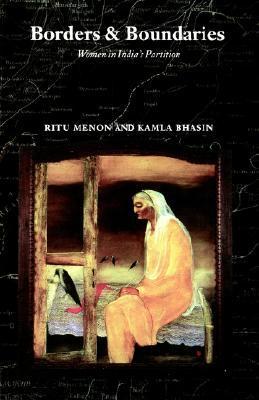
Using interviews with Paritition survivors, social workers, and family members, Ritu Menon constructs a feminist history of Partition. The book is structured into chapters around specific themes (e.g. acceptable violence against women, experiences of widows, etc.); each chapter begins with interviews and concludes with an analysis that creates a feminist reading of Partition. By doing so, Menon interrogates the relationship betwen women and the nascent states of South Asia in 1947, the relationship between women and their communities, and the relationship between women and their families. Community (religious and ethnic), family, and national identity all come into conflict for women (much less so for men), and the manner in which women and the state negotiate these conflicts provide insight into the way patriarchal structures were reified by the new states and the roles women played (and continue to play) as boundary markers of community and nation.
The discussions around acceptable violence against women (family members and communities killing women rather than allowing them to be "dishonored") and the state's role in "recovering" women from the neighboring state are particularly illuminating. Familial and national memory in South Asia celebrate the women who "sacrificed" and "killed themselves" to preserve the community honor during Partition. Male family members remain silent about any possible reservations women may have had, instead presenting the history as a single narrative of women choosing death over dishonor. The state does not view these killings as murder. The historical memory is very similar to, for instance, historical memory about Rani Padmini, etc. The interviews reveal a standard feminist criticism of these events: the women faced limited choices, if any, and the killings are societally acceptable femicide. While few statistics remain, I would be interested in decomposing Partition violence to understand what fraction of deaths were within-community.
The state's role in women's "recovery" similarly suborns the desires of women to the perverse logic of community honor. Many women who were abducted during Partition made new lives for themselves, lives that may have been more freeing than the confining lives they would have lived in their own communities, but were denied the right to live where they chose, being forcibly repatriated. Of note is that the women social workers who were participating in these efforts all came to understand that the state was not acting in the interests of these women, all voicing concerns and protests to superiors. The state's action in these cases, abrogated the civil rights of women as citizens in favor of defining women as religious subjects, something that the lawmakers at the time explicitly understood (see the debates in the Lok Sabha), and something that continues to this day. In so doing, the state embodies the fraternal brotherhood of male citizens maintaining control over women's bodies and reproduction.
One of the standout features of the book are the extensive interviews reproduced in full. The women they interview have amazing stories to tell. All the interviewees have theories of why Partition happened that they explain at length. A remarkable consistency in the interviews is the anger and blame these women direct towards Hindu orthodoxy and its role in poisoning relations between people. The book is worth reading for the final interview with Taran alone, where she voices the need to make petrol bombs at age 55 because the state has abrogated its responsibility in protecting her rights as a citizen and she will be damned if she doesn't kill her attackers this time around.
I wish there had been a bit more in the book about survey design -- how did they find the women to interview? what are these womens demographic characteristics? are the women they interview overrepresenting certain classes/groups, are they basing their analysis on a single interview, or multiple interviews with similar themes?, etc. Regardless, the book is essential reading.