

What do you think?

Political Ideologies: An Introduction
This substantially revised third edition of the leading text on political ideologies takes full account of the impact of the post-Cold War world order, the challenge of postmodernism, the advance of globalization, and the advent of global terrorism, and includes additional coverage of the prospects for ideologies in the 21st century.
382 pages, Paperback
First published January 1, 1992
About the author
Andrew Heywood
45 books204 followersAndrew Heywood is the leading writer of politics textbooks in the UK, and an AS and A Level Chief Examiner in Government and Politics. He was Vice Principal of Croydon College and had previously been Director of Studies at Orpington College. He has had over 20 years experience as a Head of Politics and a politics lecturer. Andrew Heywood currently works as a freelance author and consultant.
Ratings & Reviews
Friends & Following
Create a free account to discover what your friends think of this book!
Community Reviews
Displaying 1 - 30 of 123 reviews

July 22, 2024
من أفضل ما قرأت في كتب العلوم السياسية، كتاب شامل بإيجاز بيتناول كل أيديولوجية كبرى بطريقة غير مملة أبدا القارئ يفهمها من غير ما يحس إنه بيقرأ مرجع معقد.
في حدود من ٣٠ إلى ٥٠ صفحة بيشرح كل أيديولوجية سياسية: الليبرالية، المحافظة، الاشتراكية، القومية، الفوضوية، الفاشستية، النسوية، الإيكولوجية، الأصولية الدينية، التعددية الثقافية، خلاصة عصر ما بعد الأيديولوجيا.
وطريقة الشرح منظمة لكل فصل بعناصر محورية محددة هي:
-نظرة تمهيدية
-الجذور والتطور
-أفكار مركزية
-وفي ما بعد بيتم شرح كل فرع داخل الأيديولوجية -والتوترات بداخل الأيديولوجية
-وبعدها حالة الأيديولوجية في القرن الحادي والعشرين.
-وبنهاية كل فصل في جدول جميل اسمه "منظورات عن" بيتناول كل مرة مفهوم مختلف ويقول موقف كل أيديولوجية من المفهوم ده
مثلا: منظورات عن الأيديولوجيا، منظورات عن الطبيعة البشرية، منظورات عن المساواة، منظورات عن الأمة،...
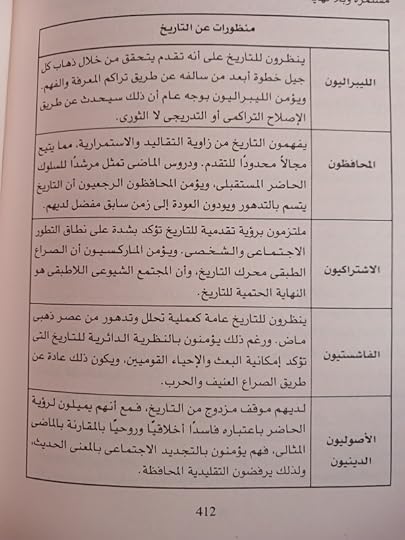
أقل فصل جودة بالنسبالي هو الأصولية الدينية، يمكن كنت متحمسة له أكتر لكن معلوماته كانت قائمة على مصادر مش كفاية لشرح موضوع زي الإسلام السياسي مثلا بشكل صحيح، وهنا كان دور المترجم د. محمد صفار دايما يضيف تعليقات متميزة ومفيدة توضح اعتماد المؤلف على مصادر ضعيفة في شرح مواضيع لها علاقة بالعالم الإسلامي..
الترجمة لا بأس بها أبدا لكن كان ممكن تكون أحسن.
Fri 19 Jul 2024
في حدود من ٣٠ إلى ٥٠ صفحة بيشرح كل أيديولوجية سياسية: الليبرالية، المحافظة، الاشتراكية، القومية، الفوضوية، الفاشستية، النسوية، الإيكولوجية، الأصولية الدينية، التعددية الثقافية، خلاصة عصر ما بعد الأيديولوجيا.
وطريقة الشرح منظمة لكل فصل بعناصر محورية محددة هي:
-نظرة تمهيدية
-الجذور والتطور
-أفكار مركزية
-وفي ما بعد بيتم شرح كل فرع داخل الأيديولوجية -والتوترات بداخل الأيديولوجية
-وبعدها حالة الأيديولوجية في القرن الحادي والعشرين.
-وبنهاية كل فصل في جدول جميل اسمه "منظورات عن" بيتناول كل مرة مفهوم مختلف ويقول موقف كل أيديولوجية من المفهوم ده
مثلا: منظورات عن الأيديولوجيا، منظورات عن الطبيعة البشرية، منظورات عن المساواة، منظورات عن الأمة،...
أقل فصل جودة بالنسبالي هو الأصولية الدينية، يمكن كنت متحمسة له أكتر لكن معلوماته كانت قائمة على مصادر مش كفاية لشرح موضوع زي الإسلام السياسي مثلا بشكل صحيح، وهنا كان دور المترجم د. محمد صفار دايما يضيف تعليقات متميزة ومفيدة توضح اعتماد المؤلف على مصادر ضعيفة في شرح مواضيع لها علاقة بالعالم الإسلامي..
الترجمة لا بأس بها أبدا لكن كان ممكن تكون أحسن.
Fri 19 Jul 2024

April 4, 2019
An excellent introduction to political ideologies. It discusses Liberalism, Conservatism, Socialism (including Marxism), Nationalism, Fascism, Anarchism, Feminism, Ecologism, and Religious Fundamentalism, with a couple of paragraphs about Globalism and Post-modernism.
The "further reading" list available at the end of each chapter is a great addition because obviously this is only an introduction. It is a very thorough and dense one though. I have learned so many new things, but I reckon I would need to read it once more in the future to hammer the information down.
"Political ideas do not emerge in a vacuum: they do not drop from the sky like rain. All political ideas are moulded by the social and historical circumstances in which they develop and by the political ambitions they serve. Quite simply, political theory and political practice are inseparably linked. Any balanced and persuasive account of political life must therefore acknowledge the constant interplay between ideas and ideologies on the one hand, and historical and material forces on the other."
"According to the social scientific usage of the term, an ideology is ‘a set of ideas by which men posit, explain and justify the ends and means of organized social action, irrespective of whether such action aims to preserve, amend, uproot or rebuild a given social order’. An ideology is therefore an action-orientated system of thought. So defined, ideologies are neither good nor bad, true nor false, open nor closed, liberating nor oppressive – they can be all these things."
Highly recommended for those interested in understanding the basics of the aforementioned ideologies.
The "further reading" list available at the end of each chapter is a great addition because obviously this is only an introduction. It is a very thorough and dense one though. I have learned so many new things, but I reckon I would need to read it once more in the future to hammer the information down.
"Political ideas do not emerge in a vacuum: they do not drop from the sky like rain. All political ideas are moulded by the social and historical circumstances in which they develop and by the political ambitions they serve. Quite simply, political theory and political practice are inseparably linked. Any balanced and persuasive account of political life must therefore acknowledge the constant interplay between ideas and ideologies on the one hand, and historical and material forces on the other."
"According to the social scientific usage of the term, an ideology is ‘a set of ideas by which men posit, explain and justify the ends and means of organized social action, irrespective of whether such action aims to preserve, amend, uproot or rebuild a given social order’. An ideology is therefore an action-orientated system of thought. So defined, ideologies are neither good nor bad, true nor false, open nor closed, liberating nor oppressive – they can be all these things."
Highly recommended for those interested in understanding the basics of the aforementioned ideologies.

December 17, 2018
YouTube kitap kanalımda bu kitabı önerdim:
https://youtu.be/5_4osNqPzrY
Hitler'in Yahudi düşmanlığının nedeni neydi?
https://youtu.be/gE8dOfB-4-M
Nedir bu siyaset?
Marquez'in Yüzyıllık Yalnızlık kitabını okuduğum sıralar karşıma bazı kelimeler çıkıyordu. Liberalizm, muhafazakarlık vs... İşte Andrew Heywood'un Siyasi İdeolojiler kitabını edinmem de bu tür siyasi kelimelere karşı "Ne demek yahu bu kelimeler?" dememin sonucunda gerçekleşti.
Kitap, 12 bölümden oluşmaktadır. Bu bölümlerin içerisinde ideolojinin kelime anlamı ve tarihsel evrimi, liberalizm, muhafazakarlık, sosyalizm, anarşizm, milliyetçilik, faşizm, feminizm, ekolojizm, dini köktencilik, çok-kültürcülük ve ideoloji kavramının küresel-çağdaş boyutu konusunda açıklamalar bulunmaktadır. Kitabın sonundaki kaynakçada bulunan kitapları sayayım dedim, yoruldum. 300-350 arası bir sayıda kaynaktan yararlanılmış muhteşem bir kitap olduğunu düşünüyorum.
Örnek olarak, eğer Hitler'e sadece faşist deyip de geçmek istemiyorsan, faşizm kelimesinin kökenini, tarihsel gelişimini ve etkilediği devletleri, diğer siyasi görüşlerle olan karşılaştırmalarını ve kesişim kümelerini, bu görüşü savunan siyasi liderleri de tanımak istiyorsan bu kitabı gönül rahatlığıyla edinebilirsin.
Yazarın herhangi bir siyasi görüşü anlatma metodunu kısaca anlatacak olursam bu kitabın nasıl bir kitap olduğunu daha rahat anlayabilirsiniz. Örnek olarak, elimizde herhangi bir siyasi görüş olduğunu düşünelim. Bu siyasi görüşün kelimesinin kökeninden itibaren başlayıp eski uygarlıklarda bulunan karşılıklarını, tarihsel gelişimini, birey ve toplum konusundaki ilişkilerini, bütün diğer siyasi görüşlerle olan karşılaştırmalarını, özgürlük, din, kültür ve bireye yaklaşım açısıyla olan tarihsel sürecini, piyasa tasarılarıyla bağlantılarını ve en az 6 kişiden oluşacak biçimde de en önemli savunucularını bahsediyor desem yanlış konuşmuş olmam.
Diyeceğim o ki, siyasi görüşünüz ne olursa olsun objektif bir kitap okumak istiyorsanız tam olarak başucu yapabileceğiniz, doyurucu siyasi bilgiler içeren bir kitaptır.
https://youtu.be/5_4osNqPzrY
Hitler'in Yahudi düşmanlığının nedeni neydi?
https://youtu.be/gE8dOfB-4-M
Nedir bu siyaset?
Marquez'in Yüzyıllık Yalnızlık kitabını okuduğum sıralar karşıma bazı kelimeler çıkıyordu. Liberalizm, muhafazakarlık vs... İşte Andrew Heywood'un Siyasi İdeolojiler kitabını edinmem de bu tür siyasi kelimelere karşı "Ne demek yahu bu kelimeler?" dememin sonucunda gerçekleşti.
Kitap, 12 bölümden oluşmaktadır. Bu bölümlerin içerisinde ideolojinin kelime anlamı ve tarihsel evrimi, liberalizm, muhafazakarlık, sosyalizm, anarşizm, milliyetçilik, faşizm, feminizm, ekolojizm, dini köktencilik, çok-kültürcülük ve ideoloji kavramının küresel-çağdaş boyutu konusunda açıklamalar bulunmaktadır. Kitabın sonundaki kaynakçada bulunan kitapları sayayım dedim, yoruldum. 300-350 arası bir sayıda kaynaktan yararlanılmış muhteşem bir kitap olduğunu düşünüyorum.
Örnek olarak, eğer Hitler'e sadece faşist deyip de geçmek istemiyorsan, faşizm kelimesinin kökenini, tarihsel gelişimini ve etkilediği devletleri, diğer siyasi görüşlerle olan karşılaştırmalarını ve kesişim kümelerini, bu görüşü savunan siyasi liderleri de tanımak istiyorsan bu kitabı gönül rahatlığıyla edinebilirsin.
Yazarın herhangi bir siyasi görüşü anlatma metodunu kısaca anlatacak olursam bu kitabın nasıl bir kitap olduğunu daha rahat anlayabilirsiniz. Örnek olarak, elimizde herhangi bir siyasi görüş olduğunu düşünelim. Bu siyasi görüşün kelimesinin kökeninden itibaren başlayıp eski uygarlıklarda bulunan karşılıklarını, tarihsel gelişimini, birey ve toplum konusundaki ilişkilerini, bütün diğer siyasi görüşlerle olan karşılaştırmalarını, özgürlük, din, kültür ve bireye yaklaşım açısıyla olan tarihsel sürecini, piyasa tasarılarıyla bağlantılarını ve en az 6 kişiden oluşacak biçimde de en önemli savunucularını bahsediyor desem yanlış konuşmuş olmam.
Diyeceğim o ki, siyasi görüşünüz ne olursa olsun objektif bir kitap okumak istiyorsanız tam olarak başucu yapabileceğiniz, doyurucu siyasi bilgiler içeren bir kitaptır.

January 28, 2017
الايديولوجيا كلمة نقرأها كثيرا في المقالات والكتب ونسمعها في الحوارات السياسية ولكن قلما نفهم معناها الحقيقي
ونفس الحال ينطبق على مصطلحات سياسية كثيرة مثل اللبيرالية والاشتراكية والفاشية والقومية والماركسية والقومية وما بعد الحداثة
وغيرها من المصطلحات التي يتداولها المتخصصين في العلوم السياسية فيما بينهم ولكن العامة يجهلون عنها الكثير
كتاب مدخل الى الايديولوجيات السياسية سيزيل عنها هذا الجهل الى الابد
فالكتاب رغم انه من كتبه اكاديمي إلا انه موجه الى جمهور العامة او المبتدئين في العلوم السياسية
وفي كل فصل من فصوله يبدأ بشرح الايديولوجيا وتعريفها العلمي والخلافات بين المفكرين حول معنى الايديولوجيا ولماذا كان يراها ماركس
بصورة سلبية ؟
ثم يبدأ بسرد فصل لكل ايديولوجيا ويشرح معناها وتاريخها بالتفصيل
وتطورها وفروعها وكيف طبقها المؤمنين بها وما هو مستقبلها وفي اخر كل فصل يطرح أسئلة حول تلك الايديولوجيا
من الاشياء المذهلة التي اكتشفتها في هذا الكتاب هو ان معظم الايديولوجيات تتقاطع وتتشابك مع بعضها رغم انها تبدو منفصلة ومختلفة عن بعضها تماما
فمثلا قد تجد اللبيرالين الاشتراكيين والاشتراكيين اللبيرالين
وكذلك هناك درجات لكل ايديولوجيا فستجد هناك فرق بين الاشتراكية وبين الشيوعية والتي هي درجة متطرفة من الاشتراكية التي ترى أن الملكية الخاصة
لابد من الغائها ولابد من أن تكون كل الملكيات عامة او في يد الحكومة
وكذلك اللبيرالية لها درجات كثيرة
وهناك خلافات بين اصحاب الايديولوجيا الواحدة
وعندما قرأت عن كل تلك الايديولوجيات وجدت فيها كلها بعض المنطق والوجاهة باستثناء الفاشية
العيب الوحيد في الكتاب هو انه تناول الاصولية الاسلامية بكثير من التحيز والتحامل وكان من الواضح انه لم يقرأ عن الاسلام بما فيه الكفاية
حتى ان المترجم اشار الى مغالطاته بصورة واضحة وصححها
في النهاية احب ان اقول ان هذا الكتاب لا يقرأ بغرض التصفح ولكنه بالعامية
يتذاكر يعنى لو مش فاهم اي حاجة بتقراها في كتاب او مقال سياسي تقدر ترجع له وتفهم منه كل شيء
الكتاب ليس سهلا ويحتاج الى مجهود ذهني كبير ولكنك بعد أن تنهيه ستستطيع أن تقرأ اي كتاب في السياسة بصورة اسهل كثيرا
وسيكون هذا الكتاب بمثابة تمهيد جيد لك حتى تقرأ مفكرين امثال ماركس وجون ستيورات ميل وغيرهم
ونفس الحال ينطبق على مصطلحات سياسية كثيرة مثل اللبيرالية والاشتراكية والفاشية والقومية والماركسية والقومية وما بعد الحداثة
وغيرها من المصطلحات التي يتداولها المتخصصين في العلوم السياسية فيما بينهم ولكن العامة يجهلون عنها الكثير
كتاب مدخل الى الايديولوجيات السياسية سيزيل عنها هذا الجهل الى الابد
فالكتاب رغم انه من كتبه اكاديمي إلا انه موجه الى جمهور العامة او المبتدئين في العلوم السياسية
وفي كل فصل من فصوله يبدأ بشرح الايديولوجيا وتعريفها العلمي والخلافات بين المفكرين حول معنى الايديولوجيا ولماذا كان يراها ماركس
بصورة سلبية ؟
ثم يبدأ بسرد فصل لكل ايديولوجيا ويشرح معناها وتاريخها بالتفصيل
وتطورها وفروعها وكيف طبقها المؤمنين بها وما هو مستقبلها وفي اخر كل فصل يطرح أسئلة حول تلك الايديولوجيا
من الاشياء المذهلة التي اكتشفتها في هذا الكتاب هو ان معظم الايديولوجيات تتقاطع وتتشابك مع بعضها رغم انها تبدو منفصلة ومختلفة عن بعضها تماما
فمثلا قد تجد اللبيرالين الاشتراكيين والاشتراكيين اللبيرالين
وكذلك هناك درجات لكل ايديولوجيا فستجد هناك فرق بين الاشتراكية وبين الشيوعية والتي هي درجة متطرفة من الاشتراكية التي ترى أن الملكية الخاصة
لابد من الغائها ولابد من أن تكون كل الملكيات عامة او في يد الحكومة
وكذلك اللبيرالية لها درجات كثيرة
وهناك خلافات بين اصحاب الايديولوجيا الواحدة
وعندما قرأت عن كل تلك الايديولوجيات وجدت فيها كلها بعض المنطق والوجاهة باستثناء الفاشية
العيب الوحيد في الكتاب هو انه تناول الاصولية الاسلامية بكثير من التحيز والتحامل وكان من الواضح انه لم يقرأ عن الاسلام بما فيه الكفاية
حتى ان المترجم اشار الى مغالطاته بصورة واضحة وصححها
في النهاية احب ان اقول ان هذا الكتاب لا يقرأ بغرض التصفح ولكنه بالعامية
يتذاكر يعنى لو مش فاهم اي حاجة بتقراها في كتاب او مقال سياسي تقدر ترجع له وتفهم منه كل شيء
الكتاب ليس سهلا ويحتاج الى مجهود ذهني كبير ولكنك بعد أن تنهيه ستستطيع أن تقرأ اي كتاب في السياسة بصورة اسهل كثيرا
وسيكون هذا الكتاب بمثابة تمهيد جيد لك حتى تقرأ مفكرين امثال ماركس وجون ستيورات ميل وغيرهم

September 13, 2026
Iyi ki okudum. Hem bazi terimlerin anlamını yeterince iyi bilmiyordum, bunları net bir sekilde derleyip topladı. Hem gercekten objektif bir sekilde yazildigi icin iyi bir kıyaslama okuduğumu hissettim, ve günlük yasamda gordugum desenlerle uyuştuğunu gordum. Hem kendimi bol bol tarttım, bazi konularda liberal, bazen ise ne kadar muhafazakar oldugumu dusundum.
Biraz fazla bati odaklı olmasi kotu oldu sadece, keske dunyanin daha cok yerine daha fazla gönderme yapsaydı. Bir de, Islamism kısmında mesela bir yerde AKP'nin Turkiye'de kimi yerlerde icki satisini yasakladigini yazmış, bunu tam anlamadim. O son bolum cok icime sinmedi aslinda. Ama okuduğuma kesinlikle degdi.
Notlarim
- Ideoloji, toplumun her yerine siner: sanat, edebiyat, eğitim sistemi, medya, dil ve popüler kultur.
- Ideolojiler, kapalı sistemlerdir ve gerçekliğin kendisi oldugunu one surerler. Bir anlamda “sucular religion”. Ancak liberalizm, tolerance ve diversitye daha yakindir.
- Bizler dünyaya teoriler ve varsayımlarla dolu bir tulun arkasından baktigimizi kabullenmek istemeyiz. Bize gore bu “common sense” dir, ideoloji degil!
- Ayni ideolojinin rakip fraksiyonları, rakip ideolojilerle olan surtumsmelerinden daha da ciddi bir sert bir kavgalaya dalarlar. “true” socialism nedir? Her iki tarafın “demokrasi” “adalet” “eşitlik” terimlerini kendi acılarından sürekli kullanmalari isi iyice icinden cikilmaz hale getirir.
- Sag ve sol, Fransız devriminde aristokratlar ve radikallerin oturma duzeninden geliyor
- Endustriyellesme ve post endustriyellesme, getirdiği bolluk ile, insanlarda farklı (hayat kalitesi gibi) beklentiler getirdi. Post endustriyellesme, “isci” sinif bilincini köreltti. Insanlar arası daha seyreltilmiş baglar var artik. Buna karşın da kadin hareketi, yesiller vs buyudu
- Kosmpoloitism: Dunyada aslinda tek bir yasam felsefesi, ahlaki norm var, ve herkes birbirine bunu sunmaya borçlu .
- Yeni dünya duzeninde kendi ideolojinizi kendiniz seciyorsunuz. Eskiden aristokrat ya da işçiyseniz, bunu zaten seçemiyorsunuz, sinifiniza gore bu belirleniyordu
- Rasyonelizm: İnsanların uzerine dünyayı anlama ve akli başında davranma sorumluluğu ve gorevi verir. Rasyonel olmayan fikirler ve genel olarak geleneklere karsi çıkar.
- Liberaller dünyayı ilerleme seklinde görürler. Buna gore aydınlanma cagi sayesinde insanlık ileri gitmiştir. Her nesil öncekinden ileri gitmelidir. Dolayisi ile eğitim de liberal olmalıdır
- Dolayisi ile liberaller savasa karsidirlar, oturup konuşalım pazarlık edelim çözelim derler. Savas son caredir.
- Liberallere gore devlet insan icin insanlar tarafından yaratilmis bir yapıdır. Dolayısı ile insanlar devlete karsi da cikabilirker. Devlet, vatandaşlarına arasındaki kontrata uymazsa, devlete karsi durus meşrudur
- Great man are almost always bad man :)
- Bill of rights cok onemlidir, sinirlari cizer
- Kabine, parlemento, kamaralı sistem gibi yöntemlerle yönetimin gucu denetim altına girer.
- Liberaller 19.yy da demokrasiyi tehdit olarak gördüler, aydınlık yönetimin cahil halk tarafından dizginlenmesi fikrine karsi ciktilar
- %51 Alanin borusu over: the tyranny of majority
- Devlet minimumda eğitim vermek, ekonomiyi idare etmek, ordu kurmakta mükellefti.
- Postmodernizm: uretici sinif tuketici sinifa dondu. Sinif bilinci yitirildi. Postmodernlere gore kesinlik yoktur, her sey şüphelidir, gercek ancak tartisilarak ve demokrasi ile bulunabilir.
- Conservatism : Frasnsiz devriminin tantanasına karsi bir karsi devrim olarak görülebilir. Fransız devrimi pek cok insanda hayal kirikligi yaratmisti
- Japonya’da da benzerleri cikti savastan sonra
- Burke: Toplum, bugüne kadar yaşamlar, simdi yasayanlar, ve gelecekte yaşayanların ortakligidir.
- Bizden once yasamış olanların oy verme hakki yok mudur? Simdi yasayan gerzekler mi onemlidir, bizden once yasamış olan haşmetli atalarımız mi?
- Muhafazakarlik, insanların mükemmel olmadiklarini ve kotu niyetli olabildiklarini varsayarak diğer ideolojilerden ayrılır. Ornegin ütopya umidi, konservatiflerde hic yoktur. Onlar derler ki, yeniliklerin bize bela getirmeyeceğini ne bilelim! Özgürlüğe şüpheyle ve bir bela iması olarak bakarlar, ve derler ki, hocam duzen değişmesin.
- Diğer ideolojiler sucu toplumun bir basarisizligi olarak görürler, muhafazakarlar ise bireye baglarlar. Suc, insanin açgözlülüğünün bir sonudur. Kanunun gorevi özgürlüğü saglamak degil duzeni korumaktır. Adalet ve duzen, birbiri icine girmiş durumdadır.
- The cure is not worse than the disease: muhafazakarlar derler ki aman duzeltmeyelim, devrim basa bela olur. Ayrica toplumun bugüne kadar oluşturduğu kurumlara laf etmek uygun olmaz, bizim aklimiz bunca yıllık birikim ve tecrübeyi anlamaz
- Toplum organik bir yapıdır, ve doğal olarak hiyerarşiktir. Bazi eşitsizlikleri varsa, bu cok normaldir, ve sineye çekilmelidir.
- Insanlar icin en hayirlisi onlara yol gösterecek bir otorite olmasıdır, hem bu ailede de, anne baba rolu ile cocuklar uzerine sağlanmaz mi? Dolayisi ile işyerinde, okulda da devam etmelidir, otorite toplumu korur, toplumun buna ihtiyacı vardir.
- Paternalism: Arabada kemer takma mecburiyeti gibi. Bunun da Hard ve Soft halleri var. Tabii buna karsi çıkanlar da, biz basımıza ana baba istemiyoruz diyorlar.
- Tory vs Whigs. Tory, loyalty to the crown and church in the USA.
- Social Market: piyasa şartlarına gore bir ekonomi, ama kapsayıcı sosyal destekler ile.
- 1970’lerde ispanya ve portekiz diktatörlüklerinin çökmesi ile paternalistik fikirlerin sonu geldi
- Neoliberalizm: Market good, state bad. Bolca ozellestirme, sosyal desteklerin azaltılması, vergilerin azaltılması, deregulation
- Reagan ve Thatcher kamu harcamalarını azaltarak enflasyonu kontrol altinda tuttular, issizlik pahasına
- Neoliberalizm bir bakima yeni bir çeşit neo imperializm. Kaybeden hep zayıf olan ülkeler oluyor
- Negatif freedom: Birey tamamen özgür. Ama buna karşın tek basinasin, devlet seni korumaz. Devlet temel gorevler harici sorumluluk almaz. “undeserving poor” yoktur. Zenginden vergi kesip fakire vermek legalized theft olur.
- Ayrica artan suc da otorite boşluklarından kaynaklıdır.
- Herkesin kafasına gore ahlak degerlerinin olduğu bir toplum yoldan çıkar. Dolayisi ile moral pluralism tehdit edici gorunur
- Eurosepticism : AB birleşmesinin milli iradeyi törpülediğine inanmak
- Populism: Plulalizme karsi olduğu dusunulebilir. Politikacilarin insanlarin en derin korku ve isteklerini ortaya koymasi. Her ideolojide görülebilir
- Sosyalizm: Sanayi devriminin ilk doneminde acımasız hayat şartlarından dolayi ortaya cikti. Gelirler dusuk, cocuk işçiler var. Ayrıca insanların yaşamlarına anlam verebilecek sosyal oluşumlar yoktu
- 20.yy Afrika, Asya ve Latin Amerika’da anti kolonyal akımlar sosyalizmle buluştular, bu mücadele sinif mücadelesine dönüştüler
- Sosyalistler, insan dogasinin plastik/degistirilebilir olduguna inanır ve bunun icin mücadele verirler. Insan davranislari toplumdan öğrenilir, konuştuğumuz dilden yürüyüşümüze kadar. Liberaller individual ve society arasına çizgi çekerken, sosyalistler bunu yapmazlar, ikisi birdir. Insanlar self sufficient degiller, toplumsuz olamazlar, toplum olarak varlardır. Dolayisi ile insan davranislari kisiler degil toplumlarla ilgili bize bilgi verir.
- Cin’de tum ayricalikli zümrelere (dedeler dahil) karsi buyuk bir ayaklanmaya donustu - hiyerarşiye karsi bir ayaklanma. Futbol bile rekabetci olduğu icin yasaklandı
- Mao der ki, “power resides in the barrel of a gun”
- Kizil kimerler basa gecince, o seneyi “sifir senesi” olarak aldılar. Sosyalizme devrim yolu ile gecilmesi, bu sureci hep muthis yan etkileri ile birlikte getirmiştir. Ancak duvarın çökmesi ile devrim sosyalizmi fikri bitti
- Fabianlar, parlementer sosyalizm icin UK’de çabaladılar
- Eurocomminism: Marxism + liberal demokratik fikirler, 70’lerde ortaya cikti
- dialectik: birbiri ile rekabet eden iki aykırı fikrin sonunda daha yuksek bir fikir ya da degisim ortaya cikmasi
- Frankfurt okulu: marxist political economy, Hegelian philosophy, freudian psychology
- Aslinda bazi prensiplerde (faiz karsitligi, sosyal Baglara onem) islam ve sosyalizm arasinda epey benzerlik var
- Kapitalizm hem stabil hem de flexible olmasi ile dikkat çekiyor: artık iki sinif (isci vs burjuva) yok ve sınıflar arası belirsizlik artti. Ayrica şirketlerin tek bir sahibi de yok. Bir yazilimci işçi midir proletarya mi?
- Clinton says ”a hand up, not a handout”
- Anarsizm, bugüne kadar güç kazanmada basarili olamaması ile ayrisiyor. Aslinda siyasi güç kazanmak anarsizim acisindan bir çelişki
- Temelinde, insanların iyi oldukları fikri yatıyor
- Utopia, bir bakima prejoratif bir kelime; buna inananların safliginin altini çizmek icin
- Proudhon’un takipçileri Fransa ve Isvec’te anarşist bankalar kurdular, kar marji olmayan ya da cok dusuk olan, insani ve gönüllü bankalar. Bu da matematik koyu’nun sloganını akla getiriyor
- Kroptokin’in Darwin kuramına gore, insanligin basarili olmasının sebebi, diğer turlerden farklı olarak cooperationa açık olmasi
- Merkeziyetcilik bürokrasi anlamına geldiği icin, anarşistler kucuk obaları sever ve isterler
- Terrorism kelimesi tartismalidir, tam kimin terorist oldugunu anlamak zor olabilir
- Consumerism: Mutluluğun satin alma ve varliklarla sağlanabileceği fenomeni
Nationalism
- Nasci, being born
- Fransız devrimine baglanabilir. Napolyon fetihlerine karsi bir birleşme güdüsü olarak Italya’da ve Almanya’da belirdi. Latin Amerika’ya daha sonra ulasan bir fikir.
- Osmanli ve Avusturya, ve Rusya dagilirken yeni haritaların oluşmasına önayak oldu
- Nationalistler patriottur, ama patriotlar nationalist olmayabilir
- Social cohesion, order and stability, ozellikle sosyalizmin yükselmesi ve devrim&sinif mücadelesi karsisinda bir tepki
- Liberal demokrasiden ziyade gecmis başarılar, chauvinistic ve xenophobic bir bakis acisi. Her millet kendi ustun özelliklerini one cikartir, diğer milletler güvenilmez, yabancı gorulurler. Imperiyalizmin mantigi bu fikirlerden beslenir. Ww1 de buradan cikmistir
- Ww1 yenilgileri faşizme hiz kazandırdı
- Nationalism fikri Afrika’ya da sicradi - anti kolonyal fikirler olarak. Boylece orta dogu ve afrika ülkelere ayrıldı, kanli savaslar sonucu
- Nationalism biraz duygusal bir mesele, millete sadakat ve diğer milletlere duyulan tiksinme. Bu da milliyetçiliğin oldukca kuvvetli bir tesirle insanları etkileyebilmesinin bir sebebi olabilir
- Nationalism bundan dolayi şizofrenik egilimler gösterebilir; farklı zamanlarda ilerlemeci ya da gerilemeci olabilir. Demokratik olabilir ya da tersi. Rasyonel olabilir ya da olmayadabilir. Sağcı ya da solcu olabilir. Ayrica anarşizm disinda tum ideolojiler nationalizm belirtileri gösterebilirler.
- Dil en onemli meselelerden biridir. Dil sayesinde birlik olmak kolaylaşır, ancak bununla çelişen Isviçre, Belçika, Kanada gibi ülkeler de vardir
- Past glories cok onemlidir, askeri zaferlerin ve onemli liderlerin dogum günleri mutlaka kutlanır
- Kisacasi tam bir formulu yoktur, farklı milletler milliyetçiliği farklı sekillerde uygularlar
- Bir toprak olmasi da kritik degildir, kurtlerin toprağı yok ama kendilerini millet olarak görürler
- Latvia 2.6 milyon olmasina ragmen ülke olmuştur, nüfusun da o kadar onemi yok
- National organik kabul edilir, bunlar yapay degildir. Bunun sinif ya da cinsiyet gibi genel bir ayrım degil, cok daha spesifik bir ayrım olmasından dolayi, diğer ideolojilerin ayrimlarini hor görürler
- Hobsbawm der ki, mit cok onemlidir, nationalism mit ister.
- Constructuvism: Nations creates nations, not the other way around
- Birlesme, nationalism icin cok kritiktir, bir yerlerde birleşilmek istene soydaslar vardir. Dolayısı ile agresif bir ideolojidir
- Grimm Masallari falan, Almanya’nin kendi milliyetçiliğini beslemek icin arastirilmistir, Wagner bir suru operasını Alman mitleri uzerine yazmistir
- Etnisite, hem ırksal hem kultureldir. Ancak etnik grupların dedelerinin ortak olduğu farz edilir. Ya da zionizm gibi bir ortak toprak vardir. Sonradan etnik bir gruba katinilamadigi icin, dislayici bir tarafı vardir
- Nationalism hem bir suru topluma özgürlük vermis, devletler kurdurmuş, hem de digerlerinin fethedilmesine sebep olmuştur. Bazıları icin muthis, bazilari icin felaket anlamına gelebilir
- 19.yyda Liberalizm ve Nationalizm ayni sey gibiydi, cunku buna Italyan sehir devletlerinin özgürleşip birleşmeleri gibi bakilyordu - özgürlük fikri buradan geliyor
- Internationalism: global coperation.
- Nationalism asil savas olunca coşar, ve hayvani bir hal alabilir
- Azinliklari deport etmek, nation state elde etmenin tek yolu olabilir
- 19.yyda muhafazakarlar, milliyetçiliği bir tehlike olarak gördüler, ama sonradan fikirleri değişti (bunun kuvvetini fark ettikleri zaman)
- Bir kere nation state kurulunca, liberal nationalism biter, conservative nationalism baslar, ve amac duzeni korumaya doner
- Britain icin nationalism, monarşi ile temsil edilir, god save the queen
- Eger ulke tehlikeli günler geçirirse, gene nationalism azıtır
- Gocmenler prensip olarak asimile edilmelidirler
- AB projesine nationalist olan tum gruplar karsidirlar, ve ise yarayacağına inanmazlar, bu kadar cok ceistlilik olmasından dolayi…
- Nationalism genisleme ile de uyumlu bir ideolojidir
- Jingoism, nationalismin mood’unu anlatmak icin kullanılır - buyuk bir expansion falan olunca gelen kutlama hali (UK’de türemiş bir kelime)
- chauivinism: fanatik napolyoncu bir askerden türemiş,.
- Nationalism biz ve onlar ilkesine dayandiig icin, irk temelli ayrımları da sever
- Versay, self determinizmi Avrupa’da uyguladı guya, ama sömürgelere bunun etkisi olmadı, Almanya sömürgelerine Ingiltere ve Fransa güzelce soktu. Fakat keser dondu sap dondu: kolonilere de nationalism ve self determination bulaştı. Mesela Gandi falan hep batıda eğitim almislardi, ancak kendi natonalismlerini kurmak adına, bati düşüncesine yakin olmayan baska epikler kullandılar, mesela Gandi’nin barisci yolları falan
- Nationalism globalisme karsi bir tepki ile güçlendi, ve belirsizlik durumu devam ettikçe güçlenmeye devam edecek
Fasizm: - Sloganlar: Believe, obey, fight. Order, Authority, justice.
- Demokrasinin ilk donemlerindeki sendelemeler ve koalisyonların basiretsizligi nedeniyle güçlendi
- Ayrica endüstriyellesme ve tekeller, kucuk isletmeleri dükkanları bakkalları cok buyuk tehlikeye soktu, bunlar ister istemez radikal fikirlere yöneldiler Dolayisi ile bir dusuk-orta sinif hareketi. Ayrica rus devrimi insanları cok korkuttu. Faşizm bu açıdan bir karsi devrimdir
- Fromm: Fear of freedom. Ozgurluk, insanlara ayni zamanda buyuk belalar verdi, stabilize daha bozuktur bu özgürleşme nedeniyle. Ekonomik krizler, ya da sovyetlerin çökmesi, hep faşizmin yükselişine sebep olur. Bir kriz refleksi. Cogu ideoloji kisisel özgürlüklerin yanındayken, faşizm tersidir
- Fazla analiz yapmadan direkt savunulan bir ideolojidir, bu açıdan dinlere benzeyen bir yapısı vardir
- Mussolini: Action, not talk! Inactivity is death! Intellectual life is devalued, it is cold, dry and lifeless. Facism, trigger instincts, and soul. It has energy
- Fascist are more clear about what they oppose than what they support
- Social darwinism has part of it: Struggle is natural. Only competition and conflict guarantee progress. Ayrica power is goodness, weakness is evil. Caring, sympathy, compassion yerine loyalty, duty, obedience and self-sacrifice
- Fasizm, savaşı kutsallastirmasiyla diğer ideolojilerden ayrılır: Mussolini: War is to men what is maternity is to woman
- Esitlige karsidir.
- Itiraz edilemez bir lider vardir. Savasci bir elit sinif vardir (ornek ss). Ve bir de siradan insanlar vardir, güdülmek uzere
- Bu açıdan fasizm insanlara karsi pek inanc taşımaz
- Siradan diktatörlükler, insanların politika ile ilgili olmasını pek istemez!!! Faşizmde, insanlar siyasetin icindedirler, propaganda, mitingler, sloganlar ve tören alayları cok yaygindir.
- Fasizm, militarizm ve emperyalizm ile yakından ilgilenir: yayılmacı politikalar ve sömürgeler meşru ve doğal gorulur
- Mit yaratımı cok onemlidir, ve hikayeler bastan ve ideolojiye gore yeniden anlatılırlar
- Filippo Marinetti gibi modernist sanatçılar da one çıkabilir, naziler gibi tersine, koye donelim felsefesinde de olabilirler
- Irki meselesi fasizm ile uyumludur, fakat mesela italya’da irkcilik yoktur
Feminizm
- 1840’larda köleliğin kaldirilmasi ile birlikte ortaya cikti
- Pankhurst ailesi Uk’de suffraggate öncüleri
- Basta sosyalizmin parçası olarak goruldu, fakat radikal fikirler ihtiva ettikçe, diğer ideolojilerle bagdasmadigi anlasildi
- Ideolojiler sadece siyasi midir? Evdeki haklarınız politika degil midir? Feministlere gore politika, her turlu sosyal ortamda vardir
- Feministlere gore, cinsiyet, irk ya da sinif gibi bir ayrımdır
- Racism oppression ise, sexism de oyledir
- Patriarchy: rule by father, guc ilskisini Boyle gorurler. Hiyerarsik bir toplumda, erkekler, kadinlari kontrol ederler
- Biology is destiny. Toplumdaki yeriniz vücudunuza gore belirlenir, kadin ya da erkek
- Gender ifadesi ortaya çıkar - roller.
- Simone de baevour: woman are made, they are not born
- iran'da devrim olunca egiitm orani yükseldi, bazen toplumun ihtiyaclarını gözden kaçırmamak gerekir
- Kadin hakları bir bati konsepti olarak gorulur, ve aslinda dogu’da kadinlarin gayet memnun oldukları hayat tarzına bir ideolojik bir müdahale midir? bu da cok ilginç bir soru. Ya opress olanlar zavalli batili kadinlar ise?
Yesiller
- Paganlikla ilgisi vardir
- Endustriyellesme surecinde belirginlesmistir
- ecologism: Insan odaklı degil, dünya odaklı bir bakis acisi.
- holism: whole is more important than the parts, and study relationship between parts
- Tragedy of commons: herkes yardırırsa gotumuze girer
- Surdurulebilirlik
- Gelecek nesilleri korumak bize mi kaldi? Ayrica gercekten koruyabiliyor muyuz? Gelecegin ihtiyaçları belli degil ki… Gibi eleştiriler var
- Erich Fomm: “having” attitude of mind. Mutluluk nedir’e bir yanit vermeye calisiyor.
- Consumerism insanlara sürekli daha buyuk iştah ve bir turlu bastırılamayan açlık ve mutsuzluk veriyor
- Man is too clever to survive without wisdom
Multiculturalism
- Osmanli’dan ornek vermesi cok hoşuma gitti
- Aslinda boyle toplumlar hep olmuştur, ama terim ve fikir olarak yeni
- Emphasise difference rather than equality. Allow other groups with their own cultural values
- Edward said okumak farz valla
- Insanlar kendileri gibilere çekildikleri icin nationalism ile zit gorustur. Nationalistlere gore yabancılara karsi güvensizlik doğaldır ve kacinilmazdir
- Bunun da zaafları vardir: insanları birleştiren özelliklerden cok ayristiran özelliklere dikkat çektiği icin, zamanla taraflar arasinda catisma riski daha yüksektir. Çözdüğü sorunlar yol actiklarindan daha az önemli olabilir. Ayrica diversity, ayrışma ve Gettolaşmalara sebep olabilir
Biraz fazla bati odaklı olmasi kotu oldu sadece, keske dunyanin daha cok yerine daha fazla gönderme yapsaydı. Bir de, Islamism kısmında mesela bir yerde AKP'nin Turkiye'de kimi yerlerde icki satisini yasakladigini yazmış, bunu tam anlamadim. O son bolum cok icime sinmedi aslinda. Ama okuduğuma kesinlikle degdi.
Notlarim
- Ideoloji, toplumun her yerine siner: sanat, edebiyat, eğitim sistemi, medya, dil ve popüler kultur.
- Ideolojiler, kapalı sistemlerdir ve gerçekliğin kendisi oldugunu one surerler. Bir anlamda “sucular religion”. Ancak liberalizm, tolerance ve diversitye daha yakindir.
- Bizler dünyaya teoriler ve varsayımlarla dolu bir tulun arkasından baktigimizi kabullenmek istemeyiz. Bize gore bu “common sense” dir, ideoloji degil!
- Ayni ideolojinin rakip fraksiyonları, rakip ideolojilerle olan surtumsmelerinden daha da ciddi bir sert bir kavgalaya dalarlar. “true” socialism nedir? Her iki tarafın “demokrasi” “adalet” “eşitlik” terimlerini kendi acılarından sürekli kullanmalari isi iyice icinden cikilmaz hale getirir.
- Sag ve sol, Fransız devriminde aristokratlar ve radikallerin oturma duzeninden geliyor
- Endustriyellesme ve post endustriyellesme, getirdiği bolluk ile, insanlarda farklı (hayat kalitesi gibi) beklentiler getirdi. Post endustriyellesme, “isci” sinif bilincini köreltti. Insanlar arası daha seyreltilmiş baglar var artik. Buna karşın da kadin hareketi, yesiller vs buyudu
- Kosmpoloitism: Dunyada aslinda tek bir yasam felsefesi, ahlaki norm var, ve herkes birbirine bunu sunmaya borçlu .
- Yeni dünya duzeninde kendi ideolojinizi kendiniz seciyorsunuz. Eskiden aristokrat ya da işçiyseniz, bunu zaten seçemiyorsunuz, sinifiniza gore bu belirleniyordu
- Rasyonelizm: İnsanların uzerine dünyayı anlama ve akli başında davranma sorumluluğu ve gorevi verir. Rasyonel olmayan fikirler ve genel olarak geleneklere karsi çıkar.
- Liberaller dünyayı ilerleme seklinde görürler. Buna gore aydınlanma cagi sayesinde insanlık ileri gitmiştir. Her nesil öncekinden ileri gitmelidir. Dolayisi ile eğitim de liberal olmalıdır
- Dolayisi ile liberaller savasa karsidirlar, oturup konuşalım pazarlık edelim çözelim derler. Savas son caredir.
- Liberallere gore devlet insan icin insanlar tarafından yaratilmis bir yapıdır. Dolayısı ile insanlar devlete karsi da cikabilirker. Devlet, vatandaşlarına arasındaki kontrata uymazsa, devlete karsi durus meşrudur
- Great man are almost always bad man :)
- Bill of rights cok onemlidir, sinirlari cizer
- Kabine, parlemento, kamaralı sistem gibi yöntemlerle yönetimin gucu denetim altına girer.
- Liberaller 19.yy da demokrasiyi tehdit olarak gördüler, aydınlık yönetimin cahil halk tarafından dizginlenmesi fikrine karsi ciktilar
- %51 Alanin borusu over: the tyranny of majority
- Devlet minimumda eğitim vermek, ekonomiyi idare etmek, ordu kurmakta mükellefti.
- Postmodernizm: uretici sinif tuketici sinifa dondu. Sinif bilinci yitirildi. Postmodernlere gore kesinlik yoktur, her sey şüphelidir, gercek ancak tartisilarak ve demokrasi ile bulunabilir.
- Conservatism : Frasnsiz devriminin tantanasına karsi bir karsi devrim olarak görülebilir. Fransız devrimi pek cok insanda hayal kirikligi yaratmisti
- Japonya’da da benzerleri cikti savastan sonra
- Burke: Toplum, bugüne kadar yaşamlar, simdi yasayanlar, ve gelecekte yaşayanların ortakligidir.
- Bizden once yasamış olanların oy verme hakki yok mudur? Simdi yasayan gerzekler mi onemlidir, bizden once yasamış olan haşmetli atalarımız mi?
- Muhafazakarlik, insanların mükemmel olmadiklarini ve kotu niyetli olabildiklarini varsayarak diğer ideolojilerden ayrılır. Ornegin ütopya umidi, konservatiflerde hic yoktur. Onlar derler ki, yeniliklerin bize bela getirmeyeceğini ne bilelim! Özgürlüğe şüpheyle ve bir bela iması olarak bakarlar, ve derler ki, hocam duzen değişmesin.
- Diğer ideolojiler sucu toplumun bir basarisizligi olarak görürler, muhafazakarlar ise bireye baglarlar. Suc, insanin açgözlülüğünün bir sonudur. Kanunun gorevi özgürlüğü saglamak degil duzeni korumaktır. Adalet ve duzen, birbiri icine girmiş durumdadır.
- The cure is not worse than the disease: muhafazakarlar derler ki aman duzeltmeyelim, devrim basa bela olur. Ayrica toplumun bugüne kadar oluşturduğu kurumlara laf etmek uygun olmaz, bizim aklimiz bunca yıllık birikim ve tecrübeyi anlamaz
- Toplum organik bir yapıdır, ve doğal olarak hiyerarşiktir. Bazi eşitsizlikleri varsa, bu cok normaldir, ve sineye çekilmelidir.
- Insanlar icin en hayirlisi onlara yol gösterecek bir otorite olmasıdır, hem bu ailede de, anne baba rolu ile cocuklar uzerine sağlanmaz mi? Dolayisi ile işyerinde, okulda da devam etmelidir, otorite toplumu korur, toplumun buna ihtiyacı vardir.
- Paternalism: Arabada kemer takma mecburiyeti gibi. Bunun da Hard ve Soft halleri var. Tabii buna karsi çıkanlar da, biz basımıza ana baba istemiyoruz diyorlar.
- Tory vs Whigs. Tory, loyalty to the crown and church in the USA.
- Social Market: piyasa şartlarına gore bir ekonomi, ama kapsayıcı sosyal destekler ile.
- 1970’lerde ispanya ve portekiz diktatörlüklerinin çökmesi ile paternalistik fikirlerin sonu geldi
- Neoliberalizm: Market good, state bad. Bolca ozellestirme, sosyal desteklerin azaltılması, vergilerin azaltılması, deregulation
- Reagan ve Thatcher kamu harcamalarını azaltarak enflasyonu kontrol altinda tuttular, issizlik pahasına
- Neoliberalizm bir bakima yeni bir çeşit neo imperializm. Kaybeden hep zayıf olan ülkeler oluyor
- Negatif freedom: Birey tamamen özgür. Ama buna karşın tek basinasin, devlet seni korumaz. Devlet temel gorevler harici sorumluluk almaz. “undeserving poor” yoktur. Zenginden vergi kesip fakire vermek legalized theft olur.
- Ayrica artan suc da otorite boşluklarından kaynaklıdır.
- Herkesin kafasına gore ahlak degerlerinin olduğu bir toplum yoldan çıkar. Dolayisi ile moral pluralism tehdit edici gorunur
- Eurosepticism : AB birleşmesinin milli iradeyi törpülediğine inanmak
- Populism: Plulalizme karsi olduğu dusunulebilir. Politikacilarin insanlarin en derin korku ve isteklerini ortaya koymasi. Her ideolojide görülebilir
- Sosyalizm: Sanayi devriminin ilk doneminde acımasız hayat şartlarından dolayi ortaya cikti. Gelirler dusuk, cocuk işçiler var. Ayrıca insanların yaşamlarına anlam verebilecek sosyal oluşumlar yoktu
- 20.yy Afrika, Asya ve Latin Amerika’da anti kolonyal akımlar sosyalizmle buluştular, bu mücadele sinif mücadelesine dönüştüler
- Sosyalistler, insan dogasinin plastik/degistirilebilir olduguna inanır ve bunun icin mücadele verirler. Insan davranislari toplumdan öğrenilir, konuştuğumuz dilden yürüyüşümüze kadar. Liberaller individual ve society arasına çizgi çekerken, sosyalistler bunu yapmazlar, ikisi birdir. Insanlar self sufficient degiller, toplumsuz olamazlar, toplum olarak varlardır. Dolayisi ile insan davranislari kisiler degil toplumlarla ilgili bize bilgi verir.
- Cin’de tum ayricalikli zümrelere (dedeler dahil) karsi buyuk bir ayaklanmaya donustu - hiyerarşiye karsi bir ayaklanma. Futbol bile rekabetci olduğu icin yasaklandı
- Mao der ki, “power resides in the barrel of a gun”
- Kizil kimerler basa gecince, o seneyi “sifir senesi” olarak aldılar. Sosyalizme devrim yolu ile gecilmesi, bu sureci hep muthis yan etkileri ile birlikte getirmiştir. Ancak duvarın çökmesi ile devrim sosyalizmi fikri bitti
- Fabianlar, parlementer sosyalizm icin UK’de çabaladılar
- Eurocomminism: Marxism + liberal demokratik fikirler, 70’lerde ortaya cikti
- dialectik: birbiri ile rekabet eden iki aykırı fikrin sonunda daha yuksek bir fikir ya da degisim ortaya cikmasi
- Frankfurt okulu: marxist political economy, Hegelian philosophy, freudian psychology
- Aslinda bazi prensiplerde (faiz karsitligi, sosyal Baglara onem) islam ve sosyalizm arasinda epey benzerlik var
- Kapitalizm hem stabil hem de flexible olmasi ile dikkat çekiyor: artık iki sinif (isci vs burjuva) yok ve sınıflar arası belirsizlik artti. Ayrica şirketlerin tek bir sahibi de yok. Bir yazilimci işçi midir proletarya mi?
- Clinton says ”a hand up, not a handout”
- Anarsizm, bugüne kadar güç kazanmada basarili olamaması ile ayrisiyor. Aslinda siyasi güç kazanmak anarsizim acisindan bir çelişki
- Temelinde, insanların iyi oldukları fikri yatıyor
- Utopia, bir bakima prejoratif bir kelime; buna inananların safliginin altini çizmek icin
- Proudhon’un takipçileri Fransa ve Isvec’te anarşist bankalar kurdular, kar marji olmayan ya da cok dusuk olan, insani ve gönüllü bankalar. Bu da matematik koyu’nun sloganını akla getiriyor
- Kroptokin’in Darwin kuramına gore, insanligin basarili olmasının sebebi, diğer turlerden farklı olarak cooperationa açık olmasi
- Merkeziyetcilik bürokrasi anlamına geldiği icin, anarşistler kucuk obaları sever ve isterler
- Terrorism kelimesi tartismalidir, tam kimin terorist oldugunu anlamak zor olabilir
- Consumerism: Mutluluğun satin alma ve varliklarla sağlanabileceği fenomeni
Nationalism
- Nasci, being born
- Fransız devrimine baglanabilir. Napolyon fetihlerine karsi bir birleşme güdüsü olarak Italya’da ve Almanya’da belirdi. Latin Amerika’ya daha sonra ulasan bir fikir.
- Osmanli ve Avusturya, ve Rusya dagilirken yeni haritaların oluşmasına önayak oldu
- Nationalistler patriottur, ama patriotlar nationalist olmayabilir
- Social cohesion, order and stability, ozellikle sosyalizmin yükselmesi ve devrim&sinif mücadelesi karsisinda bir tepki
- Liberal demokrasiden ziyade gecmis başarılar, chauvinistic ve xenophobic bir bakis acisi. Her millet kendi ustun özelliklerini one cikartir, diğer milletler güvenilmez, yabancı gorulurler. Imperiyalizmin mantigi bu fikirlerden beslenir. Ww1 de buradan cikmistir
- Ww1 yenilgileri faşizme hiz kazandırdı
- Nationalism fikri Afrika’ya da sicradi - anti kolonyal fikirler olarak. Boylece orta dogu ve afrika ülkelere ayrıldı, kanli savaslar sonucu
- Nationalism biraz duygusal bir mesele, millete sadakat ve diğer milletlere duyulan tiksinme. Bu da milliyetçiliğin oldukca kuvvetli bir tesirle insanları etkileyebilmesinin bir sebebi olabilir
- Nationalism bundan dolayi şizofrenik egilimler gösterebilir; farklı zamanlarda ilerlemeci ya da gerilemeci olabilir. Demokratik olabilir ya da tersi. Rasyonel olabilir ya da olmayadabilir. Sağcı ya da solcu olabilir. Ayrica anarşizm disinda tum ideolojiler nationalizm belirtileri gösterebilirler.
- Dil en onemli meselelerden biridir. Dil sayesinde birlik olmak kolaylaşır, ancak bununla çelişen Isviçre, Belçika, Kanada gibi ülkeler de vardir
- Past glories cok onemlidir, askeri zaferlerin ve onemli liderlerin dogum günleri mutlaka kutlanır
- Kisacasi tam bir formulu yoktur, farklı milletler milliyetçiliği farklı sekillerde uygularlar
- Bir toprak olmasi da kritik degildir, kurtlerin toprağı yok ama kendilerini millet olarak görürler
- Latvia 2.6 milyon olmasina ragmen ülke olmuştur, nüfusun da o kadar onemi yok
- National organik kabul edilir, bunlar yapay degildir. Bunun sinif ya da cinsiyet gibi genel bir ayrım degil, cok daha spesifik bir ayrım olmasından dolayi, diğer ideolojilerin ayrimlarini hor görürler
- Hobsbawm der ki, mit cok onemlidir, nationalism mit ister.
- Constructuvism: Nations creates nations, not the other way around
- Birlesme, nationalism icin cok kritiktir, bir yerlerde birleşilmek istene soydaslar vardir. Dolayısı ile agresif bir ideolojidir
- Grimm Masallari falan, Almanya’nin kendi milliyetçiliğini beslemek icin arastirilmistir, Wagner bir suru operasını Alman mitleri uzerine yazmistir
- Etnisite, hem ırksal hem kultureldir. Ancak etnik grupların dedelerinin ortak olduğu farz edilir. Ya da zionizm gibi bir ortak toprak vardir. Sonradan etnik bir gruba katinilamadigi icin, dislayici bir tarafı vardir
- Nationalism hem bir suru topluma özgürlük vermis, devletler kurdurmuş, hem de digerlerinin fethedilmesine sebep olmuştur. Bazıları icin muthis, bazilari icin felaket anlamına gelebilir
- 19.yyda Liberalizm ve Nationalizm ayni sey gibiydi, cunku buna Italyan sehir devletlerinin özgürleşip birleşmeleri gibi bakilyordu - özgürlük fikri buradan geliyor
- Internationalism: global coperation.
- Nationalism asil savas olunca coşar, ve hayvani bir hal alabilir
- Azinliklari deport etmek, nation state elde etmenin tek yolu olabilir
- 19.yyda muhafazakarlar, milliyetçiliği bir tehlike olarak gördüler, ama sonradan fikirleri değişti (bunun kuvvetini fark ettikleri zaman)
- Bir kere nation state kurulunca, liberal nationalism biter, conservative nationalism baslar, ve amac duzeni korumaya doner
- Britain icin nationalism, monarşi ile temsil edilir, god save the queen
- Eger ulke tehlikeli günler geçirirse, gene nationalism azıtır
- Gocmenler prensip olarak asimile edilmelidirler
- AB projesine nationalist olan tum gruplar karsidirlar, ve ise yarayacağına inanmazlar, bu kadar cok ceistlilik olmasından dolayi…
- Nationalism genisleme ile de uyumlu bir ideolojidir
- Jingoism, nationalismin mood’unu anlatmak icin kullanılır - buyuk bir expansion falan olunca gelen kutlama hali (UK’de türemiş bir kelime)
- chauivinism: fanatik napolyoncu bir askerden türemiş,.
- Nationalism biz ve onlar ilkesine dayandiig icin, irk temelli ayrımları da sever
- Versay, self determinizmi Avrupa’da uyguladı guya, ama sömürgelere bunun etkisi olmadı, Almanya sömürgelerine Ingiltere ve Fransa güzelce soktu. Fakat keser dondu sap dondu: kolonilere de nationalism ve self determination bulaştı. Mesela Gandi falan hep batıda eğitim almislardi, ancak kendi natonalismlerini kurmak adına, bati düşüncesine yakin olmayan baska epikler kullandılar, mesela Gandi’nin barisci yolları falan
- Nationalism globalisme karsi bir tepki ile güçlendi, ve belirsizlik durumu devam ettikçe güçlenmeye devam edecek
Fasizm: - Sloganlar: Believe, obey, fight. Order, Authority, justice.
- Demokrasinin ilk donemlerindeki sendelemeler ve koalisyonların basiretsizligi nedeniyle güçlendi
- Ayrica endüstriyellesme ve tekeller, kucuk isletmeleri dükkanları bakkalları cok buyuk tehlikeye soktu, bunlar ister istemez radikal fikirlere yöneldiler Dolayisi ile bir dusuk-orta sinif hareketi. Ayrica rus devrimi insanları cok korkuttu. Faşizm bu açıdan bir karsi devrimdir
- Fromm: Fear of freedom. Ozgurluk, insanlara ayni zamanda buyuk belalar verdi, stabilize daha bozuktur bu özgürleşme nedeniyle. Ekonomik krizler, ya da sovyetlerin çökmesi, hep faşizmin yükselişine sebep olur. Bir kriz refleksi. Cogu ideoloji kisisel özgürlüklerin yanındayken, faşizm tersidir
- Fazla analiz yapmadan direkt savunulan bir ideolojidir, bu açıdan dinlere benzeyen bir yapısı vardir
- Mussolini: Action, not talk! Inactivity is death! Intellectual life is devalued, it is cold, dry and lifeless. Facism, trigger instincts, and soul. It has energy
- Fascist are more clear about what they oppose than what they support
- Social darwinism has part of it: Struggle is natural. Only competition and conflict guarantee progress. Ayrica power is goodness, weakness is evil. Caring, sympathy, compassion yerine loyalty, duty, obedience and self-sacrifice
- Fasizm, savaşı kutsallastirmasiyla diğer ideolojilerden ayrılır: Mussolini: War is to men what is maternity is to woman
- Esitlige karsidir.
- Itiraz edilemez bir lider vardir. Savasci bir elit sinif vardir (ornek ss). Ve bir de siradan insanlar vardir, güdülmek uzere
- Bu açıdan fasizm insanlara karsi pek inanc taşımaz
- Siradan diktatörlükler, insanların politika ile ilgili olmasını pek istemez!!! Faşizmde, insanlar siyasetin icindedirler, propaganda, mitingler, sloganlar ve tören alayları cok yaygindir.
- Fasizm, militarizm ve emperyalizm ile yakından ilgilenir: yayılmacı politikalar ve sömürgeler meşru ve doğal gorulur
- Mit yaratımı cok onemlidir, ve hikayeler bastan ve ideolojiye gore yeniden anlatılırlar
- Filippo Marinetti gibi modernist sanatçılar da one çıkabilir, naziler gibi tersine, koye donelim felsefesinde de olabilirler
- Irki meselesi fasizm ile uyumludur, fakat mesela italya’da irkcilik yoktur
Feminizm
- 1840’larda köleliğin kaldirilmasi ile birlikte ortaya cikti
- Pankhurst ailesi Uk’de suffraggate öncüleri
- Basta sosyalizmin parçası olarak goruldu, fakat radikal fikirler ihtiva ettikçe, diğer ideolojilerle bagdasmadigi anlasildi
- Ideolojiler sadece siyasi midir? Evdeki haklarınız politika degil midir? Feministlere gore politika, her turlu sosyal ortamda vardir
- Feministlere gore, cinsiyet, irk ya da sinif gibi bir ayrımdır
- Racism oppression ise, sexism de oyledir
- Patriarchy: rule by father, guc ilskisini Boyle gorurler. Hiyerarsik bir toplumda, erkekler, kadinlari kontrol ederler
- Biology is destiny. Toplumdaki yeriniz vücudunuza gore belirlenir, kadin ya da erkek
- Gender ifadesi ortaya çıkar - roller.
- Simone de baevour: woman are made, they are not born
- iran'da devrim olunca egiitm orani yükseldi, bazen toplumun ihtiyaclarını gözden kaçırmamak gerekir
- Kadin hakları bir bati konsepti olarak gorulur, ve aslinda dogu’da kadinlarin gayet memnun oldukları hayat tarzına bir ideolojik bir müdahale midir? bu da cok ilginç bir soru. Ya opress olanlar zavalli batili kadinlar ise?
Yesiller
- Paganlikla ilgisi vardir
- Endustriyellesme surecinde belirginlesmistir
- ecologism: Insan odaklı degil, dünya odaklı bir bakis acisi.
- holism: whole is more important than the parts, and study relationship between parts
- Tragedy of commons: herkes yardırırsa gotumuze girer
- Surdurulebilirlik
- Gelecek nesilleri korumak bize mi kaldi? Ayrica gercekten koruyabiliyor muyuz? Gelecegin ihtiyaçları belli degil ki… Gibi eleştiriler var
- Erich Fomm: “having” attitude of mind. Mutluluk nedir’e bir yanit vermeye calisiyor.
- Consumerism insanlara sürekli daha buyuk iştah ve bir turlu bastırılamayan açlık ve mutsuzluk veriyor
- Man is too clever to survive without wisdom
Multiculturalism
- Osmanli’dan ornek vermesi cok hoşuma gitti
- Aslinda boyle toplumlar hep olmuştur, ama terim ve fikir olarak yeni
- Emphasise difference rather than equality. Allow other groups with their own cultural values
- Edward said okumak farz valla
- Insanlar kendileri gibilere çekildikleri icin nationalism ile zit gorustur. Nationalistlere gore yabancılara karsi güvensizlik doğaldır ve kacinilmazdir
- Bunun da zaafları vardir: insanları birleştiren özelliklerden cok ayristiran özelliklere dikkat çektiği icin, zamanla taraflar arasinda catisma riski daha yüksektir. Çözdüğü sorunlar yol actiklarindan daha az önemli olabilir. Ayrica diversity, ayrışma ve Gettolaşmalara sebep olabilir

March 26, 2014
كتاب متكامل وشامل ومغطى جوانب كتير للأيديولوجيات السياسية.
مميزات الكتاب, اخراج وتنظيم الكتاب كويس ومبسط وبيبدأ من أصل الكلمة وبداية الأيديولوجية ومواقفها من الأشياء وتطورها والاتجاهات المختلفة داخل الأيديولوجيا نفسها ومقارنتها بالأيديولوجيات المختلفة والتحديات اللي تعرضت ليها ومستقبلها في الفترة القادمة.
من عيوب الكتاب, السطحية الشديدة في تناول بعض الموضوعات المهمة خصوصاً الإسلام, هي نظرة غربية معتادة ومقارنته دائماً بالمسيحية ومفيش وعي بالفرق بين رؤية الأتنين للدولة وللحياة وحاجات كتير.
عموماً كتاب مهم جداً ومرشح بشدة للناس اللي بتسعى للحصول على الحد الأدنى من المعلومات العامة أو عايز يبدأ في القراءة عن السياسة والعلوم الإنسانية عموماً.
مميزات الكتاب, اخراج وتنظيم الكتاب كويس ومبسط وبيبدأ من أصل الكلمة وبداية الأيديولوجية ومواقفها من الأشياء وتطورها والاتجاهات المختلفة داخل الأيديولوجيا نفسها ومقارنتها بالأيديولوجيات المختلفة والتحديات اللي تعرضت ليها ومستقبلها في الفترة القادمة.
من عيوب الكتاب, السطحية الشديدة في تناول بعض الموضوعات المهمة خصوصاً الإسلام, هي نظرة غربية معتادة ومقارنته دائماً بالمسيحية ومفيش وعي بالفرق بين رؤية الأتنين للدولة وللحياة وحاجات كتير.
عموماً كتاب مهم جداً ومرشح بشدة للناس اللي بتسعى للحصول على الحد الأدنى من المعلومات العامة أو عايز يبدأ في القراءة عن السياسة والعلوم الإنسانية عموماً.

September 17, 2015
يعد الكتاب مصداقاً لأراء هيجل فيما يخص الجدل،أذ أن كل فكرة تنشأ تحتوي في داخلها على نقيضها و الذي يتغول في داخله حتى ينقلب عليها و ينازعها و من رحم النزاع تولد أفكار جديدة حبلى بقيضها هي الأخرى.
الكتاب مدخل قوي و فعال لفهم التاريخ العالمي عبر القرنين الماضيين و كذلك السياسة اليوم،و أحد أهم نقاط قوة الكتاب مردها لجداول المقارنات المتعدة و التي ساهمت في الحفاظ على الذهن منتبهاً.
كما أن هناك شكراً واجباً للمترجم المتمكن محمد الصفار على عمله الرائع.
الكتاب مدخل قوي و فعال لفهم التاريخ العالمي عبر القرنين الماضيين و كذلك السياسة اليوم،و أحد أهم نقاط قوة الكتاب مردها لجداول المقارنات المتعدة و التي ساهمت في الحفاظ على الذهن منتبهاً.
كما أن هناك شكراً واجباً للمترجم المتمكن محمد الصفار على عمله الرائع.

April 21, 2022
كتاب جيد لفهم منطلقات ومبادئ الأيديولوجيات الكلاسيكية والحديثة
September 16, 2013
This quick review applies to the 5th edition.
The greatest strength in this textbook lies in its organization. Political ideologies are messy as hell, and Heywood does as good a job as I can think of at presenting them in an accessible way. Each substantive chapter follows the same format: (1)the history of the ideology is briefly presented, then (2)the core concepts that are fundamental to that ideology are presented, then (3)some of the different manifestations (or splinters, as I think of them) of that ideology are explained, and finally (4)Heywood briefly opines on the future of that ideological school of thought given our modern, increasingly globalized context.
This organization works for two reasons. First, it makes reading the textbook easy. Not exciting, but simple and logical. Using the same narrative over and over makes assimilating the information much easier because the reader doesn't have to draw a new conceptual map each time she finishes a chapter. Second and even more importantly, Heywood really does succeed at showing how different forms of, say, "liberalism" have the same concepts as touchstones.
Consider three people: Amy, Bruce, and Claudia. Amy and Bruce self-identify as "liberals", whereas Claudia identifies as "socialist". Bruce may find himself to advocate policies that are more similar to Claudia's than to Amy's. Heywood does a good job of showing how it is that Amy and Bruce may appeal to the same basic principles to justify whatever policy recommendations they each generate, but that Bruce's interpretation of the principles may lead him to a more socialist-looking conclusion than does Amy's. Although Claudia prefers a policy that looks a lot like Bruce's, she may still be right in saying "But I'm ultimately a socialist!" because she is led to that policy through a particular interpretation of principles that socialists appeal to. To the extent that Heywood is successful, categorization is possible while at the same time seeing how someone like Bruce may look a lot more like Claudia (or Derek the anarchist, or whatever) than like his "fellow liberal" and Ron Paul supporter, Amy.
The book isn't perfect. I caught at least five typos, with three of them being something like "see p.000". The book also suffers from textbook-itis; it has too many useless definition boxes, short blurbs that I think distract more than elucidate, and pointless figures. Finally, it seems to me that there is a difference in kind between ideologies like liberalism, socialism and fascism on the one hand, and feminism and ecologism on the other. I'm unsure about this gut feeling, but it seems to me that the former differ in that inherent in the ideology there seems to be a recommendation regarding the structure of government as well as what substantive policies should emerge. The latter ideologies, on the other hand, only seem (seem!) to be concerned with substantive issues. To the extent that they do recommend particular governmental structures - e.g., eco-anarchism's advocacy of small communities - they seem (to me, for now) to have to piggy-back on ideologies of the first kind. I'm not sure why I think this difference should be acknowledged, but somehow I do.
I'm using this textbook in a class that I'm teaching. I have no regrets selecting or assigning it. It offers a great springboard for students who are vaguely interested in the topic. I imagine that some of my students will go on to delve into whatever ideology ends up firing them up.
The greatest strength in this textbook lies in its organization. Political ideologies are messy as hell, and Heywood does as good a job as I can think of at presenting them in an accessible way. Each substantive chapter follows the same format: (1)the history of the ideology is briefly presented, then (2)the core concepts that are fundamental to that ideology are presented, then (3)some of the different manifestations (or splinters, as I think of them) of that ideology are explained, and finally (4)Heywood briefly opines on the future of that ideological school of thought given our modern, increasingly globalized context.
This organization works for two reasons. First, it makes reading the textbook easy. Not exciting, but simple and logical. Using the same narrative over and over makes assimilating the information much easier because the reader doesn't have to draw a new conceptual map each time she finishes a chapter. Second and even more importantly, Heywood really does succeed at showing how different forms of, say, "liberalism" have the same concepts as touchstones.
Consider three people: Amy, Bruce, and Claudia. Amy and Bruce self-identify as "liberals", whereas Claudia identifies as "socialist". Bruce may find himself to advocate policies that are more similar to Claudia's than to Amy's. Heywood does a good job of showing how it is that Amy and Bruce may appeal to the same basic principles to justify whatever policy recommendations they each generate, but that Bruce's interpretation of the principles may lead him to a more socialist-looking conclusion than does Amy's. Although Claudia prefers a policy that looks a lot like Bruce's, she may still be right in saying "But I'm ultimately a socialist!" because she is led to that policy through a particular interpretation of principles that socialists appeal to. To the extent that Heywood is successful, categorization is possible while at the same time seeing how someone like Bruce may look a lot more like Claudia (or Derek the anarchist, or whatever) than like his "fellow liberal" and Ron Paul supporter, Amy.
The book isn't perfect. I caught at least five typos, with three of them being something like "see p.000". The book also suffers from textbook-itis; it has too many useless definition boxes, short blurbs that I think distract more than elucidate, and pointless figures. Finally, it seems to me that there is a difference in kind between ideologies like liberalism, socialism and fascism on the one hand, and feminism and ecologism on the other. I'm unsure about this gut feeling, but it seems to me that the former differ in that inherent in the ideology there seems to be a recommendation regarding the structure of government as well as what substantive policies should emerge. The latter ideologies, on the other hand, only seem (seem!) to be concerned with substantive issues. To the extent that they do recommend particular governmental structures - e.g., eco-anarchism's advocacy of small communities - they seem (to me, for now) to have to piggy-back on ideologies of the first kind. I'm not sure why I think this difference should be acknowledged, but somehow I do.
I'm using this textbook in a class that I'm teaching. I have no regrets selecting or assigning it. It offers a great springboard for students who are vaguely interested in the topic. I imagine that some of my students will go on to delve into whatever ideology ends up firing them up.

January 12, 2019
تمنيت لو إنى أقيّم الكتاب بخمسين نجمة مش خمسة بس، وجبة دسمة وبداية ممتازة وغير منحازة لفهم تعقيدات التيارات السياسية وما أفضت إليه من تيارات هجينة، يبدأ الكتاب ف أول فصل بتعريف الايدلوجيا ويبين كيف اختلف مفهومها من فترة لأخرى ومن جماعة لأخرى ثم ينتقل لتعريف ممتزج بسرد تاريخى لكل ايدلوجية على حدى و شرح الافكار المركزية المكونة ليها، وف الاخير بإختصار ينتقل للنقد الموجه لكل أيدلوجيا "او حتى بعض أفكارها" وينتهى بالنظر لمستقبلها ف القرن الحالى، الأيدلوجيات التى تم تناولها ف الكتاب هى : الليبرالية والاشتراكية والنسوية والفاشية والاصولية الدينية والايكولوجية والقومية والمحافظة والفوضوية والتعددية الثقافية و ما بعد الايدلوجيا .. إضافة مُركزة وضرورية وفرض عين قرائته على الجميع ..

March 29, 2020
أحد تلك الكتب التى تعيد تشكيل رؤيتك للعالم والتاريخ وتعرفك بتلك المصطلحات المعقدة البراقة التى طالما سمعنا عنها ولم نفهمها بوضوح كالليبرالية والاشتراكية والقومية وغيرها من الايدلوجيات المختلفة او على الاقل بالنسبة لى.
الكتاب مقسم لفصول كل فصل يتناول ايدلوجيا معينة يستعرض الكاتب جذورها وتاريخها ويوضح أهم الأفكار المميزه لها وأشهر مُنظريها وبالاخير أنواعها المختلفة.
مأخذى الوحيد على الكتاب هو التعقيد فى بعض المواضع ربما تصل لدرجة الحذلقة اللغوية لكن ذلك لا ينفي اهميه الكتاب بشئ.
الكتاب مقسم لفصول كل فصل يتناول ايدلوجيا معينة يستعرض الكاتب جذورها وتاريخها ويوضح أهم الأفكار المميزه لها وأشهر مُنظريها وبالاخير أنواعها المختلفة.
مأخذى الوحيد على الكتاب هو التعقيد فى بعض المواضع ربما تصل لدرجة الحذلقة اللغوية لكن ذلك لا ينفي اهميه الكتاب بشئ.

September 20, 2022
I picked up this book to gain a layman's understanding of political ideologies and it was extremely helpful. We easily banter words like fascism or fundamentalism about without a clear idea of what they mean. Andrew Heywood's book can be dipped into for quick summaries on these and more. It also offers enough depth to gain a deeper understanding of each ideology without getting lost in the weeds.
I did not realize, for example, that a great deal of current political thought I considered 'liberal' is really more conservative while many conservatives are vocal defenders of liberal thought.
As a writer I wanted to step outside my own worldviews and try to learn to create settings where the accepted western political views are not the norm. To this end, I found this book very helpful and can highly recommend it.
I did not realize, for example, that a great deal of current political thought I considered 'liberal' is really more conservative while many conservatives are vocal defenders of liberal thought.
As a writer I wanted to step outside my own worldviews and try to learn to create settings where the accepted western political views are not the norm. To this end, I found this book very helpful and can highly recommend it.

December 8, 2013
I am having book-destiny these days (I'm not sure if such a term exists; if it does not, what I meant, 'when one gets a lot of brilliant books to read one after another')
Outstanding book in ever aspect, author explained, in intelligent and lucid manner, the difference of political ideologies. However I do feel he could have explained Communism and Marxism separately instead of clubbing them under Socialism, which made understanding Left-wing philosophy slightly complicated.
In my eve Andrew Heywood is necessary revisionist of political ideologies
Outstanding book in ever aspect, author explained, in intelligent and lucid manner, the difference of political ideologies. However I do feel he could have explained Communism and Marxism separately instead of clubbing them under Socialism, which made understanding Left-wing philosophy slightly complicated.
In my eve Andrew Heywood is necessary revisionist of political ideologies
January 3, 2017
Εισαγωγικό βιβλίο για τις κύριες πολιτικές ιδεολογίες που αναπτύχθηκαν μετά τη γαλλική επανάσταση. Η διάθρωση του βιβλίου βοηθάει πολύ τον αναγνώστη καθώς χρησιμοποιεί επαναλαμβανόμενα δομικά πρότυπα σε κάθε ιδεολογία που περιγράφεται και τον διευκολύνει να κατηγοριοποιεί σε θεματικές ενότητες τις περιγραφές τους. Έτσι μπορεί να εστιάσει σε συγκρίσεις και ταυτίσεις πολύ πιο εύκολα.
Φυσικά το βιβλίο είναι εντελώς εισαγωγικό αλλά καλύπτει ένα καλό φάσμα ενώ αγγίζει και φιλοσοφικές θεωρίες που σχετίζονται με τις διάφορες ιδεολογίες, δίνοντας έναυσμα στον αναγνώστη για περαιτέρω εμβάθυνση.
Φυσικά το βιβλίο είναι εντελώς εισαγωγικό αλλά καλύπτει ένα καλό φάσμα ενώ αγγίζει και φιλοσοφικές θεωρίες που σχετίζονται με τις διάφορες ιδεολογίες, δίνοντας έναυσμα στον αναγνώστη για περαιτέρω εμβάθυνση.

April 12, 2026
One of the more useful textbooks but tbh idk how my life has deteriorated to the point where I'm writing reviews about school textbooks. Also, the bar was low because of fucking-course Holbert chose the worst possible textbook ever

May 27, 2019
بالنسبة للترجمة: لست خبيرًا فيها لكني قرأت في السابق بعض الكتب المترجمة وفي غالب الكتب كنت أواجه بعض الصعوبات في الفهم أحياناً ولا أعلم هل هي بسبب نص المؤلف الأصلي أم بسبب المترجم؟ وبعد البحث يتبين لي من بعض المتخصيين أن هناك بعض الأخطاء في الترجمة
في هذا الكتاب لم ألحظ هذا أبدًا، لم أواجه مشاكل في فهم أي شيء وكأن الكتاب مؤلف بالعربية أصلًا.
بالنسبة للكتاب: فقد تحدث المؤلف عن عدد من الأيديولوجيات كالليبرالية وغيرها، ورغم أن هذا ليس أول كتاب قرأته يتحدث عن الليبرالية، ورغم أنه لم يتحدث عنها إلا فيما يزيد على 40 صفحة بقليل(مع إشارات متعددة في بعض أنحاء الكتاب)، ومع العلم بأني قرأت كتابًا كاملًا في السابق يتحدث عنها: إلا أنه احتوى على معلومات كثيرة جديدة قيمة لم أكن أعرف عنها سابقًا
وقل نفس الأمر في النسوية، فقد قرأت عدة كتب عنها إلا أن ما وجدته في هذا الكتاب لا يقارن بأي شيء قرأته في السابق عنها بما يحتوى من معلومات جديدة وترتيب وتفريع وغيره وهو لم يتحدث عنها إلا في 30 صفحة تقريبًا
فبالرغم من أن الكتاب مدخلي إلا أنه يحتوي على تفصيل مرضي على الأقل لي كمبتدئ، على عكس كتب أخرى كانت مدخلية أكثر من اللازم.
في هذا الكتاب لم ألحظ هذا أبدًا، لم أواجه مشاكل في فهم أي شيء وكأن الكتاب مؤلف بالعربية أصلًا.
بالنسبة للكتاب: فقد تحدث المؤلف عن عدد من الأيديولوجيات كالليبرالية وغيرها، ورغم أن هذا ليس أول كتاب قرأته يتحدث عن الليبرالية، ورغم أنه لم يتحدث عنها إلا فيما يزيد على 40 صفحة بقليل(مع إشارات متعددة في بعض أنحاء الكتاب)، ومع العلم بأني قرأت كتابًا كاملًا في السابق يتحدث عنها: إلا أنه احتوى على معلومات كثيرة جديدة قيمة لم أكن أعرف عنها سابقًا
وقل نفس الأمر في النسوية، فقد قرأت عدة كتب عنها إلا أن ما وجدته في هذا الكتاب لا يقارن بأي شيء قرأته في السابق عنها بما يحتوى من معلومات جديدة وترتيب وتفريع وغيره وهو لم يتحدث عنها إلا في 30 صفحة تقريبًا
فبالرغم من أن الكتاب مدخلي إلا أنه يحتوي على تفصيل مرضي على الأقل لي كمبتدئ، على عكس كتب أخرى كانت مدخلية أكثر من اللازم.

July 21, 2015
حقيقي الكتاب مجهد بسبب غزاره الافكار والمصطلحات وده خلاه ياخد مني وقت اطول لمحاوله الفهم لكن ده كان شئ مطلوب بالاضافه للمساعده التي لا اعلمو اكانت من الكاتب ام المترجم في وضع معجم للمصطلاحات والمفكرين المذكورين في الكتاب فبعد انتهائي من الكتاب اعتقد اني استفدت الكثير والكثير ولم تضع اسابيعي السابقه هدرا في تصفحه
من حيث اللغه انا شاكر جدا للمترجم الدكتور محمد صفار علي مجهوده ولغته السلسه في العرض فعلي صعوبه المحتوي لم اشعر بالضجر والضيق اثناء القرائه وفي النهايه هذا الكتاب انصح به بشده لكل من يسعي للقرائات السياسيه والاقتصاديه والفلسفيه فهو المدخل الميسر والمعين
من حيث اللغه انا شاكر جدا للمترجم الدكتور محمد صفار علي مجهوده ولغته السلسه في العرض فعلي صعوبه المحتوي لم اشعر بالضجر والضيق اثناء القرائه وفي النهايه هذا الكتاب انصح به بشده لكل من يسعي للقرائات السياسيه والاقتصاديه والفلسفيه فهو المدخل الميسر والمعين

January 9, 2017
من الكتب الي تقدر تقول عنها (كتاب تقيل ) ـ
كتاب فعلا تقيل وثري بالمعلومات والاحداث
الكتاب لغير المبتدئين والافضل قبل ماتقراه تاخد نبذة عن الايدلوجيات الثلاث الكبري وعن السياسة بالمرة
خرجت من الكتاب باستفادة يمكن توازي
60% او اكتر شوية ونسب
الكتاب يقرا مرتين وتلاته مش بس مرة
كتاب فعلا تقيل وثري بالمعلومات والاحداث
الكتاب لغير المبتدئين والافضل قبل ماتقراه تاخد نبذة عن الايدلوجيات الثلاث الكبري وعن السياسة بالمرة
خرجت من الكتاب باستفادة يمكن توازي
60% او اكتر شوية ونسب
الكتاب يقرا مرتين وتلاته مش بس مرة
February 14, 2021
An amazing book for anyone wanting to understand different thoughts and strains in the modern world.
I simple love Haywood's writing. One the the best academic scribes capable of making even the most verbose concept interesting.
I simple love Haywood's writing. One the the best academic scribes capable of making even the most verbose concept interesting.

January 24, 2014
كتاب مفيد جدا ، بيشرح معظم الايدولوجيات السياسية و نشأتها و تطورها حسب الظروف و المذاهب اللي فيها و صراعاتها مع الايدولوجيات التانية بدون اي انحياز لاي واحدة فيهم

February 9, 2014
really good introduction to the topic, immensely helpful
September 16, 2018
مرهق إلا انه عظيم .. عظيييم جدا جدا
May 4, 2019
Very good intro to political ideologies. Very dense though. Takes a long time to read.

December 8, 2019
yea.......another schoool book

August 21, 2022
Pretty good book, does what it promises. Even better when supplemented with some Google. (and of course dry)

December 12, 2023
اشتراكي/ قومي/ محافظ/ ليبرالي/ نسوية/ أصولية/ إلخ.
هي كلمات نسمعها في نشرات الأخبار، أو نقرأها في رواية، بل وأحيانًا قد نستخدمها دون أن نتوقف كي نتقصى بتفاصيل أكثر عن معناها، أنا شخصيًا لطالما اكتفيت بما لدي من انطباعات عامة وفضفاضة عن معنى بعض تلك المصطلحات، فيخيل إليّ أن التيار المحافظ هو الذي يعطي أولوية للعادات والتقاليد والأعراف المجتمعية، بينما الليبرالية هي على العكس تمامًا، تعطي الأولوية لحرية الفرد، إلخ.
في هذا الكتاب، حصلت على فرصة لمعرفة ما تيسر من تاريخ ودلالة الأيدولوجيات السياسية الأشهر، بل لا يكتفي بالحديث عن كل واحدة فحسب، بل يعرض الانقسامات الموجودة داخل الأيدلوجية الواحدة، وما الفروق بينهم، وقبل هذا كله، يطرح تعريفات مختلفة لكلمة "أيدولوجيا" ذاتها.
تحمست جدًا عندما وجدت طريقة العرض المرتبة للكتاب، قلت لنفسي: لو فهمت 30% فحسب من المحتوي الذي أمامي، لن يكون مكسبًا هينًا.
وهذا لأن طريقة الكتابة أكاديمية، قد لا تكون مناسبة لجميع الأذواق، لكن من يهتم بالإلمام حول موضوع الكتاب سيتحمل القراءة حتى النهاية، بل سيسعد به.
العيب الآخر أن الكتاب مؤلفه غربي، لذلك عندما يضرب أمثلة بالدول العربية أو بالديانة الإسلامية أو بالشرق الأوسط، فإنه يبدو كأنه لا يتحدث عن أشياء لديه معرفة خاطئة أو مغلوطة عنها، لكن لحسن الحظ أن المترجم يتدخل في الحواشي ليصحح معظم تلك المفاهيم.
في النهاية، هذا الكتاب مهم جدًا لمن يقابل هذه المصطلحات كثيرًا، ويود إزاحة ما يحيط بها من غموض. وفي هذا الصدد، قد لا تكفي قراءته مرة واحدة، بل شعرت لوهلة أنه يجب أن أتعامل معه كتعاملي مع مقرراتي الدراسية عندما كنت طالبًا، فأذاكره لا أن أقرأه.
كم مرة يدلي مسؤول غربي بتصريح في الإعلام عننا أو عن أحد شؤوننا، مسؤول يوصف بأنه (أصولي، أو من اليمين الجديد، إلخ)، فحينها قد نفهم التصريح بوضوح أكثر، لو علمنا ما هو اليمين الجديد، أو الأصولية، إلخ.
في النهاية يبقى أن أشير إلى أن الكتاب صادر عن المركز القومي للترجمة، التي لا يفاجئني كمية الكنوز الموجودة في قوائم إصداراتها، والتي سأحاول أن أركز عليها أكثر في المستقبل.
هي كلمات نسمعها في نشرات الأخبار، أو نقرأها في رواية، بل وأحيانًا قد نستخدمها دون أن نتوقف كي نتقصى بتفاصيل أكثر عن معناها، أنا شخصيًا لطالما اكتفيت بما لدي من انطباعات عامة وفضفاضة عن معنى بعض تلك المصطلحات، فيخيل إليّ أن التيار المحافظ هو الذي يعطي أولوية للعادات والتقاليد والأعراف المجتمعية، بينما الليبرالية هي على العكس تمامًا، تعطي الأولوية لحرية الفرد، إلخ.
في هذا الكتاب، حصلت على فرصة لمعرفة ما تيسر من تاريخ ودلالة الأيدولوجيات السياسية الأشهر، بل لا يكتفي بالحديث عن كل واحدة فحسب، بل يعرض الانقسامات الموجودة داخل الأيدلوجية الواحدة، وما الفروق بينهم، وقبل هذا كله، يطرح تعريفات مختلفة لكلمة "أيدولوجيا" ذاتها.
تحمست جدًا عندما وجدت طريقة العرض المرتبة للكتاب، قلت لنفسي: لو فهمت 30% فحسب من المحتوي الذي أمامي، لن يكون مكسبًا هينًا.
وهذا لأن طريقة الكتابة أكاديمية، قد لا تكون مناسبة لجميع الأذواق، لكن من يهتم بالإلمام حول موضوع الكتاب سيتحمل القراءة حتى النهاية، بل سيسعد به.
العيب الآخر أن الكتاب مؤلفه غربي، لذلك عندما يضرب أمثلة بالدول العربية أو بالديانة الإسلامية أو بالشرق الأوسط، فإنه يبدو كأنه لا يتحدث عن أشياء لديه معرفة خاطئة أو مغلوطة عنها، لكن لحسن الحظ أن المترجم يتدخل في الحواشي ليصحح معظم تلك المفاهيم.
في النهاية، هذا الكتاب مهم جدًا لمن يقابل هذه المصطلحات كثيرًا، ويود إزاحة ما يحيط بها من غموض. وفي هذا الصدد، قد لا تكفي قراءته مرة واحدة، بل شعرت لوهلة أنه يجب أن أتعامل معه كتعاملي مع مقرراتي الدراسية عندما كنت طالبًا، فأذاكره لا أن أقرأه.
كم مرة يدلي مسؤول غربي بتصريح في الإعلام عننا أو عن أحد شؤوننا، مسؤول يوصف بأنه (أصولي، أو من اليمين الجديد، إلخ)، فحينها قد نفهم التصريح بوضوح أكثر، لو علمنا ما هو اليمين الجديد، أو الأصولية، إلخ.
في النهاية يبقى أن أشير إلى أن الكتاب صادر عن المركز القومي للترجمة، التي لا يفاجئني كمية الكنوز الموجودة في قوائم إصداراتها، والتي سأحاول أن أركز عليها أكثر في المستقبل.

June 15, 2026
کتابی خاکستری و ضعیف که براساس ارزشهای جریان اصلی سیاست غربی نوشته شده است. دقیقا برخلاف ادعای هیوود بر بیطرفی ارزشی، دست بر روی هر بخش این کتاب بگذارید این جانبداری لیبرالی-دولتی را میتوانید شناسایی کنید.
این جانبداری میتوانست صادقانه رخ بدهد و باز هم من/ما این کتاب را میخواندیم اما حالا با متنی پیشاپیش گمراهکننده روبهرو هستیم.
هیوود بدون پایبندی به تعریف مشخصی از ایده و با چشم پوشی از سرشت تاریخی، فرهنگی و چند وجهیشان، تلاش میکند تفاوتها و تمایزات ایدهها را نشان بدهد ولی در نهایت مفاهیم پیچیدهای را حذف میکند و داستانی سبک از ایدهی سیاسی غربی ارائه میکند.
این کاستی در کنار ضعف و امین نبودن مترجم و بیتوجهی به بار ارزشی و فرهنگی در کشمکشهای که در ترجمهی عبارات در وابستگان فرهنگی و کنشگران مستقل وجود دارد، بار معنایی منفیای به اثر افزوده شده است. در کنار نبودن پانویسهای موردنیاز خوانندهی عمومی فارسی برای درک بهتر و همچنین سانسور زیادی که بر متن اعمال شده است؛ این کتاب را برای دقیقا مخاطب اصلیاش، شهروندان و نودانشجویان، اثری بد و غیرقابل پیشنهاد میکند.
در پایان با توجه به متن سادهی کتاب و ترجمهی غیردقیق اصطلاحات و قیمت بسیار زیاد بیدگل برای کتابهای بیرعایت کپیرایت، به سراغ نسخهی اصلی کتاب بروید.
این جانبداری میتوانست صادقانه رخ بدهد و باز هم من/ما این کتاب را میخواندیم اما حالا با متنی پیشاپیش گمراهکننده روبهرو هستیم.
هیوود بدون پایبندی به تعریف مشخصی از ایده و با چشم پوشی از سرشت تاریخی، فرهنگی و چند وجهیشان، تلاش میکند تفاوتها و تمایزات ایدهها را نشان بدهد ولی در نهایت مفاهیم پیچیدهای را حذف میکند و داستانی سبک از ایدهی سیاسی غربی ارائه میکند.
این کاستی در کنار ضعف و امین نبودن مترجم و بیتوجهی به بار ارزشی و فرهنگی در کشمکشهای که در ترجمهی عبارات در وابستگان فرهنگی و کنشگران مستقل وجود دارد، بار معنایی منفیای به اثر افزوده شده است. در کنار نبودن پانویسهای موردنیاز خوانندهی عمومی فارسی برای درک بهتر و همچنین سانسور زیادی که بر متن اعمال شده است؛ این کتاب را برای دقیقا مخاطب اصلیاش، شهروندان و نودانشجویان، اثری بد و غیرقابل پیشنهاد میکند.
در پایان با توجه به متن سادهی کتاب و ترجمهی غیردقیق اصطلاحات و قیمت بسیار زیاد بیدگل برای کتابهای بیرعایت کپیرایت، به سراغ نسخهی اصلی کتاب بروید.

January 10, 2026
This was a great, high-level introduction to political ideologies! Going into this book, I did not realize there was a difference in political theory (the philosophy side of “why” ideologies exist) and political ideology (the political theory put to action). I was hoping to learn more of the theory side, but this was still a good introduction to dominant ideologies and their history/changes over time. While the book definitely had a more “western” bent, the author did a decent job covering some ideological branches outside of western traditions.

March 12, 2019
It infiltrated my political contiousness in the right path it guides me how politics functions, merits and demerits of ideology in a neutral way however it comprises whole world political organisation history and ideology I must thank author for to provide such a comprehensive work

July 26, 2021
كتاب ممتاز لأي واحد زيّي معندوش أي خلفيّة عن الأيديولوجيات السياسية وعايز يبقى على علم بها.
الكتاب شكله كبير، بس هو بسيط جدًّا ومتقسّم تقسيمات كتيرة وده سهِّل جدًّا عملية القراءة.
الحقيقة معنديش أي تعليقات سلبية على الكتاب.
الترجمة ممتازة واكيد أنصح به كمقدمة.
الكتاب شكله كبير، بس هو بسيط جدًّا ومتقسّم تقسيمات كتيرة وده سهِّل جدًّا عملية القراءة.
الحقيقة معنديش أي تعليقات سلبية على الكتاب.
الترجمة ممتازة واكيد أنصح به كمقدمة.
Displaying 1 - 30 of 123 reviews