Jump to ratings and reviews
Rate this book

Victorian Glassworlds: Glass Culture and the Imagination 1830-1880

Rate this book
Isobel Armstrong's startlingly original and beautifully illustrated book tells the stories that spring from the mass-production of glass in nineteenth-century England. Moving across technology, industry, local history, architecture, literature, print culture, the visual arts, optics, and philosophy, it will transform our understanding of the Victorian period.

The mass production of glass in the nineteenth century transformed an ancient material into a modern one, at the same time transforming the environment and the nineteenth-century imagination. It created a new glass culture hitherto inconceivable. Glass culture constituted Victorian modernity. It was made from infinite variations of the prefabricated glass panel, and the lens. The mirror and the window became its formative elements, both the texts and constituents of glass culture. The glassworlds of the century are heterogeneous. They manifest themselves in the technologies of the factory furnace, in the myths of Cinderella and her glass slipper circulated in print media, in the ideologies of the conservatory as building type, in the fantasia of the shopfront, in the production of chandeliers, in the Crystal Palace, and the lens-made images of the magic lantern and microscope. But they were nevertheless governed by two inescapable conditions.

First, to look through glass was to look through the residues of the breath of an unknown artisan, because glass was mass produced by incorporating glassblowing into the division of labour. Second, literally a new medium, glass brought the ambiguity of transparency and the problems of mediation into the everyday. It intervened between seer and seen, incorporating a modern philosophical problem into bodily experience. Thus for poets and novelists glass took on material and ontological, political, and aesthetic meanings.

Reading glass forwards into Bauhaus modernism, Walter Benjamin overlooked an early phase of glass culture where the languages of glass are different. The book charts this phase in three parts. Factory archives, trade union records, and periodicals document the individual manufacturers and artisans who founded glass culture, the industrial tourists who described it, and the systematic politics of window-breaking. Part Two, culminating in glass under glass at the Crystal Palace, reads the glassing of the environment, including the mirror, the window, and controversy round the conservatory, and their inscription in poems and novels. Part Three explores the lens, from optical toys to 'philosophical' instruments as the telescope and microscope were known.

A meditation on its history and phenomenology, Victorian Glassworlds is a poetics of glass for nineteenth-century modernity.

472 pages, Hardcover

First published April 24, 2008

1 person is currently reading
45 people want to read

About the author

Isobel Armstrong

38 books3 followers

Ratings & Reviews

What do you think?
Rate this book

Friends & Following

Create a free account to discover what your friends think of this book!

Community Reviews

5 stars
8 (57%)
4 stars
4 (28%)
3 stars
2 (14%)
2 stars
0 (0%)
1 star
0 (0%)
Displaying 1 - 2 of 2 reviews
Profile Image for Bettie.
9,976 reviews6 followers
August 30, 2016
Glassblowers by Mervyn Peake

Description: Isobel Armstrong's book tells the stories that spring from the mass-production of glass in 19th-century England. Moving across technology, industry, local history, architecture, literature, print culture, the visual arts, optics, and philosophy, it will transform our understanding of the Victorian period.

Opening: The nineteenth century was the era of public glass. One of the oldest artificial materials in the world suddenly became a modern material as an environment of mass transparency, never before experienced, came rapidly into being. A huge increase in production, new methods of working, and falling prices, worked together to change the way cities looked. The gleam and lustre of glass surfaces, reflecting and refracting the world, created a new glass consciousness and a language of transparency. The glass fountain at the Crystal Palace epitomized this environment and drew out a poetics of glass.

The dedication is for A S Byatt, no less!


Apsley Pellat

Robert Lucas Chance

Pott's Grand Boudoir Glass

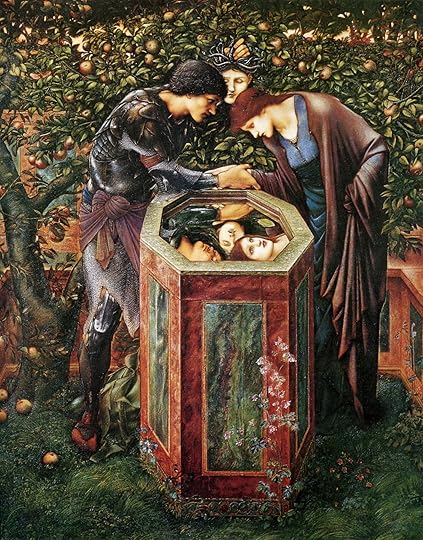
The Baleful Head, Edward Burne-Jones 1886
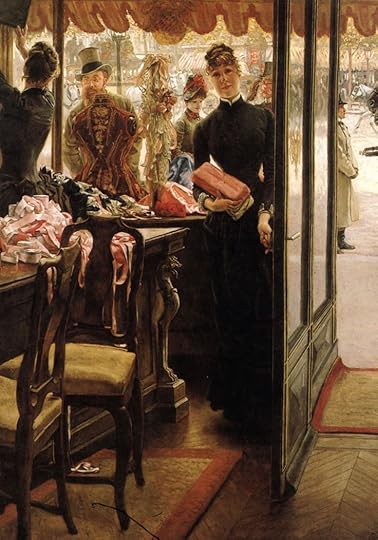
The Shop Girl by Tissot

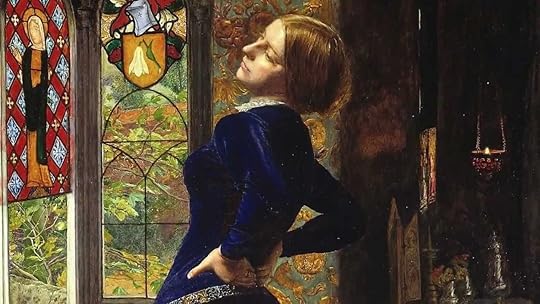
Mariana by Millais 1851

Praxinoscope

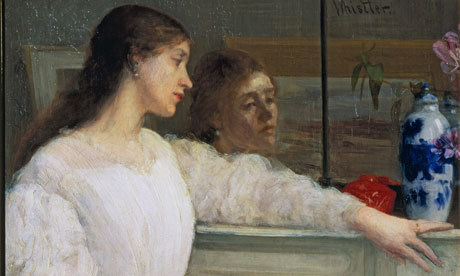
The Little White Girl by Whistler

PART I
FACETS OF GLASS CULTURE:
MAKING AND BREAKING GLASS

PART II
PERSPECTIVES OF THE GLASS PANEL:
WINDOWS, MIRRORS, WALLS

PART III
LENS-MADE IMAGES:
OPTICAL TOYS AND PHILOSOPHICAL INSTRUMENTS


NONFIC NOVEMBER 2015:

CR White Mughals
5* A History of England from the Tudors to the Stuarts
3* Rome and the Barbarians
4* Field Notes From A Hidden City
3* The King's Jews: Money, Massacre and Exodus in Medieval England
CR A History of Palestine 634-1099
CR Charlotte Brontë: A Life
3* The Alhambra
CR A Long Walk in the Himalaya: A Trek from the Ganges to Kashmir
3* Buddhist Warfare
4* A Gathering of Spoons
AB A Brief History of Roman Britain - Conquest and Civilization
4* Victorian Glassworlds: Glass Culture and the Imagination, 1830-1880
Displaying 1 - 2 of 2 reviews

Can't find what you're looking for?

Get help and learn more about the design.