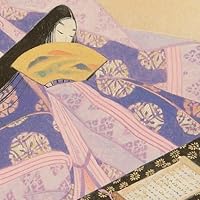
One of the three seminal works of Japanese literature, this beautiful collection of poems and tales offers an unparalleled insight into ancient Japan.Along with the Tale of Genji and One Hundred Poets, One Poem Each, The Tales of Ise is considered one of the three most important works of Japanese literature. A poem-tale collection from the early Heian period, it contains many stories of amorous adventures, faithful friendship and travels in exile, framing the exquisite poems at the work's heart.The Tales of Ise has influenced waka , Noh, tales and diaries since the time it was written, and is still the source of endless inspiration in novels, poetry, manga and cartoons. This volume has been translated by Peter MacMillan and includes a preface by the renowned Japanologist Donald Keene.'MacMillan's Tales of Ise adds to the treasures of Japanese literature that can now be enjoyed in English translation. It is the most poetic translation of this work to date and establishes MacMillan as an outstanding translator of Japanese poetry' - Donald Keene
The Tales of Ise (Ise Monogatari, 伊勢物語) was written during Japan’s early Heian period, most likely in the early to mid tenth century. I read the major 2016 translation by Peter MacMillan, which was highly praised by Donald Keene.
The work is probably not the product of a single author, though it has traditionally been associated with Ariwara no Narihira. In facts it was likely compiled after his lifetime, drawing together poems and anecdotes inspired by Narihara and the culture of his age. He is the ‘hero’, though, of most if not all of the episodes.
“Rapidly flowing waters, scattering blossoms, the passing years that age us so—which of these would heed, should we ask them to wait?”
Literarily, The Tales of Ise belongs to the refined court culture of the Heian aristocracy, where waka poetry formed a central part of social and emotional life. The text is among the earliest and most important examples of the uta monogatari (‘poem tale’) genre, combining brief prose narratives with poems to create a sequence of loosely connected episodes rather than a single continuous plot. The compressed, minimalist style of the poetry, filled with delicate seasonal imagery and fleeting emotional impressions, are qualities that later became central to works such as The Tale of Genji (Genji Monogatari, 源氏物語) and to classical Noh drama.
The work predates The Tale of Genji, and several episodes in Genji either allude directly to The Tales of Ise or appear to draw inspiration from it.
“Most of the time I do not delight in watching the moon, for with each round it makes, the older we become.”
The episodes themselves tend to fall into several recurring categories: erotic and romantic encounters; friendship; the beauty of the natural world and the passing of the seasons; and scenes from the life of a venerable old man. All of them involve the exchange or composition of poems.
The erotic / romantic episodes are the most memorable and have had the deepest cultural afterlife. Many became part of the background of Japanese literature and culture, shaping later conventions of love, longing, elegance, and transience for centuries afterward.
“For the most part, they devoted themselves to drinking and composing poems in the Japanese style.”
The Tales of Ise is a series of short episodes, each blending brief prose with evocative poetry. The tales follow a recurring male protagonist as he traverses the landscape of Heian Japan, engaging in romantic encounters that range from fleeting trysts to profound, unrequited loves. The stories are set against a backdrop of historically significant locations—most notably Ise, the site of the great shrine, but also the imperial capitals and the provinces.
Macmillan’s translation highlights the interplay between love, nature, and the sacred, which is central to the work’s appeal. The narrative often juxtaposes the protagonist’s romantic adventures with meditations on the transience of life and the beauty of the natural world, themes that are emblematic of the miyabi aesthetic of the Heian court. The poetry is marked by its indirectness and emotional resonance, inviting readers to interpret the layers of meaning and to appreciate the quiet, melancholic beauty that pervades the text.
A particularly memorable episode involves the protagonist’s encounter with the Priestess of Ise, where the boundary between dream and reality blurs, and the exchange of poems between the lovers underscores the fleeting, almost surreal quality of their connection. Macmillan’s translation brings out the poignancy of these moments, making the emotions accessible to modern readers while preserving the original’s delicate ambiguity.
The Tales of Ise succeeds not only as a faithful translation but as a literary work in its own right, offering contemporary audiences a window into the refined sensibilities and emotional landscape of Heian Japan. The collection’s influence is evident in the way it established literary conventions—such as the use of nature imagery and the theme of impermanence—that would shape Japanese literature for centuries to come.
Oh my god? I didn’t want a physical copy of a book right this instant as I want this one now. This felt like the primer I needed to read and experience to be able to appreciate the rest of Japanese classical poetry and literature. I think Im bound for a reread of Genji Monogatari, and the poems of the Hyakunin Isshu. Jeez.
Id give this a 5 stars but I still love the Pillow Book better lol.