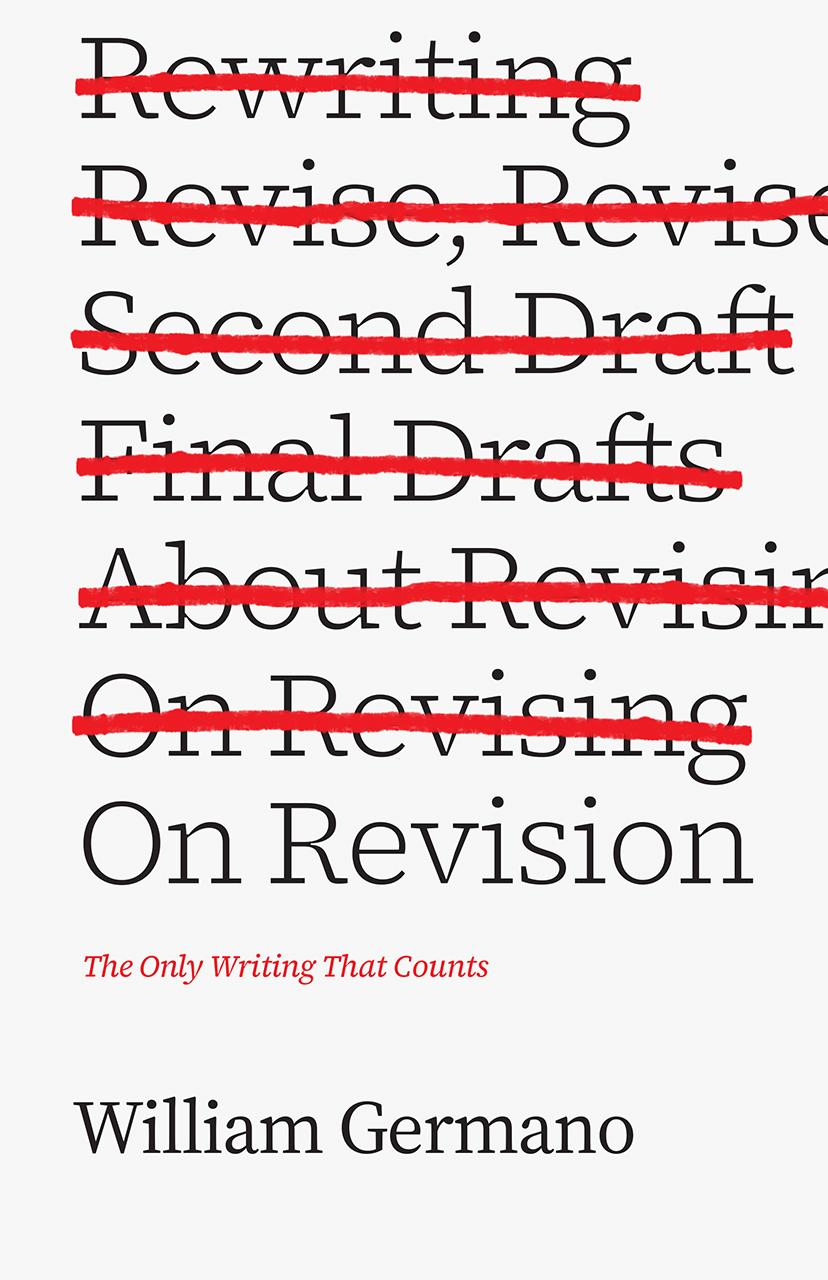
What a dreadful piece of pure puff this book is. You know the type of thing. You could probably write it yourself. Writers are wonderful; you are wonderful; what you are doing is wonderful. Some things are terrible. Here is a list. Here is a metaphor. Here are two sides of a point.
This is the kind of thing this book says: "Writing isn't ever easy, but it's just a bit more difficult for scholars, and that's the way scholars like it". Or "Now take a walk around the block or get a good night's sleep. When you're feeling fresh, the coffee is ready, and the desk is cleared, roll up your sleeves. That's the hardest part of writing , and it's the hardest part of revising, too."
But leave aside the awful smug tone of this puff piece and you'll find it is just plain wrong. The thrust of the author might be said to be that non-fiction should always contain an argument, have an architecture and know its readership. Really? I dispute all three of those. When writing I do not know my readership, it is when giving a talk that I know who my talk is for because that is a very limited number of people. All gathered together in one place and if I get it wrong I am in for trouble. But how can I know the readership of my writing? Since anyone can pick my book up at some unknown point in the future, how does writing for them help me? Great if I do know my readership, but honestly, not the most important thing compared with say, whether the text is entertaining, or makes the reader feel good about reading it.
About half way through this airy breeziness I began to really dislike this book. By the time it gets into depth with its first point, the importance of argument, it is entirely satisfied with both having the cake and eating it. For example, most readers will be familiar with the 'straw man' argument - not this author, who glibly sets up multiple straw men to casually knock them down one after another in his certainty that we need to make our writing into an argument. For example: "Readers want to know what your point is. Readers aren't passive recipients." Well, actually, that is exactly what they are! What if the reader knows exactly what your point is, and hates it? What if they know roughly what your point is, already? What if they don't know what your point is, and don't care? "You need to know your argument better than your reader does" we are brightly informed. There seems to be no awareness of the reality of persuasion here; no awareness that we humans have an awful tendency to make up our minds despite the argument, not because of it. This author either does not know that or, I rather suspect, does not care.
So ignore me, because I really do not like this book. I'm prejudiced. Make up your own mind. But just be warned. Because I think you will not like it either.