Jump to ratings and reviews
Rate this book

Sacred Legacy: Edward S. Curtis And The North American Indian

Rate this book
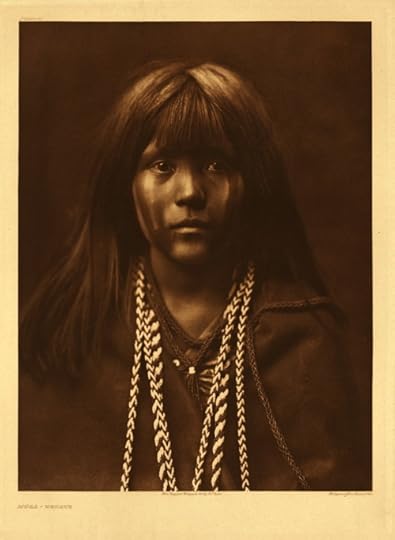
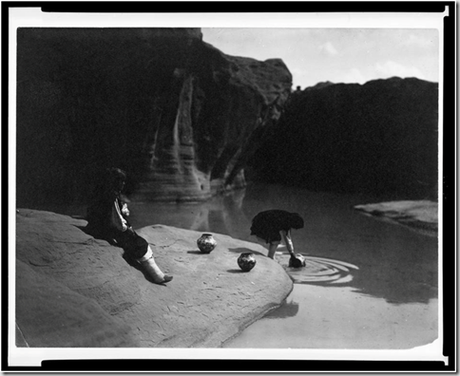
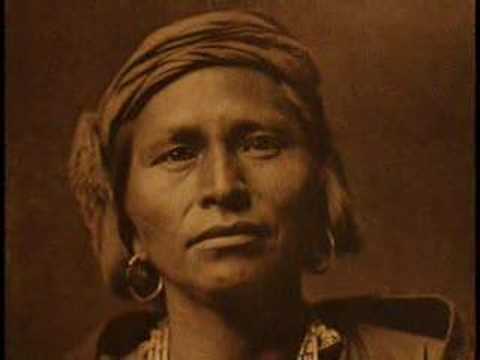
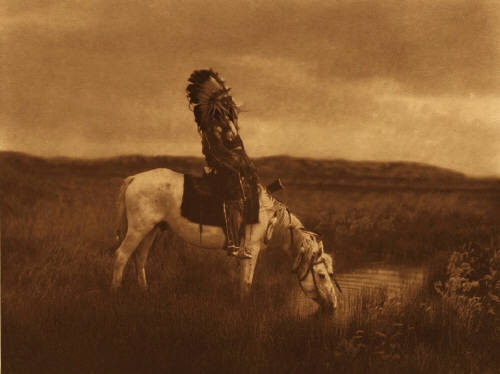
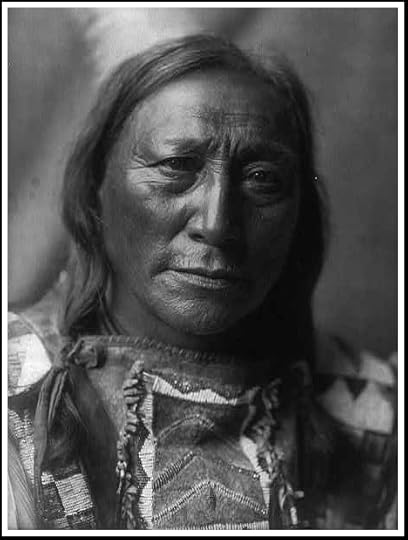
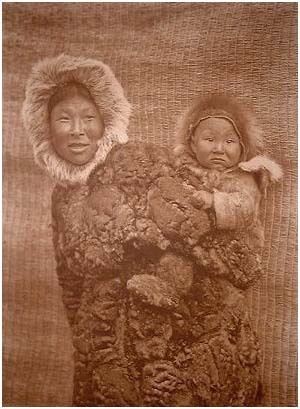
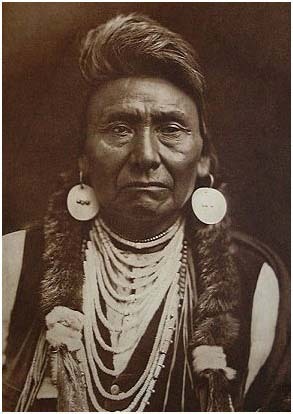
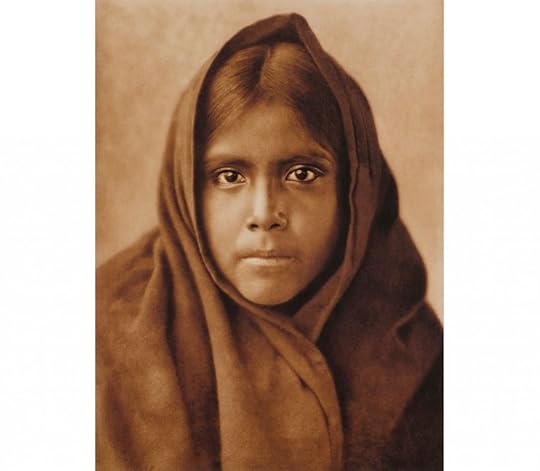
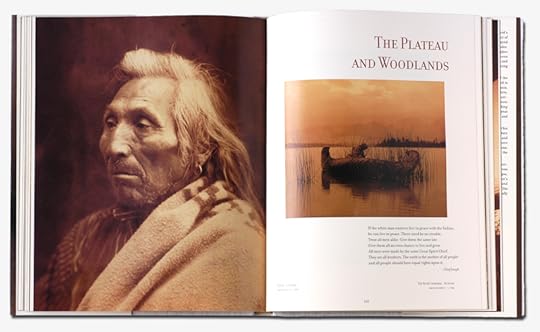
One hundred years ago, Edward Sheriff Curtis began a thirty-year odyssey to photograph and document the lives and traditions of the Native peoples of North America. This monumental project was hailed by The New York Herald as "the most gigantic undertaking since the making of the King James edition of the Bible." In this landmark volume, almost 200 of the finest examples of Cu rt is's photographs are reproduced with startling fidelity to his original prints. Produced to the very highest standards, Sacred Legacy presents Curtis's work without compromise for the first time in the modern era. Taken together, these profound images constitute no less than the core and essence of his life's work. Until now, virtually none of Curtis's photographs have been reproduced in a manner that captures the clarity and richness of his original master prints. In Sacred Legacy, his greatest images are reproduced from the finest source materials available -- a significant number from breathtaking platinum, gold, and silver prints. All have been carefully selected for pub lication and for an accompanying international exhibition by Curtis authority Christopher Cardozo. In an effort to bring a new understanding to Curtis's monumental work, Sacred Legacy was developed according to the organizing principles set forth by the great photographer himself. Following the path la id out in his 20 volume magnum opus, The North American Indian, geographic regions are presented separately and individual tribes within each region are depicted and described. Interspersed between these sections are compelling portrayals of those aspects of life common to all tribes, among them spirituality. ceremony, arts, and the activities of daily life. With The North American Indian, Curtis achieved the an extraordinary 20 -volume set of handmade books composed of nearly 4,000 pages of text and 2,200 images presenting more than 80 of North America's Native nations. Luminous, iconic, and profoundly revealing, the pictures that form the heart of the original project are reproduced here in Sacred Legacy. These extraordinary photographs had an immense impact on the national imagination and continue to shape the way we see Native life and culture. Sacred Legacy is a fitting testament to the profound beauty, meaning, and complexity of Indian life and to Edward S. Curtis -- a man whose wisdom, passion, and strength drove him to devote thirty years to capturing the nobility and pride of the Native peoples of North America. The photographs in this brilliant volume represent the most important presentation of Curtis's work since the publication of the first volume of Me North American Indian nearly a century ago.

192 pages, Hardcover

First published October 13, 2000

3 people are currently reading
107 people want to read

About the author

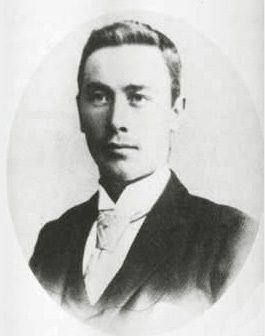
Edward S. Curtis

213 books38 followers
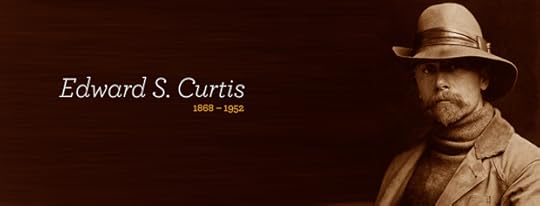
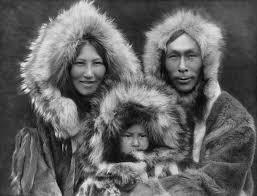
Beginning in 1900 and continuing over the next thirty years, Edward Sheriff Curtis, or the “Shadow Catcher” as he was later called by some of the tribes, took over 40,000 images and recorded rare ethnographic information from over eighty American Indian tribal groups, ranging from the Eskimo or Inuit people of the far north to the Hopi people of the Southwest. He captured the likeness of many important and well-known Indian people of that time, including Geronimo, Chief Joseph, Red Cloud, Medicine Crow and others. This monumental accomplishment is comprised of more than 2,200 sepia toned photogravures bound in twenty volumes of written information and small images and twenty portfolios of larger artistic representations.

Edward S. Curtis was born near Whitewater, Wisconsin in 1868. His father, a Civil War veteran and a Reverend, moved the family to Minnesota, where Edward became interested in photography and soon constructed his own camera and learned how to process the prints. At the age of seventeen he became an apprentice photographer in St. Paul. The family moved near Seattle, Washington, where Edward purchased a second camera and bought a half interest in a photographic studio. He married and the couple had four children.

In 1898 while photographing on Mt. Rainier, Curtis encountered a group of prominent scientists who were lost, among them George Bird Grinnell, a noted Indian expert, who became interested in Curtis’ work and invited him to photograph the Blackfeet Indian people in Montana two years later. It was there that Curtis practiced and developed his photographic skills and project methodology that would guide his lifetime of work among the other Indian tribes.

Such a massive project is almost incomprehensible in this day and age. In addition to the constant struggle for financing, Curtis required the cooperation of the weather, vehicles, mechanical equipment, skilled technicians, scholars and researchers and the Indian tribes as well. He dispatched assistants to make tribal visits months in advance. With the proper arrangements Curtis would travel by horseback or horse drawn wagon over paths or primitive “roads” to visit the tribes in their home territory. Once on site Curtis and his assistants would start work by interviewed the people and then photographing them either outside, in a structure, or inside his studio tent with an adjustable skylight. Employing these and other techniques over his lifetime he captured some of the most beautiful images of the Indian people ever recorded.

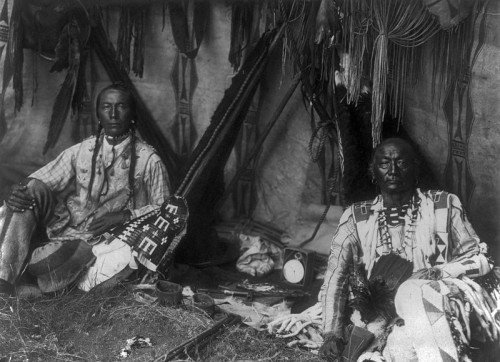
One of Curtis’ major goals was to record as much of the people’s way of traditional life as possible. Not content to deal only with the present population, and their arts and industries, he recognized that the present is a result of the past, and the past dimension must be included, as well. Guided by this concept, Curtis made 10,000 wax cylinder recordings of Indian language and music. In addition he took over 40,000 images from over 80 tribes, recorded tribal mythologies and history, and described tribal population, traditional foods, dwellings, clothing, games, ceremonies, burial customs, biographical sketches and other primary source information: all from a living as well as past tradition. Extending the same principle to the photographs, he presented his subjects in a traditional way whenever possible and even supplied a bit of the proper clothing when his subjects had none. Reenactments of battles, moving camp, ceremonies and other past activities were also photographed. These efforts provided extended pleasure to the elders and preserve a rare view of the earlier ways of the people.

With the publication of volume twenty in 1930, the years of struggle finally took their toll with Curtis suffering a physical and nervous break down. The declining interest in the American Indian, the Great depression, and other negative forces slowed, then halted the successful financial completion of the project. Less than 300 sets

Ratings & Reviews

What do you think?
Rate this book

Friends & Following

Create a free account to discover what your friends think of this book!

Community Reviews

5 stars
40 (58%)
4 stars
23 (33%)
3 stars
5 (7%)
2 stars
0 (0%)
1 star
0 (0%)
Displaying 1 - 14 of 14 reviews
Profile Image for Owlseyes .
1,805 reviews306 followers
Want to read
June 13, 2021


A 6th grader by education, Curtis made his this colossal enterprise of photographing these ("all intact") tribes of native american Indians, whose culture ran the risk of disappearing. Photos, as well as the recording of songs and rituals.

His photos impressed many, even the financier J. P. Morgan, who, quite reluctantly at first, finally agreed to finance the Curtis project.

Twenty volumes, as output. More than 40,000 photos, "for ever".


202 reviews1 follower
April 7, 2023
I was very moved by my visit to the Scottsdale Museum of the West, and specifically the Edward Curtis exhibition. I finished the Sacred Legacy book, and the photos and accompanying backup regarding the culture and lives of the North American Indians whom he grew to know, was a real education for me. The beauty and texture of Curtis' photos in memorable and makes me want to learn more. He was truly a master of his craft and an important contributor to his historic study.
Profile Image for Jeff Elliott.
328 reviews12 followers
August 14, 2015
This is likely the best way to try to get a good look at Curtis' photos. The text is minimal and repeats what has been found elsewhere but the photos have to be viewed in this larger context in order to really appreciate them.
Profile Image for Ty.
2 reviews1 follower
March 12, 2008
Most beautiful photographs/portraits I've ever seen.
Profile Image for Dan Trefethen.
1,218 reviews76 followers
June 16, 2021
Yes, it's a coffee table book, but it's one that showcases a worldwide touring show of Edward S. Curtis's photos of the North American Indians, as he called them. Large, beautiful photos, with enough text to give you context on Curtis's life and 25 year effort to assemble his 20-volume study, which is now considered one of the landmarks of American publishing.

One of the nice things is that it has a few short essays by the descendant of one of the men captured in Curtis's photographs, telling how the photographs and ethnographic knowledge that Curtis recorded in his text has been very meaningful to his family and tribe. He also provides background on the lifestyles we see in the photos.
Profile Image for Eric.
70 reviews2 followers
October 29, 2018
A beautiful book showing breathtaking portraits and lifestyle photographs of the Native Americans. Having lived on the Navajo reservation for four months I have a special affinity towards them.

I had never heard of Edward Curtis before, but he spent 25 years photographing Native Americans. It turned into a 20 volume collection and these photos are the highlights. I hope to look through the large volume someday.
Profile Image for Rene Ijzermans.
535 reviews10 followers
August 30, 2025
Adembenemend mooi zwart-wit beeldmateriaal over levens en tradities van inheemse volkeren van Noord-Amerika van begin vorige eeuw. De verbluffende getrouwheid van fotografische beelden zoog me mee in de spiritualiteit, ceremonies, kunst en de dagelijkse activiteiten van de Noord-Amerikaanse indiaan. Ik kwam dit imposante boek tegen in de lobby van een doorsnee hotel en had de grootste moeite dit prachtboek voor andere gasten achter te laten.
Profile Image for Katie.
33 reviews
July 19, 2024
This book is hauntingly beautiful. The portraits that Curtis captured are stunning. They are literally talking to you through the pages begging you for help. The landscapes are so alluring and show the wildness of the land. Such a wonderful book, I’m so glad I bought this.
Profile Image for Vincent Fong.
92 reviews5 followers
October 13, 2021
Third and probably fianl book on Curtis. The info is balanced and spot-on, the printing is excellent.
49 reviews5 followers
January 7, 2014
The strength of this book is also it's weakness. The photos are gorgeous but very little information or context is given. The pictures were taken by Edward Curtis in the late 19th and early 20th centuries of Native Americans in traditional dress. The photos are very high quality and gives a great look at how natives looked and some amount of their daily lives. Pottery and housing are also photographed. But again, there is not much in the way of information about the various tribes.
Profile Image for Jeanne.
1,515 reviews
August 24, 2015
The perfect visual companion to the audiobook I'm listening to, "Short nights of the shadow catcher."
64 reviews
May 25, 2016
Amazing collection of photographs that really brought the story I just read in a different book about Edward Curtis to life. Exquisite portraits and snapshots back in time.
Displaying 1 - 14 of 14 reviews

Can't find what you're looking for?

Get help and learn more about the design.