

What do you think?

The Rough Guide to the Velvet Underground
Sporting shades and a feedback-heavy sounds, the Velvets straddled art and rock, changing popular music forever, and sowing the seeds for punk, grunge and thousands of countercultural four-chord wonders. The Rough Guide to The Velvet Underground The Velvet How Lou Reed, Sterling Morrison, John Cale and the others emerged from the New York scene, their successes and excesses and what happened to each in their solo years. Velvet From their 1967 debut with Nico to their 1993 reunion with all the tales behind the tunes. Velvet Everybody who was anybody in the Velvet’s world, taking in Andy Warhol, Edie Sedgwick, David Bowie, Delmore, Schwaretsz and Brian Eno. Velvet The “Underground” on screen, the Velvets’ New York, clubs, influences, covers, websites and more.
- GenresMusicNonfiction
312 pages, Paperback
First published January 1, 2007
About the author
Peter Hogan
244 books56 followersPeter Kenneth Hogan is an English writer and comics creator who started out as editor of cult political British comic Revolver in 1990–1991, before working for 2000 AD and American comic book publishers Vertigo and America's Best Comics.
Ratings & Reviews
Friends & Following
Create a free account to discover what your friends think of this book!
Community Reviews
Displaying 1 - 6 of 6 reviews

August 20, 2014
This is a really solid guide to all VU music, but I got to say that as I plodded through the endless section on solo albums (didn’t these buggers crank it out?) I got the DISTINCT IMPRESSION that Peter Hogan wasn’t much of a fan of John Cale OR Nico OR Lou Reed. In fact it became quite funny :
On John Cale solo albums
Church of Anthrax : the results resemble the more annoying kind of jazz-rock fusion that was then fashionable
The Acadamy in Peril : In all, the album is disappointing
Slow Dazzle : sounds a lot less impressive now than it did then
Sabotage : the album is not one that one tends to return to
Honi Soit : the material was again substandard
Music for a New Society : sadly most of its songs were mournful ballads that meandered along without much of a tune
Caribbean Sunset : distinctly below average
Artificial Intelligence : Unfortunately once again they’re (the songs) distinctly average
Walking on Locusts : sadly, Cale’s first “proper” solo outing since Artificial Intelligence isn’t much of an improvement
On Nico solo albums
The Marble Index : One reason for the album’s short running time is thought to be that neither producer Mohawk nor engineer John Haehny could stand to listen to much more of it.
The End : the songs themselves are plodding, tuneless, and exude nothing but doom and angst.
Drama of Exile : the songs are slightly more tuneful this time around, though only slightly.
Camera Obscura : actual tunes are still thin on the ground
On Lou Reed solo albums :
Lou Reed : the whole album sounds limp and bland
Rock ‘n’ Roll Animal : plodding and uninspired
Sally Can’t Dance : The results are pretty awful
Metal Machine Music : Anyone who’s sat all the way through it feels a real sense of achievement… and also never wants to hear the damn thing ever again
Street Hassle : This was probably valuable therapy, but the rest of us didn’t need to hear it… the album still maintains Reed’s tendency to sink into a quagmire of messy jazz
The Bells : the good tracks aren’t all that great
Legendary Hearts : simply average, and that’s being kind
The Raven : As per usual Reed thought his new album was great… Sadly, he may be the only person who feels that way… It’s the kind of record you play once and file away forever
THERE IS TOO MUCH STUFF
I’m sure all of this griping is very well deserved. Speaking generally, it does seem that many albums get recorded, many paintings painted, many movies made, many novels written not because the people doing them are inspired or excited but because it’s time to remind the industry that they’re still alive, because their kids need to go into rehab (again), because Internal Revenue has just figured out what their accountant’s been doing with their money, and so forth. Inspiration and originality are rare; most artists, if they’re lucky enough to find a voice or a style, take out a copyright and start plagiarising themselves endlessly. The most blatant examples are some beloved 20th century artists like Rothko or De Kooning or Warhol or Liechtenstein or Mondrian – any of them really. Find your thing, then churn out endless slight variations. Not just painters, no – seems to me that the novels of Iris Murdoch are all extremely similar, to mention a “literary” writer – obviously, all genre novels are almost identical, that’s why anyone reads them. As Prince says, there’s joy in repetition.
There’s two things here – the self-xeroxing thing, and also the need to create product for the sake of the market. For rock artists, whether avantish or MOR, it’s still asking a lot for ten or 12 new good songs every 2 years. But they sign these contracts for 6 albums over ten years or whatever, & they have to cough them up. The Kate Bushes and My Bloody Valentines who take 47 years between each album are rare & exotic fauna.
The Velvet Underground didn’t do many albums – four in five years - in that time they sounded like five different bands. Myself I love the earsplitting Sister Ray/White Light White Heat/Heroin stuff; but the soft poignant portraiture like Candy Says can’t be denied either. And I managed to find a couple of solo albums which are wonderful too.
PB’s ROUGHER GUIDE to the INTERMINABLE SOLO YEARS
John Cale : Fear – the whole album is great, every song, every note
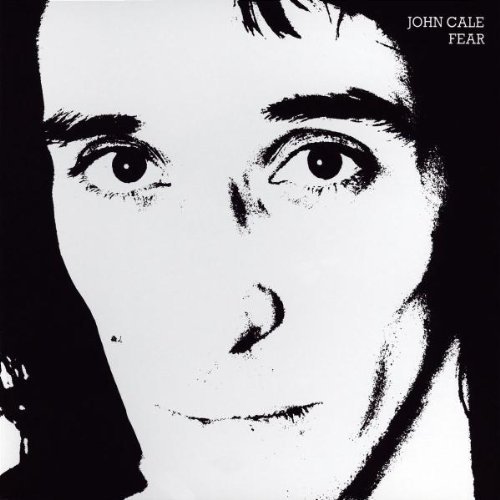
One other unmissable song : Paris 1919 from the album of the same name.
Lou Reed : New York – you want urban grime & bucketfuls of contemptuous lyrics celebrating New York at its squalid 80s nadir? One stop shop.
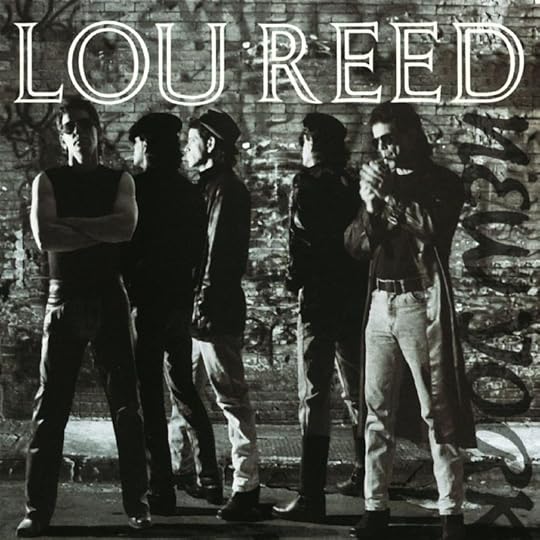
One other unmissable song : Satellite of Love from Transformer
Nico : Desertshore – this is the great Nico album, there is one! Every song is chilling and extremely beautiful.
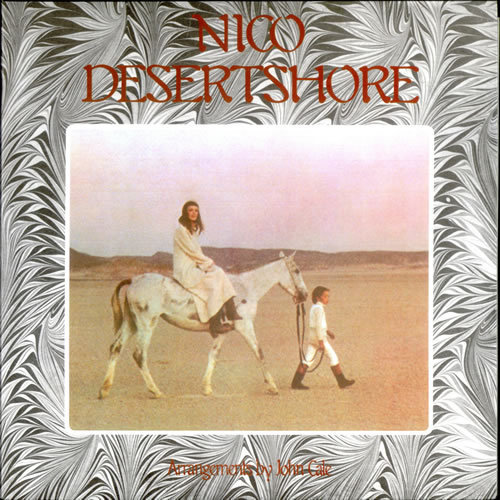
One other unmissable song : Das Lied der Deutschen from the album The End. The weight of history will be too much for many, but this is so lovely.

June 27, 2013
"The Rough Guide to the Velvet Underground" is just what the title says, a rough guide. Much like a textbook it goes over key events in the band's history as well as individuals that contributed to their legacy. I'm a fan of the book's general style and layout. The purple-on-white color scheme works for me. I also like the large quote layouts on the pages that come before each individual chapter. It's easy to navigate with specific key names bolded and detailed notes blocked off in purple around the two columns of text. Bravo to the design team!! The actual written content is split into three different "parts." Part one is your history. Part two is an in-depth look at the actual music including albums and specific songs. Part 3 offers additional resources. I'll have to admit I read word-for-word through part 1, skimmed through part 2 and found part 3 incredibly helpful. A great book if you're looking to get into this incredibly underrated band.

June 20, 2011
A solid, useful guide to the VU, combining a basic history of the band and its members' solo careers with a full discography and analysis. Very readable, with sidebars on Factory denizens and other peripheral characters, and doesn't get mired in trivia -- although reading capsules about each of John Cale's seemingly dozens of albums can be wearing.

March 21, 2009
Probably the best book I've come across regarding the Velvets- a decent overview of their history, albums, and solo careers that refreshingly steers clear of many of the myths and embellishments that plague books of this kind.

June 19, 2009
It skimmed through the most important bits too much, but I suppose that's what rough guides are there for. Real fans probably want to get a biography.
March 27, 2014
Very informative, but lots of editorial voice. Somewhat biased.
Displaying 1 - 6 of 6 reviews