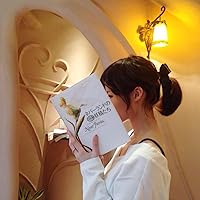
Keigo Higashino (東野 圭吾) is one of the most popular and biggest selling fiction authors in Japan—as well known as James Patterson, Dean Koontz or Tom Clancy are in the USA.
Born in Osaka, he started writing novels while still working as an engineer at Nippon Denso Co. (presently DENSO). He won the Edogawa Rampo Prize, which is awarded annually to the finest mystery work, in 1985 for the novel Hōkago (After School) at age 27. Subsequently, he quit his job and started a career as a writer in Tokyo.
In 1999, he won the Mystery Writers of Japan Inc award for the novel Himitsu (The Secret), which was translated into English by Kerim Yasar and published by Vertical under the title of Naoko in 2004. In 2006, he won the 134th Naoki Prize for Yōgisha X no Kenshin. His novels had been nominated five times before winning with this novel.
The Devotion of Suspect X was the second highest selling book in all of Japan— fiction or nonfiction—the year it was published, with over 800,000 copies sold. It won the prestigious Naoki Prize for Best Novel— the Japanese equivalent of the National Book Award and the Man Booker Prize. Made into a motion picture in Japan, The Devotion of Suspect X spent 4 weeks at the top of the box office and was the third highest‐grossing film of the year.
Higashino’s novels have more movie and TV series adaptations than Tom Clancy or Robert Ludlum, and as many as Michael Crichton.
Mình hơi bất ngờ về cuốn sách này, bởi nhân vật thám tử trong cuốn sách này là Matsumiya Shuhei - người đã từng xuất hiện trong Tập 7 红手指series về thanh tra Kaga Kyoichiro, đồng thời Matsumiya cũng là em họ của Kaga. Câu chuyện bắt đầu từ một người phụ nữ được tìm thấy đã chết với con dao đâm ở lưng. Theo những manh mối, cảnh sát đã truy tìm ra được hai nghi phạm khả nghi nhất: một người đàn ông thường đến cửa hàng của nạn nhân, và chồng cũ của nạn nhân. Đồng thời, Matsumiya sẽ đối mặt với một sự thật về cha của anh ta.
Xen kẽ với nhiều góc nhìn khác nhau - hai câu chuyện. Với nhịp truyện vừa phải, cũng như phần điều tra ban đầu đủ thú vị - dần lật mở từng vấn đề của nhân vật. Mình thương cảm cho hoàn cảnh của ông Shiomi (nghi phạm), những gì ông ấy và người vợ đã mất đã trải qua quá đau lòng, đứa con là những gì họ ao ước và cũng là điều khó có thể chạm tới. Mình tiếc cho cuộc hôn nhân của ông Watanuki (nghi phạm) và bà Yayoi (nạn nhân). Và một người đặc biệt mà mình CỰC KÌ TIẾC NUỐI!!! Con người đôi khi chỉ mong muốn thứ gọi là "hạnh phúc", nhưng đối với người đó mình rất tiếc, cuộc sống đôi khi thật tàn nhẫn.
Ngoài việc nhân vật Matsumiya có câu chuyện ngoài lề về cha của anh ta, thì mình không ấn tượng gì với Matsumiya, trong khi Kaga là nhân vật phụ lại nổi trội hơn. :)))
Khi qua được 50% nội dung, thì một người được cho là hung thủ đã lộ diện. Từ đây, những phần còn lại của câu chuyện bắt đầu đi vào phân tích tâm lí, cũng như tất cả sự thật đằng sau vụ án được hé lộ. Mình ngạc nhiên khi mọi thứ được ghép lại một cách hoàn hảo, mình cũng đoán sai tét bét. Tâm lí của những nhân vật được miêu tả đầy cảm động. Sau cùng, mình tin rằng chỉ cần người cha người mẹ và những đứa con của họ luôn nhớ đến nhau, thứ gọi là "sợi chỉ hi vọng" sẽ luôn bền chặt và không bao giờ đứt.
I don't always like Keigo Higashino's books but Threads of Hope really is an enjoyable read. Better still, I happens to have visited those few locations which are mentioned in the story as well.
Outline of the story: a 50-something cafe owner was found stabbed to death in her kitchen, the police investigators learned the victim was well liked by her customers and there was seemingly no suspect who might hate her enough to do murder. Soon, the police noticed the victim's ex-husband and one of her frequent male customers were behaving strangely, were the two men hiding something?
The male customer in question, was also having problem with his teenage daughter since his wife died due to illness, so what was his motive to get close to the café owner?
Meanwhile, one of the police investigators also received a phone call from a hotel owner who he had never heard of before, the older woman had shocking news for him.
Most of the story is doing great, I really like the police investigation part of the story, the final explanation for the murder mystery is logical and well planned as well, I do like how the , but the last 10 or so pages of the story, I don't like it so much, too much lecturing instead of story telling. *sighs*
L’inspecteur Kaga est maintenant chef de la division des meurtres à Tokyo. Il a sous ses ordres son neveu Matsumiya qui va devoir enquêter suite au meurtre d’une propriétaire de salon de thé et à propos de son père.
J’ai aimé que ce roman débute des années auparavant, rappelant que les séismes sont mortels au Japon.
J’ai aimé découvrir petit à petit les différents personnages et leurs liens dans cette affaire de meurtre.
J’ai eu de la peine pour Mona, l’enfant de remplacement, et pour son père qui ne sait pas comment parler à sa fille adolescente maintenant que sa mère est morte.
J’ai aimé la victime et sa joie de vivre que l’on découvre à travers les témoignages des personnes la connaissant.
J’ai aimé que Kaga soit en retrait de l’enquête et que se soient Matsumiya et Hasébé qui s’en chargent ; j’ai aimé cette confiance entre eux.
Les deux enquêtes tournent autour de la grossesse et de l’avortement, des bébés et des jeunes filles qui ont leurs règles sans pouvoir en parler à leur père.
L’explication sur le titre Le fil de l’espoir ne vient qu’à la fin du roman. Une très belle image.
L’image que je retiendrai :
Celle du baseball, jeu auquel jouait Matsumiya adolescent, et qui le relie à son père.
Po tomie 7 (Akai yubi) serii o Kadze złapałem przez pomyłkę z półki tom 11, ale zanim się zorientowałem byłem już w połowie, no trudno. Kaga zresztą jest tu postacią trzecioplanowa i niestety stał się takim wujem zza biurka. Głównym śledczym jest Matsumiya, którego poznaliśmy w Akai yubi. Tak jak w tamtej powieści tutaj też mamy próbę połączenia sprawy kryminalnej z osobistą historią policjantów.
No niestety, ale tym razem się nie udało. Zdarzyło mi się czytać średnie Higashiny, ale takiego nothingburgera to się po nim nie spodziewałem. Kei-chan idzie po linii najmniejszego oporu sięgając po zabiegi rodem z piątego sezonu Dynastii. Nie zliczę ile tutaj ciąż, aborcji, poronień, sztucznych zapłodnień - jednym słowem drama z przeceny plus gdzieś tam niby jakieś morderstwo też mamy, ale wszystko wyjaśnia się właściwie w połowie (sprawca się przyznaje i to już właściwie to wszystko). Motywacje postaci są kompletnie od czapki, a co gorsza w przypadku takich jak ta obyczajówek wychodzi jak bardzo Kei-chan nie umie w postaci kobiece. Na dokładkę mamy tu też kilka scen seksu i o ja cię, proszę nigdy więcej:
"- Pamiętasz co ci mówiłem? - zapytał ją w trakcie stosunku z nieco spiętą miną. - O tym, że chcę mieć dzieci. - Pamiętam - skinęła głową. - Ja też chcę. - A chciałabyś je mieć że mną? - Oczywiście - Cudownie. Objęła go i złożyła ręce za jego plecami, w myślach modląc się, by udało się jej zajść w ciążę."
J’ai bien aimé ce nouveau tome! L’enquête est plutôt simple, mais les secrets qui l’entourent sont intéressants, je n’avais jamais lu un roman avec une proposition comme celui-ci.
Ça serait seulement le fun qu’Actes Sud publie les tomes dans l’ordre… Même s’il s’agit d’enquêtes indépendantes, j’ai toujours l’impression de ne pas comprendre certaines allusion au passé du personnage de Kaga.
J'aurais pu mettre 3⭐ parce que même si c'était pas exceptionnel ça se laissait lire, mais les 30 dernières pages... Passons les généralisations savoureuses du type "les femmes resteront toujours un mystère pour les hommes." Déjà on m'avait promis un maître du thriller psychologique, mais j'ai trouvé l'intrigue hyper banale et traitée de manière assez superficielle. J'avais plus ou moins deviné ce qui allait se passer dès le prologue. Cependant, l'écriture était agréable et j'appréciais le côté détaché, très procédurier et l'ambiance discussions nocturnes dans des restaurants de poisson. Mais la fin en mode soap opera m'a ôté le peu de plaisir que je retirais de cette lecture. L'enchaînement de révélations ne m'a ni émue ni surprise et surtout la façon dont est traité l'homosexualité d'un des personnages m'a fortement déplu. Bref, une déception malheureusement.
This entire review has been hidden because of spoilers.
Sợi Dây Hi Vọng - Higashino Keigo Kaga #11 Tập hay nhất trong series Kaga mà mình được đọc. Mặc dù trọng tâm được chuyển sang người em họ, thanh tra Matsumiya. Nhưng tinh thần cốt yếu vẫn được giữ nguyên vẹn: những câu chuyện cảm động chạm vào trái tim độc giả.
Mối quan hệ giữa con người luôn kết lại thành một sợi dây. Dù mong manh, dù xa cách nhưng luôn mang lại hi vọng.
Những sợi dây ấy đôi khi đan vào nhau, trở nên rối rắm khiến ta đôi lúc cảm thấy mệt mỏi, khó chịu, đôi khi lẫn lộn dẫn đến những hiểu lầm khó lòng hòa giải. Nhưng may mắn cho những nhân vật trong truyện. Họ có một thanh tra Matsumiya cố chấp với trực giác của mình đến phút cuối cùng. Anh lại gỡ rối những sợi dây ấy, giúp họ nhận ra những sợi dây ấy quan trọng như thế nào với bản thân. Làm ta không thể quên thanh tra Kaga trong "Người Mới Đến" cũng đã giúp cho những con người luôn bất đồng ấy thấu hiểu nhau hơn. Mình thích tác phẩm này như vậy, thì ra nó gợi nhớ mình đến "Người Mới Đến", thanh tra Matsumiya đúng là đã nối tiếp truyền thống của người anh họ mình. Không chỉ là phá án mà còn làm nhiệm vụ của một "người hòa giải".
Cuộc sống này luôn đầy những rối ren, sợi dây hi vọng liên kết có thể đứt lìa bất cứ khi nào. Tiếc là ngoài đời không có một Kaga hay Matsumiya nào. Nên người hàn gắn nó chỉ có thể là bản thân mình, điều đáng buồn là chúng ta thường không thể làm được gì. Thanh tra Kaga và Matsumiya như ước mơ của bác Keigo cũng như nhiều độc giả về một "người hòa giải" cho những hiểu lầm của xã hội này.
Après une lecture très intense, j’avais envie d’un polar plus “léger”, et ce livre semblait parfait pour ça. Malheureusement, l’expérience a été plutôt décevante.
Le début m’a déjà laissée un peu à distance : tout va très vite, les événements s’enchaînent sans qu’on ait vraiment le temps de s’attacher aux personnages. Par la suite, le rythme devient au contraire très lent, mais sans vraie montée de tension. Il ne se passe pas grand-chose, ou du moins pas de manière suffisamment prenante pour créer du suspense.
L’intrigue repose beaucoup sur des coïncidences et des révélations que j’ai trouvées assez tirées par les cheveux. Certaines relations entre les personnages m’ont semblé caricaturales, et leurs réactions parfois peu crédibles, voire complètement surréalistes. L’émotion, qui semble être au cœur du récit, m’a plutôt paru mielleuse et forcée, au point d’en devenir écœurante.
J’ai aussi eu du mal avec certaines sous-intrigues, notamment celle liée au père de Matsumiya, que j’ai trouvée inutile et donnant l’impression de simplement remplir des pages.
La fin a été particulièrement laborieuse : à plusieurs reprises, j’ai cru arriver au dernier chapitre… pour me rendre compte qu’il y en avait encore un, puis encore un autre. J’ai fini par lire les dernières pages en diagonale, juste pour en finir.
Ce n’est pas un mauvais livre en soi — il est fluide et facile à lire — mais il manque cruellement de tension, de profondeur et de crédibilité pour vraiment marquer. Je l’ai terminé, mais plus par volonté que par réel intérêt.
When we think of crime scene, murder cases, etc. there are many people interlinked and knotted together in a chaos just like threads. And the protagonist is mostly the hero who manages to cut the correct thread to untangle the chaos and satisfy the reader. What I truly like about the author is not only the storytelling or creativity, but that he creates all the individual characters who struggle and overthink on their own, creating misunderstandings which result in a heavy crime. It's not just one case with one sinner. In the end, the case may be solved and the "bad guy" caught, but the reader should still keep thinking about what is more important than just the case itself.
While some points felt too exaggerated, I still enjoyed reading this book much. I also loved how the book presented different ideas of family and love, besides the interesting murder case.