

What do you think?

Analectas
En la historia de la humanidad son muy pocos los libros que han ejercido tanta influencia sobre más personas y durante más tiempo que el Luen Yu o Analectas de Confucio. Nacido en el 551 a. C., Dong Tse, conocido en su época como "El Maestro", puede considerarse uno de los más importantes filósofos de todos los tiempos, a la par que un extraordinario conocedor y analista de la naturaleza humana, cuyo legado sigue presente como un invalorable modelo de sabiduría aplicable en el ámbito de la reflexión ética y política, y cuya vigencia en cuanto a los problemas abordados es hoy la misma que hace veinticinco siglos. En cuanto al texto, éste consiste en una serie de sentencias breves, pequeños diálogos y anécdotas, que fueron recopilados por dos generaciones sucesivas de discípulos a lo largo de unos 75 años después de la muerte de su maestro, considerándose el único testimonio donde podemos encontrarnos un Confucio vivo y real. Asimismo, hay que destacar la magnífica traducción, plena de rigor y lucidez, que convierten esta versión en una de las más importantes nunca publicadas, permitiendo una lectura ágil y directa.
256 pages, Paperback
First published January 1, 476
Ratings & Reviews
Friends & Following
Create a free account to discover what your friends think of this book!
Community Reviews
Displaying 1 - 30 of 1,415 reviews

February 21, 2019
“Is it not indeed a pleasure to acquire knowledge and constantly to exercise oneself therein?”
It really is. It’s a noble pursuit, forever trying to learn and improve and become the best you possible. And in a way, that’s the main drive behind these teachings: self-improvement.
I’ve met so many people in my life that never reached their potential or realised it. So many people don’t dare to try. Growing up, I had some real intelligent friends who could have gone on to do wonderful things, but they were too lazy to exercise themselves (physically and mentally) to achieve what they ought to have done. They quit school or they didn’t put any effort into work. They ended up in a dead-end job when they could have done so much more with themselves had they the will and the drive to succeed and become the best version of themselves. People give up all too easy and settle for less. It’s sad to see.
And this book pushes against such a defeatist mindset, it argues through strength of virtue that we can become more contended with life. We can succeed and we can be happy. Continued effort is all aspects of life is the key, continued effort in maintaining family relationships and mastering abilities are essential for developing strong moral character. Education, and an exploration of literature, are the quintessential ingredients to be able to utilise these effectively. All in all, knowledge is everything.
“When everyone hates a person, you should investigate thoroughly, and when everyone loves a person, you should also investigate thoroughly.”
This gives one the integrity to observe the world in their own personal way and to make their own decisions about the people in it. Being guided by others is easy, we need the strength of character to make judgements based upon what we see and what we think. And that’s rather important because only then can we develop wisdom and come to understand the world. The words of Confucius are timeless in this regard, they are true, and they are very powerful in the right hands.
For me, this was quite a refreshing read. Lately, I feel like the world is full of negativity and defeat. These ideas give me hope that one day we may be better. Confucius held a strong ideal for man, and although he didn’t think his ideals were necessarily rewarding, I think there’s much to be learnt from them.
It really is. It’s a noble pursuit, forever trying to learn and improve and become the best you possible. And in a way, that’s the main drive behind these teachings: self-improvement.
I’ve met so many people in my life that never reached their potential or realised it. So many people don’t dare to try. Growing up, I had some real intelligent friends who could have gone on to do wonderful things, but they were too lazy to exercise themselves (physically and mentally) to achieve what they ought to have done. They quit school or they didn’t put any effort into work. They ended up in a dead-end job when they could have done so much more with themselves had they the will and the drive to succeed and become the best version of themselves. People give up all too easy and settle for less. It’s sad to see.
And this book pushes against such a defeatist mindset, it argues through strength of virtue that we can become more contended with life. We can succeed and we can be happy. Continued effort is all aspects of life is the key, continued effort in maintaining family relationships and mastering abilities are essential for developing strong moral character. Education, and an exploration of literature, are the quintessential ingredients to be able to utilise these effectively. All in all, knowledge is everything.
“When everyone hates a person, you should investigate thoroughly, and when everyone loves a person, you should also investigate thoroughly.”
This gives one the integrity to observe the world in their own personal way and to make their own decisions about the people in it. Being guided by others is easy, we need the strength of character to make judgements based upon what we see and what we think. And that’s rather important because only then can we develop wisdom and come to understand the world. The words of Confucius are timeless in this regard, they are true, and they are very powerful in the right hands.
For me, this was quite a refreshing read. Lately, I feel like the world is full of negativity and defeat. These ideas give me hope that one day we may be better. Confucius held a strong ideal for man, and although he didn’t think his ideals were necessarily rewarding, I think there’s much to be learnt from them.

February 11, 2017
子曰:「唯上知與下愚不移。」
The Master said, 'It is only the most intelligent and the most stupid who are not susceptible to change."
- Confucius, The Analects, XVII.3

I rarely re-read books. An exception to this rule are ethical or religious texts. I love Meditations by Marcus Aurelius and will read this in dribs and drabs throughout the year. The same is true of the New Testament, the Wisdom Books, Psalms, parts of the Book of Mormon, and the Analects. I am drawn to some of the more universal teachings in these books (the Golden Rule seems to find a spot everywhere).
Anyway, I'm still trying to avoid thinking too much about Trump by reading a book a day and so I figured this was a good time to read, again, the Analects* (I'm working on a longer book so, I rely on the help of smaller books to keep me one my 1-per-day pace). I am not sure if I've come across a translation I prefer, but I've read several now. Because I don't actually read Chinese, I'm not I guess looking for the perfect translation. I'm looking for one that seems to dance with the right amount of poetry and truth. I'm getting closer and feel as I read the different translations I can circle around some of the truth of what was originally spoken without ever hearing the original text. For example, consider the opening quote:
The Master said, "There are only the wise of the highest class, and the stupid of the lowest class, who cannot be changed."
- James Legge translation
Confucius said: “Only the most wise and the most foolish do not change.”
- A. Charles Muller translation
The Master said, "It is only the most intelligent and the most stupid who are not susceptible to change."
- Lau translation
* With Trump's art of the deal, I'm expecting us to belong to the Chinese in a year or two, so the more I understand of the Chinese the better I'll be treated in the reconditioning camps, me thinks.
The Master said, 'It is only the most intelligent and the most stupid who are not susceptible to change."
- Confucius, The Analects, XVII.3
I rarely re-read books. An exception to this rule are ethical or religious texts. I love Meditations by Marcus Aurelius and will read this in dribs and drabs throughout the year. The same is true of the New Testament, the Wisdom Books, Psalms, parts of the Book of Mormon, and the Analects. I am drawn to some of the more universal teachings in these books (the Golden Rule seems to find a spot everywhere).
Anyway, I'm still trying to avoid thinking too much about Trump by reading a book a day and so I figured this was a good time to read, again, the Analects* (I'm working on a longer book so, I rely on the help of smaller books to keep me one my 1-per-day pace). I am not sure if I've come across a translation I prefer, but I've read several now. Because I don't actually read Chinese, I'm not I guess looking for the perfect translation. I'm looking for one that seems to dance with the right amount of poetry and truth. I'm getting closer and feel as I read the different translations I can circle around some of the truth of what was originally spoken without ever hearing the original text. For example, consider the opening quote:
The Master said, "There are only the wise of the highest class, and the stupid of the lowest class, who cannot be changed."
- James Legge translation
Confucius said: “Only the most wise and the most foolish do not change.”
- A. Charles Muller translation
The Master said, "It is only the most intelligent and the most stupid who are not susceptible to change."
- Lau translation
* With Trump's art of the deal, I'm expecting us to belong to the Chinese in a year or two, so the more I understand of the Chinese the better I'll be treated in the reconditioning camps, me thinks.

March 31, 2021
4 ⭐
Update 17/4/21: Read alongside the free LibriVox audio recording, translated by William Jennings and read by Jing Li. While I preferred Annping Chin's translation, Jing Li performs an excellent reading of Jenning's work and it was great for reinforcing what I'd already read.
A little bit of History:
Confucius (aka. Kong Fuzi) was a Chinese philosopher and minor government official in the State of Lu, born midway through the 6th Century BCE and active for approximately 20 years into the 5th century BCE. This era is referred to as the Spring and Autumn Period, a violent and divided time in China in which any remnants of symbolic control that the surviving line of the great Zhou kings possessed had been entirely undermined and centuries of civil-war had broken the kingdom into 14 feudal states run autonomously by lesser Dukes and brazen Aristocratic (hereditary) families who would openly try to wrestle power from their rulers. A lack of strong and virtuous leadership led to the moral decline of the people. Society was no longer in harmony and Confucius believed the only means of restoring the Way was by returning leadership to the righteous who would lead by example “using the past as a mirror”, building on the ritual practices and cultural vestiges of their ancestors. As a minor government official and later advisor, Confucius had a great level of success and when the neighbouring state of Qi realised that he was trying to restore full power to the Duke by destabilising the hereditary families (an action that would bring together and strengthen the State of Lu), they devised a cunning (and rather far-fetched) plan to weaken the faith that Confucius had in the Duke. The plan involved a gift of 100 fine horses and 80 dancing girls which, to Confucius distaste, had the Duke neglecting his official duties for 3 days. Confucius left office and went into exile in order to seek better opportunities elsewhere and for years he would travel with his three favourite disciples (Zigong, Zilu and Yan Hui) across the 8 smaller principality States, expounding his political and philosophical beliefs. Upon his return to the State of Lu, at the age of 68, Confucius never again sought a position in government, but this didn’t stop government officials from regarding him as guolao or “elder statesmen” and regularly benefitting themselves with his sagacious advice. Aside from his unofficial advisory role, Confucius spent the rest of his days educating an ever-increasing number of disciples on the ideas of virtue and the moral requisites for serving in government. Confucius was a master of guiding his disciples each according to his temperaments. An example of this is the passage 11.22 in which Zilu and Ran You ask the exact same question and get opposing answers designed to get the exact same result from each disciple.
Like the works of Jesus or Socrates, Confucius’ Analects were not written by the man himself but by his disciples after his death. A number of disciples thought to have been responsible for drafting early version of the Analects are You Ruo, Zixia, Zizhang and Ziyou.
Ideas/Philosophy:
Much of Confucius’ philosophy on how one should conduct themselves seems elementary, at times, but it’s important to remember that this probably wasn’t the case 2500 years ago and China was in a magnified state of moral decline. The key ideas in Confucianism include:
Introspection, virtue, integrity, respect, courage, humaneness, empathy, trustworthiness (actions speak louder than words), fairness (incl. meritocracy), morality over profitability, filial piety, ritual propriety, gentlemanship (the superior man) and a love of learning.
These last four are the most critical and come up time and time again throughout the analects.
Love of learning, as Confucius regards it, should be an unquenchable thirst for the acquisition of knowledge. Learning, not for the admiration of others but for oneself. Finding joy and freedom in education and balance and perspective through knowledge of the rites are fundamental ideas within the text.
”The Master said: “Is it not a pleasure to learn [xue] and, when it is timely, to practice what you have learned? Is it not a joy to have friends coming from afar? Is it not gentlemanly not to become resentful if no one takes notice of your learning?”
The Junzi or gentleman, in Confucius eyes is a man with impeccable integrity and moral acuity. Such a man is affable, kind, respectful, fair-minded, generous and wise. The term junzi could also be translated as the “superior man” or “lofty-minded” and is often used in direct opposition to xiaoren, meaning “petty man” or “small-minded”. In his time Confucius, incredibly, changed the definition and use of the word “gentleman”. Earlier, a suitable word only for those that were born into a position of authority or power but then re-evaluated as a term referring to any man with the personal attributes required to hold a position in government. This is the earliest account of a belief in meritocracy that I have heard. A man well and truly ahead of his time yet, ironically, stuck in (and obsessed) with the past.
The passages referring to filial piety are not so recurring but Confucius’ thoughts on the matter are summed up succinctly and, honestly, it’s had an instant and tangible effect on my thoughts regarding family and respect for one’s parents. Not in the sense that I lacked respect in the first place, but it made me reflect on Western society’s tendency to place our parents in aged care once they become too heavy a burden to bear. Well, I’d never given it much thought but now that I have, I couldn’t stand to put my Mum in aged care and actually decided, while reading the Analects, that I’ll never do it. Confucius believes that respect and loyalty for our leaders is cultivated at family level (If you don’t respect your parents than you’ll never respect any form of authority). This was very “lecture-y” to me and not just a little bit too subservient to authority but it’s understandable given the era that the ideas were conceived. There are fundamental differences between the relationships between father-son and ruler-subject, in my opinion. At one stage, Confucius states, ”Where I came from, those who are considered upright… cover up for their sons. And sons cover up for their fathers.” This type of loyalty can only be found in the relationship between oneself and friend/family, I would never expect such loyalty from the State.
There is also an interesting passage in which Confucius makes a clear distinction between ones relationship to a friend and to family saying, ”friends are drawn together by their sense of rightness; brothers stay together because of the love and affection they have for each other”. A later prominent Confucian, Mencius, expands on this saying, father and son would be at odds if they were to tax each other over a moral issue. It is for friends to demand goodness from each other. For father and son to do so would seriously undermine the love between them.” I really like the idea of unconditional love for one’s family regardless of how you perceive their goodness or lack thereof. Having said that, it doesn’t align with Confucius’ opinion that one should strive to improve the moral grounding of the leader they serve.
”A gentleman looks after the roots. With the roots firmly established, a moral way will grow. Is it not true then that being filial to one’s parents and being respectful to one’s elders are the roots of one’s humanity [ren]?”
If you did a word count of the Analects, I daresay, Ritual propriety would be the most frequent term by far. Confucius believed, strongly, that one should cultivate virtue through the study and familiarity with the odes (‘Book of Poetry’, ‘Sayings of the State’ and the ‘I-Ching’ etc.) and to steady (or check) oneself with relation to the rites/guiding principles (‘Book of Rites’, ‘Doctrine of the Mean’ or ‘Book of Etiquette’ etc.).
”Learn the odes and let the rites guide your conduct to the proper measure.”
”The gentleman broadens his learning in literature and holds himself back with the practice of the rites. And so he is able not to go beyong the grounds of the moral way.”
The main elements of Ritual propriety, or Li, are ceremony, ritual, decorum, rules of propriety, good form and good custom. These are the foundation of the Confucian human-centred (as opposed to worship of a deity) “religion” and the idea is heavily influential in Chinese society, to this day.
Confucianists vs. Taoist:
As I’ve discussed, Confucianism focuses on societal etiquette, ritual propriety and moral values. On the other hand, Taoism advocates simplicity and taking the path of least resistance.
I have found, in a number of texts now, allusions to a 2pac/Biggie, East-side/West-side style beef between the followers of Confucianism and Taoism. There are even rumours that some of the more unflattering passages of The Analects were fabricated and inserted by Daoists or other rival schools. This might be the case, but in terms of the founders of both philosophies, I have to say, I see an acknowledgement of obvious, fundamental differences but, otherwise, nothing but mutual respect and, in some cases, even admiration.
Confucius mentions, on a number of occasions, individuals that may have been old Taoist sages and at no stage does he speak of them in a derogatory sense. Quite the opposite actually. He only acknowledges that where they were quite happy to exclude themselves from the toxicity of public life and live as hermits, he would prefer to be involved in public life, and more specifically politics, where he was better able to make positive change. In D.C.Lau’s translation of the ‘Tao Te Ching’, Confucius was said to be absolutely awestruck by and unable to comprehend the potentially mythical Lao Tzu.
This respect seems to stem from Confucius’ belief that these men, these recluses ”all know to adjust the length of their garment to the depth of the water – letting themselves steep in the world when virtue is high and plenty, and lifting themselves up when virtue is shallow and scarce.”
Commentary:
Annping Chin's commentary augments the text, wonderfully. It's illuminating and absolutely essential to attaining a deeper understanding of the Analect's contributors and the nuances of the Spring and Autumn period in China. Different interpretations are offered up from multiple scholars followed by Chin’s opinion and a brief explanation of how she came to such conclusions. The ambiguous nature of the Chinese characters in the original text often lead to some wildly differing translations. The commentary that Chin refers to most commonly is that of Liu Baonan, a scholar and author of ‘The Correct Meaning of The Analects’, the most detailed scholarly commentary on The Analects written in premodern China and she makes sure to acknowledge this towards the back of the book. I would say the next 2 most prominent sources are ‘The Commentary of Zuo’, an Ancient Chinese narrative history of the Spring and Autumn Annals, and commentary by Mencius, a 4th generation disciple of Confucius, often referred to as the “Second Sage”, placed after Confucius alone.
Confucius, himself, did not believe that he developed any of his own ground-breaking ideas, saying:
“I transmit but do not innovate. I love antiquity and have faith in it.”
Regardless, as key editor and teacher of the Ancient Rites he has had an influence in death that he never saw come to fruition in his lifetime and there are still kernels of ageless wisdom in The Analects that we can learn from today. A timeless classic of Chinese Philosophy.
Update 17/4/21: Read alongside the free LibriVox audio recording, translated by William Jennings and read by Jing Li. While I preferred Annping Chin's translation, Jing Li performs an excellent reading of Jenning's work and it was great for reinforcing what I'd already read.
A little bit of History:
Confucius (aka. Kong Fuzi) was a Chinese philosopher and minor government official in the State of Lu, born midway through the 6th Century BCE and active for approximately 20 years into the 5th century BCE. This era is referred to as the Spring and Autumn Period, a violent and divided time in China in which any remnants of symbolic control that the surviving line of the great Zhou kings possessed had been entirely undermined and centuries of civil-war had broken the kingdom into 14 feudal states run autonomously by lesser Dukes and brazen Aristocratic (hereditary) families who would openly try to wrestle power from their rulers. A lack of strong and virtuous leadership led to the moral decline of the people. Society was no longer in harmony and Confucius believed the only means of restoring the Way was by returning leadership to the righteous who would lead by example “using the past as a mirror”, building on the ritual practices and cultural vestiges of their ancestors. As a minor government official and later advisor, Confucius had a great level of success and when the neighbouring state of Qi realised that he was trying to restore full power to the Duke by destabilising the hereditary families (an action that would bring together and strengthen the State of Lu), they devised a cunning (and rather far-fetched) plan to weaken the faith that Confucius had in the Duke. The plan involved a gift of 100 fine horses and 80 dancing girls which, to Confucius distaste, had the Duke neglecting his official duties for 3 days. Confucius left office and went into exile in order to seek better opportunities elsewhere and for years he would travel with his three favourite disciples (Zigong, Zilu and Yan Hui) across the 8 smaller principality States, expounding his political and philosophical beliefs. Upon his return to the State of Lu, at the age of 68, Confucius never again sought a position in government, but this didn’t stop government officials from regarding him as guolao or “elder statesmen” and regularly benefitting themselves with his sagacious advice. Aside from his unofficial advisory role, Confucius spent the rest of his days educating an ever-increasing number of disciples on the ideas of virtue and the moral requisites for serving in government. Confucius was a master of guiding his disciples each according to his temperaments. An example of this is the passage 11.22 in which Zilu and Ran You ask the exact same question and get opposing answers designed to get the exact same result from each disciple.
Like the works of Jesus or Socrates, Confucius’ Analects were not written by the man himself but by his disciples after his death. A number of disciples thought to have been responsible for drafting early version of the Analects are You Ruo, Zixia, Zizhang and Ziyou.
Ideas/Philosophy:
Much of Confucius’ philosophy on how one should conduct themselves seems elementary, at times, but it’s important to remember that this probably wasn’t the case 2500 years ago and China was in a magnified state of moral decline. The key ideas in Confucianism include:
Introspection, virtue, integrity, respect, courage, humaneness, empathy, trustworthiness (actions speak louder than words), fairness (incl. meritocracy), morality over profitability, filial piety, ritual propriety, gentlemanship (the superior man) and a love of learning.
These last four are the most critical and come up time and time again throughout the analects.
Love of learning, as Confucius regards it, should be an unquenchable thirst for the acquisition of knowledge. Learning, not for the admiration of others but for oneself. Finding joy and freedom in education and balance and perspective through knowledge of the rites are fundamental ideas within the text.
”The Master said: “Is it not a pleasure to learn [xue] and, when it is timely, to practice what you have learned? Is it not a joy to have friends coming from afar? Is it not gentlemanly not to become resentful if no one takes notice of your learning?”
The Junzi or gentleman, in Confucius eyes is a man with impeccable integrity and moral acuity. Such a man is affable, kind, respectful, fair-minded, generous and wise. The term junzi could also be translated as the “superior man” or “lofty-minded” and is often used in direct opposition to xiaoren, meaning “petty man” or “small-minded”. In his time Confucius, incredibly, changed the definition and use of the word “gentleman”. Earlier, a suitable word only for those that were born into a position of authority or power but then re-evaluated as a term referring to any man with the personal attributes required to hold a position in government. This is the earliest account of a belief in meritocracy that I have heard. A man well and truly ahead of his time yet, ironically, stuck in (and obsessed) with the past.
The passages referring to filial piety are not so recurring but Confucius’ thoughts on the matter are summed up succinctly and, honestly, it’s had an instant and tangible effect on my thoughts regarding family and respect for one’s parents. Not in the sense that I lacked respect in the first place, but it made me reflect on Western society’s tendency to place our parents in aged care once they become too heavy a burden to bear. Well, I’d never given it much thought but now that I have, I couldn’t stand to put my Mum in aged care and actually decided, while reading the Analects, that I’ll never do it. Confucius believes that respect and loyalty for our leaders is cultivated at family level (If you don’t respect your parents than you’ll never respect any form of authority). This was very “lecture-y” to me and not just a little bit too subservient to authority but it’s understandable given the era that the ideas were conceived. There are fundamental differences between the relationships between father-son and ruler-subject, in my opinion. At one stage, Confucius states, ”Where I came from, those who are considered upright… cover up for their sons. And sons cover up for their fathers.” This type of loyalty can only be found in the relationship between oneself and friend/family, I would never expect such loyalty from the State.
There is also an interesting passage in which Confucius makes a clear distinction between ones relationship to a friend and to family saying, ”friends are drawn together by their sense of rightness; brothers stay together because of the love and affection they have for each other”. A later prominent Confucian, Mencius, expands on this saying, father and son would be at odds if they were to tax each other over a moral issue. It is for friends to demand goodness from each other. For father and son to do so would seriously undermine the love between them.” I really like the idea of unconditional love for one’s family regardless of how you perceive their goodness or lack thereof. Having said that, it doesn’t align with Confucius’ opinion that one should strive to improve the moral grounding of the leader they serve.
”A gentleman looks after the roots. With the roots firmly established, a moral way will grow. Is it not true then that being filial to one’s parents and being respectful to one’s elders are the roots of one’s humanity [ren]?”
If you did a word count of the Analects, I daresay, Ritual propriety would be the most frequent term by far. Confucius believed, strongly, that one should cultivate virtue through the study and familiarity with the odes (‘Book of Poetry’, ‘Sayings of the State’ and the ‘I-Ching’ etc.) and to steady (or check) oneself with relation to the rites/guiding principles (‘Book of Rites’, ‘Doctrine of the Mean’ or ‘Book of Etiquette’ etc.).
”Learn the odes and let the rites guide your conduct to the proper measure.”
”The gentleman broadens his learning in literature and holds himself back with the practice of the rites. And so he is able not to go beyong the grounds of the moral way.”
The main elements of Ritual propriety, or Li, are ceremony, ritual, decorum, rules of propriety, good form and good custom. These are the foundation of the Confucian human-centred (as opposed to worship of a deity) “religion” and the idea is heavily influential in Chinese society, to this day.
Confucianists vs. Taoist:
As I’ve discussed, Confucianism focuses on societal etiquette, ritual propriety and moral values. On the other hand, Taoism advocates simplicity and taking the path of least resistance.
I have found, in a number of texts now, allusions to a 2pac/Biggie, East-side/West-side style beef between the followers of Confucianism and Taoism. There are even rumours that some of the more unflattering passages of The Analects were fabricated and inserted by Daoists or other rival schools. This might be the case, but in terms of the founders of both philosophies, I have to say, I see an acknowledgement of obvious, fundamental differences but, otherwise, nothing but mutual respect and, in some cases, even admiration.
Confucius mentions, on a number of occasions, individuals that may have been old Taoist sages and at no stage does he speak of them in a derogatory sense. Quite the opposite actually. He only acknowledges that where they were quite happy to exclude themselves from the toxicity of public life and live as hermits, he would prefer to be involved in public life, and more specifically politics, where he was better able to make positive change. In D.C.Lau’s translation of the ‘Tao Te Ching’, Confucius was said to be absolutely awestruck by and unable to comprehend the potentially mythical Lao Tzu.
This respect seems to stem from Confucius’ belief that these men, these recluses ”all know to adjust the length of their garment to the depth of the water – letting themselves steep in the world when virtue is high and plenty, and lifting themselves up when virtue is shallow and scarce.”
Commentary:
Annping Chin's commentary augments the text, wonderfully. It's illuminating and absolutely essential to attaining a deeper understanding of the Analect's contributors and the nuances of the Spring and Autumn period in China. Different interpretations are offered up from multiple scholars followed by Chin’s opinion and a brief explanation of how she came to such conclusions. The ambiguous nature of the Chinese characters in the original text often lead to some wildly differing translations. The commentary that Chin refers to most commonly is that of Liu Baonan, a scholar and author of ‘The Correct Meaning of The Analects’, the most detailed scholarly commentary on The Analects written in premodern China and she makes sure to acknowledge this towards the back of the book. I would say the next 2 most prominent sources are ‘The Commentary of Zuo’, an Ancient Chinese narrative history of the Spring and Autumn Annals, and commentary by Mencius, a 4th generation disciple of Confucius, often referred to as the “Second Sage”, placed after Confucius alone.
Confucius, himself, did not believe that he developed any of his own ground-breaking ideas, saying:
“I transmit but do not innovate. I love antiquity and have faith in it.”
Regardless, as key editor and teacher of the Ancient Rites he has had an influence in death that he never saw come to fruition in his lifetime and there are still kernels of ageless wisdom in The Analects that we can learn from today. A timeless classic of Chinese Philosophy.

July 30, 2013
It’s depressing to think that the teachings of Confucius constituted a religion in most of East Asia – i.e. they were wise sayings and stories of a great man from a certain time, that have been selectively reinterpreted by kings and heads of state, force-fed to generations of schoolchildren in various eras as a substitute for original thought, and generally manipulated out of context to subjugate a nation into obedience over and over again.
That’s probably why many Chinese intellectuals and progressives (who have not studied The Analects objectively, or perhaps cannot) abhor Confucius and consider his teachings part of the machinery of imperialism and feudal tyrants.
Note that my five-star rating is not for The Analects per se, but specifically for the edition with Simon Leys’ excellent translation and notes (see below for more details).
Three Things you need to know about Confucius:
1) Though he is lauded as China's Supreme Teacher, his goal in life was to be a politician and he failed at that. He basically believed he was the Hari Seldon of China (witnessing the crumbling of the Zhou dynasty, his Heavenly mission was to “revive [the Duke of Zhou’s] grand design, restore the world order under a new ethical basis, and salvage the entire civilization”). That’s why he educated and built up a ‘cabinet’ of disciples around him in order to usher in a new model government*.
2) The Analects are to Confucius as the Gospels are to Jesus: not written by him personally, but a record of his sayings and deeds compiled by (in Confucius’ case) a group of his disciples and grand-disciples.
3) Confucius lived and taught in the 6th century BCE. To put things in perspective, that’s when Buddha and Zoroaster were active, and 10 years after Confucius dies, Socrates is born. That means these teachings in the Analects are old. As Mr. Leys states in his introduction, “no book in the entire history of the world has exerted, over a longer period of time, a greater influence on a larger number of people than this slim volume."
* Ironically, this led to the failure of his political career, because Confucius and his disciples threatened the incompetent incumbents and thus were not offered positions in court.
Ideas
- The greatest innovation Confucius devised is inventing his own occupation of the private teacher.
- Confucius’ second most revolutionary idea was redefining the term 君子 (junzi, meaning nobleman / gentleman) to mean anyone who was educated and moral, so that commoners could aspire to become junzi and join the ruling class even though they were not born to aristocratic families.
Selected Quotes from The Analects
Each of the 20 chapters contains passages on various topics; they are largely not organised thematically. For my own records, I’ve included one or two sample quotes that represent(s) one of the strong themes from each chapter.
Chapter 1: virtue
1.9. Master Zeng said: “When the dead are honored and the memory of remote ancestors is kept alive, a people’s virtue is at its fullest."
1.16. The Master said: “Don’t worry if people don’t recognize your merits; worry that you may not recognize theirs."
Chapter 2: filial piety
2.6. Lord Meng Wu asked about filial piety. The Master said: “The only time a dutiful son ever makes his parents worry is when he is sick."
Chapter 3: ritual
3.13. Wangsun Jia asked: “What does this saying mean: ‘Flatter the god of the kitchen rather than the god of the house’?" The Master said: “Nonsense. If you offend Heaven, prayer is useless.”
(Translation note) Wangsun Jia: minister of Duke Ling of Wei, to whose court Confucius had come, seeking employment. The proverbial saying which W is quoting here is an expression of cynical folk wisdom: rather ingratiate yourself with the servants who can feed you than with their master, whose distant benevolence is of no practical use. The exact intention of Wangsun Jia is not clear. Either he is asking advice for the advancement of his own career: should he court the favour of the duke (“the god of the house”) or of his favorite (“the god of the kitchen”)? Or, under the guise of a question, he may be addressing a veiled warning to Confucius: Do not trust the duke too much; if you wish to succeed here, it is with me you will have to deal. The question may be ambiguous, but the answer is clear: Confucius condemns all opportunistic maneuvers––the only right policy is to follow the dictates of morality. – See why Leys is a delightful guide for this voyage?
Chapter 4: ren, i.e. humanity, benevolence
4.16. The Master said: “A gentleman considers what is just; a small man considers what is expedient."
Chapter 5: evaluating the disciples
5.10. Zai Yu was sleeping during the day. The Master said: “Rotten wood cannot be carved; dung walls cannot be troweled. What is the use of scolding him?"
The Master said: “There was a time when I used to listen to what people said and trusted that they would act accordingly, but now I listen to what they say and watch what they do. It is Zai Yu who made me change."
Chapter 6: modesty
6.15. The Master said: “Meng Zhifan was no boaster. In a rout, he remained behind to cover the retreat. It was only upon reaching the city gate that he spurred his horse and said: “It was not courage that kept me at the rear, but the slowness of my horse."
Chapter 7: Confucius on himself
7.7. The Master said: “I never denied my teaching to anyone who sought it, even if he was too poor to offer more than a token present for his tuition."
7.27 The Master fished with a line, not with a net. When hunting, he never shot a roosting bird.
Chapter 8: cultivation
8.17. “Learning is like a chase in which, as you fail to catch up, you fear to lose what you have already gained."
Chapter 9: gentlemen do not specialise
9.7. Lao said: “The Master said that his failure in public life forced him to develop various skills."
Chapter 10: Confucian humanism
10.17. The stables burned. The Master left court and asked: “Was anyone hurt?” He did not inquire about the horses.
Note that in Confucius’s time, a horse was much more valuable than a stable hand.
Chapter 11: moderation is best
11.16. Zigong asked: “Which is the better: Zizhang or Zixia?” The Master said: “Zizhang overshoots and Zixia falls short.” Zigong said: “Then Zizhang must be the better?” The Master said: “Both miss the mark."
Chapter 12: ritual is preferable to laws
12.13. The Master said: “I could adjudicate lawsuits as well as anyone. But I would prefer to make lawsuits unnecessary."
Chapter 13: principles of government
13.1. Zilu asked about government. The Master said: “Guide them. Encourage them.” Zilu asked him to develop these precepts. The Master said: “Untiringly."
13.6. The Master said: “He is straight: things work out by themselves, without his having to issue orders. He is not straight: he has to multiply orders, which are not being followed anyway."
Chapter 14: loyalty
14.22. Zilu asked how to serve a prince. The Master said: “Tell him the truth even if it offends him."
Chapter 15: discouraging glib talk
15.41. The Master said: "Words are merely for communication."
Chapter 16: learning
16.9. Confucius said: “Those who have innate knowledge are the highest. Next come those who acquire knowledge through learning. Next again come those who learn through the trials of life. Lowest are the common people who go through the trials of life without learning anything."
Chapter 17: polite insult
17.20. Ru Bei wanted to see Confucius. Confucius declined on the grounds of illness. As Ru Bei’s messenger was leaving, the Master took up his zithern and sang loudly enough for him to hear.
Chapter 18: Confucius withdraws
18.4. The people of Qi sent to Lu a present of singing and dancing girls. Lord Ji Huan accepted them and, for three days, he did not attend court. Confucius left.
Chapter 19: flexibility
19.11. Zixia said: “Major principles suffer no transgression. Minor principles may allow for compromise."
Chapter 20: meaning and function of language
20.3. Confucius said: “He who does not understand fate is incapable of behaving as a gentleman. He who does not understand the rites is incapable of taking his stand. He who does not understand words is incapable of understanding men."
My Reactions
The first thing I need to remember when thinking about Confucius is the context that he lived in. It’s easy to blame him for an East Asian culture where originality and disagreement have been so taboo for so long. In the Warring States era, a feudal society with a high turnover rate of kings and lords, it’s not surprising that harmony was valued (perhaps overvalued) because it was so rare.
Maybe one of the most important myths to debunk about Confucianism is that LOYALTY DOES NOT EQUAL SUBMISSIVENESS. Confucius emphasizes loyalty, and teaches disciples to advise kings to do what is right and to correct them when they are wrong (3.6, 14.22), and he himself stood up to many monarchs in his time. To him, loyalty is to stand by your king and advise him and protect him. It doesn’t mean to obey orders when those orders are immoral. If the foolish king refuses to listen, then it’s time to bounce (and bounce Confucius did, between many kingdoms when he couldn’t get a word in, see 18.4).
Another notable concept absent from The Analects is the concept of punishment. When we today learn about the cruel traditional punishments inflicted by Chinese regimes, or the perverse measures that civil service scholars went to in the name of studiousness, little do we realise Confucius would cringe at such extremities. This punitive culture developed as a result of Legalism, which enforced harsh discipline and helped the state of Qin ascend to empire a couple hundred years after Confucius died.
Further Reading: Mencius, who unified all the fragmented schools of post-Confucianism, and advanced the philosophy in the directions of both politics (opining that the common people were more important than rulers, and legitimising tyrannicide if necessary) and human nature (believing that all people were inherently born good).
Translation
I highly recommend the W. W. Norton edition, with translation and notes by Simon Leys. Most of these sayings are actually responses to certain events, and reading the responses without understanding the events will leave you scratching your head or wanting to ragequit. Leys' extensive notes are excellent; they tell us the stories and explain his rationale as well as what D.C. Lau, Arthur Waley and other previous translators have thought.
It helped that prior to this, I had primed myself with a picture-book version of his life and stories: Confucius – Sage of the Orient by Singaporean publisher Canfonian. (I loved these books growing up! Must buy for future children.)
That’s probably why many Chinese intellectuals and progressives (who have not studied The Analects objectively, or perhaps cannot) abhor Confucius and consider his teachings part of the machinery of imperialism and feudal tyrants.
Note that my five-star rating is not for The Analects per se, but specifically for the edition with Simon Leys’ excellent translation and notes (see below for more details).
Three Things you need to know about Confucius:
1) Though he is lauded as China's Supreme Teacher, his goal in life was to be a politician and he failed at that. He basically believed he was the Hari Seldon of China (witnessing the crumbling of the Zhou dynasty, his Heavenly mission was to “revive [the Duke of Zhou’s] grand design, restore the world order under a new ethical basis, and salvage the entire civilization”). That’s why he educated and built up a ‘cabinet’ of disciples around him in order to usher in a new model government*.
2) The Analects are to Confucius as the Gospels are to Jesus: not written by him personally, but a record of his sayings and deeds compiled by (in Confucius’ case) a group of his disciples and grand-disciples.
3) Confucius lived and taught in the 6th century BCE. To put things in perspective, that’s when Buddha and Zoroaster were active, and 10 years after Confucius dies, Socrates is born. That means these teachings in the Analects are old. As Mr. Leys states in his introduction, “no book in the entire history of the world has exerted, over a longer period of time, a greater influence on a larger number of people than this slim volume."
* Ironically, this led to the failure of his political career, because Confucius and his disciples threatened the incompetent incumbents and thus were not offered positions in court.
Ideas
- The greatest innovation Confucius devised is inventing his own occupation of the private teacher.
- Confucius’ second most revolutionary idea was redefining the term 君子 (junzi, meaning nobleman / gentleman) to mean anyone who was educated and moral, so that commoners could aspire to become junzi and join the ruling class even though they were not born to aristocratic families.
Selected Quotes from The Analects
Each of the 20 chapters contains passages on various topics; they are largely not organised thematically. For my own records, I’ve included one or two sample quotes that represent(s) one of the strong themes from each chapter.
Chapter 1: virtue
1.9. Master Zeng said: “When the dead are honored and the memory of remote ancestors is kept alive, a people’s virtue is at its fullest."
1.16. The Master said: “Don’t worry if people don’t recognize your merits; worry that you may not recognize theirs."
Chapter 2: filial piety
2.6. Lord Meng Wu asked about filial piety. The Master said: “The only time a dutiful son ever makes his parents worry is when he is sick."
Chapter 3: ritual
3.13. Wangsun Jia asked: “What does this saying mean: ‘Flatter the god of the kitchen rather than the god of the house’?" The Master said: “Nonsense. If you offend Heaven, prayer is useless.”
(Translation note) Wangsun Jia: minister of Duke Ling of Wei, to whose court Confucius had come, seeking employment. The proverbial saying which W is quoting here is an expression of cynical folk wisdom: rather ingratiate yourself with the servants who can feed you than with their master, whose distant benevolence is of no practical use. The exact intention of Wangsun Jia is not clear. Either he is asking advice for the advancement of his own career: should he court the favour of the duke (“the god of the house”) or of his favorite (“the god of the kitchen”)? Or, under the guise of a question, he may be addressing a veiled warning to Confucius: Do not trust the duke too much; if you wish to succeed here, it is with me you will have to deal. The question may be ambiguous, but the answer is clear: Confucius condemns all opportunistic maneuvers––the only right policy is to follow the dictates of morality. – See why Leys is a delightful guide for this voyage?
Chapter 4: ren, i.e. humanity, benevolence
4.16. The Master said: “A gentleman considers what is just; a small man considers what is expedient."
Chapter 5: evaluating the disciples
5.10. Zai Yu was sleeping during the day. The Master said: “Rotten wood cannot be carved; dung walls cannot be troweled. What is the use of scolding him?"
The Master said: “There was a time when I used to listen to what people said and trusted that they would act accordingly, but now I listen to what they say and watch what they do. It is Zai Yu who made me change."
Chapter 6: modesty
6.15. The Master said: “Meng Zhifan was no boaster. In a rout, he remained behind to cover the retreat. It was only upon reaching the city gate that he spurred his horse and said: “It was not courage that kept me at the rear, but the slowness of my horse."
Chapter 7: Confucius on himself
7.7. The Master said: “I never denied my teaching to anyone who sought it, even if he was too poor to offer more than a token present for his tuition."
7.27 The Master fished with a line, not with a net. When hunting, he never shot a roosting bird.
Chapter 8: cultivation
8.17. “Learning is like a chase in which, as you fail to catch up, you fear to lose what you have already gained."
Chapter 9: gentlemen do not specialise
9.7. Lao said: “The Master said that his failure in public life forced him to develop various skills."
Chapter 10: Confucian humanism
10.17. The stables burned. The Master left court and asked: “Was anyone hurt?” He did not inquire about the horses.
Note that in Confucius’s time, a horse was much more valuable than a stable hand.
Chapter 11: moderation is best
11.16. Zigong asked: “Which is the better: Zizhang or Zixia?” The Master said: “Zizhang overshoots and Zixia falls short.” Zigong said: “Then Zizhang must be the better?” The Master said: “Both miss the mark."
Chapter 12: ritual is preferable to laws
12.13. The Master said: “I could adjudicate lawsuits as well as anyone. But I would prefer to make lawsuits unnecessary."
Chapter 13: principles of government
13.1. Zilu asked about government. The Master said: “Guide them. Encourage them.” Zilu asked him to develop these precepts. The Master said: “Untiringly."
13.6. The Master said: “He is straight: things work out by themselves, without his having to issue orders. He is not straight: he has to multiply orders, which are not being followed anyway."
Chapter 14: loyalty
14.22. Zilu asked how to serve a prince. The Master said: “Tell him the truth even if it offends him."
Chapter 15: discouraging glib talk
15.41. The Master said: "Words are merely for communication."
Chapter 16: learning
16.9. Confucius said: “Those who have innate knowledge are the highest. Next come those who acquire knowledge through learning. Next again come those who learn through the trials of life. Lowest are the common people who go through the trials of life without learning anything."
Chapter 17: polite insult
17.20. Ru Bei wanted to see Confucius. Confucius declined on the grounds of illness. As Ru Bei’s messenger was leaving, the Master took up his zithern and sang loudly enough for him to hear.
Chapter 18: Confucius withdraws
18.4. The people of Qi sent to Lu a present of singing and dancing girls. Lord Ji Huan accepted them and, for three days, he did not attend court. Confucius left.
Chapter 19: flexibility
19.11. Zixia said: “Major principles suffer no transgression. Minor principles may allow for compromise."
Chapter 20: meaning and function of language
20.3. Confucius said: “He who does not understand fate is incapable of behaving as a gentleman. He who does not understand the rites is incapable of taking his stand. He who does not understand words is incapable of understanding men."
My Reactions
The first thing I need to remember when thinking about Confucius is the context that he lived in. It’s easy to blame him for an East Asian culture where originality and disagreement have been so taboo for so long. In the Warring States era, a feudal society with a high turnover rate of kings and lords, it’s not surprising that harmony was valued (perhaps overvalued) because it was so rare.
Maybe one of the most important myths to debunk about Confucianism is that LOYALTY DOES NOT EQUAL SUBMISSIVENESS. Confucius emphasizes loyalty, and teaches disciples to advise kings to do what is right and to correct them when they are wrong (3.6, 14.22), and he himself stood up to many monarchs in his time. To him, loyalty is to stand by your king and advise him and protect him. It doesn’t mean to obey orders when those orders are immoral. If the foolish king refuses to listen, then it’s time to bounce (and bounce Confucius did, between many kingdoms when he couldn’t get a word in, see 18.4).
Another notable concept absent from The Analects is the concept of punishment. When we today learn about the cruel traditional punishments inflicted by Chinese regimes, or the perverse measures that civil service scholars went to in the name of studiousness, little do we realise Confucius would cringe at such extremities. This punitive culture developed as a result of Legalism, which enforced harsh discipline and helped the state of Qin ascend to empire a couple hundred years after Confucius died.
Further Reading: Mencius, who unified all the fragmented schools of post-Confucianism, and advanced the philosophy in the directions of both politics (opining that the common people were more important than rulers, and legitimising tyrannicide if necessary) and human nature (believing that all people were inherently born good).
Translation
I highly recommend the W. W. Norton edition, with translation and notes by Simon Leys. Most of these sayings are actually responses to certain events, and reading the responses without understanding the events will leave you scratching your head or wanting to ragequit. Leys' extensive notes are excellent; they tell us the stories and explain his rationale as well as what D.C. Lau, Arthur Waley and other previous translators have thought.
It helped that prior to this, I had primed myself with a picture-book version of his life and stories: Confucius – Sage of the Orient by Singaporean publisher Canfonian. (I loved these books growing up! Must buy for future children.)

September 8, 2012
In a class taught by General George S. Patton, IV at the George Washington University in the early 80's, reflecting on his experience in Vietnam, he summarized the failure of US policy in SE Asia as a failure to understand the history and culture of the region.
Years later as I prepared to deploy to Afghanistan it struck me that much of our formal education in my lifetime focused on European and Western philosophers and histories, only perpetuating the vicious cycle which the son of the famous World War II general observed.
In the same sense that reading the Qur'an helped me to gain a deeper understanding and appreciation of the Islamic currents that flow through Afghan and Central Asian culture Confucius provides context that helped in gaining an appreciation of the differences between Asian or Eastern and European or Western thought.
General Stanley McChrystal famously reported in a classified assessment leaked by Bob Woodward and the Washington Post in August 2009 that the US and our NATO allies had the wrong "mindset" for our operations in Afghanistan. Would suggest that our focus on Plato, Aristotle and other European philosophers and their associated political, economic, and military theorists which suited us for combat and commerce in Europe and with Europeans should be balanced with study of Confucius and Asian philosophers if we hope to succeed in a "pivot" to the Asia-Pacific region.
As the philosophy of Plato and Aristotle emerged during a period of conflict between Greek and Persian power so too did Confucius (and Sun Tzu) emerge during the "Waring States" period of Chinese history from roughly 475-221 BCE which interestingly overlaps the emergence of the famous Greek philosophers.
Years later as I prepared to deploy to Afghanistan it struck me that much of our formal education in my lifetime focused on European and Western philosophers and histories, only perpetuating the vicious cycle which the son of the famous World War II general observed.
In the same sense that reading the Qur'an helped me to gain a deeper understanding and appreciation of the Islamic currents that flow through Afghan and Central Asian culture Confucius provides context that helped in gaining an appreciation of the differences between Asian or Eastern and European or Western thought.
General Stanley McChrystal famously reported in a classified assessment leaked by Bob Woodward and the Washington Post in August 2009 that the US and our NATO allies had the wrong "mindset" for our operations in Afghanistan. Would suggest that our focus on Plato, Aristotle and other European philosophers and their associated political, economic, and military theorists which suited us for combat and commerce in Europe and with Europeans should be balanced with study of Confucius and Asian philosophers if we hope to succeed in a "pivot" to the Asia-Pacific region.
As the philosophy of Plato and Aristotle emerged during a period of conflict between Greek and Persian power so too did Confucius (and Sun Tzu) emerge during the "Waring States" period of Chinese history from roughly 475-221 BCE which interestingly overlaps the emergence of the famous Greek philosophers.

December 15, 2015
The term “analects,” in case you were wondering, is defined at dictionary.com as “selected passages from the writings of an author.” I mention this definition here because it seems that the only time we use the term “analects” is when we consider the writings of Confucius. Was there once a larger corpus of writings from Confucius, and is what we have today distilled from some larger body of work? If so, then I wish we had that entire larger body of philosophical work, the same way we have a good many books from classical Greek philosophers like Plato and Aristotle; but that being said, I certainly am glad that we have the Analects as a distillation of Confucius’ philosophy.
His Chinese name was K’ung Fu-tzu, 孔夫子, and the Latinate name that he bears today was probably bestowed by Jesuit missionaries to China in the 16th century. By any name, however, Confucius is a great philosopher who speaks to us today just as clearly as he spoke to the people of Chinese antiquity. He lived a long time ago – when he died in 479 B.C., the Spartan defense of Thermopylae had taken place just one year before – but it is astonishing how current and relevant his words and ideas remain.
“Analects” is, of course, a Latinate term; in Chinese, the book is 論語,the Lun Yü. It is divided into 20 books, and contains a total of 512 Confucian sayings, most of them quite short. On this re-reading of The Analects, I encountered some sayings that were already familiar to me: e.g., “To say you know when you know, and to say you do not when you do not, that is knowledge” (II.17, p. 65). Yet on this reading, I learned many things that I found new.
Perhaps because I’ve been reading a good deal of classical Greek philosophy lately, I found some striking parallels between Confucius and the Greeks who wrote sometime after him. For instance, when “The Master said, ‘Barbarian tribes with their rulers are inferior to Chinese states without them’” (III.5, p. 67), it made me think of how the ancient Greeks considered any non-Greek-speaking society to be βάρβαροι, barbaroi, barbarians. I found myself thinking of the doomed tragic heroes of ancient Greek drama, men and women brought down by their tragic flaws, when I heard Confucius reflect that “In his errors a man is true to type. Observe the errors and you will know the man” (IV.7, p. 73).
Confucius knows that his disciples aspire to government service in the bureaucracy of the Empire – hence the prevalence of sayings in which Columbus offers advice such as, “Do not worry because you have no official position. Worry about your qualifications. Do not worry because no one appreciates your abilities. Seek to be worthy of appreciation” (IV.14, p. 74),
Additionally, in an acutely status-conscious society, Confucius’ listeners are very interested in what will help them achieve the distinction of “gentleman.” With considerable focus on the value of benevolence, Confucius suggests that “The gentleman understands what is moral. The small man understands what is profitable” (IV.16, p. 74). And in one of my favorite passages from the Analects, Confucius remarks that “the gentleman hates to dwell downstream for it is there that all that is sordid in the Empire finds its way” (XIX.20, p. 155).
Readers who are interested in the Judeo-Christian philosophical and moral tradition may be struck by the ways in which Confucius disagrees with one of the primary moral imperatives of Christianity. In contrast with Lao Tzu, who in the Tao Te Ching tells his disciples to “do good to him who has done you an injury”, Confucius says, “What, then, do you repay a good turn with? You repay an injury with straightness, but you repay a good turn with a good turn” (XIV.34, p. 129). In other words, the only thing you owe to someone who has wronged you is straightness, directness, honesty. For Western readers, many of whom have been raised in the tradition of “whosoever shall smite thee on thy right cheek, turn to him the other also” (Matthew 5:39), this may be the most challenging passage in the entire Analects.
At the same time, Confucianism invokes the Golden Rule in a way similar to all the other great moral, philosophical, and religious systems of the world. In response to a disciple’s asking, “Is there a single word which can be a guide to conduct throughout one’s life?”, Confucius replies, “Do not impose on others what you yourself do not desire” (XV.24, p. 135).
Perhaps because I was reading Confucius during the presidential election year of 2016 here in the United States of America, I found that I was particularly interested in one particular example of Confucius’ advice to his disciples: “Be sure to go carefully into the case of the man who is disliked by the multitude. Be sure to go carefully into the case of the man who is liked by the multitude” (XV.28, p. 136). Good advice in the state of Lu during the Zhou dynasty, and good advice in any modern nation nowadays.
I had this edition of The Analects with me when my wife and I were traveling in Beijing, home of the second largest Confucian temple in the world. Walking in the Forbidden City, my copy of The Analects in my jacket pocket, I wondered how many readers, imperial or otherwise, referred to their own copy of this book while traveling between and among the buildings of this most impressive city-within-a-city.
This edition of the Analects includes a glossary of names and places mentioned in the book, an appendix on events in the life of Confucius, a textual history of the book, and a chronology of Confucius’ life. Particularly helpful is another appendix, one that describes the characters of the different disciples with whom Confucius speaks in the Analects. For readers of Confucius’ time, and indeed for followers of Confucianism nowadays, the differences in character among disciples like Tzu-kung, Tzu-lu, and Yen Yüan would be as self-evident as the differences in personality that Christians see among Saint Peter, Saint John, and Saint Thomas in the New Testament. This Penguin Books edition of Confucius’ Analects is a very fine way to acquaint, or reacquaint, oneself with one of the most important books ever written.
His Chinese name was K’ung Fu-tzu, 孔夫子, and the Latinate name that he bears today was probably bestowed by Jesuit missionaries to China in the 16th century. By any name, however, Confucius is a great philosopher who speaks to us today just as clearly as he spoke to the people of Chinese antiquity. He lived a long time ago – when he died in 479 B.C., the Spartan defense of Thermopylae had taken place just one year before – but it is astonishing how current and relevant his words and ideas remain.
“Analects” is, of course, a Latinate term; in Chinese, the book is 論語,the Lun Yü. It is divided into 20 books, and contains a total of 512 Confucian sayings, most of them quite short. On this re-reading of The Analects, I encountered some sayings that were already familiar to me: e.g., “To say you know when you know, and to say you do not when you do not, that is knowledge” (II.17, p. 65). Yet on this reading, I learned many things that I found new.
Perhaps because I’ve been reading a good deal of classical Greek philosophy lately, I found some striking parallels between Confucius and the Greeks who wrote sometime after him. For instance, when “The Master said, ‘Barbarian tribes with their rulers are inferior to Chinese states without them’” (III.5, p. 67), it made me think of how the ancient Greeks considered any non-Greek-speaking society to be βάρβαροι, barbaroi, barbarians. I found myself thinking of the doomed tragic heroes of ancient Greek drama, men and women brought down by their tragic flaws, when I heard Confucius reflect that “In his errors a man is true to type. Observe the errors and you will know the man” (IV.7, p. 73).
Confucius knows that his disciples aspire to government service in the bureaucracy of the Empire – hence the prevalence of sayings in which Columbus offers advice such as, “Do not worry because you have no official position. Worry about your qualifications. Do not worry because no one appreciates your abilities. Seek to be worthy of appreciation” (IV.14, p. 74),
Additionally, in an acutely status-conscious society, Confucius’ listeners are very interested in what will help them achieve the distinction of “gentleman.” With considerable focus on the value of benevolence, Confucius suggests that “The gentleman understands what is moral. The small man understands what is profitable” (IV.16, p. 74). And in one of my favorite passages from the Analects, Confucius remarks that “the gentleman hates to dwell downstream for it is there that all that is sordid in the Empire finds its way” (XIX.20, p. 155).
Readers who are interested in the Judeo-Christian philosophical and moral tradition may be struck by the ways in which Confucius disagrees with one of the primary moral imperatives of Christianity. In contrast with Lao Tzu, who in the Tao Te Ching tells his disciples to “do good to him who has done you an injury”, Confucius says, “What, then, do you repay a good turn with? You repay an injury with straightness, but you repay a good turn with a good turn” (XIV.34, p. 129). In other words, the only thing you owe to someone who has wronged you is straightness, directness, honesty. For Western readers, many of whom have been raised in the tradition of “whosoever shall smite thee on thy right cheek, turn to him the other also” (Matthew 5:39), this may be the most challenging passage in the entire Analects.
At the same time, Confucianism invokes the Golden Rule in a way similar to all the other great moral, philosophical, and religious systems of the world. In response to a disciple’s asking, “Is there a single word which can be a guide to conduct throughout one’s life?”, Confucius replies, “Do not impose on others what you yourself do not desire” (XV.24, p. 135).
Perhaps because I was reading Confucius during the presidential election year of 2016 here in the United States of America, I found that I was particularly interested in one particular example of Confucius’ advice to his disciples: “Be sure to go carefully into the case of the man who is disliked by the multitude. Be sure to go carefully into the case of the man who is liked by the multitude” (XV.28, p. 136). Good advice in the state of Lu during the Zhou dynasty, and good advice in any modern nation nowadays.
I had this edition of The Analects with me when my wife and I were traveling in Beijing, home of the second largest Confucian temple in the world. Walking in the Forbidden City, my copy of The Analects in my jacket pocket, I wondered how many readers, imperial or otherwise, referred to their own copy of this book while traveling between and among the buildings of this most impressive city-within-a-city.
This edition of the Analects includes a glossary of names and places mentioned in the book, an appendix on events in the life of Confucius, a textual history of the book, and a chronology of Confucius’ life. Particularly helpful is another appendix, one that describes the characters of the different disciples with whom Confucius speaks in the Analects. For readers of Confucius’ time, and indeed for followers of Confucianism nowadays, the differences in character among disciples like Tzu-kung, Tzu-lu, and Yen Yüan would be as self-evident as the differences in personality that Christians see among Saint Peter, Saint John, and Saint Thomas in the New Testament. This Penguin Books edition of Confucius’ Analects is a very fine way to acquaint, or reacquaint, oneself with one of the most important books ever written.

July 19, 2013
There are two things that are commonly labeled ‘philosophy’. The first is philosophy sensu strictu, which deals with technical problems in its various branches, such as epistemology, metaphysics, ethics, etc. The other is what one could call a “philosophy of life”, a vague category that one encounters in religious texts, works of literature, poetry, and also intermingled with formal philosophy. Confucianism, insofar as I understand it, mostly falls into the latter category.
The Analects mainly takes the form of aphorisms that are interspersed in conversation between Confucius and his various disciples. I suppose the closest parallel I can think of would be Marcus Aurelius’s Meditations, although at times the Analects reads more like the Gospels. There are some fine maxims in here, but also many sections that are alternately baffling or boring. Why must I wade through descriptions of ‘the Master’s’ clothing style? There is no narrative or didactic drive to the book; it just floats along from parable to aphorism, with no apparent connection. If there were not some interesting quotes, it would be a very dry read.
If I were asked to shoehorn Confucius’s thinking into Western philosophy, I would say that he is propounding a form of virtue ethics, with a special emphasis on social life. Although the final goal is to become a ‘superior man’, this is accomplished through the fulfillment of various duties, in accordance with custom and etiquette. Propriety is key here. If it is considered proper to do something, one should do it (provided that it does not conflict with basic morality). This will seem very strange and perhaps servile to some modern readers, I expect, but I can see the logical kernel behind this idea. Abiding by custom and performing social rituals could have the effect of realigning one’s own personal interests with the interests of the community, leading to more harmonious social relationships.
I especially appreciate Confucius’s emphasis on action instead of speculation. A person can be the world’s foremost expert on Kantian and utilitarian ethics and still be a serial killer. But, be that as it may, I would have appreciated a more focused, more organized, and more didactic treatment. In Western works, the reasons for accepting arguments are usually made very explicit. In this book, by contrast, the maxims appeal more for their apparent prudence and wisdom than from the weight of reasoning. Still, I do appreciate the way that the lessons are put forward, because they beg the reader to figure out the reasoning behind the arguments for themselves, rather than being spoon-fed by the author.
For a book that I found rather dull when I was working through it, I have spent a lot of time thinking about its contents afterwards. So kudos to you, Confucius, your reputation is well-deserved.
The Analects mainly takes the form of aphorisms that are interspersed in conversation between Confucius and his various disciples. I suppose the closest parallel I can think of would be Marcus Aurelius’s Meditations, although at times the Analects reads more like the Gospels. There are some fine maxims in here, but also many sections that are alternately baffling or boring. Why must I wade through descriptions of ‘the Master’s’ clothing style? There is no narrative or didactic drive to the book; it just floats along from parable to aphorism, with no apparent connection. If there were not some interesting quotes, it would be a very dry read.
If I were asked to shoehorn Confucius’s thinking into Western philosophy, I would say that he is propounding a form of virtue ethics, with a special emphasis on social life. Although the final goal is to become a ‘superior man’, this is accomplished through the fulfillment of various duties, in accordance with custom and etiquette. Propriety is key here. If it is considered proper to do something, one should do it (provided that it does not conflict with basic morality). This will seem very strange and perhaps servile to some modern readers, I expect, but I can see the logical kernel behind this idea. Abiding by custom and performing social rituals could have the effect of realigning one’s own personal interests with the interests of the community, leading to more harmonious social relationships.
I especially appreciate Confucius’s emphasis on action instead of speculation. A person can be the world’s foremost expert on Kantian and utilitarian ethics and still be a serial killer. But, be that as it may, I would have appreciated a more focused, more organized, and more didactic treatment. In Western works, the reasons for accepting arguments are usually made very explicit. In this book, by contrast, the maxims appeal more for their apparent prudence and wisdom than from the weight of reasoning. Still, I do appreciate the way that the lessons are put forward, because they beg the reader to figure out the reasoning behind the arguments for themselves, rather than being spoon-fed by the author.
For a book that I found rather dull when I was working through it, I have spent a lot of time thinking about its contents afterwards. So kudos to you, Confucius, your reputation is well-deserved.
September 13, 2026
[English text follows]
[متن انگلیسی در ادامه]
گزینگویههای کنفوسیوس
یا
میراث ۲۵۰۰ سالهی اولین محافظهکار تاریخ
زمانی که داریوش بزرگ امپراتوری هخامنشی را به اوج خودش رساند، چین هنوز قلمروی واحدی نبود، بلکه سامانهای بود از ولایاتِ نیمهمستقل در شمالشرقی چینِ امروز که تنها به نام، فرمانبردارِ پادشاهِ دودمانِ ژو بودند. در این دوران بود که کونگ چیو¹در خانوادهای نه چندان ثروتمند در استان لو² به دنیا آمد، در شش فن سنتی (تیراندازی، ارابهرانی، موسیقی، خطاطی، ریاضی و تشریفات) استاد شد و لقب کونگفوتسه³ یا استاد بزرگ کونگ را گرفت (که بعدها در ترجمههای لاتین به کنفوسیوس تبدیل شد) و بنا به روایتی سههزار شاگرد تربیت کرد. با اینکه کنفوسیوس در حکومتهای محلی به مقام و نفوذ خوبی رسید، اما هیچگاه فرصت و انگیزهی لازم برای برقراری اصلاحات گسترده و بازگشت به آداب گذشتگان را در حاکمان همدورهاش ندید و پس از سفرهای زیاد از استانی به استان دیگر در نهایت سرنوشت تراژیکش را پذیرفت و از سیاست کناره گرفت و بهکل مشغول به آموزش شد. در آن سوی دنیا یعنی یونان باستان، هنوز چند دهه تا اولین رسالههای افلاطون باقی مانده بود. فلسفه، چه در گفتار و چه نوشتار کسانی چون پارمنیدس و هراکلیتوس در حقیقت همان کیهانشناسی و متافیزیک بود و تمامن جدا از زندگی روزمره. در چین هم دغدغهی لائوتسه⁴ (که همدورهی کنفوسیوس بود و تائوئیسم را بنیان گذاشت) شناخت حقیقت نهایی دنیا و زندگی ساده در هماهنگی با طبیعت بود و به سیاست توجهی نداشت. از این نظر میشود کنفوسیوس و جهانبینی فضیلتگرایانهاش را شبیه به سقراط دید، به ویژه که هر دو اهل مناظره بودند و گریزان از نوشتار، البته با تفاوتهایی بسیار مهم.
نمیآفرینم، بلکه نقل میکنم
کنفوسیوس هیچ اثر جدیدی در زندگیاش ننوشت. نه به این خاطر که خودش را مثل سقراط قابلهای میدانست که در گفتوگو با دیگران اندیشهها را به دنیا میآورد، بلکه چون باور داشت هر آن چیزی که زمانهاش به آن نیاز دارد پیش از این در کتابها نوشته شده. تنها باید آنها را خواند و در زندگی بهکار گرفت. گزینگویهها یا منتخبات کنفوسیوس مجموعهایست از مکالمات کوتاه و جملات قصار کنفوسیوس و شاگردان مهمترش که بنظر میرسد دست کم دو سه قرن بعد از خود کنفوسیوس برای اولین بار در یک جلد تدوین شدهاند. ساختار کتاب تشکیل شده از بیست فصل کوتاه، اما نه بر مبنای موضوع یا ترتیب زمانی. (گاهی ارتباطات کوچکی بین فرازهای هر فصل دیده میشود اما ساختار کلی، به چشم خوانندهی امروزی، بهکل تصادفی بهنظر میرسد.)
مهمترین نکتهی جهانبینی خود کنفوسیوس (در زمانی که عهد عتیق و کتب مقدس هندوان و تائو ته چینگ⁵ در حال نگاشته شده بودند) این است که همواره به این دنیا محدود میشود. کنفوسیوس از اندیشه دربارهی مبدا و مقصد جهان و ماهیت روح و نحوهی قرارگیری آسمانها روی هم گریزان است (البته نه به این معنا که به ماورا و روح اعتقاد ندارد). و به همین خاطر میتوان آموزههایش را اولین جهانبینی سکولار نامید. کنفوسیوس باوری محکم به سلسلهمراتب و جایگاههای اجتماعی دارد و از نگاه او تمام بحرانهای چینِ معاصرش به این خاطر است که از حاکمان از لی⁶ و رِن⁷ دور شدهاند. تعریف این دو ستون آیین کنفوسیوس حتا به چینی هم کاری دشوار است، چه برسد به زبانهای دیگر. اما لی را میشود معادل آداب و تشریفات گرفت (یکی از شش فنی که بالاتر آمدند). از مواردی بسیار جزئی چون نحوهی راه رفتن در مقابل حاکم و لباس پوشیدن در زمان سوگواری، تا موضوعاتی انتزاعیتر مثل احترام به والدین و برادر بزرگتر. کنفوسیوس جامعه را همچون خانوادهای بزرگ میبیند که حاکم در آن نقش پدر دلسوز را ایفا میکند و بنابراین فردی که به پدرش احترام نگذارد نمیتواند مشاوری خوب برای فرمانروا باشد. رِن را میتوانیم انسانیت یا شفقت ترجمه کنیم. نوعی جمعگراییِ مبتنی بر همدلی و احترام متقابل که جوهرهاش انضباط فردیست و نه مجازات و زور. اساسن کنفوسیوس باور محکمی به قانون ندارد و بهنظر جامعهپذیری مبتنی بر پاداش و مجازات بیرونی نه بهینه است و نه دوامپذیر. به عبارت امروزیتر میگوید که اگر هر کس از خودش شروع کند دنیا جای بهتری خواهد شد. البته که لازمهی این آموزش همگانیست که کنفوسیوس از آن هم دفاع میکند. البته هدف او از آموزش طبقات مختلف جامعه حفظ ساختار طبقاتی بود و نه بر هم زدنش و بدیهیست که به هر صورت جایی برای زنان در آن نبود.
کنفوسیوس در زمان خودش شناختهشده بود اما نه آنقدرها که میخواست تاثیرگذار. اما پس از یکپارچه شدن امپراتوری چین (در زمان اشکانیان) به تدریج به جایگاه شخصیتی ملی رسید. جایگاهی که تنها در دهههای ابتدایی پس از انقلاب کمونیستی تهدید شد زیرا کنفوسیوس را مرتجع و سنتگرا میدیدند. اما سیاست حزب کمونیست از دههی ۱۹۹۰ تغییر کرد و دوباره کنفوسیوس و آموزههایش را به جایگاه استادی برکشید و او را نماد فرهنگی چین کرد. حقیقت امر این بود که علیرغم تفاوتهای بنیادین، آیین کنفوسیوس شباهتهای مهمی هم به خوانش چینی از مارکسیسم-لنینیسم داشت: دولت مرکزگرای خیرخواهی که رفاه و امنیت به ارمغان میآورد و انسجام جامعه را حفظ میکند و شهروندانی که در ازای وفاداری، انضباط شخصی و در نظر گرفتن خیر جمعی، از مزایای زندگی در این جامعهی هماهنگ و آرمانی برخوردار میشوند. فارغ از بحثهای نظری دربارهی آزادی و عدالت، سبک زندگی بسیاری از مردم چین را نباید تنها نظمی تحمیلی از سوی حزب کمونیست دانست، بلکه آموزههای کنفوسیوس بود که برای قرنها آنها را با این سامان خو داده بود.
¹ Kǒng Qiū
² Lǔ
³ Kǒngfūzǐ
⁴ Lǎozǐ
⁵ Dào Dé Jing
⁶ lǐ
⁷ rén
***********
The Analects of Confucius
or
The 2,500-Year Legacy of History’s First Conservative
When Darius the Great brought the Achaemenid Empire to its zenith, China was not yet a unified realm; rather, it comprised a patchwork of autonomous states (in what is today northeastern China) under the nominal authority of a king. It was during this era that Kong Qiu was born to a modest family in the state of Lu. He mastered the Six Traditional Arts (archery, charioteering, music, calligraphy, mathematics, and ritual), earned the title Kong Fuzi or Great Master Kong (which was later Latinised as Confucius), and, according to tradition, educated three thousand disciples.
Although Confucius achieved a respected position and influence within local governments, he never found among contemporary rulers the motivation or opportunity to implement sweeping reforms or to revive the customs of the ancients. After extensive travels from state to state, he eventually accepted his tragic fate, withdrew from politics, and dedicated himself fully to teaching. On the other side of the world, in ancient Greece, Plato’s first dialogues were still decades away. Philosophy, as expressed in the speeches and writings of figures like Parmenides and Heraclitus, was mainly cosmological and metaphysical—completely separate from everyday life. In China as well, Laozi (a contemporary of Confucius and founder of Daoism) sought the universe's ultimate truth and tried to live simply in harmony with nature, showing little interest in politics. In this context, one could compare Confucius and his virtue-focused worldview to Socrates, especially since both preferred dialogue and avoided writing—though they differed considerably.
"I Transmit, I Do Not Create"
Confucius did not write any original works during his lifetime — not because he saw himself, like Socrates, as a midwife of ideas through dialogue, but because he believed that everything his era needed had already been recorded in the classics. One simply had to read them and apply their teachings to life. The Analects (or Selected Sayings) is a collection of brief conversations and aphorisms of Confucius and his notable disciples, compiled into a single work possibly two to three centuries after his death. The text consists of twenty short chapters, although they are organised neither by topic nor in chronological order. (While subtle thematic threads exist between passages within a chapter, the overall structure seems largely arbitrary to a modern reader.)
The defining characteristic of Confucius’s own worldview (at a time when the Old Testament, the Hindu scriptures, and the Dào Dé Jing were being composed) is that it remains strictly grounded in this world. Confucius avoided speculation regarding the origin and destiny of the cosmos, the nature of the soul, or the ordering of the heavens (though this does not imply a denial of the supernatural or the realm of spirits). For this reason, his teachings may be considered the earliest secular worldview. Confucius maintained a firm conviction in social hierarchies and roles; from his perspective, all the crises of contemporary China stemmed from rulers departing from Li and Ren. Defining these two pillars of Confucianism is challenging even in Chinese, let alone other languages. However, Li can be translated as propriety, ritual, or etiquette (one of the Six Arts mentioned earlier). It spans from minute particulars—such as how to walk in the presence of a ruler or what to wear during mourning—to more abstract concepts like filial piety and respect for elder brothers. Confucius viewed society as an extended family in which the ruler serves as a benevolent father; thus, an individual who lacks respect for his father could hardly serve as a capable advisor to the sovereign. Ren may be rendered as humaneness, benevolence, or compassion—a form of empathy-based collectivism and mutual respect whose essence is self-discipline rather than coercive punishment. Fundamentally, Confucius placed little faith in law, viewing socialisation driven by external reward and punishment as neither optimal nor sustainable. In modern terms, he argued that if each individual begins with self-cultivation, the world will become a better place. Of course, this required universal education, which Confucius actively advocated. Nevertheless, his goal in educating various social classes was to preserve the existing class structure rather than disrupt it—and naturally, women were excluded from this framework altogether.
Confucius was well-known in his own time, though not as influential as he had hoped to be. Yet, after the unification of the Chinese empire (contemporaneous with the Parthian period), he gradually became a national icon—a status threatened only in the initial decades after the Communist Revolution, when he was denounced as a reactionary and traditionalist. However, Communist Party policy shifted in the 1990s, restoring Confucius and his teachings to prominence and framing him as a cultural symbol of China. The reality was that, despite fundamental differences, Confucianism shared key traits with the Chinese interpretation of Marxism-Leninism: a centralised, benevolent state that delivers welfare and stability while maintaining social cohesion, alongside citizens who enjoy the benefits of a harmonious, ideal society in exchange for loyalty, self-discipline, and devotion to the collective good. Theoretical debates on freedom and justice aside, the lifestyle of many Chinese people should not be seen merely as an order imposed by the Communist Party; rather, Confucian teachings, over centuries, accustomed them to this social harmony.
[متن انگلیسی در ادامه]
گزینگویههای کنفوسیوس
یا
میراث ۲۵۰۰ سالهی اولین محافظهکار تاریخ
زمانی که داریوش بزرگ امپراتوری هخامنشی را به اوج خودش رساند، چین هنوز قلمروی واحدی نبود، بلکه سامانهای بود از ولایاتِ نیمهمستقل در شمالشرقی چینِ امروز که تنها به نام، فرمانبردارِ پادشاهِ دودمانِ ژو بودند. در این دوران بود که کونگ چیو¹در خانوادهای نه چندان ثروتمند در استان لو² به دنیا آمد، در شش فن سنتی (تیراندازی، ارابهرانی، موسیقی، خطاطی، ریاضی و تشریفات) استاد شد و لقب کونگفوتسه³ یا استاد بزرگ کونگ را گرفت (که بعدها در ترجمههای لاتین به کنفوسیوس تبدیل شد) و بنا به روایتی سههزار شاگرد تربیت کرد. با اینکه کنفوسیوس در حکومتهای محلی به مقام و نفوذ خوبی رسید، اما هیچگاه فرصت و انگیزهی لازم برای برقراری اصلاحات گسترده و بازگشت به آداب گذشتگان را در حاکمان همدورهاش ندید و پس از سفرهای زیاد از استانی به استان دیگر در نهایت سرنوشت تراژیکش را پذیرفت و از سیاست کناره گرفت و بهکل مشغول به آموزش شد. در آن سوی دنیا یعنی یونان باستان، هنوز چند دهه تا اولین رسالههای افلاطون باقی مانده بود. فلسفه، چه در گفتار و چه نوشتار کسانی چون پارمنیدس و هراکلیتوس در حقیقت همان کیهانشناسی و متافیزیک بود و تمامن جدا از زندگی روزمره. در چین هم دغدغهی لائوتسه⁴ (که همدورهی کنفوسیوس بود و تائوئیسم را بنیان گذاشت) شناخت حقیقت نهایی دنیا و زندگی ساده در هماهنگی با طبیعت بود و به سیاست توجهی نداشت. از این نظر میشود کنفوسیوس و جهانبینی فضیلتگرایانهاش را شبیه به سقراط دید، به ویژه که هر دو اهل مناظره بودند و گریزان از نوشتار، البته با تفاوتهایی بسیار مهم.
نمیآفرینم، بلکه نقل میکنم
کنفوسیوس هیچ اثر جدیدی در زندگیاش ننوشت. نه به این خاطر که خودش را مثل سقراط قابلهای میدانست که در گفتوگو با دیگران اندیشهها را به دنیا میآورد، بلکه چون باور داشت هر آن چیزی که زمانهاش به آن نیاز دارد پیش از این در کتابها نوشته شده. تنها باید آنها را خواند و در زندگی بهکار گرفت. گزینگویهها یا منتخبات کنفوسیوس مجموعهایست از مکالمات کوتاه و جملات قصار کنفوسیوس و شاگردان مهمترش که بنظر میرسد دست کم دو سه قرن بعد از خود کنفوسیوس برای اولین بار در یک جلد تدوین شدهاند. ساختار کتاب تشکیل شده از بیست فصل کوتاه، اما نه بر مبنای موضوع یا ترتیب زمانی. (گاهی ارتباطات کوچکی بین فرازهای هر فصل دیده میشود اما ساختار کلی، به چشم خوانندهی امروزی، بهکل تصادفی بهنظر میرسد.)
مهمترین نکتهی جهانبینی خود کنفوسیوس (در زمانی که عهد عتیق و کتب مقدس هندوان و تائو ته چینگ⁵ در حال نگاشته شده بودند) این است که همواره به این دنیا محدود میشود. کنفوسیوس از اندیشه دربارهی مبدا و مقصد جهان و ماهیت روح و نحوهی قرارگیری آسمانها روی هم گریزان است (البته نه به این معنا که به ماورا و روح اعتقاد ندارد). و به همین خاطر میتوان آموزههایش را اولین جهانبینی سکولار نامید. کنفوسیوس باوری محکم به سلسلهمراتب و جایگاههای اجتماعی دارد و از نگاه او تمام بحرانهای چینِ معاصرش به این خاطر است که از حاکمان از لی⁶ و رِن⁷ دور شدهاند. تعریف این دو ستون آیین کنفوسیوس حتا به چینی هم کاری دشوار است، چه برسد به زبانهای دیگر. اما لی را میشود معادل آداب و تشریفات گرفت (یکی از شش فنی که بالاتر آمدند). از مواردی بسیار جزئی چون نحوهی راه رفتن در مقابل حاکم و لباس پوشیدن در زمان سوگواری، تا موضوعاتی انتزاعیتر مثل احترام به والدین و برادر بزرگتر. کنفوسیوس جامعه را همچون خانوادهای بزرگ میبیند که حاکم در آن نقش پدر دلسوز را ایفا میکند و بنابراین فردی که به پدرش احترام نگذارد نمیتواند مشاوری خوب برای فرمانروا باشد. رِن را میتوانیم انسانیت یا شفقت ترجمه کنیم. نوعی جمعگراییِ مبتنی بر همدلی و احترام متقابل که جوهرهاش انضباط فردیست و نه مجازات و زور. اساسن کنفوسیوس باور محکمی به قانون ندارد و بهنظر جامعهپذیری مبتنی بر پاداش و مجازات بیرونی نه بهینه است و نه دوامپذیر. به عبارت امروزیتر میگوید که اگر هر کس از خودش شروع کند دنیا جای بهتری خواهد شد. البته که لازمهی این آموزش همگانیست که کنفوسیوس از آن هم دفاع میکند. البته هدف او از آموزش طبقات مختلف جامعه حفظ ساختار طبقاتی بود و نه بر هم زدنش و بدیهیست که به هر صورت جایی برای زنان در آن نبود.
کنفوسیوس در زمان خودش شناختهشده بود اما نه آنقدرها که میخواست تاثیرگذار. اما پس از یکپارچه شدن امپراتوری چین (در زمان اشکانیان) به تدریج به جایگاه شخصیتی ملی رسید. جایگاهی که تنها در دهههای ابتدایی پس از انقلاب کمونیستی تهدید شد زیرا کنفوسیوس را مرتجع و سنتگرا میدیدند. اما سیاست حزب کمونیست از دههی ۱۹۹۰ تغییر کرد و دوباره کنفوسیوس و آموزههایش را به جایگاه استادی برکشید و او را نماد فرهنگی چین کرد. حقیقت امر این بود که علیرغم تفاوتهای بنیادین، آیین کنفوسیوس شباهتهای مهمی هم به خوانش چینی از مارکسیسم-لنینیسم داشت: دولت مرکزگرای خیرخواهی که رفاه و امنیت به ارمغان میآورد و انسجام جامعه را حفظ میکند و شهروندانی که در ازای وفاداری، انضباط شخصی و در نظر گرفتن خیر جمعی، از مزایای زندگی در این جامعهی هماهنگ و آرمانی برخوردار میشوند. فارغ از بحثهای نظری دربارهی آزادی و عدالت، سبک زندگی بسیاری از مردم چین را نباید تنها نظمی تحمیلی از سوی حزب کمونیست دانست، بلکه آموزههای کنفوسیوس بود که برای قرنها آنها را با این سامان خو داده بود.
¹ Kǒng Qiū
² Lǔ
³ Kǒngfūzǐ
⁴ Lǎozǐ
⁵ Dào Dé Jing
⁶ lǐ
⁷ rén
***********
The Analects of Confucius
or
The 2,500-Year Legacy of History’s First Conservative
When Darius the Great brought the Achaemenid Empire to its zenith, China was not yet a unified realm; rather, it comprised a patchwork of autonomous states (in what is today northeastern China) under the nominal authority of a king. It was during this era that Kong Qiu was born to a modest family in the state of Lu. He mastered the Six Traditional Arts (archery, charioteering, music, calligraphy, mathematics, and ritual), earned the title Kong Fuzi or Great Master Kong (which was later Latinised as Confucius), and, according to tradition, educated three thousand disciples.
Although Confucius achieved a respected position and influence within local governments, he never found among contemporary rulers the motivation or opportunity to implement sweeping reforms or to revive the customs of the ancients. After extensive travels from state to state, he eventually accepted his tragic fate, withdrew from politics, and dedicated himself fully to teaching. On the other side of the world, in ancient Greece, Plato’s first dialogues were still decades away. Philosophy, as expressed in the speeches and writings of figures like Parmenides and Heraclitus, was mainly cosmological and metaphysical—completely separate from everyday life. In China as well, Laozi (a contemporary of Confucius and founder of Daoism) sought the universe's ultimate truth and tried to live simply in harmony with nature, showing little interest in politics. In this context, one could compare Confucius and his virtue-focused worldview to Socrates, especially since both preferred dialogue and avoided writing—though they differed considerably.
"I Transmit, I Do Not Create"
Confucius did not write any original works during his lifetime — not because he saw himself, like Socrates, as a midwife of ideas through dialogue, but because he believed that everything his era needed had already been recorded in the classics. One simply had to read them and apply their teachings to life. The Analects (or Selected Sayings) is a collection of brief conversations and aphorisms of Confucius and his notable disciples, compiled into a single work possibly two to three centuries after his death. The text consists of twenty short chapters, although they are organised neither by topic nor in chronological order. (While subtle thematic threads exist between passages within a chapter, the overall structure seems largely arbitrary to a modern reader.)
The defining characteristic of Confucius’s own worldview (at a time when the Old Testament, the Hindu scriptures, and the Dào Dé Jing were being composed) is that it remains strictly grounded in this world. Confucius avoided speculation regarding the origin and destiny of the cosmos, the nature of the soul, or the ordering of the heavens (though this does not imply a denial of the supernatural or the realm of spirits). For this reason, his teachings may be considered the earliest secular worldview. Confucius maintained a firm conviction in social hierarchies and roles; from his perspective, all the crises of contemporary China stemmed from rulers departing from Li and Ren. Defining these two pillars of Confucianism is challenging even in Chinese, let alone other languages. However, Li can be translated as propriety, ritual, or etiquette (one of the Six Arts mentioned earlier). It spans from minute particulars—such as how to walk in the presence of a ruler or what to wear during mourning—to more abstract concepts like filial piety and respect for elder brothers. Confucius viewed society as an extended family in which the ruler serves as a benevolent father; thus, an individual who lacks respect for his father could hardly serve as a capable advisor to the sovereign. Ren may be rendered as humaneness, benevolence, or compassion—a form of empathy-based collectivism and mutual respect whose essence is self-discipline rather than coercive punishment. Fundamentally, Confucius placed little faith in law, viewing socialisation driven by external reward and punishment as neither optimal nor sustainable. In modern terms, he argued that if each individual begins with self-cultivation, the world will become a better place. Of course, this required universal education, which Confucius actively advocated. Nevertheless, his goal in educating various social classes was to preserve the existing class structure rather than disrupt it—and naturally, women were excluded from this framework altogether.
Confucius was well-known in his own time, though not as influential as he had hoped to be. Yet, after the unification of the Chinese empire (contemporaneous with the Parthian period), he gradually became a national icon—a status threatened only in the initial decades after the Communist Revolution, when he was denounced as a reactionary and traditionalist. However, Communist Party policy shifted in the 1990s, restoring Confucius and his teachings to prominence and framing him as a cultural symbol of China. The reality was that, despite fundamental differences, Confucianism shared key traits with the Chinese interpretation of Marxism-Leninism: a centralised, benevolent state that delivers welfare and stability while maintaining social cohesion, alongside citizens who enjoy the benefits of a harmonious, ideal society in exchange for loyalty, self-discipline, and devotion to the collective good. Theoretical debates on freedom and justice aside, the lifestyle of many Chinese people should not be seen merely as an order imposed by the Communist Party; rather, Confucian teachings, over centuries, accustomed them to this social harmony.

October 3, 2015
تا حالا زياد جملات زيبا و بى نظيرى از كنفوسيوس شنيديم. با كمال تأثر و تأسف، بايد اعلام كنم كه همه شون جعلى هستن، يكى از موارد تب جملات جعلى به بزرگان نسبت دادن.
جملات خود كنفوسيوس، بسيار خسته كننده و عارى از هر گونه زيبايى و نكته ى اخلاقى خاص هستن. به زحمت مى تونيد دو سه جمله پيدا كنيد كه ارزش نقل قول شدن رو داشته باشه. اون هم با دست كارى در جمله!
جملات خود كنفوسيوس، بسيار خسته كننده و عارى از هر گونه زيبايى و نكته ى اخلاقى خاص هستن. به زحمت مى تونيد دو سه جمله پيدا كنيد كه ارزش نقل قول شدن رو داشته باشه. اون هم با دست كارى در جمله!

December 17, 2008
Confucius has a lot of wisdom. Anyone who is serious about living life well would do well to read the Analects.
Poignant Quotes:
If you try to guide the common people with coercive regulations and keep them in line with punishments, the common people will become evasive and will have no sense of shame. If, however, you guide them with Virtue, and keep them in line by means of ritual, the people will have a sense of shame and will rectify themselves.
Give your parents no cause for anxiety other than the possibility that they might fall ill.
Both keeping past teachings alive and understanding the present - someone able to do this is worthy of being a teacher.
If you learn without thinking about what you have learned, you will be lost. If you think without learning, however, you will fall into danger.
This is wisdom: to recognize what you know as what you know, and recognize what you do not know as what you do not know.
When you see someone who is worthy, concentrate upon becoming their equal; when you see someone who is unworthy, use this as an opportunity to look within yourself.
People in ancient times were not eager to speak, because they would be ashamed if their actions did not measure up to their words.
Zigong said, "What I do not wish others to do unto me, I also wish not to do unto others." The Master said, "Ah, Zigong! That is something quite beyond you."
When Zilu learned something, but had not yet been able to put it into practice, his only fear was that he would learn something new.
He was diligent and loved learning, and was not ashamed to ask advice from his inferiors. This is why he was accorded the title "Cultured."
I should just give up! I have yet to meet someone who is able to perceive his own faults and then take himself to task inwardly.
One who knows it is not equal to one who loves it, and one who loves it is not the equal of one who takes joy in it.
When walking with two other people, I will always find a teacher among them. I focus on those who are good and seek to emulate them, and focus on those who are bad in order to be reminded of what needs to be changed in myself.
The gentleman is self-possessed and relaxed, while the petty man is perpetually full of worry.
The Master was affable yet firm, awe-inspiring without being severe, simultaneously respectful and relaxed.
Learn as if you will never catch up, and as if you feared losing what you have already attained.
When a man is rebuked with exemplary words after having made a mistake, he cannot help but agree with them. However, what is important is that he change himself in order to accord with them. When a man is praised with words of respect, he cannot help but be pleased with them. However, what is important is that he actually live up to them.
Yan Hui is of no help to me - he is pleased with everything that I say.
The Master said, "The Good person is hesitant to speak. When being Good is so difficult, how can one not be hesitant to speak about it?"
The Master said, "The gentleman is free of anxiety and fear. If you look inside yourself and find no faults, what cause is there for anxiety or fear?"
A gentleman helps others to realize their good qualities, rather than their bad. A petty person does the opposite.
Imagine a person who can recite the several hundred odes by heart but, when delegated a governmental task, is unable to carry it out, or when sent abroad as an envoy, is unable to engage in repartee. No matter how many odes he might have memorized, what good are they to him?
Those who possess Virtue will inevitably have something to say, whereas those who have something to say do not necessarily possess Virtue. Those who are Good will necessarily display courage, but those who display courage are not necessarily Good.
Do not worry that you are not recognized by others; worry rather that you yourself lack ability.
Yuan Rang sat casually, with his legs sprawled out, waiting for Confucius. On seeing him, the Master remarked, "A young man devoid of humility and respect for his elders will grow into an adult who contributes nothing to his community. Growing older and older without the dignity to pass away, he becomes a burden on society." He then rapped him on the shin with his staff.
The gentleman does not promote someone solely based upon their words, nor does he dismiss words simply on account of the person who uttered them.
To make a mistake and yet to not change your ways - that is what is called truly making a mistake.
When attending a gentleman, there are three types of errors one may commit. To speak when it is not yet time to speak - this is called being rash. To not speak when it is time to speak - this is called being secretive. to speak without taking into account the countenance of one's lord - this is called being blind.
Learning broadly and firmly retaining what one has learned, being incisive in one's questioning and able to reflect upon what is near at hand - Goodness is to found in this.
Love God
Know God
Love others
Become like Christ - humbly observe others to emulate the holy and discard the unruly
Make Disciplemakers
Poignant Quotes:
If you try to guide the common people with coercive regulations and keep them in line with punishments, the common people will become evasive and will have no sense of shame. If, however, you guide them with Virtue, and keep them in line by means of ritual, the people will have a sense of shame and will rectify themselves.
Give your parents no cause for anxiety other than the possibility that they might fall ill.
Both keeping past teachings alive and understanding the present - someone able to do this is worthy of being a teacher.
If you learn without thinking about what you have learned, you will be lost. If you think without learning, however, you will fall into danger.
This is wisdom: to recognize what you know as what you know, and recognize what you do not know as what you do not know.
When you see someone who is worthy, concentrate upon becoming their equal; when you see someone who is unworthy, use this as an opportunity to look within yourself.
People in ancient times were not eager to speak, because they would be ashamed if their actions did not measure up to their words.
Zigong said, "What I do not wish others to do unto me, I also wish not to do unto others." The Master said, "Ah, Zigong! That is something quite beyond you."
When Zilu learned something, but had not yet been able to put it into practice, his only fear was that he would learn something new.
He was diligent and loved learning, and was not ashamed to ask advice from his inferiors. This is why he was accorded the title "Cultured."
I should just give up! I have yet to meet someone who is able to perceive his own faults and then take himself to task inwardly.
One who knows it is not equal to one who loves it, and one who loves it is not the equal of one who takes joy in it.
When walking with two other people, I will always find a teacher among them. I focus on those who are good and seek to emulate them, and focus on those who are bad in order to be reminded of what needs to be changed in myself.
The gentleman is self-possessed and relaxed, while the petty man is perpetually full of worry.
The Master was affable yet firm, awe-inspiring without being severe, simultaneously respectful and relaxed.
Learn as if you will never catch up, and as if you feared losing what you have already attained.
When a man is rebuked with exemplary words after having made a mistake, he cannot help but agree with them. However, what is important is that he change himself in order to accord with them. When a man is praised with words of respect, he cannot help but be pleased with them. However, what is important is that he actually live up to them.
Yan Hui is of no help to me - he is pleased with everything that I say.
The Master said, "The Good person is hesitant to speak. When being Good is so difficult, how can one not be hesitant to speak about it?"
The Master said, "The gentleman is free of anxiety and fear. If you look inside yourself and find no faults, what cause is there for anxiety or fear?"
A gentleman helps others to realize their good qualities, rather than their bad. A petty person does the opposite.
Imagine a person who can recite the several hundred odes by heart but, when delegated a governmental task, is unable to carry it out, or when sent abroad as an envoy, is unable to engage in repartee. No matter how many odes he might have memorized, what good are they to him?
Those who possess Virtue will inevitably have something to say, whereas those who have something to say do not necessarily possess Virtue. Those who are Good will necessarily display courage, but those who display courage are not necessarily Good.
Do not worry that you are not recognized by others; worry rather that you yourself lack ability.
Yuan Rang sat casually, with his legs sprawled out, waiting for Confucius. On seeing him, the Master remarked, "A young man devoid of humility and respect for his elders will grow into an adult who contributes nothing to his community. Growing older and older without the dignity to pass away, he becomes a burden on society." He then rapped him on the shin with his staff.
The gentleman does not promote someone solely based upon their words, nor does he dismiss words simply on account of the person who uttered them.
To make a mistake and yet to not change your ways - that is what is called truly making a mistake.
When attending a gentleman, there are three types of errors one may commit. To speak when it is not yet time to speak - this is called being rash. To not speak when it is time to speak - this is called being secretive. to speak without taking into account the countenance of one's lord - this is called being blind.
Learning broadly and firmly retaining what one has learned, being incisive in one's questioning and able to reflect upon what is near at hand - Goodness is to found in this.
Love God
Know God
Love others
Become like Christ - humbly observe others to emulate the holy and discard the unruly
Make Disciplemakers

July 31, 2012
When Confucius was asked what he thought about the idea of being kind to someone who does you wrong, he pointed out that this would be unfair to people who treat you right, who deserve to be treated better than people who do you wrong. Confucius was therefore an advocate of justice, was Aristotle. Jesus, on the other hand, said turn the other cheek and love your enemies, which is not justice. I also liked the suggestion of Confucius that one should not serve in government when evil people dominated the government. Confucius thought that good government should resemble a good family. The parents should treat the children fairly, and the children should, in return, be loyal to their government. There is very little that is mystical or other-worldly in Confucianism, which gives it a great advantage over Christianity and Islam.

January 23, 2016
You can't review the Analects. But you can review editions of the Analects, and this one, translated and commented upon by Annping Chin, is one of the great editions of any philosophy book I've ever come across. The translation clear without being condescending, and Chin includes the Chinese text at the back of the book. Her comments are fascinating; best of all, she includes references to and quotes from the many traditional commentaries on the book, so you know not only what e.g. one random American translator thinks about a given passage, but what one random American professor thinks about it... and one to four of the best known Confucians and scholars of Confucius' thought. It's almost a history of Confucian thought and scholarship in itself:
E.g., in 6.22 Fan Chi asks about wisdom and humaneness. We get information about who Fan Chi was, and learn that "the Song statesman and general Fan Zhongyan, many centuries later, rephrased what Confucius says... 'To be first in worrying about the world's worries and last to enjoy its pleasures'" is to be truly committed to public service.
It's hard to express my enthusiasm for this edition, really.
One small thought about the Analects themselves: Chin's translation, more than others I've read, helped me understand the importance Confucius places on education and tradition: tradition (i.e., the rites) holds us back, while education (i.e., literature) lets us broaden ourselves. To have either without the other produces a vicious person; to have them both in perfect balance produces the best person. Were I still a scholar, I'd love to write a paper about Confucius as negative dialectician. Thankfully, I'm not.
E.g., in 6.22 Fan Chi asks about wisdom and humaneness. We get information about who Fan Chi was, and learn that "the Song statesman and general Fan Zhongyan, many centuries later, rephrased what Confucius says... 'To be first in worrying about the world's worries and last to enjoy its pleasures'" is to be truly committed to public service.
It's hard to express my enthusiasm for this edition, really.
One small thought about the Analects themselves: Chin's translation, more than others I've read, helped me understand the importance Confucius places on education and tradition: tradition (i.e., the rites) holds us back, while education (i.e., literature) lets us broaden ourselves. To have either without the other produces a vicious person; to have them both in perfect balance produces the best person. Were I still a scholar, I'd love to write a paper about Confucius as negative dialectician. Thankfully, I'm not.

April 12, 2025
This is not a cohesive set of philosophical arguments or principles. Rather, it is a collection of philosophical fragments, across which it is possible to knit together some key ideas and to see how they are elaborated and developed. There are also some fragments that make little sense, probably because they are either taken out of context or are corrupted from the source material.
There are plenty of reviews that attempt to piece together the teachings in this collection into a more-or-less complete and coherent set of ideas. I’ll direct readers to those excellent reviews if that is what you want to read. Here, I want to reflect on some things that stood out for me, personally.
First, a passage that I think encapsulates what seem to be the main ideas and their interconnections:
“The Master said, ‘What is within the reach of a man’s understanding but beyond the power of his benevolence to keep is something he will lose even if he acquires it. A man may be wise enough to attain it and benevolent enough to keep it, but if he does not rule over them with dignity, then the common people will not be reverent. A man may be wise enough to attain it, benevolent enough to keep it and may govern the people with dignity, but if he does not set them to work in accordance with the rites, he is still short of perfection’” (XV.33).
I think there are a couple of points worth highlighting here. One is the importance of understanding as an outgrowth of learning. Understanding is a path to wisdom and wisdom is a path to benevolence, a personal quality encompassing a variety of related virtues, including filial piety (IV.1), tolerance, trustworthiness, quickness, generosity (XVII.6) and courage (XIV.4). In short, benevolence entails good will to others and when we either acquire the wisdom to cultivate and exercise benevolence or our actions are corrected toward benevolence via wise rulers, the result is moral, ethical, and social harmony. Acting benevolently bestows dignity upon a person that others will respect and revere and allow the benevolent “gentleman” to lead others to harmony by example, persuasion, or correction, if needed. Harmony results in the cultivation of peace and music and the arts and in the establishment of rites and rituals that people learn and that may, through adherence to and reverence, ensure the continuation of right thought and action that is preserving of harmony.
A core is benevolence or a good will to others and there are numerous passages in the analects developing this virtue. For example, “[d]o not impose on others what you yourself do not desire” (XII.2) and “The Master said, ‘Make it your guiding principle to do your best for others and to be trustworthy in what you say, and move yourself to where rightness is, then you will be exalting virtue” (XII.10). Developing and practicing benevolence is clearly a virtue that sets one on the Way. Interestingly, though, it is also noted that “’[t]he wise man is attracted to benevolence because he finds it to his advantage’” (IV.2). More on this in a moment.
Cultivating wisdom appears to be the path to benevolence that sets one on the Way as a path of moral rectitude. “The Master said, ‘Use your ears widely but leave out what is doubtful; repeat the rest with caution and you will make few mistakes. Use your eyes widely and leave out what is hazardous; put the rest into practice with caution and you will have few regrets. When in your speech your make few mistakes and in your action you have few regrets, an official career will follow as a matter of course’” (II.18). In other words, learn broadly but don’t accept everything at face value. And in applying that knowledge, exercise caution. A wise person is one who learns not just what is taught but who turns one lesson into two.
So if we take the point that cultivating benevolence is to a person’s “advantage” and that wisdom in thought and action leads to “an official career […] as a matter of course” I am led to think of the guidance here as advice for rulers and governors. And the advice doesn’t seem wholly beneficent. “To work for the things the common people have a right to and to keep one’s distance from the gods and spirits while showing them reverence can be called wisdom” (VI.22). A passage like this reads like sound advice to officials: don’t regard yourself as equivalent to or near the gods because you are not at their level. And pay attention to what common people think of as their rights, whether that is a correct perception or not, because in working toward those rights it is easier to create harmony, which protects one’s base of power. Interesting parallels here with both The Republic and The Prince.
Another stand out point for me is about the importance of rites and rituals and recitation of The Odes a collection of poetry. “The Master said, ‘The gentleman widely versed in culture but brought back to essentials by the rites can, I suppose, be relied upon not to turn against what he stood for’” (VI.27). The rites appear to have some kind of leveling effect. They are the things that all are responsible to know and to practice and in adherence to the rites is what creates a kind of equality. Practicing the rites brings us back to what is “essential,” which is seemingly another gesture to a commonality among all who practice them. So what are the rites? Rites seem to stand in for habitual practices, distillations of the Way that we practice automatically and by rote so as to make them automatic, perhaps part of a pathway to virtue that does not require conscious intervention (not unlike the perfection of Aristotelian virtue). The rites become the embodiment of what is right and good which doesn’t place such virtue in a person or in an office but makes them available to all who devote themselves to the practice. Rites are, perhaps, meditative and focal practices.
An interesting read overall. Not always enjoyable and frequently confusing, but I think I got something from it.
There are plenty of reviews that attempt to piece together the teachings in this collection into a more-or-less complete and coherent set of ideas. I’ll direct readers to those excellent reviews if that is what you want to read. Here, I want to reflect on some things that stood out for me, personally.
First, a passage that I think encapsulates what seem to be the main ideas and their interconnections:
“The Master said, ‘What is within the reach of a man’s understanding but beyond the power of his benevolence to keep is something he will lose even if he acquires it. A man may be wise enough to attain it and benevolent enough to keep it, but if he does not rule over them with dignity, then the common people will not be reverent. A man may be wise enough to attain it, benevolent enough to keep it and may govern the people with dignity, but if he does not set them to work in accordance with the rites, he is still short of perfection’” (XV.33).
I think there are a couple of points worth highlighting here. One is the importance of understanding as an outgrowth of learning. Understanding is a path to wisdom and wisdom is a path to benevolence, a personal quality encompassing a variety of related virtues, including filial piety (IV.1), tolerance, trustworthiness, quickness, generosity (XVII.6) and courage (XIV.4). In short, benevolence entails good will to others and when we either acquire the wisdom to cultivate and exercise benevolence or our actions are corrected toward benevolence via wise rulers, the result is moral, ethical, and social harmony. Acting benevolently bestows dignity upon a person that others will respect and revere and allow the benevolent “gentleman” to lead others to harmony by example, persuasion, or correction, if needed. Harmony results in the cultivation of peace and music and the arts and in the establishment of rites and rituals that people learn and that may, through adherence to and reverence, ensure the continuation of right thought and action that is preserving of harmony.
A core is benevolence or a good will to others and there are numerous passages in the analects developing this virtue. For example, “[d]o not impose on others what you yourself do not desire” (XII.2) and “The Master said, ‘Make it your guiding principle to do your best for others and to be trustworthy in what you say, and move yourself to where rightness is, then you will be exalting virtue” (XII.10). Developing and practicing benevolence is clearly a virtue that sets one on the Way. Interestingly, though, it is also noted that “’[t]he wise man is attracted to benevolence because he finds it to his advantage’” (IV.2). More on this in a moment.
Cultivating wisdom appears to be the path to benevolence that sets one on the Way as a path of moral rectitude. “The Master said, ‘Use your ears widely but leave out what is doubtful; repeat the rest with caution and you will make few mistakes. Use your eyes widely and leave out what is hazardous; put the rest into practice with caution and you will have few regrets. When in your speech your make few mistakes and in your action you have few regrets, an official career will follow as a matter of course’” (II.18). In other words, learn broadly but don’t accept everything at face value. And in applying that knowledge, exercise caution. A wise person is one who learns not just what is taught but who turns one lesson into two.
So if we take the point that cultivating benevolence is to a person’s “advantage” and that wisdom in thought and action leads to “an official career […] as a matter of course” I am led to think of the guidance here as advice for rulers and governors. And the advice doesn’t seem wholly beneficent. “To work for the things the common people have a right to and to keep one’s distance from the gods and spirits while showing them reverence can be called wisdom” (VI.22). A passage like this reads like sound advice to officials: don’t regard yourself as equivalent to or near the gods because you are not at their level. And pay attention to what common people think of as their rights, whether that is a correct perception or not, because in working toward those rights it is easier to create harmony, which protects one’s base of power. Interesting parallels here with both The Republic and The Prince.
Another stand out point for me is about the importance of rites and rituals and recitation of The Odes a collection of poetry. “The Master said, ‘The gentleman widely versed in culture but brought back to essentials by the rites can, I suppose, be relied upon not to turn against what he stood for’” (VI.27). The rites appear to have some kind of leveling effect. They are the things that all are responsible to know and to practice and in adherence to the rites is what creates a kind of equality. Practicing the rites brings us back to what is “essential,” which is seemingly another gesture to a commonality among all who practice them. So what are the rites? Rites seem to stand in for habitual practices, distillations of the Way that we practice automatically and by rote so as to make them automatic, perhaps part of a pathway to virtue that does not require conscious intervention (not unlike the perfection of Aristotelian virtue). The rites become the embodiment of what is right and good which doesn’t place such virtue in a person or in an office but makes them available to all who devote themselves to the practice. Rites are, perhaps, meditative and focal practices.
An interesting read overall. Not always enjoyable and frequently confusing, but I think I got something from it.

September 4, 2021
Someone here noted that we can’t rate The Analects but we can rate the edition that we have used and read. I’m not sure about that. I did enjoy this Penguin with the lengthy introduction (largely skipped) and terse footnotes (rather useful) and the concluding biographical section. The reverence of harmony and tradition are somewhat suspicious in terms of pragmatism. Inequity can be resolved through user-friendly bootstraps. I shouldn’t mock and I did appreciate the emphasis on erudition.

Read
July 26, 2024While The Analects of Confucius is the most important book in the history of China, I read it primarily in order to better understand the Tao Te Ching of Lao Tzu. Both Chinese philosophies – Confucianism and Taoism – have survived for 2,500 years (though Confucianism has been state sanctioned and thus the decided winner).
First, the similarities. Both Confucius and Lao Tzu were responding to the political upheaval and violence of their eras, and both tried to understand what was better about the relatively peaceful past. They are thus both nostalgic and extremely conservative in their own ways. Confucius, who says, “I transmit but do not innovate. I love antiquity and have faith in it” (7.1), looks backward to great rulers, harping on tradition and ritual. Lao Tzu denounces interference and change – “the world is a sacred object / Nothing is to be done to it” (29) – believing that the greatness of the past lay in people not bothering each other and doing best when left alone. Both address people working or seeking to work in government – The Analects in particular could be read as a manual for managers – and were meant for readers from higher classes rather than for farmers and peasants. Finally, both avoid defining their terms, rather arguing by exempla. Confucious “did not put forth theories” (9.4), but answered each disciple as an individual, his instruction depending on the student’s character, position, and level of progress. Likewise, Lao Tzu wouldn’t give you a precise definition of the Tao even if you offered him all the 5-star GR reviews in the world.
Now for the differences.
1. Ren: humanity, humaneness, or benevolence
The pinnacle of Confucian values is ren. While wisdom is to “know others,” ren is to “love others,” and thus an even higher goal than wisdom (12.22). Every Confucian works on attaining ren, though its perfection is unattainable. Confucius himself said “I dare not call myself a sage or a humane man. What could be said of me is that I work toward it without ever feeling sated” (7.34). Among the ways of cultivating one’s ren is learning (xue), transforming oneself through diligent hard work and study.
In Taoism, by contrast, the Tao (the Way) is higher than any virtue. Lao Tzu says that “Nature does not practice ren / It treats all things like straw dogs” (5). Moreover, he does not hold a high regard for learning or hard work, and advises wu-wei (non-action) and keeping the people in ignorance. The “goal” of Taoism, if it can be said to have one, is to be as you naturally, spontaneously are. Lao Tzu throws obvious shade at Confucius when he says:
“In the degradation of the great way
come benevolence and righteousness.
With the exaltation of learning and prudence
comes immense hypocrisy.
The disordered family
is full of dutiful children and parents.
The disordered society
is full of loyal patriots” (18)
2. Xiao: Filial piety
Another major step in cultivating the Confucian concept of ren is filial piety, the devotion to parents and older members of the family. Filial piety develops the virtue (de) necessary to be a good citizen. A son who respects his father will become a citizen who respects his ruler. (See above for Lao Tzu’s views on dutiful children and loyal patriots.)
3. Li: Rituals and forms of propriety
Confucius LOVES ritual. Very specific rituals were instituted for celebrations, sacrifices, marking of calendars, mourning, drinking ceremonies, etc. These scripts included everything from how many rows of dancers were to be hired for a ceremony (dependent, as always, on the proprietor’s rank), to whether one was to have only an inner or also an outer coffin at one’s funeral (again, a matter of rank), to which kind of bronze bell to use for which type of announcement, to which side of the gate a minister should enter, to the length of one’s sleeves, etc etc etc.
It is important to remember that The Analects are primarily a political tract whose main concern is maintaining a functional social order, and that nothing is more anathema to Confucius than chaos. Li, which stresses hierarchy, loyalty, respect, and responsibility, is thus critical to Confucius’ larger project. Participation in highly scripted rites and rituals is a matter of honoring one’s place in the social structure, neither raising above nor lowering oneself beneath one’s rank, and showing one’s commitment to one’s social responsibilities. Moreover, for Confucius, rites and rituals held a civilizing power, and were deeply tied to the development of one’s virtue (de). By learning timeless ritual, one may develop the ability to respond to issues in time.
In the Tao Te Ching, meanwhile, Lao Tzu once again puts Confucius on blast:
Lacking Tao, people start to act from de (virtue - otherwise transliterated as te - as in the Tao Te Ching)
Lacking de, people start to act from ren (humaneness)
Lacking ren, people start to act from yi (righteousness, duty)
Lacking yi, people start to act from li (rituals and propriety) (38)
4. Rectification of names
In Confucius’ era, some ministers began referring to themselves as "kings" even though they were not kings. Obviously, this is the kind of disorderly nonsense that upsets Confucius more than anything (and, in fact, is it not a tendency of tyrants to detach language from reality so that we can no longer see it clearly?) “If names are not rectified,” says Confucius, “what is said will not seem reasonable. When what is said does not seem reasonable, nothing will get accomplished” (13.13). It is imperative that we keep words aligned with fact so that we can understand and trust one another, and so that we can carry out our orders and keep the state functional.
LOL, says Lao Tzu. The Tao that can be named is not the eternal Tao. Names do not reveal anything, so stop talking.
“To order, to govern,
is to begin naming;
when names proliferate
it’s time to stop” (32)
5. Trickle-down (not a real Chinese term)
For Confucius, the moral cultivation of the country begins with its rulers. The Emperor is like the North Star; he maintains perfect virtue, and everything else revolves around him. If the society is well structured according to meritocratic rank, then each leader chooses adept delegates at the level directly below, and so on all the way down to the bottom rung, and there is no need to micromanage. Moreover, by maintaining perfect de, the Emperor allows everyone around him to realize their own moral potential as far as they are capable, for “The character of those at the top is like that of the wind. The character of those below is like that of grass. When wind blows over the grass, the grass is sure to bend” (12.19).
For both Confucius and Lao Tzu, the ruler may well appear as if he is doing nothing (being perfectly virtuous is a state of being, not necessarily of action). According to Confucius, “If he himself is upright, he does not have to give orders and things will get done. If he himself is not upright, even though he gives orders, they will not be obeyed” (13.6).
For Lao Tzu, however, the issue went beyond uprightness or the trickling down thereof. In Taoism, the best ruler interferes the least, and instead of ruling from on high, actually lowers himself with respect to his people. Lao Tzu stresses that kings and rulers call themselves orphans, widowers, outcasts. “This is why the lords and kings call themselves “the lonely,” “the solitude,” or “the incapable.” Isn’t this a case of taking the lowly as the root?” (39)
NB: For full credit, the published Analects translation I cite here is by Annping Chin.
I read both Confucius and Lao Tzu with a group led by Jason Peng and Amon Greene, whose unpublished translations I also cite here. I will post the title of their versions once they are published.
Some of their videos can be found here: https://www.youtube.com/@jasonjpeng
Another brilliant group participant was Dr. Quan Le. A video of him comparing Plato and Confucius, for those interested: https://www.youtube.com/watch?v=jio-h...
First, the similarities. Both Confucius and Lao Tzu were responding to the political upheaval and violence of their eras, and both tried to understand what was better about the relatively peaceful past. They are thus both nostalgic and extremely conservative in their own ways. Confucius, who says, “I transmit but do not innovate. I love antiquity and have faith in it” (7.1), looks backward to great rulers, harping on tradition and ritual. Lao Tzu denounces interference and change – “the world is a sacred object / Nothing is to be done to it” (29) – believing that the greatness of the past lay in people not bothering each other and doing best when left alone. Both address people working or seeking to work in government – The Analects in particular could be read as a manual for managers – and were meant for readers from higher classes rather than for farmers and peasants. Finally, both avoid defining their terms, rather arguing by exempla. Confucious “did not put forth theories” (9.4), but answered each disciple as an individual, his instruction depending on the student’s character, position, and level of progress. Likewise, Lao Tzu wouldn’t give you a precise definition of the Tao even if you offered him all the 5-star GR reviews in the world.
Now for the differences.
1. Ren: humanity, humaneness, or benevolence
The pinnacle of Confucian values is ren. While wisdom is to “know others,” ren is to “love others,” and thus an even higher goal than wisdom (12.22). Every Confucian works on attaining ren, though its perfection is unattainable. Confucius himself said “I dare not call myself a sage or a humane man. What could be said of me is that I work toward it without ever feeling sated” (7.34). Among the ways of cultivating one’s ren is learning (xue), transforming oneself through diligent hard work and study.
In Taoism, by contrast, the Tao (the Way) is higher than any virtue. Lao Tzu says that “Nature does not practice ren / It treats all things like straw dogs” (5). Moreover, he does not hold a high regard for learning or hard work, and advises wu-wei (non-action) and keeping the people in ignorance. The “goal” of Taoism, if it can be said to have one, is to be as you naturally, spontaneously are. Lao Tzu throws obvious shade at Confucius when he says:
“In the degradation of the great way
come benevolence and righteousness.
With the exaltation of learning and prudence
comes immense hypocrisy.
The disordered family
is full of dutiful children and parents.
The disordered society
is full of loyal patriots” (18)
2. Xiao: Filial piety
Another major step in cultivating the Confucian concept of ren is filial piety, the devotion to parents and older members of the family. Filial piety develops the virtue (de) necessary to be a good citizen. A son who respects his father will become a citizen who respects his ruler. (See above for Lao Tzu’s views on dutiful children and loyal patriots.)
3. Li: Rituals and forms of propriety
Confucius LOVES ritual. Very specific rituals were instituted for celebrations, sacrifices, marking of calendars, mourning, drinking ceremonies, etc. These scripts included everything from how many rows of dancers were to be hired for a ceremony (dependent, as always, on the proprietor’s rank), to whether one was to have only an inner or also an outer coffin at one’s funeral (again, a matter of rank), to which kind of bronze bell to use for which type of announcement, to which side of the gate a minister should enter, to the length of one’s sleeves, etc etc etc.
It is important to remember that The Analects are primarily a political tract whose main concern is maintaining a functional social order, and that nothing is more anathema to Confucius than chaos. Li, which stresses hierarchy, loyalty, respect, and responsibility, is thus critical to Confucius’ larger project. Participation in highly scripted rites and rituals is a matter of honoring one’s place in the social structure, neither raising above nor lowering oneself beneath one’s rank, and showing one’s commitment to one’s social responsibilities. Moreover, for Confucius, rites and rituals held a civilizing power, and were deeply tied to the development of one’s virtue (de). By learning timeless ritual, one may develop the ability to respond to issues in time.
In the Tao Te Ching, meanwhile, Lao Tzu once again puts Confucius on blast:
Lacking Tao, people start to act from de (virtue - otherwise transliterated as te - as in the Tao Te Ching)
Lacking de, people start to act from ren (humaneness)
Lacking ren, people start to act from yi (righteousness, duty)
Lacking yi, people start to act from li (rituals and propriety) (38)
4. Rectification of names
In Confucius’ era, some ministers began referring to themselves as "kings" even though they were not kings. Obviously, this is the kind of disorderly nonsense that upsets Confucius more than anything (and, in fact, is it not a tendency of tyrants to detach language from reality so that we can no longer see it clearly?) “If names are not rectified,” says Confucius, “what is said will not seem reasonable. When what is said does not seem reasonable, nothing will get accomplished” (13.13). It is imperative that we keep words aligned with fact so that we can understand and trust one another, and so that we can carry out our orders and keep the state functional.
LOL, says Lao Tzu. The Tao that can be named is not the eternal Tao. Names do not reveal anything, so stop talking.
“To order, to govern,
is to begin naming;
when names proliferate
it’s time to stop” (32)
5. Trickle-down (not a real Chinese term)
For Confucius, the moral cultivation of the country begins with its rulers. The Emperor is like the North Star; he maintains perfect virtue, and everything else revolves around him. If the society is well structured according to meritocratic rank, then each leader chooses adept delegates at the level directly below, and so on all the way down to the bottom rung, and there is no need to micromanage. Moreover, by maintaining perfect de, the Emperor allows everyone around him to realize their own moral potential as far as they are capable, for “The character of those at the top is like that of the wind. The character of those below is like that of grass. When wind blows over the grass, the grass is sure to bend” (12.19).
For both Confucius and Lao Tzu, the ruler may well appear as if he is doing nothing (being perfectly virtuous is a state of being, not necessarily of action). According to Confucius, “If he himself is upright, he does not have to give orders and things will get done. If he himself is not upright, even though he gives orders, they will not be obeyed” (13.6).
For Lao Tzu, however, the issue went beyond uprightness or the trickling down thereof. In Taoism, the best ruler interferes the least, and instead of ruling from on high, actually lowers himself with respect to his people. Lao Tzu stresses that kings and rulers call themselves orphans, widowers, outcasts. “This is why the lords and kings call themselves “the lonely,” “the solitude,” or “the incapable.” Isn’t this a case of taking the lowly as the root?” (39)
NB: For full credit, the published Analects translation I cite here is by Annping Chin.
I read both Confucius and Lao Tzu with a group led by Jason Peng and Amon Greene, whose unpublished translations I also cite here. I will post the title of their versions once they are published.
Some of their videos can be found here: https://www.youtube.com/@jasonjpeng
Another brilliant group participant was Dr. Quan Le. A video of him comparing Plato and Confucius, for those interested: https://www.youtube.com/watch?v=jio-h...

July 23, 2011
The political sayings of a Chinese master
22 June 2011
While I have credited the writing of this work to Confucius, it was not actually written by him but rather by his disciples. Thus Confucius joins Socrates and Jesus Christ of having an enormous influence upon the world without actually writing anything down (though this is not correct, as I further outline below). Further, like Jesus Christ and Socrates, the books are a record of his sayings (though, unlike Jesus Christ, he did not perform any miracles, nor did he speak of salvation).
An interesting point, the phrase 'Confucius says' appears only once in the book, most of the time his sayings are introduced with the phrase 'the master says'. Like Jesus and Socrates, these writings were collected years after his death, though it does appear that there are some books attributed to him, though there is no hard evidence that he actually wrote anything, though it might be best to suggest that we have no works authored by Confucius, only books attributed to him. Further, since he was in politics for a time, it is more than possible that he did write things, and bureaucratic writing does tend to lead to other literary creations. Confucius married, had children, and died a natural death (it appears) as opposed to being executed like Jesus and Socrates.
The Analects is a book of wisdom which has created a lot of controversy over the centuries. While Confucius is held in high regard, he has a lot to say about our relations to the sovereign and does suggest that submission to the sovereign is the best (which brings him in line with Jesus' political teachings). Confucius holds education in high regard, and this is where I will quote my favourite analect 'to study without thinking is futile, to think without studying is dangerous'. While one could sit down and explore these analects, one to the best ways to approach them is to consider each one on their merit. While there is a lot of context to consider, many of these sayings (like the book of Proverbs) are timeless.
Confucius is also a big supporter of election by merit. That is a person should hold a managerial position because of his (or her) skill and ability rather than simply through family or friends. Our society, and indeed the British Empire, does consider merit in a lot of managerial roles that exist, though due to our human nature, it is always the case that we will tend to look over somebody much more qualified in favour of somebody that we tend to like. However the days of generals and lords being appointed by family are long gone, and those entities that end up running on familial benefits end up not lasting all that long.
This version of the book is full of footnotes, and that can be quite annoying when one is constantly flicking back and forth to read the footnotes. Granted, many of us don't even bother reading them, however with a book like the Analects, it is required because it was written so long ago in a society that was completely foreign to us. As such these footnotes tend to identify the characters in the Analects as well as comment on the difficulty of the translation. Further, this was written in the pre-imperial age when China was little more than a collection of feudal states. Confucius did not have an immediate impact upon China, however after his disciples commemorated him by writing down his sayings, his style of politics ended up becoming the dominant. Some have suggested that Confucius was an Atheist, however the Analects do not seem to suggest that this is the case, he pays due respect to heaven, and there is no indication that he did not believe in a spiritual world. What he is interested in though is how to effectively rule the physical world.
22 June 2011
While I have credited the writing of this work to Confucius, it was not actually written by him but rather by his disciples. Thus Confucius joins Socrates and Jesus Christ of having an enormous influence upon the world without actually writing anything down (though this is not correct, as I further outline below). Further, like Jesus Christ and Socrates, the books are a record of his sayings (though, unlike Jesus Christ, he did not perform any miracles, nor did he speak of salvation).
An interesting point, the phrase 'Confucius says' appears only once in the book, most of the time his sayings are introduced with the phrase 'the master says'. Like Jesus and Socrates, these writings were collected years after his death, though it does appear that there are some books attributed to him, though there is no hard evidence that he actually wrote anything, though it might be best to suggest that we have no works authored by Confucius, only books attributed to him. Further, since he was in politics for a time, it is more than possible that he did write things, and bureaucratic writing does tend to lead to other literary creations. Confucius married, had children, and died a natural death (it appears) as opposed to being executed like Jesus and Socrates.
The Analects is a book of wisdom which has created a lot of controversy over the centuries. While Confucius is held in high regard, he has a lot to say about our relations to the sovereign and does suggest that submission to the sovereign is the best (which brings him in line with Jesus' political teachings). Confucius holds education in high regard, and this is where I will quote my favourite analect 'to study without thinking is futile, to think without studying is dangerous'. While one could sit down and explore these analects, one to the best ways to approach them is to consider each one on their merit. While there is a lot of context to consider, many of these sayings (like the book of Proverbs) are timeless.
Confucius is also a big supporter of election by merit. That is a person should hold a managerial position because of his (or her) skill and ability rather than simply through family or friends. Our society, and indeed the British Empire, does consider merit in a lot of managerial roles that exist, though due to our human nature, it is always the case that we will tend to look over somebody much more qualified in favour of somebody that we tend to like. However the days of generals and lords being appointed by family are long gone, and those entities that end up running on familial benefits end up not lasting all that long.
This version of the book is full of footnotes, and that can be quite annoying when one is constantly flicking back and forth to read the footnotes. Granted, many of us don't even bother reading them, however with a book like the Analects, it is required because it was written so long ago in a society that was completely foreign to us. As such these footnotes tend to identify the characters in the Analects as well as comment on the difficulty of the translation. Further, this was written in the pre-imperial age when China was little more than a collection of feudal states. Confucius did not have an immediate impact upon China, however after his disciples commemorated him by writing down his sayings, his style of politics ended up becoming the dominant. Some have suggested that Confucius was an Atheist, however the Analects do not seem to suggest that this is the case, he pays due respect to heaven, and there is no indication that he did not believe in a spiritual world. What he is interested in though is how to effectively rule the physical world.

October 31, 2011
Disappointing. That's a bald statement and perhaps not the most expected, considering the reputation of this Chinese man of…wisdom? I didn't find that, to be honest. From several hundred short passages of supposed erudition I listed ten I thought worthy of spreading to the wider world.
All the Confucianists will, of course be screaming abuse and possibly foaming at the mouth, because Confucius, rather like other famed wise men, has taken a role close to that of a god for many.
I found him conservative, unimaginative, intolerant and a man who seemed to express a singular self-preservationist philosophy, no doubt intended to keep him alive in what was a very violent society. I gleaned this, by the way, from this book, not from a reading of history.
It's clear that his insistence on the 'Way' is a plea to men (he has no time for women, who were clearly no more than playthings and servants in his time) to be of good character. By which he appears to mean, obey those set above you socially and politically. That a man so revered could be such a supporter of the tyranny of his time and yet accrue disciples merely serves to underline my own impression that there are those in society who'll accept leadership and direction regardless of its merit or otherwise. Faith, in general, is an illustration of this.
It's likely that, in common with Buddha, Jesus and Mohammed, his actual words have been usurped and deliberately distorted to suit the ends of those who wished to make capital from his aura of celebrity. I found little to admire in the words I was offered here. Much, rather like the Qur'an, is banal, repetitive and uninspiring. There is a deal of meaningless, to the modern western mind, ceremonial and social reportage that would require a deep knowledge of Chinese history to appreciate. I felt disinclined to spend the time and effort necessary to extract any worthwhile meaning from these passages, since the rest of the supposed words of wisdom were, in fact, anything but.
So, it was, for me, a disappointing read. I can't recommend it. There are, however, a round ten short sayings that carry some resonance in the modern world and I'll happily spread those, in the hope that the reputation of the originator will, at least, lend some authority to these aphorisms for those who might otherwise discount them out of hand.
All the Confucianists will, of course be screaming abuse and possibly foaming at the mouth, because Confucius, rather like other famed wise men, has taken a role close to that of a god for many.
I found him conservative, unimaginative, intolerant and a man who seemed to express a singular self-preservationist philosophy, no doubt intended to keep him alive in what was a very violent society. I gleaned this, by the way, from this book, not from a reading of history.
It's clear that his insistence on the 'Way' is a plea to men (he has no time for women, who were clearly no more than playthings and servants in his time) to be of good character. By which he appears to mean, obey those set above you socially and politically. That a man so revered could be such a supporter of the tyranny of his time and yet accrue disciples merely serves to underline my own impression that there are those in society who'll accept leadership and direction regardless of its merit or otherwise. Faith, in general, is an illustration of this.
It's likely that, in common with Buddha, Jesus and Mohammed, his actual words have been usurped and deliberately distorted to suit the ends of those who wished to make capital from his aura of celebrity. I found little to admire in the words I was offered here. Much, rather like the Qur'an, is banal, repetitive and uninspiring. There is a deal of meaningless, to the modern western mind, ceremonial and social reportage that would require a deep knowledge of Chinese history to appreciate. I felt disinclined to spend the time and effort necessary to extract any worthwhile meaning from these passages, since the rest of the supposed words of wisdom were, in fact, anything but.
So, it was, for me, a disappointing read. I can't recommend it. There are, however, a round ten short sayings that carry some resonance in the modern world and I'll happily spread those, in the hope that the reputation of the originator will, at least, lend some authority to these aphorisms for those who might otherwise discount them out of hand.

October 18, 2019
For every passable and interesting Confucian quote there are at least a dozen trite rhetorical questions, instances of contradictory gobbledygook and namedroppings from the Analectical arse. While we all applaud people who don't even pretend to be sage and consistent, it's very difficult to take any of this very seriously if the authority undermines himself with such force. And the core of his philosophy in this particular work seems to be bafflingly bland: respect those above you, read history, honour traditions and act in accordance with good habits. Unless you're a peasant, in which case you're supposed to bow under the yoke and not even aspire to become wise.
One couldn't outright negate the importance of the aforementioned tenets, yet Confucius doesn't really justify them either. Rather, when people ask him why he holds them dear, he merely answer back with a question or simply states roundabout things like "X was a noble man." I'm actually of the opinion that the conversations included herein were never reported correctly, for surely they should've invariably ended in something like: "Shut your gob you flatulent windbag.", "Stop scrounging off my wares, you bum!" or "Sod your foul fashion tips!"
On the positive side, this was a quick and effortless read. And even entertaining, though not in the way Confucius himself intended it, most likely.
One couldn't outright negate the importance of the aforementioned tenets, yet Confucius doesn't really justify them either. Rather, when people ask him why he holds them dear, he merely answer back with a question or simply states roundabout things like "X was a noble man." I'm actually of the opinion that the conversations included herein were never reported correctly, for surely they should've invariably ended in something like: "Shut your gob you flatulent windbag.", "Stop scrounging off my wares, you bum!" or "Sod your foul fashion tips!"
On the positive side, this was a quick and effortless read. And even entertaining, though not in the way Confucius himself intended it, most likely.

March 26, 2023
Similar to the Tao Te Ching, it's not much more than a bunch of quotes. Confucius keeps to the same themes better and doesn't make as many conflicting statements but the lack of connecting tissue makes it a tough read.

February 23, 2015
One of the great classics of world literature. Worth reading for the parts that still apply. Confucius describes himself as a transmitter, not an originator. The book may not contain any original sayings. Its main philosophical idea is to avoid extremes. That's also an ancient Greek idea. One can do no better than to follow that precept.
In some places, the orifices of a corpse were plugged up to prevent the soul escaping and doing harm to the community. In China, mortuary jades were used in the same way.
The currently accepted dates of the life of Confucius are 551 to 479 BCE.
Book I
1. ... To learn and at due times to repeat what one has learnt, is that not after all a pleasure?...
3. ... Clever talk and a pretentious manner are seldom found in the Good....
Book II
2. ... Let there be no evil in your thoughts....
15. ... He who learns but does not think is lost....
17. ... Yu, shall I teach you what knowledge is? When you know a thing, to recognize that you know it, and when you do not know a thing, to recognize that you do not know it. That is knowledge.
18. ... Hear much, but maintain silence as regards doubtful points and be cautious in speaking of the rest; then you will seldom get into trouble. ...
Book VI
2. ... He had a great love of learning. ...
Book VII (My personal favorite.)
2. ... I have listened in silence and noted what was said, I have never grown tired of learning nor wearied of teaching others what I have learnt. These at least are merits which I can confidently claim. ...
4. In his leisure hours the Master's manner was very free-and-easy, and his expression alert and cheerful.
5. ... How utterly things have gone to the Bad with me! It is long now indeed since I dreamed that I saw the Duke of Chou.
6. ... lean upon Goodness, seek distraction in the arts.
7. ... none has ever come to me without receiving instruction.
8. ... Only one who bursts with eagerness do I instruct; only one who bubbles with excitement, do I enlighten. If I hold up one corner and a man cannot come back to me with the other three, I do not continue the lesson.
10. ... The man who was ready to 'beard a tiger or rush a river' without caring whether he lived or died--that sort of man I should not take. I should certainly take someone who approached difficulties with due caution and who preferred to succeed by strategy.
15. ... Any thought of accepting wealth and rank by means that I know to be wrong is as remote from me as the clouds that float above.
16. ... Give me a few more years, so that I may have spent a whole life in study, and I believe that after all I should be fairly free from error.
18. The Duke of She asked Tzu-lu about Master K'ung. Tzu-lu did not reply. The Master said, Why did you not say, 'This is the character of the man: so intent upon enlightening the eager that he forgets his hunger, and so happy in doing so, that he forgets the bitterness of his lot and does not realize that old age is at hand. That is what he is.'
19. ... I for my part am not one of those who have innate knowledge. I am simply one who loves the past and who is diligent in investigating it.
20. The Master never talked of prodigies, feats of strength, disorders, or spirits.
21. ... Even when walking in a party of no more than three I can always be certain of learning from those I am with. There will be good qualities that I can select for imitation and bad ones that will teach me what requires correction in myself.
23. ... My friends, I know you think that there is something I am keeping from you. I take no steps about which I do not consult you, my friends. Were it otherwise, I should not be Ch'iu (the familiar name for Confucius).
24. The Master took four subjects for his teaching: culture, conduct of affairs, loyalty to superiors, and the keeping of promises.
26. The Master fished with a line but not with a net; when fowling he did not aim at a roosting bird.
27. ... There may well be those who can do well without knowledge; but I for my part am certainly not one of them. To hear much, pick out what is good and follow it, to see much and take due note of it, is the lower of the two kinds of knowledge.
31. When in the Master's presence anyone sang a song that he liked, he did not join at once, but asked for it to be repeated and then joined in.
33. The Master said, As to being a Divine Sage or even a Good Man, far be it from me to make any such claim. As for unwearying effort to learn and unflagging patience in teaching others, those are merits that I do not hesitate to claim. Kung-hsi Hua said, The trouble is that we disciples cannot learn.
Book VIII
17. ... Learn as if you were following someone whom you could not catch up, as though it were someone you were frightened of losing.
18. ... Sublime were Shun and Yu! All that is under Heaven was theirs, yet they remained aloof from it.
Book IX
7. The Master said, Do I regard myself as a professor of wisdom? Far from it. But if even a simple peasant comes in all sincerity and asks me a question, I am ready to thrash the matter out, with all its pros and cons, to the very end.
24. ... if you have made a mistake, do not be afraid of admitting the fact and mending your ways.
Book XII
2. ... Do not do unto others what you would not like yourself. ...
Book XIII
24. ... Best of all would be that the good people in his village loved him and the bad hated him.
Book XV
11. ... He who will not worry about what is far off will soon find something worse than worry close at hand. (Hear that climate change deniers?)
20. ... The demands that a gentleman makes are upon himself; those that a small man makes are upon others.
23. Tzu-kung asked saying, Is there any single saying that one can act upon all day and every day? The Master said, Perhaps the saying about consideration: Never do to others what you would not like them to do to you.
30. ... I once spent a whole day without food and a whole night without sleep, in order to meditate. It was no use. It is better to learn.
Book XVII
3. ... It is only the very wisest and the very stupidest who cannot change. (I hope I'm on the very wisest side.)
In some places, the orifices of a corpse were plugged up to prevent the soul escaping and doing harm to the community. In China, mortuary jades were used in the same way.
The currently accepted dates of the life of Confucius are 551 to 479 BCE.
Book I
1. ... To learn and at due times to repeat what one has learnt, is that not after all a pleasure?...
3. ... Clever talk and a pretentious manner are seldom found in the Good....
Book II
2. ... Let there be no evil in your thoughts....
15. ... He who learns but does not think is lost....
17. ... Yu, shall I teach you what knowledge is? When you know a thing, to recognize that you know it, and when you do not know a thing, to recognize that you do not know it. That is knowledge.
18. ... Hear much, but maintain silence as regards doubtful points and be cautious in speaking of the rest; then you will seldom get into trouble. ...
Book VI
2. ... He had a great love of learning. ...
Book VII (My personal favorite.)
2. ... I have listened in silence and noted what was said, I have never grown tired of learning nor wearied of teaching others what I have learnt. These at least are merits which I can confidently claim. ...
4. In his leisure hours the Master's manner was very free-and-easy, and his expression alert and cheerful.
5. ... How utterly things have gone to the Bad with me! It is long now indeed since I dreamed that I saw the Duke of Chou.
6. ... lean upon Goodness, seek distraction in the arts.
7. ... none has ever come to me without receiving instruction.
8. ... Only one who bursts with eagerness do I instruct; only one who bubbles with excitement, do I enlighten. If I hold up one corner and a man cannot come back to me with the other three, I do not continue the lesson.
10. ... The man who was ready to 'beard a tiger or rush a river' without caring whether he lived or died--that sort of man I should not take. I should certainly take someone who approached difficulties with due caution and who preferred to succeed by strategy.
15. ... Any thought of accepting wealth and rank by means that I know to be wrong is as remote from me as the clouds that float above.
16. ... Give me a few more years, so that I may have spent a whole life in study, and I believe that after all I should be fairly free from error.
18. The Duke of She asked Tzu-lu about Master K'ung. Tzu-lu did not reply. The Master said, Why did you not say, 'This is the character of the man: so intent upon enlightening the eager that he forgets his hunger, and so happy in doing so, that he forgets the bitterness of his lot and does not realize that old age is at hand. That is what he is.'
19. ... I for my part am not one of those who have innate knowledge. I am simply one who loves the past and who is diligent in investigating it.
20. The Master never talked of prodigies, feats of strength, disorders, or spirits.
21. ... Even when walking in a party of no more than three I can always be certain of learning from those I am with. There will be good qualities that I can select for imitation and bad ones that will teach me what requires correction in myself.
23. ... My friends, I know you think that there is something I am keeping from you. I take no steps about which I do not consult you, my friends. Were it otherwise, I should not be Ch'iu (the familiar name for Confucius).
24. The Master took four subjects for his teaching: culture, conduct of affairs, loyalty to superiors, and the keeping of promises.
26. The Master fished with a line but not with a net; when fowling he did not aim at a roosting bird.
27. ... There may well be those who can do well without knowledge; but I for my part am certainly not one of them. To hear much, pick out what is good and follow it, to see much and take due note of it, is the lower of the two kinds of knowledge.
31. When in the Master's presence anyone sang a song that he liked, he did not join at once, but asked for it to be repeated and then joined in.
33. The Master said, As to being a Divine Sage or even a Good Man, far be it from me to make any such claim. As for unwearying effort to learn and unflagging patience in teaching others, those are merits that I do not hesitate to claim. Kung-hsi Hua said, The trouble is that we disciples cannot learn.
Book VIII
17. ... Learn as if you were following someone whom you could not catch up, as though it were someone you were frightened of losing.
18. ... Sublime were Shun and Yu! All that is under Heaven was theirs, yet they remained aloof from it.
Book IX
7. The Master said, Do I regard myself as a professor of wisdom? Far from it. But if even a simple peasant comes in all sincerity and asks me a question, I am ready to thrash the matter out, with all its pros and cons, to the very end.
24. ... if you have made a mistake, do not be afraid of admitting the fact and mending your ways.
Book XII
2. ... Do not do unto others what you would not like yourself. ...
Book XIII
24. ... Best of all would be that the good people in his village loved him and the bad hated him.
Book XV
11. ... He who will not worry about what is far off will soon find something worse than worry close at hand. (Hear that climate change deniers?)
20. ... The demands that a gentleman makes are upon himself; those that a small man makes are upon others.
23. Tzu-kung asked saying, Is there any single saying that one can act upon all day and every day? The Master said, Perhaps the saying about consideration: Never do to others what you would not like them to do to you.
30. ... I once spent a whole day without food and a whole night without sleep, in order to meditate. It was no use. It is better to learn.
Book XVII
3. ... It is only the very wisest and the very stupidest who cannot change. (I hope I'm on the very wisest side.)
February 2, 2022
Minimalistyczna klarowność tych myśli była dla mnie trochę zbyt oczywista. Natomiast biorąc pod uwagę fakt, iż są to dialogi z czasów Starożytnych Chin, ten historiozoficzny aspekt nie ma dla mnie szczególnie negatywnego wydźwięku.

June 3, 2026
"If by the age of forty a man is still disliked there is no hope for him."
Finally somebody just came out and said it! :)
Jokes aside, The Analects is full of wonderful sayings, stories, and advice from Confucius and his disciples from around 2500 years ago. Even though the introduction and appendices were tiresome at moments, they were well-researched and worth exploring, as they attempted to separate fact from fiction and provide clarity for readers of all different levels of familiarity. Recommend for anyone interested in philosophy, religion, and generally becoming a cooler person.
Finally somebody just came out and said it! :)
Jokes aside, The Analects is full of wonderful sayings, stories, and advice from Confucius and his disciples from around 2500 years ago. Even though the introduction and appendices were tiresome at moments, they were well-researched and worth exploring, as they attempted to separate fact from fiction and provide clarity for readers of all different levels of familiarity. Recommend for anyone interested in philosophy, religion, and generally becoming a cooler person.

September 16, 2023
لابد من قراءة هذا الكتاب في مرحلة ما من العمر فهو يقدم خلاصة فكر كونفوشيوس بأسلوب عذب وسلس والترجمة أكثر من ممتازة والكتاب عبارة عن محاورات كونفوشيوس مع تلاميذه وغيرهم وهو لم يؤمن بتدوين علمه لهذا يفتقر الكتاب لخط واضح في الترتيب وتأتي تلك الحكم في أحيان كثيرة كنقاط غير مترابطة لكن هذا لا يقل من قيمة الكتاب أبدا ولا من متعة القراءة وهو يزخر بكل ألوان وأشكال الحكمة سواء في الحياة اليومية أو في الحكم كما آمن بها كونفوشيوس ... قراءة ممتعة

May 12, 2021
在陳絕糧,從者病,莫能興。子路慍見曰:「君子亦有窮乎?」子曰:「君子固窮,小人窮斯濫矣。」
In Chen, when their provisions ran out, [Confucius’] followers had become so weak that none of them could rise to their feet. Zilu, with a resentful look, said, “Does a gentleman find himself in circumstances as bleak as this?”
The Master said, “Of course the gentleman would find himself in circumstances as bleak as this. It is the petty man who would not be able to withstand it.”
Yes, another translation of the Lunyu, especially when there are so many other interesting texts that I cannot read because of my inadequate classical Chinese. But I appreciate this newer Penguin edition, and especially the translation and commentary added by Chen Annping. After every translated section, there is some explanation of the text, and often some commentary or debate from other writers. Chen emphasizes earlier interpretations. Most interesting were the pre-Neo-Confucian writers, who wrote before Zhu Xi and his now more predominant interpretation of Confucius.
I enjoyed the presentation of the book here, and I could seriously think of presenting it in an early undergraduate setting.
In Chen, when their provisions ran out, [Confucius’] followers had become so weak that none of them could rise to their feet. Zilu, with a resentful look, said, “Does a gentleman find himself in circumstances as bleak as this?”
The Master said, “Of course the gentleman would find himself in circumstances as bleak as this. It is the petty man who would not be able to withstand it.”
Yes, another translation of the Lunyu, especially when there are so many other interesting texts that I cannot read because of my inadequate classical Chinese. But I appreciate this newer Penguin edition, and especially the translation and commentary added by Chen Annping. After every translated section, there is some explanation of the text, and often some commentary or debate from other writers. Chen emphasizes earlier interpretations. Most interesting were the pre-Neo-Confucian writers, who wrote before Zhu Xi and his now more predominant interpretation of Confucius.
I enjoyed the presentation of the book here, and I could seriously think of presenting it in an early undergraduate setting.
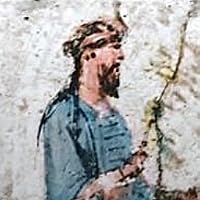
November 25, 2017
A good starting point for thinking about Confucius is that he was concerned with training rulers and subjects. This puts him in the company of the Sophists of Plato’s dialogues. Protagoras and Socrates begin their debate over the question of whether good citizenship can be taught, and consequently whether Sophists like Protagoras can be useful to that end.
For Confucius, there is no distinction between the ethical and the political, because the political virtue of social stability relies upon the ethical foundations of self-mastery, self-knowledge, benevolence, wisdom, filial piety, adherence to tradition, and a disposition towards lifelong learning. The state is constituted by clans, households, and individuals, all coming together to form an organic whole. Ethical turpitude among the people undermines the foundations of political order, like termites infesting a house.
His fondness in recounting the deeds of wise rulers reminded me a little of Machiavelli as well; but whereas Machiavelli, as the first Western modernist, subordinated ethical considerations to the utilitarian concerns of political expediency, Confucius rightly regards morality as the aim of social and political life. While the two shared a desire for what we would now call civic virtue, or the notion that successful government relies upon a virtuous citizenry, they entertained remarkably different ideas on the nature of virtue. For Machiavelli, the virtuous have an agile and flexible mind, machismo, daring, and a perceptiveness that allows them to see the potential in chaos. Confucius’s virtue is almost the inverse of that; to be moral, for him, is to be in such a condition that the Machiavellian virtues are regarded only as the virtues of brigands.
I find the comparison between them fascinating, because in the great ethical teacher of China and the forefather of modern Western republicanism, you find the seeds of two great cultures, which in our time can either be adversaries or can learn from one another for their mutual benefit.

For Confucius, there is no distinction between the ethical and the political, because the political virtue of social stability relies upon the ethical foundations of self-mastery, self-knowledge, benevolence, wisdom, filial piety, adherence to tradition, and a disposition towards lifelong learning. The state is constituted by clans, households, and individuals, all coming together to form an organic whole. Ethical turpitude among the people undermines the foundations of political order, like termites infesting a house.
His fondness in recounting the deeds of wise rulers reminded me a little of Machiavelli as well; but whereas Machiavelli, as the first Western modernist, subordinated ethical considerations to the utilitarian concerns of political expediency, Confucius rightly regards morality as the aim of social and political life. While the two shared a desire for what we would now call civic virtue, or the notion that successful government relies upon a virtuous citizenry, they entertained remarkably different ideas on the nature of virtue. For Machiavelli, the virtuous have an agile and flexible mind, machismo, daring, and a perceptiveness that allows them to see the potential in chaos. Confucius’s virtue is almost the inverse of that; to be moral, for him, is to be in such a condition that the Machiavellian virtues are regarded only as the virtues of brigands.
I find the comparison between them fascinating, because in the great ethical teacher of China and the forefather of modern Western republicanism, you find the seeds of two great cultures, which in our time can either be adversaries or can learn from one another for their mutual benefit.

October 8, 2009
From my 5-day study tour in South Korea (August 5-9), I read a bit about Korean history in English, according to Prof. Han Young Woo (2010: 7), Confucius said, "Learning is a joy of life." This is an interestingly philosophical, psychological and educational quote as well as a groundbreaking one. Just imagine, Confucius said this some 2,500 years ago! Of course, we still need to read him to learn more even in this 21st century and beyond.
I've just posted this quote in my Facebook so that my students can see and read it, think and take action. That means for those good and great students of mine in the past, at present and in the years to come.
Here's what Confucius said in Book I, 1.
The Master said, To learn and at due times to repeat what one has learnt, is that not after all a pleasure? (p. 75)
I think Prof. Han Young Woo might have paraphrased from Chinese into Korean first. However, I understand the original Chinese is highly subtle, therefore, it depends on each translator to interpret as close as the heart of the matter as possible.
Note:
Han Young Woo. (2010). A Review of Korean History Vol. 1 Ancient/Goryeo Era. Hahm Chaibong (trans.). Pajubookcity: KYONGSAEWON.
I've just posted this quote in my Facebook so that my students can see and read it, think and take action. That means for those good and great students of mine in the past, at present and in the years to come.
Here's what Confucius said in Book I, 1.
The Master said, To learn and at due times to repeat what one has learnt, is that not after all a pleasure? (p. 75)
I think Prof. Han Young Woo might have paraphrased from Chinese into Korean first. However, I understand the original Chinese is highly subtle, therefore, it depends on each translator to interpret as close as the heart of the matter as possible.
Note:
Han Young Woo. (2010). A Review of Korean History Vol. 1 Ancient/Goryeo Era. Hahm Chaibong (trans.). Pajubookcity: KYONGSAEWON.

July 9, 2016
A jewel, though many maxims require prior knowledge of China's dynastic period. I took about 2 days to familiarize with the history; the excerpts below are the more universal sayings. What's interesting is that many aphorisms are Confucius joking with disciples :)
Excerpts:
---------
1.8 If you study you will not be crude.
3.12 Sacrifice to the spirits as though the spirits were present.
3.24 The world has long been without the dao.
4.22 The ancients were wary of speaking - ashamed if their conduct did not match up
4.23 Rarely has anyone missed the mark through self-constraint.
4.24 The junzi wishes to be slow of speech and quick in action.
5.12 Zigong said, “What I do not wish others to do to me, I do not wish to do to others.”
The Master said, “This is a level you have not yet reached.”
5.21 His wisdom may be matched; his stupidity is unmatchable.
5.24 If someone asked to borrow vinegar from him, he would borrow it from a neighbor and give it.
7.16 Wealth and high rank obtained by unrighteous means are to me like the floating clouds.
7.20 I was not born with knowledge. I love what is old and am assiduous in pursuing it.
7.25 The Master taught by means of four things: patterns, conduct, loyalty, fidelity.
7.29 When a person purifies himself for advancement, you approve his purity; you are not endorsing his past.
8.4 When a bird is about to die, his call is mournful; when a man is about to die, his words are good.
9.17 The Master stood on the riverbank. “How it flows on, never ceasing, night and day!”
9.18 I have yet to see a man who loved virtue as much as sex.
9.28 Only when the year turns cold can one see that pine and cypress are the last to wither.
10.19 When a friend died, if there was no family to make arrangements, he said, “Let the coffin be prepared at my home.”
11.12 Ji Lu asked “May I ask about death?”
Master replied “When you do not yet understand life, how could you understand death?”
13.1 Be tireless.
13.26 The junzi is at ease without arrogance; the small man is arrogant without being at ease.
14.20 Words uttered without modesty are difficult to live up to.
14.27 The junzi is ashamed when his words outstrip his actions.
14.37 Worthy are those who shun the world. Next are those who shun a specific place. The next best shun the lewd, and the next best after shun speech.”
15.2 The junzi is steadfast through poverty. When the small man falls into poverty, he will do anything.
15.3 Do you take me for one who studies a great deal and remembers it? … It is not so. I link all on a single thread.
15.8 To not speak with someone worthwhile is to waste that person. To speak with someone worthless is to waste words. The wise man wastes neither people nor words.
15.10 The craftsman who wishes to work well must first sharpen his tools.
15.12 A man who does not think far ahead will have troubles near at hand.
15.30 To err and not change – that, we may say, is to err.
15.40 Do not make plans with others whose dao differs from yours.
15.41 Words should do no more than convey the idea.
16.1 The junzi detests those who cover up their desires by making excuses.
17.24 I hate those who think insulting others is straightforwardness.
18.8 I differ from them all. I have no rule of what is permissible and what is not.
20.3 If you do not know your destiny, you cannot be a junzi.
Excerpts:
---------
1.8 If you study you will not be crude.
3.12 Sacrifice to the spirits as though the spirits were present.
3.24 The world has long been without the dao.
4.22 The ancients were wary of speaking - ashamed if their conduct did not match up
4.23 Rarely has anyone missed the mark through self-constraint.
4.24 The junzi wishes to be slow of speech and quick in action.
5.12 Zigong said, “What I do not wish others to do to me, I do not wish to do to others.”
The Master said, “This is a level you have not yet reached.”
5.21 His wisdom may be matched; his stupidity is unmatchable.
5.24 If someone asked to borrow vinegar from him, he would borrow it from a neighbor and give it.
7.16 Wealth and high rank obtained by unrighteous means are to me like the floating clouds.
7.20 I was not born with knowledge. I love what is old and am assiduous in pursuing it.
7.25 The Master taught by means of four things: patterns, conduct, loyalty, fidelity.
7.29 When a person purifies himself for advancement, you approve his purity; you are not endorsing his past.
8.4 When a bird is about to die, his call is mournful; when a man is about to die, his words are good.
9.17 The Master stood on the riverbank. “How it flows on, never ceasing, night and day!”
9.18 I have yet to see a man who loved virtue as much as sex.
9.28 Only when the year turns cold can one see that pine and cypress are the last to wither.
10.19 When a friend died, if there was no family to make arrangements, he said, “Let the coffin be prepared at my home.”
11.12 Ji Lu asked “May I ask about death?”
Master replied “When you do not yet understand life, how could you understand death?”
13.1 Be tireless.
13.26 The junzi is at ease without arrogance; the small man is arrogant without being at ease.
14.20 Words uttered without modesty are difficult to live up to.
14.27 The junzi is ashamed when his words outstrip his actions.
14.37 Worthy are those who shun the world. Next are those who shun a specific place. The next best shun the lewd, and the next best after shun speech.”
15.2 The junzi is steadfast through poverty. When the small man falls into poverty, he will do anything.
15.3 Do you take me for one who studies a great deal and remembers it? … It is not so. I link all on a single thread.
15.8 To not speak with someone worthwhile is to waste that person. To speak with someone worthless is to waste words. The wise man wastes neither people nor words.
15.10 The craftsman who wishes to work well must first sharpen his tools.
15.12 A man who does not think far ahead will have troubles near at hand.
15.30 To err and not change – that, we may say, is to err.
15.40 Do not make plans with others whose dao differs from yours.
15.41 Words should do no more than convey the idea.
16.1 The junzi detests those who cover up their desires by making excuses.
17.24 I hate those who think insulting others is straightforwardness.
18.8 I differ from them all. I have no rule of what is permissible and what is not.
20.3 If you do not know your destiny, you cannot be a junzi.

August 8, 2021
Има нещо доста стъписващо във факта, че немалка част от поученията на Конфуций относно обществения ред и формирането на достойнства у членовете на такова общество, възникнали около 5 в.пр.н.е. през 2021 година в разпокъсан от войни днешен Китай, нацепен на по-малко царства, все още звучат съвсем актуално.
Известна яснота относно личността и биографията на Конфуций се намират, макар да не са напълно доказуеми. Неговите аналекти, компилирани от учениците и последователите му, обобщават поредица от тематични случки и поучения под формата на кратки въпроси и отговори. Структурата е прегледна и залага на афоризми, основни двойки противоположности и парадокси, както и ясно посочване на три-седем-девет основни опорни точки във всяка една посока. Отговорите все още ни дават ключ дори към съвременни Китай и Южна Корея, както и към вечния въпрос как се изграждат успешното общество и държава. Тези отговори са надживели реакционерската си закостенялост, довела до краха на замръзналия във времето имперски Китай, и - поотупани от праха и западноцентричния понякога войнстващ индивидуализъм - са още една свежа струя, която всеки съвременен човек може да ползва за референция, като отхвърли ненужното и безполезното, останало безвъзвратно в античността.
Доста съвременни мениджъри, специалисти по човешки ресурси, държавни служители, политици или просто любопитни души ще имат полза да попрелистят някой и друг “казус”. И да - Конфуций е за “работа”. Той, с доста безмилостна строгост и структура, е точно обратното на “дао”. Но пък, ако се замислим за концепцията на “дао” - ни най-малко не е. Просто го допълва.
***
🐉 “Learning without thought is labour lost;
thought without learning is perilous.”
📖 “The Duke Ai asked, saying,
‘What should be done in order to secure the submission of the people?'
Confucius replied,
‘Advance the upright and set aside the crooked, then the people will submit.
Advance the crooked and set aside the upright, then the people will not submit.”
🐲 “They who know the truth are not equal to those who love it, and they who love it are not equal to those who delight in it.”
📜 “Respectfulness, without the rules of propriety, becomes laborious bustle;
carefulness, without the rules of propriety, becomes timidity;
boldness, without the rules of propriety, becomes insubordination;
straightforwardness, without the rules of propriety, becomes rudeness.”
🐉 “The Master observed,
‘How numerous are the people!'
Yu said, 'Since they are thus numerous, what more shall be done for them?'
‘Enrich them,' was the reply.
‘And when they have been enriched, what more shall be done?'
The Master said, 'Teach them.”
📖 “Desire to have things done quickly prevents their being done thoroughly.
Looking at small advantages prevents great affairs from being accomplished.”
🐲 “The firm, the enduring, the simple, and the modest are near to virtue.”
📜 “The superior man is easy to serve and difficult to please.
The mean man is difficult to serve, and easy to please.”
🐉 “When good government prevails in a state, language may be lofty and bold, and actions the same.
When bad government prevails, the actions may be lofty and bold, but the language may be with some reserve.”
Известна яснота относно личността и биографията на Конфуций се намират, макар да не са напълно доказуеми. Неговите аналекти, компилирани от учениците и последователите му, обобщават поредица от тематични случки и поучения под формата на кратки въпроси и отговори. Структурата е прегледна и залага на афоризми, основни двойки противоположности и парадокси, както и ясно посочване на три-седем-девет основни опорни точки във всяка една посока. Отговорите все още ни дават ключ дори към съвременни Китай и Южна Корея, както и към вечния въпрос как се изграждат успешното общество и държава. Тези отговори са надживели реакционерската си закостенялост, довела до краха на замръзналия във времето имперски Китай, и - поотупани от праха и западноцентричния понякога войнстващ индивидуализъм - са още една свежа струя, която всеки съвременен човек може да ползва за референция, като отхвърли ненужното и безполезното, останало безвъзвратно в античността.
Доста съвременни мениджъри, специалисти по човешки ресурси, държавни служители, политици или просто любопитни души ще имат полза да попрелистят някой и друг “казус”. И да - Конфуций е за “работа”. Той, с доста безмилостна строгост и структура, е точно обратното на “дао”. Но пък, ако се замислим за концепцията на “дао” - ни най-малко не е. Просто го допълва.
***
🐉 “Learning without thought is labour lost;
thought without learning is perilous.”
📖 “The Duke Ai asked, saying,
‘What should be done in order to secure the submission of the people?'
Confucius replied,
‘Advance the upright and set aside the crooked, then the people will submit.
Advance the crooked and set aside the upright, then the people will not submit.”
🐲 “They who know the truth are not equal to those who love it, and they who love it are not equal to those who delight in it.”
📜 “Respectfulness, without the rules of propriety, becomes laborious bustle;
carefulness, without the rules of propriety, becomes timidity;
boldness, without the rules of propriety, becomes insubordination;
straightforwardness, without the rules of propriety, becomes rudeness.”
🐉 “The Master observed,
‘How numerous are the people!'
Yu said, 'Since they are thus numerous, what more shall be done for them?'
‘Enrich them,' was the reply.
‘And when they have been enriched, what more shall be done?'
The Master said, 'Teach them.”
📖 “Desire to have things done quickly prevents their being done thoroughly.
Looking at small advantages prevents great affairs from being accomplished.”
🐲 “The firm, the enduring, the simple, and the modest are near to virtue.”
📜 “The superior man is easy to serve and difficult to please.
The mean man is difficult to serve, and easy to please.”
🐉 “When good government prevails in a state, language may be lofty and bold, and actions the same.
When bad government prevails, the actions may be lofty and bold, but the language may be with some reserve.”
February 1, 2023
And Kung (Confucius) said nothing of the after life; of this life he told his young men, "honor the babe when it first opens its mouth, but a man of sixty who has learned nothing is worthy of no respect". An ethic for those who neither fear nor desire a heaven, hell or God/gods, only the truth arrived at through good conversation.

March 10, 2025
I really enjoyed The Analects. I started by reading straight through Confucius' Analects and then turned back to the translator's introduction. I had a number of questions while reading the sayings of Confucius that were then answered in the introduction, including what terms like ritual, Gentlemen, and goodness meant. I will not read a second translation.
Displaying 1 - 30 of 1,415 reviews