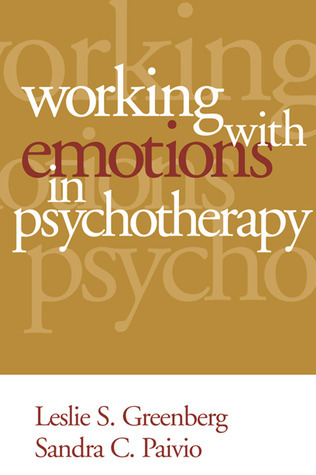
The book shows clinicians how to identify a given emotion, discern its role in a client's self-understanding, and understand how its expression is furthering or inhibiting the client's progress toward the goals of therapy. Of vital importance, the authors help readers think more differentially about emotions; to distinguish, for example, between avoided emotional pain and chronic dysfunctional bad feelings, between adaptive sadness and maladaptive depression, and between overcontrolled anger and underregulated rage. A conceptual overview, intervention guidelines, and a wealth of case illustrative case examples are included, and special attention is given throughout to the integration of emotion and cognition in therapeutic work. Shedding new light on the power of emotions - both in organizing clients' experience and in facilitating self-understanding and change - this book helps novice and experienced therapists to harness that power insightfully and creatively in their work. It may also serve as supplementary reading in advanced undergraduate and graduate-level psychotherapy courses.
Las emociones surgen como reacciones subjetivas producto de la interacción entre el individuo y el entorno; siendo su función regular el funcionamiento mental, organizando tanto el pensamiento como la acción. Éstas inicialmente se traducen en vivencias aisladas, pero, al transcurrir el tiempo y sumarse experiencias, van transformándose en un conjunto denominado «esquema emocional».
Al existir múltiples maneras de organizar la experiencia y de interpretar la realidad, es labor del terapeuta analizar y distinguir su naturaleza concreta. Una vez que se accede al esquema emocional, se produce la intervención diferencial, dependiendo de la naturaleza del esquema emocional, así como de su relación con el problema del consultante.
Los autores proponen el modelo de intervención focalizada en emociones, dividiendo el marco de trabajo en tres fases: I. Creación del vínculo II. Evocación y exploración III. Reestructuración emocional
Lo que más me gustó: Abarca el trabajo con emociones placenteras y displacenteras, subrayando que ambas categorías poseen funciones adaptativas.