Moravia's collection of erotic short stories turns a penetrating eye on the psychology of human desire: the loves, hopes, fears, and perversities that haunt the everyday lives of any group of modern city dwellers.
Alberto Moravia, born Alberto Pincherle, was one of the leading Italian novelists of the twentieth century whose novels explore matters of modern sexuality, social alienation, and existentialism. He was also a journalist, playwright, essayist and film critic. Moravia was an atheist, his writing was marked by its factual, cold, precise style, often depicting the malaise of the bourgeoisie, underpinned by high social and cultural awareness. Moravia believed that writers must, if they were to represent reality, assume a moral position, a clearly conceived political, social, and philosophical attitude, but also that, ultimately, "A writer survives in spite of his beliefs".
Throughout his work, Moravia has never been a writer to shirk the issue of desire and sexual feelings for both men and women, and I can think of a couple of his novels (1934, The Voyeur) that had moments that were pretty sexually explicit. You would think with a title like 'Erotic Tales' you would get just that: erotic tales. In terms of the book as a whole this simply isn't the case.
Of the twenty stories included (the longest being about forty pages, the shortest only a few pages long) less than half were anywhere near being sexy or arousing, and of them, only four or five contained a level of sexual content that could be classed as erotica. Bizarrely, there is a story about the Neutron bomb and the spraying of ants with Insecticide, and another about a man with a gun. Not sure how these, and many others, could get into a book called Erotic Tales.
It's not as good as his other short-story collection 'Roman Tales', but one thing Moravia has always handled well is his observation of people on a deep psychological level, and that is evident here. The sexy bits aside, this book has more in common with Jean-Paul Sartre than it does, say, Anaïs Nin.
La Cosa E Altri Racconti by Alberto Moravia is part of his Erotic Tales – I am a great fan of Alberto Moravia: his chef d’oeuvre Contempt is included on Le Monde’s Top 100 Books of The Century, while The Time of Indifference is one of The 1,000 Novels Everyone Must Read – I have tried to find their ranks on The Greatest Books of All Time site, only it is not working for now, you get no results, which is abominable, but then I checked with Montaigne, and he is also absent, which is anathema – you find thousands of reviews of books from the aforementioned and other pages on my blog https://realinibarzoi.blogspot.com/20... and YouTube channel, depending on your choice
8 out of 10
I have been mesmerized by Contempt https://realinibarzoi.blogspot.com/20... the adaptation has the late Brigite Bardot in one of the leading roles, and I also remember the interpretation of Ulysses that the glorious Alberto Moravia advanced in the book, a very outré, original idea:
Odysseus did not want to get back! Imagine that: it was not a question of trying hard to get back to Penelope and his son, Telemachus, native Ithaca, the hero just tried to gain time, he spent all those years wondering around, just because he preferred this pilgrimage to the notion of returning home, maybe this is true Makes me think of the Coolidge Effect – there is that anecdote with the president going to this farm, then there is this rooster, I do not have the mood to put it all here, it is on the net surely, or you can search for it on my blog – and/or The Honeymoon Effect https://realinibarzoi.blogspot.com/20... explained in psychology books
There is some sex in these tales, they are called Erotic Tales, not very popular I must say, I have tried to get a list of the names, but did not find much, if anything, the usual invitation on the Amazon site – I sort of loath Bezos, now that he is such a pussy, making that Melania documentary, nauseating – to buy the whole thing In the first story, we have the narrator as a boy, and he jumps into bed with this girl, who pretends to be asleep, and the protagonist starts having some sexual interaction, he travels to the ‘other mouth’, I think it is the first time that I have read this description, which may prove that I have not read too much arousing material
There was Anais Nis https://realinibarzoi.blogspot.com/20... recently and that was really unexpected, in its openness, the use of language we did not dare to resort to, indeed, I regret so much the fact that we did not have much, if at all, reading material when we were teenagers What was there did not teach us well, anything, I was twenty when I lost my virginity, or near that, and even then, had very little idea about the details, options, etc.…one of the characters in the Erotic Tales is losing her virginity…on horseback, but then it gets even more awkward, perhaps the word is outrageous in development
The same girl, and her friend actually, get sexual with a…pony, masturbating the animal, and then I cannot even think what they were doing, as one and then the other have their heads disappear with the pony, in the stable, where the narrator can see some of the ‘action’, but much, or most of it is suggested…what were they up to?
Cosa potrei dire, io povera, su queto autore, se non che l'ho nel cuore come esempio di un pensare tra se e me? Il buon Moravia rimane tra i miei preferiti di sempre, per quel suo empatico scrivere , giocando indifferentemente con la personalità e la psiche di uomo e di donna, saltellando tra emozioni e modi di sentire la vita, il corpo e il sesso, così diversi tra loro, ma il cui unico filo comune è la sua scrittura. Scrittura che mi 'riporta a casa', non ho altro modo per spiegare quel che sento, anche se ve ne sono state con mura anguste e a volte buie. Se proprio dovessi trovare difetti in questi racconti è il solito senso di incompiutezza che è mio personale, credo. Intuisco anche che alcuni personaggi o tempi comuni a più testi sono esperimenti o suoi 'lavori in corso', di idee o pensieri. Piccoli ritratti letterari, insomma, che descrivono un momento e solo quello.
Unanständige Erzählungen. Teilweise nehmen sie durchaus gefangen, vieles ist aber einfach öde. Beispiel für das ganz gute, die Geschichte der tugendhaften Krankenschwester, deren Hobby es ist, den Patienten ans Geschlecht zu fassen. Schließlich stirbt einer vor Glück und die Krankenschwester wechselt den Job.
Spesso rubricata sotto l'etichetta "racconti erotici", questa raccolta è molto di più. In un'intervista Moravia dichiarò di sondare la società tutta attraverso la griglia del sesso. E così fa in questi racconti, che hanno per denominatore comune i tabù più indicibili (proprio quelli). La struttura a partire dalla quale la materia narrativa si forma e si dispiega è l'inconscio, quella macchina che concatena sogno e desiderio (da qui, l'interesse di Moravia per l'automatismo, che si rinnova nella raccolta dal titolo L'automa). Se nei primi racconti il tema del sesso - variamente declinato da un punto di vista simbolico - si prende tutta la scena, più si va avanti a leggere più emerge un certo clima politico e sociale: riferimenti al terrorismo italiano, le cui ferite aperte segnano l'immaginario degli anni Ottanta (il libro viene pubblicato nel 1983); accenni alla dipendenza da eroina, nel picco dell'epidemia; focus sui rapporti di classe, filtrati dalla psicanalisi più che dal marxismo. A infestare questi racconti è il diavolo, ora incarnato in personaggio ora figura fantasmatica. E forse non potrebbe essere diversamente per uno scrittore come Moravia, erede di Dostoevskij e di tutti i suoi demoni.
A slightly misleading title to 20 stories - some very short! - of the translation from Italian by the brilliant polyglot, Tim Parks of some late work of Alberto Moravia., a writer renowned for his eroticism & sensuality. Some of the later stories are more psychological treatments of character's dreams & fantasies - and we all suffer those! - but all are engrossing in their own ways, illustrating that Moravia, even in translation, is one of Italy's finest 20th century writers, and pinpoints many of that culture's strengths & weaknesses with a real literary brio.
Livro composto por 20 contos, em que os primeiros são mais longos e com um conteúdo erótico muito maior, alguns mesmo absolutamente explícito. Abundam os contos em que o "objeto" são rapariguinhas adolescentes, há um de homossexualidade feminina, Nenhum de homossexualidade masculina. O Diabo também ocupa um papel espacial quer como protagonista quer como tentador.
Difficile dare un giudizio obiettivo su questa raccolta di racconti. I primi sei sono delle favole erotiche dove Moravia porta agli estremi l’idea che il sesso sia ormai l’unico strumento di risposta al malessere esistenziale che affligge l’uomo moderno. Con freddezza e distacco narra storie forti, grottesche, perverse ai confini di pedofilia per le tante ragazzine e fanciulle in fiore e zoofilia (non vi dico per cosa). Esagera e molto sul filo del rasoio dell’oscenità senza mai arrivarci, proprio per il gusto di provocare. Pubblicati nel 1983 non ricordo abbiano suscitato particolare scandalo, oggi il “woke” imperante lo avrebbe arso vivo sui social prima e sugli altri media poi fino a chiedere a Bompiani di rescindere il contratto editoriale… (che mondo triste…) I quattordici racconti successivi cambiano registro riducendo ai minimi la componente erotica: la lunghezza più breve e standard mi fa pensare che siano stati scritti per essere pubblicati sui giornali (Moravia lo ha fatto per tantissimi anni) e quindi non potevano essere altrettanto “scandalosi”. Protagonisti borghesi, benestanti, annoiati, accidiosi e molto soli che si fanno parecchi film mentali, sognano anche ad occhi aperti per sfuggire al grigiore della vita quotidiana: nulla di nuovo per chi conosce già lo scrittore e le sue tematiche esistenziali. Pare che Moravia abbia dedicato questo libro a Carmen Llera la nuova compagna dell’epoca (e i 45 anni di differenza di età con lo scrittore ultrasettantenne alimentarono un po' il gossip). Vero è che un nuovo legame sentimentale porta spesso a una svolta nella carriera di un artista: mi ricordo di un Miles Davis quarantenne che con una nuova frizzante fidanzata cambiò look e musica, passando al Jazz elettrico (diverso ma sempre ottimo Jazz). Con Moravia non vorrei sia stata la svolta verso il declino: i romanzi successivi – Il viaggio a Roma, L’uomo che guarda, La donna leopardo – sono tutti a mio personale giudizio dimenticabili. Moravia è indubbiamente bravo a raccontare ma La cosa non regge il confronto con gli scritti degli anni cinquanta e sessanta (I racconti romani o L’automa per restare nei racconti). Due stelle e mezzo
You always take a risk when purchasing a book on the whim, and when the first story in this Erotic Tales collection has a woman whacking off a horse, you question if the risk paid off. I can safely say, more often than not, the book’s an unpleasant read. Now, I’m not squeamish by nature, but this book’s perverted – not in a Nabokov way, but in a Humbert Humbert way.
The grosser sections of the book, like the woman and the horse, try to intellectualise the actions with ill-conceived pretension. One story, a woman internalises her physical violence, because once her father punched her as a child to save them both from drowning in water – what a load of pseudo psychological crap. Often, you’ll find misogynistic passages or preserved inclinations justified with half-baked intellectualism, when in reality, the writer is a dirty old b----.
It’s a shame, because on a prose level, the writing is good. The writer achieves a lot with very little. There’re some stories perfectly fine in this collection, and some with zero eroticism in at all, and these stories I enjoyed. However, I cannot recommend this book, and I will probably throw away the copy I purchased. In short, something's are best kept in the past, especially if they’ve no integrity or artistic value.
Sono davvero combattuta nel recensire questa serie di racconti. Se da una parte è troppo facile criticarne alcuni (per il tema di una velata pedofilia), dall'altra io non posso farci nulla: il suo stile mi travolge sempre, mi sento sempre a casa quando lo leggo. La sua lucidità senza fronzoli, il modo di esprimere le emozioni in maniera così chiara e semplice tanto da farmi spesso esclamare "ecco come mi sento io!!" e la sua sincerità e audacia nell'affrontare anche tematiche scomode sono fattori che me lo riconfermano il mio autore italiano preferito.
Alcuni racconti da 5 stelle, altri da 1.
Mood: "avevo ormai più voglia di dormire che di vivere"
Erotic Tales (184 pages) is written by the Italian novelist Alberto Moravia and translated from Italian to English by Tim Parks. This collection of short stories (20) shows how sexual feelings and desires can influence the everyday life and the psychology of humans (men and women). I like some of them but I get bored when reading others. There is no correspondence between the title and the content of the book. I conversely like Morovia’s writing style and how deeply he can deal with and observe the psychology of persons. I recommend this book (3/5).
Found this in a free pile a week ago, decided to read it as a writer of erotica myself, now its in the trash. This is one of those books best left in the past- the morals of the stories involved (i tried to read quite a few of them, some were even half decent) were mostly non-existent.
Not erotic, extremely predatory and creepy shit written by an old italian dude who probs diddled kids
Erotic Tales (184 pages) is written by the Italian novelist Alberto Moravia and translated from Italian to English by Tim Parks. This collection of short stories (20) shows how sexual feelings and desires can influence the everyday life and the psychology of humans (men and women). I like some of them but I get bored when reading others. There is no correspondence between the title and the content of the book. I conversely like Morovia’s writing style and how deeply he can deal with and observe the psychology of persons. I recommend this book (3/5).
Some I liked. Some I had to skip right over, because they weren't erotic at all in my opinion. Everyone has their own thoughts on what's erotic, though.
These stories are ‘erotic’ in the sense that most of them are about various forms of love. A few are quite touching, a few are unsettling and quite a few are enigmatic.
Gets 4 starts for the detailed, vivid (feels;like you are there) description but still its quite shocking! Not for the erotic scenes but for unraveling the human nature.
#9 Today, though, the thing that deep down and unconciously I've been waiting for for so long, suddenly happens. A small, green-and-brown estate car turns into the street by the river and stops near the barrier by the parapet. A blonde girl in blue jeans and a red sweater gets out. I watch her carefully.
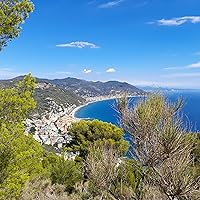
#18 He reaches the pines. First disappointment: the wood is closed off with a barbed-wire fence that goes right down into the sea. He looks into the trees, putting his hands on the wire and pushing his face as far forward as he can.
É dificultosa a tarefa de dar nota a um livro de contos, visto que são diferentes histórias, escritas provavelmente em tempos distintos, unificadas em uma única obra. Existem textos incríveis, como o que dá título ao livro, bem como aqueles que envolvem seres além dos humanos. O diabo e outras aparições são o tempero desse conjunto, para mim. A intensidade da escrita, ao observar a época e origem do autor, fica mais vívida ao longo da leitura, o que nos surpreende a cada início e fim de conto. O fascínio também, descrito no posfácio, por Freud e Sade só revelas as facetas desse escritor.