Jump to ratings and reviews
Rate this book

The Girl in Building C

Rate this book
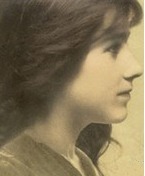
In October 1943, sixteen-year-old Marilyn Barnes was told that her recent bout of pneumonia was in fact tuberculosis. She entered Ah-gwah-ching State Sanatorium at Walker, Minnesota, for what she thought would be a short stay. In January, her tuberculosis spread, and she nearly died. Her recovery required many months of bed rest and medical care.

Marilyn loved to write, and the story of her three-year residency at the sanatorium is preserved in hundreds of letters that she mailed back home to her parents, who could visit her only occasionally and whom she missed terribly. The letters functioned as a diary in which Marilyn articulately and candidly recorded her reactions to roommates, medical treatments, Native American nurses, and boredom. She also offers readers the singular perspective of a bed-bound teenager, gossiping about boys, requesting pretty new pajamas, and enjoying Friday evening popcorn parties with other patients.

Selections from this cache of letters are woven into an informative narrative that explores the practices and culture of a midcentury tuberculosis sanatorium and fills in long-forgotten details gleaned from recent conversations with Marilyn, who "graduated" from the sanatorium and went on to lead a full, productive life.

224 pages, Paperback

First published September 1, 2018

20 people are currently reading
191 people want to read

About the author

Mary Krugerud

3 books9 followers
Mary Krugerud's B.A. in Writing led to a successful career in grant development for Normandale Community College, but her real passion is educating people about historical tuberculosis and the history of her hometown, Dawson, MN. Her first book, "Interrupted Lives: Tuberculosis in Minnesota and Glen Lake Sanatorium," focuses on how patients experienced treatment at a sanatorium. In 2015, she received a Minnesota Historical Society Legacy Fellowship to expand her research to all of Minnesota's sanatoriums. "The Girl in Building C" - a book resulting from that study - was published in September 2018. In 2021, she co-authored "Lac qui Parle County: 150 Years of History, Volume I" with Jon Willand, Lois Willand, and Karen Murdock. Mary lives with her husband in Minnesota, near their children and families.

Ratings & Reviews

What do you think?
Rate this book

Friends & Following

Create a free account to discover what your friends think of this book!

Community Reviews

5 stars
63 (31%)
4 stars
82 (40%)
3 stars
46 (22%)
2 stars
10 (4%)
1 star
0 (0%)
Displaying 1 - 30 of 34 reviews
Profile Image for Katelyn.
1,398 reviews100 followers
November 19, 2019
Krugerud has gathered the real letters of Marilyn, a 16 year old who entered one of Minnesota's many state sanatoriums in October 1943 for tuberculosis treatment. Despite being young and being confined to bed rest for 2.5 years (and spending 3 years in the sanatorium), Marilyn keeps her spirits up and writes letters almost every day to her family. Marilyn's sanatorium, Ah-gwah-ching, is in the woods in lakes country in Walker, Minnesota, hours north of her family. She depends on letters to keep in touch with them, as well as other friends and family members. The many patients living in the sanatorium interact on a regular basis and gossip spreads like wildfire, despite many of the patients being bed bound. Marilyn talks about her daily life, her revolving roommates, the war, what they eat and "being on the cure."

Throughout the book, Krugerud puts events in historical context and explains anything that is not common practice in modern times. She does this in short paragraphs between letters. It is just the right amount of interesting information.

This book delighted me. You wouldn't think a book about tuberculosis and being confined to a sanatorium could be cozy, but "The Girl in Building C" is just that. Highly recommended. One of my favorite books of the year. I wish I could keep reading letters from Marilyn's life after she gets out of the sanatorium.
Profile Image for TheGeekishBrunette.
1,429 reviews40 followers
December 27, 2019
Today is a different type of review from me. I actually finished a Non-Fiction for once. i know, who am I?!

I have always been curious when it comes to the tuberculosis epidemic and what it must have been like to live in a sanatorium. It’s not like recovery short and these people had to go from one way of life to another. I imagine it wasn’t easy because that is a lot of change on top of an illness that they have seen claim other lives. Not is that interesting but also the treatments they came up with to combat it. It’s just so fascinating!

I have been wanting to read an account of a patient for sometime now and I stumbled upon this one at my library. It definitely helped with getting a firsthand account of what it was like in a sanatorium in the 40’s.

I learned a lot of new things I never knew about which ranged from treatments to people committing suicide while in the sanatorium. I feel like it was also hard during the early 40’s because of WWII. Marilyn knew a few people who lost someone during the war. She also knew people who were being treated for tuberculosis at the same time as being pregnant or losing a loved one from the same illness. They were definitely intense times. It’s amazing how she stayed positive through it all.

Overall, I really enjoyed reading through this one!
5 reviews
April 25, 2022
I loved the book. I started it this morning and finished it by this afternoon. It was a very good read.
Profile Image for Amanda.
209 reviews7 followers
September 5, 2018
A very compelling read. Marilyn's letters are vivid and simultaneously heartbreaking and hopeful. Mary Krugerud provides context and background information so that you never feel lost and everything flows smoothly. If you've ever had even a passing interest about life in a tuberculosis sanitarium, I cannot recommend this book highly enough.

I received a digital ARC from the publisher via Eidelweiss+.
Profile Image for Orinoco Womble (tidy bag and all).
2,280 reviews236 followers
September 20, 2023
I learned a huge amount from this highly enjoyable book. I've always been fascinated by "consumption narratives", from Therese de Lisieux to Camille and all between. Unlike Betty MacDonald's The Plague and I, this is not a prose memoir whose basic intent is to amuse. It's a collection of real-life correspondence (mostly small post cards) from Marylin Barnes who spent three years in a TB sanatorium, most of that time flat on her back in bed, to her parents and brother. She doesn't criticise everyone and everything about the state sanatorium that treated, housed and healed her; she tries to keep her chin up and a smile on her face (or at least on her postcards) in order not to worry the folks back home, but reading between the lines she was indeed deathly ill when she arrived at Ag-wah-ching at the age of 15. I didn't even know Ag-wah-ching existed, hyphens and all, let alone that there were TB sanatoriums that close to home. She speaks of entire days and nights of being "so sleepy", "slept all day" etc for weeks on end. The bacillus was exhausting her system. She loses the occasional friend, remarking simply on when they died, and how much their family will miss them.
I also learned the origin and purpose of Christmas Seals and Easter Seals. We had them when I was a child in the 60s but either they stopped selling them or my family stopped buying them.
It was ironic that when she finally got better, the doctor suggested she was best fitted for "beauty school or secretarial work." Ah yes, because in those days "nice" girls either got married or became "beauty operators", teachers, secretaries or nurses. She was afraid she'd be dreadfully behind when she returned to highschool, and though she was "left back" a year ended up passing top of the class. Fortunately after she was back home she was offered the opportunity attend college, and she did become a teacher in the end, like the nice girl she was.
Marylin dreamed of being transferred to the sleeping porches of Building B where all the young crowd was, but the fact that it never happened didn't stop her from being as kind and warm as possible to her roommates in C, often married women with children much older than she.
The notes included between postcards offer much-needed background information in just the right amounts, neither skimpy nor dry infodumping. The editor had the great fortune to meet Marylin in her old age; she had led a healthy, active life for decades after "the cure" and I'm sure her positive mental attitude had a great deal to do with that, as well as her strong religious faith. She doesn't put it to the fore, but it's there, a firm foundation.
I had never realised that "pneumothorax" actually means that the lung, once collapsed, remains useless for the rest of the patient's life; they have to get along with one after that. One of the most poignant scenes in the book for me is when she tells her mother to have her beloved flute sterilised and to sell it, to help pay for her treatment. With only one lung she realises that her days of playing the flute are over for good.
As kids we used to sing a rather grotesque version of "My Bonny" that referred to the fact that "my bonny has only one lung." Now I understand why my mother went into orbit every time she heard it. I remember getting the Mantoux test in kindergarten (though they just called it a TB test). I didn't know what "TB" meant then; I was a small child who was taken places and told to do things and I did them. I now understand it meant their had been an outbreak of TB in my nice little Midwestern town in 1966.
Profile Image for Stephanie A..
2,947 reviews94 followers
July 23, 2025
My mom recommended this to me, and we both found it fascinating. The structure is unique: transcripts of postcards & letters a teenage girl sent home during her nearly 3 years in a Minnesota sanatorium, each followed (or sometimes broken up by) a paragraph or two of additional research from the editor to give context or supplemental information about something or someone mentioned in the letter.

I think it held my attention so well because of the zippy pace -- even though the letters can get a bit repetitive, almost diary-like at times, they're so short that I always wanted to keep turning page after page, eager to know what the next day/week would bring. (Of course, combing through historical personal papers is a favorite hobby of mine, so that's really no surprise.) I loved her focus on meals - the need for weight gain/maintenance being a constant concern for patients -- and it was also really interesting to see what kind of items she requested that her parents send, from the expected stationary & stamps to comfortable pajamas or particular treats.

That, and it's just entertaining to experience the truly authentic voice of a 1940s teenager! What surprised me most is how optimistic she is most of the time -- maybe her sadder letters were among those lost or destroyed, in occasional references to gaps in the timeline, but even so she was consistently writing home multiple times a week and her outlook was generally optimistic. She's even surprisingly blasé in recounting her regular aspiration & other treatments! (THERE ARE NEEDLES. SO MANY NEEDLES.)

I guess she had to keep busy somehow -- never have I ever had a book help me gain such appreciation for my ability to be ambulatory, let alone go places. It's hard to imagine being confined to nearly 100% bed rest in a hospital for years on end today, with pocket internet and all manner of entertainment, let alone back then.

What really ties the book together, as Krugerud mentions herself, is that she was able to interview Marilyn herself. My favorite parts were any mention of present-day Marilyn's commentary on her teenage writings or supplemental recollections of certain days. The photos interspersed throughout are really cool too.

Overall, an outstanding research project! This also paired well with my previous reading of Breathing Room (fiction, also in MN, slightly younger character) and helps increase my general anticipation for The Plague and I (Betty Macdonald memoir).

Bonus: it was very cool to read in the epilogue that for a little while, Marilyn had actually become an art teacher in the school district where both my dad and I grew up!, though it was before my dad's time.
27 reviews4 followers
July 10, 2019
Try to imagine, at age 16, becoming infected with a deadly disease and leaving home to receive treatment. The fear, the anxiety, no doubt would overwhelm just about anyone. Marilyn Barnes, living in St. Peter, Minnesota in 1943 developed tuberculosis. Over three years, she remained isolated from her family in the Ah-gwah-ching State Sanatorium in Walker, 225 miles north of the security of her family. The story she tells through her letters home, and interviews collected decades later, provides an amazing story of one patient out of the many thousands of tuberculosis patients treated in the hospitals and sanatoriums in Minnesota.
Mary Barnes is an eloquent, intelligent lady. The letters reveal a passionate and compassionate teenager, struggling to live through a very frightening episode. Mary Krugerud edited the collection of 400 letters and postcards written in the three-year stretch. Her editorial style, along with her explanatory notes, reveals a daily life in a sanatorium in Minnesota. She also reveals Mary Barnes to be a thoughtful and very articulate lady.
The letters offer insight into the personal life of Mary Barnes. They also provide an interesting study on human nature. As an example, these letters show an emerging fatalism towards death. Discussion of death among the patients seldom takes place, Mary writes only small snippets of the tell-tale signs of a patient demise. As part of the editorial work, Krugerud explained, “When a patient died, the nurses shut all the doors on the floor, but the patients could still hear the cart coming down the hall to get the body and take it to the morgue” (pg 63). In her letters, Mary Barnes writes, “I guess I have death on the brain since Melvin Miner passed away. It really doesn’t bother me cuz I’m pretty used to it by now,” (pg 123). In the midst of a letter in July 1945 Mary Barnes reinforces this sense of fatalism as she writes of death, “But gosh, so much stuff like that goes on here, it just doesn’t affect me anymore—I’m so used to it,” (pg 132). Her next sentence describes the “terrible” food currently being served from the hospital kitchen.
In spite of the ever-present threat of death, the tone of the letters published here continue to reveal a deep sense of compassion, a desire to remain up-beat, and love for the people in Mary’s life.
Anyone interested in cultural history, or social history, or Minnesota history ought to read this book. The insight into the treatments of tuberculosis and other diseases provides an enormous appreciation of the diseases that threatened the state in an earlier time.
3 reviews1 follower
March 22, 2024
First, the book: I found the way it was edited to be disruptive, and I wish that Krugerud had left the letters uninterrupted, and instead offered more substantial narratives providing context to the letters, regarding the world and the experiences of others in these sanitariums. I would have also liked greater insight into the family, and who Marilyn became as an adult - for reasons that will become clear.

I picked this book up at the Nicollet County Historical Society (treaty site) specifically because my grandma spent about a decade living in another Minnesota “preventatorium,” suffering from TB. I wanted some insight prior to talking to her about it.

However, this book offered little in that regard, and the letters honestly angered me. This “child” is vapid, the constant slang would drive me crazy, and despite her “cheerful” attitude, it’s quite obvious she is spoiled and lacks empathy, self-awareness, and despite her circumstances, any real understanding of the world she exists in. My jaw literally dropped when she said she wished a woman would die already, so she wouldn’t have to listen to her suffering. The constant requests for goods, treats, and money is astounding in the context of the economy at the time - which she acknowledges flippantly, repeatedly. This was coupled with extreme fickleness regarding everyone around her, and quick criticism - always offered in the typical “Minnesota nice” fashion I have grown to detest. I had hoped for more about her life after that time, and to know that she grew out of it as she got to actually grow up. I can forgive a teenager being a teenager. Of course, this was not offered.

I do greatly admire her ability to make friends, and that she seemed to lack any true prejudice that was still so common at the time, only displaying the most tame of socially typical language/thought regarding people of different ethnicities/religions. That was really refreshing, and I loved her stories about spending time with her new friends. What I think bothered me the most was the lack of curiosity or consideration regarding class, and the circumstances of the people around her. It truly, truly seemed that her world revolved around herself - even in instances where she displayed *some* empathy, she managed to make it primarily about herself. It was very strange to me. I can’t help but think it’s easier to keep a positive attitude when you’re showered with gifts, attention, money, letters, and visitors - and there was no suggestion that she could comprehend, in any meaningful way, how others might feel, or suffer more profoundly, when those things were lacking.


Overall, it was really disappointing.
136 reviews1 follower
June 24, 2019
This was a series of letters written by a teenaged girl, Marilyn Barnes who contracted tuberculosis. Very informative (I had never heard of sanatoriums for this). Excellent read, she was for the most part very positive and gave a great account of her treatments and her relationships with the doctors, nurses and other patients in the sanatorium. Her stay lasted 3 years! I learned so much that I did not know before. Really like this girl and her story. She was from St. Peter and she ended up in a sanatorium near Walker, MN. Interesting stories about the bitter cold (they opened the windows in March!) Relatives from the twin cities would visit. She so appreciated every gift brought to her. The treatments and surgeries were incredibly hard, who knew they actually took out ribs? and forced lungs to collapse? to treat this horrible disease. She remained hopeful and was very frank with her letters to her parents which described not only the treatments but her relationship and her teenage crushes! Highly recommend this.
89 reviews1 follower
June 4, 2025
Marilyn Barnes is an average teen from St. Peter, MN in 1943, when she goes on a church trip and shares a room with a girl who coughs all night. Her whole world is turned upside down after a tuberculosis diagnosis, and she’s sent to the Ah-Gwah-Ching sanatorium to recover.

What makes this book truly unique is that it isn’t really a book at all, but the collection of letters Marilyn sent home on a near daily basis, keeping her family updated on her progress and setbacks, and also on daily life and the patients around her, some who healed faster than her, and others who died.

Mary Krugerud is the editor who found the letters in a historical archive and assembled them with annotations to explain procedures or provide insights and updates that Marilyn wasn’t privy to.

I imagine Marilyn must’ve been one of those sunny, cheerful patients that made everyone’s day a little brighter when they saw her. This book was an insightful, moving read.
2 reviews
January 13, 2019
This is an amazing book. My mom entered Ah gwah ching at the age of 15 in 1951 from her hometown of Baudette Mn and was a patient for 2 years.Mom talked about it and we have her photo album from her stay there. Reading the letters and the explanations from the author describe some of what mom experienced. I both laughed and cried while reading it. I was suprised that there were several female doctors,unusual for the time or so I thought. Moms doctor was also female. I highly recommend this book.
Profile Image for Katherine.
542 reviews
April 1, 2019
This book consists of a series of letters written by a 16-year-old girl from St Peter, MN who contracts tuberculosis in the 40's and is hospitalized at Ah-gwah-ching, a sanitarium in Walker, MN. She wrote home almost daily for the 3 years she lived at the hospital, and the author chooses parts of her letters to tell the story of her ordeal, inserting short explanations when necessary.
Very well done, an informative and interesting read. (Spoiler alert - Good news: the protagonist lived into her 90's, despite losing many of her friends at the sanitarium to the disease.)
Profile Image for Jennifer Rice.
440 reviews5 followers
December 28, 2024
I found this book to be so interesting. It delves into a topic that I really knew nothing about - the sanatoriums where TB patients were treated, and the treatments that they underwent. This is mostly letters from a teenage TB patient to her family, with context added to the author when appropriate to expand or clarify what was written about in the letter. It’s wild to think about losing three years of your life, mostly being confined to bed. I also had no idea about the treatments such as surgery to remove ribs snd collapse lungs. Really a fascinating book!
198 reviews
October 9, 2018
In 1943 a 16 year old girl, Marilyn Barnes entered Ah-gwah-ching, a state sanatorium for TB in Walker, MN where my mother-in-law, Dr Leila Gorenflo was a staff physician. She was also Marilyn's personal physician during her first year at Aw-gwah-ching when she became critically ill and almost died. The book is composed of Marilyn's letters home during her 3 year stay interwoven with explanatory details about that time period. Fascinating!
Profile Image for Toni Azad.
84 reviews3 followers
December 4, 2018
Quick and interesting read about a teenage girl in the 1940s sent to a sanatorium for tuberculosis. The book is mainly her actual letters home with helpful explanations and historical insights from the editor. I thought reading about such a horrible disease from the perspective of a basically happy teenage girl was interesting. I learned a lot about tb and the sanatorium cure, but her letters were so easy to read considering the topic I didn’t really want to put the book down.
5 reviews4 followers
April 9, 2019
Interesting historical account of the treatment of tuberculosis from the POV of a teenage girl who was a patient in a sanitarium. The young girl did a fabulous job through letters home to chronicle the events around her, her experiences and treatments. The author who collated the letters filled in additional medical statistics and background making it an interesting read. Makes me realize that we’re losing history through the loss of letter writing.
Profile Image for Rhonda.
41 reviews
October 14, 2021
I was interested in reading this story since my husband's grandmother died of TB. I also asked my mom about people she knew that had TB. We lost family members also. I really knew nothing about TB only that people were sent to sanatoriums. Theses patients went through so much more Physically and mentally. This story is in letter form to her parents and can be a little hard to read but the details of what she and others went through is just unbelievable. It was a very good book.
Profile Image for Lizzy.
982 reviews1 follower
October 19, 2024
Such an interesting read. Shows a really clear and inspiring story of this teenage girl overcoming tuberculosis in a MN sanatorium. I loved the asking for money, girlish crushes, floor drama, medical notes, and historical context. The editor’s contextual notes were also well placed and interesting. Obviously some time period associated insensitivities, but overall Marilyn seemed like a sweet and sensitive girl and surprisingly upbeat. I would like to find more historical nonfiction like this.
Profile Image for Pam Herrmann.
984 reviews2 followers
January 19, 2023
The Book is about Marilyn Barnes from St. Peter who contracted TB when she was 16 and was sent to a state sanatorium in Walker MN. She was there for almost 3 years and missed her life, her family and her friends terribly.
I found it very interesting and there was a lot of information that I had no idea was such a common thing happening back in the 40s.
Profile Image for Patty.
572 reviews4 followers
January 29, 2023
True account of a young TB patient from St. Peter, MN. I could not put this book down. Most of all after finishing, I was so impressed that a young high school girl remained so positive and sunny through her 3 yrs. in a sanatorium in Walker, MN. Her letters home during these 3 years shed a gloomy light on this horrible disease and the torturous cure she had to endure.
Profile Image for Wendy.
1,043 reviews9 followers
February 11, 2019
Read about 1/3 of this which was plenty to give you the idea of what it was like to be a teen undergoing treatment for tuberculosis in 1943. Made me appreciate the time in which I live for so many reasons!
20 reviews
April 15, 2019
This book is historical, made up of personal letters from a young girl with tuberculosis who had to spend three years in a sanatorium.

Her letters to her family give a glimpse into what life was like for those afflicted with what was once a deadly disease in the United States.
Profile Image for Jackie.
154 reviews5 followers
July 3, 2019
I didn't know much about tuberculosis and the process of being cured (if you're lucky). This book is the story of a teenage girl put into a sanatarium in Walker, MN where she spent many months of best rest and care.
Profile Image for MARY.
80 reviews4 followers
July 10, 2019
3.5* The letters of a 16 year old girl from St. Peter, Minnesota, written to her family while she was a TB patient at a sanitorium in Walker, Minnesota. She chronicled her three(!) years there, and I came away from the book with admiration for her sweet and non-complaining spirit.
98 reviews
July 13, 2019
My favorite thing about this book was what an amazing young woman Marilyn was! Her upbeat personality, her acceptance of her illness, her kindness to others, was so inspiring. I know I could NEVER have handled her situation like she did. I learned a lot, and am so glad I read this book.
48 reviews1 follower
July 19, 2019
Learned a great deal about TB from reading this book. The main character's letters, plus further description by the author, described what life was like in the sanitorium, battling TB. Though at times, the storyline moved slowly, well worth the read.
Profile Image for Jeanette Lukowski.
Author 2 books5 followers
July 13, 2021
Book club selection from a few years ago (yes, I'm tardy, and missed the discussion), it was historically interesting at the same time as it was almost depressing to read (coming out of the year+ of COVID-19 pandemic lockdown as we are).
52 reviews
August 17, 2025
An interesting book told from the viewpoint of a teenage girl, with tuberculosis, through her actual letters and postcards from the sanatorium in the 1940’s. The letters are interspersed with the author’s explanations. Well done.
Profile Image for Sandi.
1,646 reviews5 followers
November 18, 2019
This about a girl with tuberculosis and she is in Santorum she was very patient or least this story I didnotrealizethatittookso long to get over this its in diary form
Displaying 1 - 30 of 34 reviews

Can't find what you're looking for?

Get help and learn more about the design.