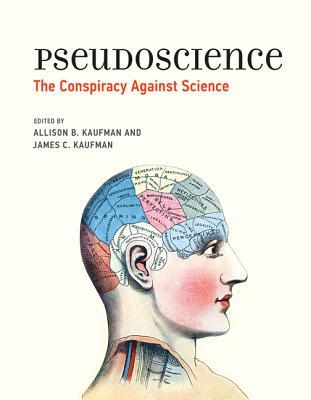
Case studies, personal accounts, and analysis show how to recognize and combat pseudoscience in a post-truth world. In a post-truth, fake news world, we are particularly susceptible to the claims of pseudoscience. When emotions and opinions are more widely disseminated than scientific findings, and self-proclaimed experts get their expertise from Google, how can the average person distinguish real science from fake? This book examines pseudoscience from a variety of perspectives, through case studies, analysis, and personal accounts that show how to recognize pseudoscience, why it is so widely accepted, and how to advocate for real science. Contributors examine the basics of pseudoscience, including issues of cognitive bias; the costs of pseudoscience, with accounts of naturopathy and logical fallacies in the anti-vaccination movement; perceptions of scientific soundness; the mainstream presence of integrative medicine, hypnosis, and parapsychology; and the use of case studies and new media in science advocacy. Contributors David Ball, Paul Joseph Barnett, Jeffrey Beall, Mark Benisz, Fernando Blanco, Ron Dumont, Stacy Ellenberg, Kevin M. Folta, Christopher French, Ashwin Gautam, Dennis M. Gorman, David H. Gorski, David K. Hecht, Britt Marie Hermes, Clyde F. Herreid, Jonathan Howard, Seth C. Kalichman, Leif Edward Ottesen Kennair, Arnold Kozak, Scott O. Lilienfeld, Emilio Lobato, Steven Lynn, Adam Marcus, Helena Matute, Ivan Oransky, Chad Orzel, Dorit Reiss, Ellen Beate Hansen Sandseter, Kavin Senapathy, Dean Keith Simonton, Indre Viskontas, John O. Willis, Corrine Zimmerman
I finished the book over a month ago and jotted down some very brief notes, but only now have got time to expand on them and type up.
This is an awesome book, not without a few limitations (which are really just my personal interests) but very broad in scope, wide-ranging and multidisciplinary - with aspects ranging from the philosophical, definitional, psychological, and practical implications of pseudoscience.
I was most interested in the philosophical and historical chapters, focussing on what pseudoscience is and how pseudoscience can be distinguished from "real science". What I learnt there is there is no "bright line" between pseudoscience and science - rather, defining the border between these two activities requires the continual process of "boundary work", ie the activities of scientists, bloggers, critical thinkers etc, in patrolling the borders and working to scrutinise what is there, and to define elements as either on one side or the other - science versus pseudo.
I felt the earlier chapters were strongest, in laying out these fundamentals and discussing how pseudoscience works - what are the innate failings of the human brain which allow merchants of false science to succeed in evangelising their message.
Kevin Folta's chapter absolutely stands out for its humour and clarity, particularly in the section about his interactions with a Dr Huber, regarding the purported identification of a new plant pathogen, in crops treated with the herbicide Roundup. This illustrates the importance of narrative and charisma in defeating pseuodoscience: as Trish Greenhalgh has said in a talk about "Evidence in a post-truth world", the science doesn't speak for itself - it needs to be spoken for.
Britt Hermes' chapter is phenomenal because again she brings the issues very vividly to life with her own personal story. In particular, she describes the moment when she realises that she has been working in a naturopathic clinic to treat patients with a drug that was being illegally imported, and which the FDA had impounded. Days later, she had seen a lawyer, quit naturopathy, and started her switch over to working to defend the boundary between science and pseudoscience. She quotes a naturopathy colleague as saying: "all naturopaths walk the line between legal and illegal practices".
I did feel there were some limitations in the book. In Jeff Beall's chapter, he suggests that open access journals facilitate the dissemination of pseudoscience. I am biased in my comment on this (having spent some years working on open access journals), but I do not feel that this is a legitimate criticism, because the problems with peer review are not connected with the type of publication model, and many poor-quality closed access journals exist (and indeed existed well before open access took off).
Seth Kalichman's chapter is also excellent because arguably the area of pseudoscience he discusses (AIDS denialism) has killed more, through an organised form of dissemination of misinformation, than any other. (I really don't have stats on this, it's just my impression). He has written more extensively on this in his book, Denying AIDS (which I strongly recommend). Kalichman writes about how he actually met denialists in person, and interacted with them on social media groups (then discussion boards etc) to research the social networks and processes by which denial was spread. As a result, Kalichman (along with Folta, Hermes and others) give a special level of insight into how pseudoscience comes about - who are the individuals who form the "root nodes", or are the influencers and disseminators? Why do they do what they do?
There were some areas which I felt were somewhat lacking in this book, although it covers a huge range of ground. Beall talks about how particular publication models may help facilitate pseudoscience, but I don't recall much of the book focussing on how "false science" now spreads like wildfire over social media - Twitter and Facebook for example. How should those who do boundary work, use these and other tools to combat pseudoscience? Should scientists actively engage with the purveyors of bullshit over social media? Is it a waste of time? Will it tarnish their reputation? If not them, who should do the pseudohunting? Are these appropriate methods? Is long-form blogging (eg, the efforts of Science-Based Medicine and many other blogs and blog networks) the way forward?
The area of greatest personal concern to me - pseudoscience as it relates to parenting issues - was barely discussed, bar a few small mentions here and there. Kalichman talks a bit about the story of Christine Maggiore, an HIV-positive mother who refused ARVs because of her HIV denialist views, and breastfed her baby; who then became infected (it's impossible to know when or how - it could have been during pregnancy, birth or breastfeeding) and then died as a toddler. Kalichman has previously explained how the girl could have been saved, if the serious illness (an AIDS-defining one) she had just before her death could have been linked to HIV. But for various reasons the girl was never tested for HIV and the reason for her illness was not determined until after her death, when it was far too late.
We live in a time when mothers-to-be are told that having a C-section may disturb their baby's microbiome, and go on to cause chronic ill-health in the child, or maybe this (and other birth "interventions") could cause "epigenetic harm" through "the wrong kind of stress" on the baby. I have seen such suggestions disseminated widely on social media by people who are trying to advocate for mothers' rights in birth and parenting; even those who have professional and ethical responsibilities towards women whose health they are aiming to protect. Are these suggestions science, or pseudoscience? I don't know, but I would love to see a greater array of voices join the groups of critical thinkers who are willing to dispassionately and respectfully break down those claims, scrutinise and discuss them in order to better define the boundaries of science - and thereby place science in its rightful place, as an enterprise dedicated to the benefit of people and society.
This is an excellent book for our time. Junk science, and outright fake science abound and it can be difficult to tell the good science from the bad. The anti-vaccine movement, cognitive biases, predatory journals and more are examined. I particularly liked Chapter 18 - Using Cast Studies to Combat a Pseudoscience Culture. I recommend it to all students, parents and teachers. The structure of the book is very useful for assigning readings as the citations for each chapter are at the end of the chapter.
This reads more like a textbook than a casual nonfiction read. Background knowledge is needed, the book draws on many themes and theories that won't be familiar to non-STEM majors. Overall I enjoyed the book, but someone without a prior interest in the field would likely not. Several chapters seems superfluous and added to crawling pace, not aided in the least by the length in its entirety.
تقول البروفيسورة في علم الأحياء التطوري Alison B. Kaufman في كتابها المهم Pseudoscience The-Conspiracy Against Science :
تمتع البشر في العالم الأكثر تصنيعًا بفرص وافرة للوصول إلى الغذاء حقًا في القرن الماضي . في الواقع ، تراوح 99.9 في المائة من تاريخ الإنسان العاقل عند حافة المجاعة ، حيث كانوا يقضون وقت العمل ووقت الفراغ في البحث عن الجذور ، والأوراق الشابة الرقيقة ، واليرقات ، والمخلوقات الأخرى للحصول على القوت الأساسي. ربما بدت الحقيقة وكأنها مجموعات صغيرة من الناس يتجولون من مكان لآخر ، ويحصلون على السعرات الحرارية ، وليس الكثير من المحاربين الذين يرتدون ملابس خاصة يتجولون و يصطادون الماموث. إذا كنت محظوظًا ، فستستمر في التكاثر ، لأن بعض الاكتشافات الغذائية اليومية للإنسان البدائي تحتوي بلا شك على جرعة جيدة من المركبات السامة الطبيعية لتكملة المكاسب الغذائية الضئيلة. تم تحديد اتجاهات الغذاء من خلال المنتجات التي لم تقتلنا أو تجعلنا مرضى ، وأنتجت بعض القطع الصالحة للأكل على مدار العام. في مرحلة ما قبل عشرين ألف سنة ، أدرك البشر أنه يمكنهم تجاوز خطة الطبيعة المحزنة وأخذوا النباتات تحت سيطرتهم. تم نقل النباتات من حيث تضعها الطبيعة إلى حيث يحتاجها البشر. تم نسيان السمات التي وجدتها الطبيعة ذات قيمة ، حيث اختار البشر ونشروا النباتات التي تحمل سمات وجدوها مفيدة للغاية. ولد التدخل البشري في التلاعب في علم الوراثة النباتية.
ومنذ ذلك الحين ، أعاد البشر توزيع النباتات إلى جميع أنحاء العالم. قامت العقول العلمية مثل تشارلز داروين ونيكولاي فافيلوف وغيرهم بفحص أدلة تدجين النبات ، وأبدت ملاحظة مفادها أن المحاصيل الغذائية تميل إلى أن تنشأ حول المراكز السكانية . يعني ذلك أن البشر جعلوا النباتات أفضل. سواء أدركوا ذلك أم لا ، فقط من خلال تطهير الأرض ، أو إسقاط البذور عن غير قصد ، أو تشتيت القمامة ، بدأت الحضارات البشرية المبكرة تؤثر على النظام الطبيعي لتطور النبات. كانوا أول من قام بتعديل الوراثة النباتية
إن مصطلح "طبيعي" لا معنى له ، ومع ذلك يوصف بأنه مصطلح قوي ، ويعرّف المنتج بأنه متفوق بطريقة ما على المنتجات الاستهلاكية النظيرة. أعطت الطبيعة الأم للبشر بعض المواد الخام النقية. لم يعثر أسلافنا على طماطم جيدة وموز قابل للأكل و حبات كبيرة من الذرة تنمو في قطع الأرض المحلية الحضرية. بدلاً من ذلك ، كانت عروض الطبيعة قاسية جدًا.. باختصار ، لا يوجد شيء تأكله اليوم مطابق لشكله الطبيعي. كل شيء تأكله تم تغييره وراثيا (هل نجرؤ على القول بأنه معدّل وراثيا؟) من قبل البشر. كل شىء.
حتى إذا أقسمت فقط على تناول المحاصيل الغذائية الرئيسية اليوم في حالتها الطبيعية ، فسيتعين عليك مغادرة أمريكا الشمالية ومعظم المواقع خارج المناطق الاستوائية وشبه الاستوائية. تقريبا جميع الفواكه والخضروات الرئيسية في قسم إنتاج البقالة لها أصول متناثرة على نطاق ضيق من الكرة الأرضية. البروكلي من البحر الأبيض المتوسط. الطماطم والبطاطس والفول السوداني من أمريكا الجنوبية. الاسكواش والفاصوليا والذرة من المكسيك الحديثة. تشيع أنواع الحمضيات في جنوب شرق آسيا. التفاح من كازاخستان والفراولة من الصين. فقط عدد قليل من المحاصيل ، مثل عباد الشمس ، وبعض نباتات البراسيا ، والعنب البري ، وعدد قليل من المحاصيل الأخرى ، يمكن أن يأتي من أمريكا الشمالية . لم يغير البشر الوراثة النباتية فحسب ، بل أثرنا أيضًا على البيئة ، من خلال نقل النباتات من المناطق الصغيرة التي نشأوا فيها إلى المزارع حيث يمكن القول أنهم لا ينتمون. يعتمد العلم الزائف وسوء الفهم الكافي حول أصول الطعام على الفكرة الخاطئة القائلة بأن الطعام والتغذية كانا أفضل بشكل سحري. يحدد هذا المفهوم الخاطئ الخلفية التي يتم من خلالها الحكم على التقنيات الحديثة. في الأساس ، فإن منتقدي علم الوراثة وتقنيات الإنتاج الحديثة لديهم قاسم مشترك خاطئ : التوق إلى ازدراء التكنولوجيا الحديثة للغذاء !!
My opinion of this book is fatally impacted by one specific chapter, on "Scientific Failure as a public good" by Chad Orzel, where one particular scientific development, hydrino physics, is portrayed as pseudoscience in a way that reveals more about the preconceptions of the author than about the actual science.
The mere fact of including this work in a chapter titled "scientific failure" is to stigmatise it right from the start. This is reinforced by wording like "drawing a contrast with genuine scientific failures" : in other words, hydrino physics is also a failure, but in addition it's not genuine. But of course, according to Orzel, "It probably goes without saying that the mainstream physics community does not take the hydrino idea seriously". And let us not forget that "Mills lacks relevant professional credentials" : he's not a physicist.
I don't know if Mills is right about hydrinos. But what I do know is that every preconception of Orzel about Mills is a misconception. Apparently the idea of a polymath escapes his imagination : that a Harvard MD who published in Nature on advanced drug treatments can subsequently write an 1800-page monograph on physics that has been likened to Newton's Principia is beyond him. He will not know that this work is of a breathtaking breadth and depth, because he hasn't read it. Nor has he allowed any serious consideration of positive information about Mills. How else can we reconcile Orzel's classification as "pseudoscience" with professor Reinhart Engelmann's commentary "The unified theory of Mills provides a simple, exceptionally pleasing, resolution of the conceptual problems with the traditional quantum mechanics of Schrödinger and Heisenberg." ?
If anything, the treatment of Mills by Orzel embodies the idea of a "Conspiracy Against Science" by condemning divergent thought outright and adding to the stigmatisation of promising new theoretical developments. It is regrettable that the editors did not detect this. It may stand as a lesson to future generations of how human bigotry and the pressure to conform can impede scientific progress, even at the dawn of the 21st century.
If you really want a good read, pick up "Randell Mills and the search for hydrino energy" by Brett Holverstott. Then decide for yourself.
I will be transparent here. I am an acupuncturist. This book and I were never going to be friends. There were a few articles within that were interesting reading, and I appreciate what they had to say about confirmation bias. Certainly their confirmation bias went into play with everything they wrote about my profession as well.
I probably appreciated Chris French's article the most, because he admits that he was once a big believer in just about all things paranormal, then became completely against all things paranormal, and finally came back to realizing that maybe there might be some validity to some of it.
The guy who was once a naturopathic doctor broke my heart, not because he had such negative things to say about the profession, but because he doesn't seem able to look back and see any good that he did. Maybe it makes a difference that he worked under someone else, and I have my own practice. His boss, who he should have been able to look up to, was shady and did things that were unethical. I don't have that problem. I make my own decisions about what I do, I am open with my clients, I let them know that acupuncture doesn't always help, I do my best to make them comfortable throughout the process, and at the end of the day, I see a lot of people feel better. That keeps me going. I love what I do! I love the people I work with!
I appreciate the perspective of these writers, even those who say what I do is fraudulent. That stings, because we all feel a little bit of "impostor syndrome." One person made the analogy of science vs pseudoscience as being a little like politics and Democrats vs Republicans. Politics will go nowhere until some of them are willing to step across the aisle and shake hands with the other side. There is nothing wrong with being a skeptic, but please don't put blinders on and refuse to acknowledge any other way of thinking. Perhaps it would be better if the "true scientists" stepped across the aisle and helped the people who are doing what they feel are pseudoscientific studies to design better studies so we can all be on the same page.
Στο παρόν βιβλίο η δυαδική τοποθέτηση άσπρο - μαύρο, επιστήμη - ψευδοεπιστήμη έχει καλύψει τα πάντα. Ή είσαι με την επιστήμη, ή δεν είσαι. Το βιβλίο είναι συλλογή άρθρων από πολλούς συγγραφείς που προσεγγίζουν το πρόβλημα της ψευδοεπιστήμης και της συνωμοσιολογίας με αγριεμένα ορθολογιστικό τρόπο, ίσως γιατί στις ΗΠΑ το κακό έχει παραγίνει (εμβόλια, άρνηση ολοκαυτώματος, επίπεδη Γη, μεταλλαγμένα τρόφιμα κλπ) και με κύριο στόχο να προτείνουν τρόπους ανάπτυξης κριτικής σκέψης, ιδιαίτερα στη νεολαία. Δεν αφήνουν περιθώρια αποδοχής θεωριών που κινούνται έξω από την επίσημη επιστήμη, σαν να λένε "ως εδώ και μη παρέκει". Αυτά, το 2018. Και μετά ήρθε ο Τραμπ.
The author’s quest is to explore a pattern of pseudoscience, how it had arisen, and how it acts. The author documents and analyzes many case studies that show what he called the post-truth and emphasizes the role of modern communication and media in the development of pseudoscience. عمل المؤلف على محاولة لاستكشاف نمط للعلوم الزائفة، وكيف تنشأ، وكيف تعمل وتؤثر، وفي سبيله إلى ذلك، قام المؤلف بتوثيق وتحليل العديد من الحالات الدراسية التي تبين ما يدعوه بما بعد الحقيقية، موضحًا بالذات دور وسائط الاتصال والإعلام الحديثة في تطوير العلوم الزائفة. الكتاب بالإنجليزية، ولكن في رأي مهم لكل عربي اليوم.
It's a collection of articles, several of which are kind of dull nitpicking about definitions, etc., along with a few pieces written for the collection. One was a sarcastic screed by a guy who had a personal bone to pick, which no doubt felt satisfying to write, but wasn't as good to read.
Some articles made the same points as others so it was a bit repetitive, and many of the authors wrote in a way that would only appeal to people who already agree with them.
There were a few good bits, especially those about ways to teach critical thinking. But overall, I expect there are better books on this topic.
A galloping tour of the demarcation problem and the sociological battle for the truth. Interesting enough despite the often depressing state of the intellectual/scientific world as it relates to the average person.