

What do you think?

The Elements of Spellcrafting: 21 Keys to Successful Sorcery
"In The Elements of Spellcrafting , Jason Miller shares his knowledge, experience, and insights with us and he does it with grace, good humour, and practical common sense. This book will be of interest to anyone interested in the magical arts or wishing to become a better spellcaster."—Judika Illes, author of The Element Encyclopedia of 5000 Spells
There is no shortage of spells out there. Some books highlight thousands of spells, but do any of them actually work? And how well do they work? I don't mean just getting a result--I mean getting a result that matters, a result that will impact your life or the lives of those you work for. The Elements of Spellcrafting provides the most effective and efficient ways to get things done with magic.
The Elements of Spellcrafting identifies and explains 21 keys to successful sorcery--a best practices of sorcery--in three
If you have ever cast a spell that didn't work, The Elements of Spellcrafting will help you figure out why.
If you regularly cast spells that seem to work but you still wind up in the same circumstances, this book will definitely help you chart a new course for victorious spellcrafting.
There is no shortage of spells out there. Some books highlight thousands of spells, but do any of them actually work? And how well do they work? I don't mean just getting a result--I mean getting a result that matters, a result that will impact your life or the lives of those you work for. The Elements of Spellcrafting provides the most effective and efficient ways to get things done with magic.
The Elements of Spellcrafting identifies and explains 21 keys to successful sorcery--a best practices of sorcery--in three
If you have ever cast a spell that didn't work, The Elements of Spellcrafting will help you figure out why.
If you regularly cast spells that seem to work but you still wind up in the same circumstances, this book will definitely help you chart a new course for victorious spellcrafting.
224 pages, Paperback
Published February 19, 2018
About the author
Jason Miller
14 books285 followersJason G. Miller, who also works as Inominandum, has devoted over 20 years to the study of witchcraft and magick in its many forms. He is a Sovereign of the Chthonic Ouranian Temple, and initiate of Ordo Templi Orientis, and a member of the Terra Sancta Sangreal Sodality, as well as an initiated Tantrika of the Nyingma and Bön lineages of Tibet. He writes regularly for the journal
Behutet
, and a frequent contributor to Witchvox, and Voice of the Old Ways.
Ratings & Reviews
Friends & Following
Create a free account to discover what your friends think of this book!
Community Reviews
Displaying 1 - 30 of 63 reviews

May 6, 2022
Definitely this second book that I read by the author seemed to me much more interesting and without a doubt, with more applicable and concise data.
It goes straight to the point and I think it provides a much more solid foundation for me to continue learning about it.
It goes straight to the point and I think it provides a much more solid foundation for me to continue learning about it.

August 28, 2022
There are a lot of great insights in this book from somebody with a great deal of experience and knowledge. I've read most of his books, and taken a class (with intentions to enroll in a couple of other classes). My only criticism is that in his effort to herd people towards a practical middle ground, Miller's teachings can often foster indecision in where the balance lies. It sometimes has me second-guessing my decisions and workings. Also, some of his anecdotes get reused across his works, which leaves you with that "oh, this story again..." feeling, however relevant it is to the point.
In the end, however, I keep going back to Miller because there just doesn't seem to be anyone else as knowledgeable and accessible as he is.
In the end, however, I keep going back to Miller because there just doesn't seem to be anyone else as knowledgeable and accessible as he is.

September 26, 2018
So many good points and good perspectives. It's just a short, simple, to the point book and I'm very happy it's on my shelf. Miller hit in a lot of things I wish more people were talking about.

March 15, 2025
I got through this book real quick! I agreed with mostly what he was saying here. There was even a couple of things I thought "ooohhh, I should write that down!" For example, I loved that his definition of "magick" is an influence upon change, working WITH the natural world. It really does work like that.
Yet, like the other book of his I have read, the way he approaches closed cultures concerns me. He says things like, "yes, culture appropriation is not good buuuuuuut..." and I'm thinking, "oh boy, here we go again with the white man ignorance." (says the white enby-girl) He followed it up with "sometimes people are overly concerned with culture appropriation."(not a direct quote) I do not agree. I think some people are still doing it wrong. In this regard, Miller has no right to say whether or not something is closed or open anymore so than I do. Respect for these cultures comes when you shut-up and listen to what is said from those of that lifestyle. If you believe some random person on the internet who says something like "you should stop burning incense because it's culture appropriation of Asian religions" and you think that it's legit enough that the majority of people will believe it, then that's on you and your failure to think critically. It is not the fault of the real people trying to respect closed communities. Teach people to think critically and ask questions, not turn a blind eye to a real problem going on in magickal spaces.
Yet, like the other book of his I have read, the way he approaches closed cultures concerns me. He says things like, "yes, culture appropriation is not good buuuuuuut..." and I'm thinking, "oh boy, here we go again with the white man ignorance." (says the white enby-girl) He followed it up with "sometimes people are overly concerned with culture appropriation."(not a direct quote) I do not agree. I think some people are still doing it wrong. In this regard, Miller has no right to say whether or not something is closed or open anymore so than I do. Respect for these cultures comes when you shut-up and listen to what is said from those of that lifestyle. If you believe some random person on the internet who says something like "you should stop burning incense because it's culture appropriation of Asian religions" and you think that it's legit enough that the majority of people will believe it, then that's on you and your failure to think critically. It is not the fault of the real people trying to respect closed communities. Teach people to think critically and ask questions, not turn a blind eye to a real problem going on in magickal spaces.

December 9, 2021
This is a common sense manual for magic that does an excellent job of helping you troubleshoot what isn’t working in your magical practice. The author shares some useful examples and you’ll come away with a better grasp of what is or isn’t working with your magical work. The keys he provides are useful elements for helping you understand the mechanics of magic.

September 16, 2024
I read this for a book club and found the authors tone very condescending. He did have some good tips but his way of explaining things as if any other approach was a mistake made me not want to follow any of his advice.

August 18, 2020
Felt rather shallow and basic to me, combined with a lot of cultural appropriation. Not quite for me.

April 30, 2018
Although some concepts mentioned were a bit more advanced than I am
particularly used to, I feel I gathered more than enough information to
assist in my future magic-making. Miller did an excellent job breaking down
spellcraft into 21 Key ideas. These ideas inspire and ignite the magic
inside me and I truly believe I will have more effective spells and
enchantment the more I practice his advice. If anyone is unsure how to go
about creating a spell for themselves or others, I would highly recommend
this book. I look forward to reading his other works and continue my
education. Go ahead, check this book out! You won't regret it!
particularly used to, I feel I gathered more than enough information to
assist in my future magic-making. Miller did an excellent job breaking down
spellcraft into 21 Key ideas. These ideas inspire and ignite the magic
inside me and I truly believe I will have more effective spells and
enchantment the more I practice his advice. If anyone is unsure how to go
about creating a spell for themselves or others, I would highly recommend
this book. I look forward to reading his other works and continue my
education. Go ahead, check this book out! You won't regret it!

February 26, 2018
Read this for a second time, and it's still a great book for fine-tuning your magic.

March 22, 2023
An excellent look at key elements to consider when crafting and casting spells to make sure energy isn't wasted and results are mostly in line with desires.

July 28, 2024
This book translates well to an audiobook, although I own the physical copy. It has good, generic tips that can apply to any practice - so it's versatile. It also reads like anything Jason writes in that it's to the point, without "fluff." It has examples to clarify his points and is well organized. It's also very grounded, and by that, I mean it reminds you that we're all always learning and will never know everything. I would recommend it to anyone of any level because it may have points you may not have thought of before - even though it could be considered a beginner-level book.

July 21, 2019
I really enjoyed this book. I found it very informative and it has opened my eyes to things.
I really enjoyed the comics at the beginning of each chapter, they gave me a laugh. I also enjoyed how the comics were summed up at the end of the chapters concluding meaning.
I'm definitely going to check our more books by this author.
I really enjoyed the comics at the beginning of each chapter, they gave me a laugh. I also enjoyed how the comics were summed up at the end of the chapters concluding meaning.
I'm definitely going to check our more books by this author.

June 24, 2025
A good and solid overview of how to approach spell crafting and magic.

April 24, 2023
All of Jason Miller’s books are great

September 28, 2024
The Elements of Spellcrafting by Jason Miller stands out as a pragmatic, insightful, and deeply useful manual for those serious about honing their magical craft. Rather than offering a collection of pre-written spells, Miller digs into the mechanics of how to craft spells that work—not just for fleeting results, but for life-altering outcomes. For seasoned practitioners and beginners alike, this book offers a treasure trove of practical wisdom for achieving successful sorcery.
What sets this book apart from others in the genre is Miller’s straightforward approach to breaking down the why behind spell failure and how to improve results. Spells are not simply about following recipes but require an understanding of the deeper principles that make them effective. Miller doesn’t just want you to cast a spell that works once; he wants you to learn how to consistently create sorcery that delivers real, impactful change.
The book is structured around 21 “keys” to spellcasting success, which are divided into three sections: the first dealing with the mindset and preparation needed for effective magic, the second focused on the actual crafting and casting of spells, and the third addressing ways to maximize and sustain the results. This logical, clear structure makes The Elements of Spellcrafting not just a how-to guide but a true course in magical mastery.
One of the most valuable lessons Miller emphasizes is the importance of goal clarity—understanding exactly what you want from a spell and ensuring that your focus is aligned with your true desires. He challenges practitioners to move beyond vague intentions and get specific about what they’re asking for, and he underscores the importance of ensuring that your actions in the mundane world are in harmony with your magical efforts. His advice on crafting a strong, singular focus for your work is a key takeaway that many books gloss over, but it’s essential to long-term success in the craft.
Miller’s perspective on failures in spellwork is equally important. Rather than treating failed spells as an anomaly or a reason to give up, he shows how analyzing what went wrong can be just as valuable as celebrating successes. He offers real strategies for troubleshooting spells that fall flat and advises practitioners on how to approach setbacks as learning opportunities rather than defeats. This practical mindset encourages resilience and persistence—qualities essential to any long-term magical practice.
Another standout element of the book is Miller’s focus on efficiency. He emphasizes the importance of crafting spells that not only work but do so with precision and economy. Why cast a spell that takes days of preparation when a simpler, more direct approach will yield better results? His principles of sorcery are aimed at helping practitioners streamline their craft, ensuring that each spell is maximized for impact without unnecessary complexity.
Miller’s no-nonsense tone is balanced with a good dose of humor and warmth, making the material feel approachable even when he’s delivering hard truths about where most spellcasters go wrong. His advice on blending magic with real-world action is another refreshing aspect of the book—he reminds readers that magic isn’t a replacement for taking concrete steps in the physical world, but a tool to enhance and accelerate those efforts.
For those who find themselves casting spells that seem to work temporarily but leave them in the same situations again and again, The Elements of Spellcrafting offers a course correction. Miller addresses the need for long-term strategies that ensure your magical efforts create lasting, meaningful change. His keys to successful sorcery aren’t just about one-off results—they’re about creating a sustainable practice that integrates magic into every aspect of life.
What sets this book apart from others in the genre is Miller’s straightforward approach to breaking down the why behind spell failure and how to improve results. Spells are not simply about following recipes but require an understanding of the deeper principles that make them effective. Miller doesn’t just want you to cast a spell that works once; he wants you to learn how to consistently create sorcery that delivers real, impactful change.
The book is structured around 21 “keys” to spellcasting success, which are divided into three sections: the first dealing with the mindset and preparation needed for effective magic, the second focused on the actual crafting and casting of spells, and the third addressing ways to maximize and sustain the results. This logical, clear structure makes The Elements of Spellcrafting not just a how-to guide but a true course in magical mastery.
One of the most valuable lessons Miller emphasizes is the importance of goal clarity—understanding exactly what you want from a spell and ensuring that your focus is aligned with your true desires. He challenges practitioners to move beyond vague intentions and get specific about what they’re asking for, and he underscores the importance of ensuring that your actions in the mundane world are in harmony with your magical efforts. His advice on crafting a strong, singular focus for your work is a key takeaway that many books gloss over, but it’s essential to long-term success in the craft.
Miller’s perspective on failures in spellwork is equally important. Rather than treating failed spells as an anomaly or a reason to give up, he shows how analyzing what went wrong can be just as valuable as celebrating successes. He offers real strategies for troubleshooting spells that fall flat and advises practitioners on how to approach setbacks as learning opportunities rather than defeats. This practical mindset encourages resilience and persistence—qualities essential to any long-term magical practice.
Another standout element of the book is Miller’s focus on efficiency. He emphasizes the importance of crafting spells that not only work but do so with precision and economy. Why cast a spell that takes days of preparation when a simpler, more direct approach will yield better results? His principles of sorcery are aimed at helping practitioners streamline their craft, ensuring that each spell is maximized for impact without unnecessary complexity.
Miller’s no-nonsense tone is balanced with a good dose of humor and warmth, making the material feel approachable even when he’s delivering hard truths about where most spellcasters go wrong. His advice on blending magic with real-world action is another refreshing aspect of the book—he reminds readers that magic isn’t a replacement for taking concrete steps in the physical world, but a tool to enhance and accelerate those efforts.
For those who find themselves casting spells that seem to work temporarily but leave them in the same situations again and again, The Elements of Spellcrafting offers a course correction. Miller addresses the need for long-term strategies that ensure your magical efforts create lasting, meaningful change. His keys to successful sorcery aren’t just about one-off results—they’re about creating a sustainable practice that integrates magic into every aspect of life.
November 28, 2019
Really great advice from Jason Miller!
This book is excellent for improving your own magickal practice, no matter what that practice is. It really helped me to think outside of the box, and helped me improve my own ability when it comes to devising my own spells and working with spirits. This is not a book of spells, or a "how to" manual that is going to hold your hand every step of the way. This is definitely a book I will read more than once!
This book is excellent for improving your own magickal practice, no matter what that practice is. It really helped me to think outside of the box, and helped me improve my own ability when it comes to devising my own spells and working with spirits. This is not a book of spells, or a "how to" manual that is going to hold your hand every step of the way. This is definitely a book I will read more than once!

October 30, 2020
Just wonderful. If you've never done a spell in your life, read it. If you've been doing magic for a lifetime, also read it. This is it. This is the book that will take you to the level you want to be at.

March 18, 2025
Covers solely the do’s and don'ts of spellcraft; good for self-assessing the way you work - it cleared the micro macro enchantment superstition up for me!
The comic gives it Condensed Chaos 2000 magic vibes +
The comic gives it Condensed Chaos 2000 magic vibes +

June 3, 2018
This book has easily become one of my go-to reference books for checking myself when it comes to crafting my spellwork.
November 30, 2019
Doesn't dick around
Straight forward guide written by someone who speaks to your practical side. The pragmatism I have yearned for in my studies
Straight forward guide written by someone who speaks to your practical side. The pragmatism I have yearned for in my studies
September 14, 2021
Amazing book, kind of a beginner adjacent like all of his books
January 17, 2022
A must-read for anybody looking to advance their spellcrafting.

August 14, 2022
A great book for trouble shooting in magick and spellwork.

August 17, 2026
There are thousands of books that will give you spells. There are far fewer books that will teach you how to make your spells actually work. The Elements of Spellcrafting is one of the best books I’ve encountered for that second category, because Jason Miller is less interested in giving you another ritual to copy than in teaching you how a sorcerer thinks.
The premise sounds simple: twenty-one keys to more successful magic. But what Miller is really doing is examining all those little things that separate a technically correct spell from effective sorcery. Why did one spell work while another went nowhere? Why did you technically get what you asked for but still not solve the actual problem? Why do some practitioners seem capable of producing meaningful results consistently while others spend years performing magic without their circumstances ever really changing? Those are much more interesting questions than what color candle corresponds to prosperity, and Miller isn't afraid to ask them.
One of my favorite things about Jason Miller is his insistence that magic exists in conversation with the rest of your life. Successful sorcery isn't necessarily about producing spectacular supernatural events. It's about creating results. That means thinking strategically about what you actually want, identifying the pathways through which a result could manifest, taking mundane action when necessary, and using magic intelligently to influence the situation. Sometimes the problem isn't that your magic lacked power. You aimed it at the wrong target.
That distinction between getting a magical result and getting a result that actually matters is worth the price of the book by itself. It's entirely possible to cast spells successfully and still remain stuck in the same patterns. Miller pushes you to evaluate magic by whether it meaningfully changes circumstances rather than whether you can find some small synchronicity afterward and declare the spell a success. That approach is refreshingly practical and, frankly, something more books on spellcraft should address.
I also love Miller's voice. He's knowledgeable without becoming precious about occultism, practical without stripping magic of its mystery, and funny without turning the material into a joke. You get the distinct impression that these lessons weren't developed by sitting around theorizing about how sorcery ought to work. They come from years of actually doing magic, getting results, making mistakes, adjusting course, and figuring out what works consistently enough to teach someone else.
This is one of those books I think becomes more valuable after you've practiced magic for a while. A beginner can absolutely learn from it, but if you've already cast dozens or hundreds of spells, you're going to recognize situations throughout this book and probably have several uncomfortable moments where you realize exactly why something you did years ago failed.
If you already own books full of spells, buy this one before buying another thousand. The Elements of Spellcrafting teaches something much harder to find: strategy. Jason Miller doesn't just want you performing more magic. He wants you performing better magic, and more importantly, getting better results from it. This is absolutely essential reading for anyone serious about practical sorcery.
The premise sounds simple: twenty-one keys to more successful magic. But what Miller is really doing is examining all those little things that separate a technically correct spell from effective sorcery. Why did one spell work while another went nowhere? Why did you technically get what you asked for but still not solve the actual problem? Why do some practitioners seem capable of producing meaningful results consistently while others spend years performing magic without their circumstances ever really changing? Those are much more interesting questions than what color candle corresponds to prosperity, and Miller isn't afraid to ask them.
One of my favorite things about Jason Miller is his insistence that magic exists in conversation with the rest of your life. Successful sorcery isn't necessarily about producing spectacular supernatural events. It's about creating results. That means thinking strategically about what you actually want, identifying the pathways through which a result could manifest, taking mundane action when necessary, and using magic intelligently to influence the situation. Sometimes the problem isn't that your magic lacked power. You aimed it at the wrong target.
That distinction between getting a magical result and getting a result that actually matters is worth the price of the book by itself. It's entirely possible to cast spells successfully and still remain stuck in the same patterns. Miller pushes you to evaluate magic by whether it meaningfully changes circumstances rather than whether you can find some small synchronicity afterward and declare the spell a success. That approach is refreshingly practical and, frankly, something more books on spellcraft should address.
I also love Miller's voice. He's knowledgeable without becoming precious about occultism, practical without stripping magic of its mystery, and funny without turning the material into a joke. You get the distinct impression that these lessons weren't developed by sitting around theorizing about how sorcery ought to work. They come from years of actually doing magic, getting results, making mistakes, adjusting course, and figuring out what works consistently enough to teach someone else.
This is one of those books I think becomes more valuable after you've practiced magic for a while. A beginner can absolutely learn from it, but if you've already cast dozens or hundreds of spells, you're going to recognize situations throughout this book and probably have several uncomfortable moments where you realize exactly why something you did years ago failed.
If you already own books full of spells, buy this one before buying another thousand. The Elements of Spellcrafting teaches something much harder to find: strategy. Jason Miller doesn't just want you performing more magic. He wants you performing better magic, and more importantly, getting better results from it. This is absolutely essential reading for anyone serious about practical sorcery.
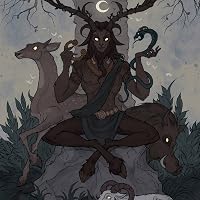
September 6, 2026
The chapter title “Emergency Magic Is Bad Magic” made me laugh because an embarrassing percentage of magical practice could be described as discovering a problem six months late and then expecting a candle to fix it by Friday. Jason Miller’s argument throughout this book is that better spellcraft begins considerably earlier. Is the goal actually useful? Is your life arranged so the desired result has somewhere to enter? Are you enchanting for a temporary event when you should be changing the trajectory that keeps producing the same problem? These are not glamorous questions, but they may be more valuable than another hundred spells.
The concept of making your life “enchantable” is particularly good. If you want employment but apply nowhere, want romance but meet nobody, or want a writing career while never submitting anything, magic has remarkably few routes through which to manifest. Miller’s macro- and micro-enchantment idea develops this further by encouraging multiple operations directed at different points in the same situation rather than placing every expectation on one enormous working. He also gets into offerings, magical links, eclecticism, judging results, failure, scarcity, and maintaining sovereignty. None of this is especially romantic. That is precisely why I trust it.
I also appreciated “Everything Matters” followed almost immediately by “‘Matters’ Does Not Mean Necessary.” That pair could rescue a great many witches from correspondence-table paralysis. Ingredients, timing, gestures, spirits, words, links, and ritual conditions can all influence a working, but recognizing that something contributes does not mean every conceivable contribution must be present. At some point the beautifully researched spell with sixteen herbs, three planetary elections, imported incense, four divine names, and a moon phase you have to wait eleven weeks for has become an extraordinarily sophisticated method of not doing magic.
The last section is where I think the book becomes more interesting than a manual of better technique. Miller wants the magician to stop thinking entirely in terms of individual goals and begin thinking about trajectory. A successful spell that produces five hundred dollars is nice. A magical practice that gradually changes your relationship to money, opportunity, competence, and the circumstances generating repeated crises is something else entirely. That is an idea I have found increasingly persuasive with age. After enough years of spellcasting, the question is no longer simply whether your magic works. It is whether all that working has actually taken you anywhere.
The concept of making your life “enchantable” is particularly good. If you want employment but apply nowhere, want romance but meet nobody, or want a writing career while never submitting anything, magic has remarkably few routes through which to manifest. Miller’s macro- and micro-enchantment idea develops this further by encouraging multiple operations directed at different points in the same situation rather than placing every expectation on one enormous working. He also gets into offerings, magical links, eclecticism, judging results, failure, scarcity, and maintaining sovereignty. None of this is especially romantic. That is precisely why I trust it.
I also appreciated “Everything Matters” followed almost immediately by “‘Matters’ Does Not Mean Necessary.” That pair could rescue a great many witches from correspondence-table paralysis. Ingredients, timing, gestures, spirits, words, links, and ritual conditions can all influence a working, but recognizing that something contributes does not mean every conceivable contribution must be present. At some point the beautifully researched spell with sixteen herbs, three planetary elections, imported incense, four divine names, and a moon phase you have to wait eleven weeks for has become an extraordinarily sophisticated method of not doing magic.
The last section is where I think the book becomes more interesting than a manual of better technique. Miller wants the magician to stop thinking entirely in terms of individual goals and begin thinking about trajectory. A successful spell that produces five hundred dollars is nice. A magical practice that gradually changes your relationship to money, opportunity, competence, and the circumstances generating repeated crises is something else entirely. That is an idea I have found increasingly persuasive with age. After enough years of spellcasting, the question is no longer simply whether your magic works. It is whether all that working has actually taken you anywhere.

August 16, 2026
The Elements of Spellcrafting is less interested in giving you spells than in asking an arguably more important question: why did that spell you just cast actually work, and if it didn’t, what went wrong? Jason Miller approaches sorcery almost like troubleshooting a system, looking at the decisions surrounding magical work rather than assuming that following the instructions correctly should automatically produce a result.
That practical mindset is where the book shines. Miller is constantly pushing against the tendency to treat magic as an isolated event. Casting a prosperity spell while doing absolutely nothing about your financial situation isn’t strategy. Neither is throwing increasingly elaborate magic at a problem without stopping to figure out what kind of problem you’re actually dealing with. The emphasis on approaching goals from multiple directions, combining magical and mundane action, and judging magic by meaningful results rather than convenient coincidences is extremely useful.
I also like the structure of the twenty-one “keys.” It makes the book easy to revisit when something isn’t working. Instead of searching for a stronger spell, you can examine timing, targeting, strategy, divination, conditions, or your assumptions about what success should actually look like. There’s a refreshing willingness throughout to admit that sometimes magic fails and that becoming a better sorcerer means learning from failure rather than explaining every outcome as secretly successful.
My only hesitation is that some of these ideas will feel familiar if you’ve read a lot of Miller’s other work, particularly his writing on strategic sorcery. I also found some of the twenty-one keys considerably more substantial than others. The strongest sections made me want entire chapters where I occasionally got only a few pages.
Still, I’d rather have a book teach me how to think about spellcraft than give me another hundred spells to copy. The Elements of Spellcrafting is ultimately about becoming more strategic, observant, and honest about your results. That makes it useful long after you’ve finished reading it.
That practical mindset is where the book shines. Miller is constantly pushing against the tendency to treat magic as an isolated event. Casting a prosperity spell while doing absolutely nothing about your financial situation isn’t strategy. Neither is throwing increasingly elaborate magic at a problem without stopping to figure out what kind of problem you’re actually dealing with. The emphasis on approaching goals from multiple directions, combining magical and mundane action, and judging magic by meaningful results rather than convenient coincidences is extremely useful.
I also like the structure of the twenty-one “keys.” It makes the book easy to revisit when something isn’t working. Instead of searching for a stronger spell, you can examine timing, targeting, strategy, divination, conditions, or your assumptions about what success should actually look like. There’s a refreshing willingness throughout to admit that sometimes magic fails and that becoming a better sorcerer means learning from failure rather than explaining every outcome as secretly successful.
My only hesitation is that some of these ideas will feel familiar if you’ve read a lot of Miller’s other work, particularly his writing on strategic sorcery. I also found some of the twenty-one keys considerably more substantial than others. The strongest sections made me want entire chapters where I occasionally got only a few pages.
Still, I’d rather have a book teach me how to think about spellcraft than give me another hundred spells to copy. The Elements of Spellcrafting is ultimately about becoming more strategic, observant, and honest about your results. That makes it useful long after you’ve finished reading it.

August 29, 2026
really liked this one. instead of giving you another collection of spells, jason miller focuses on all the little strategic decisions that determine whether your magic actually gets you where you want to go. the 21 keys cover things like setting useful goals, writing better statements of intent, making sure your situation is actually open to change, using offerings, combining larger and smaller enchantments, creating effective links to your target, and learning how to judge whether a spell was genuinely successful.
probably the most valuable thing here is miller’s willingness to treat magic like something you can evaluate and get better at. sometimes spells fail, sometimes they technically succeed without actually improving your situation, and sometimes the problem is the strategy rather than the amount of magical power you threw at it. i really appreciate that kind of pragmatic approach because it pushes you to pay attention to results instead of explaining every outcome as somehow being what the universe intended. this probably isn’t the best first book for someone who has never practiced magic before because it assumes you already have some kind of working system, but if you already cast spells and want to become smarter and more effective about how you approach them, there’s a ton of useful advice here. definitely one i’ll be returning to.
probably the most valuable thing here is miller’s willingness to treat magic like something you can evaluate and get better at. sometimes spells fail, sometimes they technically succeed without actually improving your situation, and sometimes the problem is the strategy rather than the amount of magical power you threw at it. i really appreciate that kind of pragmatic approach because it pushes you to pay attention to results instead of explaining every outcome as somehow being what the universe intended. this probably isn’t the best first book for someone who has never practiced magic before because it assumes you already have some kind of working system, but if you already cast spells and want to become smarter and more effective about how you approach them, there’s a ton of useful advice here. definitely one i’ll be returning to.

March 8, 2018
All in all, I really enjoyed "The Elements of Spellcrafting". I like Miller's writing style, he seems to be a person that you could have a beer with and argue the evening away. My favorite line in the book: "There is no Magic Magic." Trust me, you'll have to read that section.
Of course, as I usually do, I jumped to the back of the book. I found a nice Appendix and Notes section. The Notes section makes for a nice starting point for your own research.
One the downside, I hated the interior art. The cartoons looked like jokes from an old 1970s era D&D magazine. They just didn't work for me.
That being said, I give the book 4 stars out of 5 and strongly encourage you to add this one to your esoteric home library.
Disclosure of Material Connection: I received this book free from New Page Books. I was not required to write a positive review. The opinions I have expressed are my own. I am disclosing this in accordance with the Federal Trade Commission’s 16 CFR, Part 255 : “Guides Concerning the Use of Endorsements and Testimonials in Advertising.”
Of course, as I usually do, I jumped to the back of the book. I found a nice Appendix and Notes section. The Notes section makes for a nice starting point for your own research.
One the downside, I hated the interior art. The cartoons looked like jokes from an old 1970s era D&D magazine. They just didn't work for me.
That being said, I give the book 4 stars out of 5 and strongly encourage you to add this one to your esoteric home library.
Disclosure of Material Connection: I received this book free from New Page Books. I was not required to write a positive review. The opinions I have expressed are my own. I am disclosing this in accordance with the Federal Trade Commission’s 16 CFR, Part 255 : “Guides Concerning the Use of Endorsements and Testimonials in Advertising.”

October 12, 2023
Quién me manda a mí leer estas cosas. Libro relacionado con la magia que más que un manual vienen a ser 21 consejos que tener en cuenta a la hora de practicarla, aunque son un poco perogrulladas porque se basan en cosas realistas, tipo "no puedes hacer que te toque la lotería porque las probabilidades son ínfimas, pero si te lo curras puedes encontrar un trabajo en donde te paguen algo mejor". Vamos, que más de uno se preguntará si no habría funcionado sin magia también. Pues probablemente sí, la magia es sólo el último empujón, como si se utilizase para jugar mejor al tenis y lo único que cambiase es que, en el caso de que la pelota se quede en la cinta, caerá del lado adecuado. Pero si quieres mejorar de verdad, simplemente entrena más.
Lo bueno y curioso de este enfoque realista es que al final son consejos que de puro sentido común son útiles en ámbitos de la vida cotidiana o laboral que nada tienen que ver con lo mágico. Esto, junto con una escritura clara y muchos ejemplos (nada de teoría u oscurantismo), hace que no se haga pesado y deje un pequeño poso.
Lo bueno y curioso de este enfoque realista es que al final son consejos que de puro sentido común son útiles en ámbitos de la vida cotidiana o laboral que nada tienen que ver con lo mágico. Esto, junto con una escritura clara y muchos ejemplos (nada de teoría u oscurantismo), hace que no se haga pesado y deje un pequeño poso.

December 16, 2023
While other books by Miller have gained greater popularity in recent years, I consider this book to be essential reading for anyone who identifies as a sorcerer, witch, or any type of magical practitioner. The author's distinctive style effortlessly combines solid advice with humor, taking you on a journey through your past and current mistakes in spellcasting, ultimately guiding you toward crafting a better future.
The playful tone of the book, accompanied by comic book-style images, may have led some to perceive it as a lesser work. I think it might be possible that the author intentionally crafted the book with a playful tone and comic book-style images to both engage readers and filter out those who may lack the patience to delve into its full content. But if more people were to read and heed the advice within this book, we might find ourselves in a society where magic workers make fewer mistakes in their craft. Whether you're a novice or consider yourself an advanced student of magic, this book is a valuable addition to your collection. I highly recommend it.
The playful tone of the book, accompanied by comic book-style images, may have led some to perceive it as a lesser work. I think it might be possible that the author intentionally crafted the book with a playful tone and comic book-style images to both engage readers and filter out those who may lack the patience to delve into its full content. But if more people were to read and heed the advice within this book, we might find ourselves in a society where magic workers make fewer mistakes in their craft. Whether you're a novice or consider yourself an advanced student of magic, this book is a valuable addition to your collection. I highly recommend it.
Displaying 1 - 30 of 63 reviews