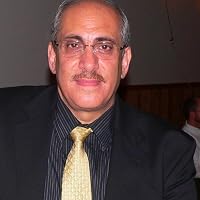
Marwan Muasher, a prominent Jordanian diplomat, has been instrumental in shaping Middle East peace efforts for nearly twenty years. He served as Jordan’s first ambassador to Israel and was also ambassador to the United States, spokesperson at peace talks in Madrid and Washington, minister of foreign affairs, and deputy prime minister in charge of reform. Here he recounts the behind-the-scenes details of diplomatic ventures over the past two decades, including such recent undertakings as the Arab Peace Initiative and the Middle East Road Map. Muasher’s insights into internal Arab politics and the successes and failures of the Arab Center are uniquely informed and deeply felt. He assesses how the middle road approach to reform is faring and explains why current tactics used by the West to deal with Islamic groups are doomed to failure. He examines why the Arab Center has made so little progress and which Arab, Israeli, and American policies need rethinking. Part memoir and part analysis, this book reveals the human side of the Arab-Israeli conflict. It is essential reading for all who share the hope that moderate, pragmatic Arab voices will be heard in today’s vitriolic debates over how to achieve an enduring peace in the Middle East.
Marwan Muasher is vice president for studies at Carnegie, where he oversees research in Washington and Beirut on the Middle East. Muasher served as foreign minister (2002–2004) and deputy prime minister (2004–2005) of Jordan, and his career has spanned the areas of diplomacy, development, civil society, and communications.
Muasher began his career as a journalist for the Jordan Times. He then served at the Ministry of Planning, at the prime minister’s office as press adviser, and as director of the Jordan Information Bureau in Washington.
In 1995, Muasher opened Jordan’s first embassy in Israel, and in 1996 he became minister of information and the government spokesperson. From 1997 to 2002, he served in Washington again as ambassador, negotiating the first free-trade agreement between the United States and an Arab nation. He then returned to Jordan to serve as foreign minister, where he played a central role in developing the Arab Peace Initiative and the Middle East roadmap.
In 2004, he became deputy prime minister responsible for reform and government performance and led the effort to produce a ten-year plan for political, economic, and social reform. From 2006 to 2007, he was a member of the Jordanian Senate.
From 2007 to 2010, he was senior vice president of external affairs at the World Bank.
He is the author of The Arab Center: The Promise of Moderation (Yale University Press, 2008) and The Second Arab Awakening and the Battle for Pluralism (Yale University Press, 2014).
Marwan Muashar's credentials include having served as a negotiator in the Arab-Israeli peace process, 10 months as the first Jordanian ambassador to Israel which lead to stint as the ambassador to US and then Jordanian Foreign Minister and his involvement in the Saudi Peace Initiatives. As such this diplomatic autobiography fascinates, as these things do, in what is said, how it is said, what is not said and how it is omitted. As such one can be gladdened by Muashar's hopes, enriched by comprehending his viewpoint, and but also frustrating at times given that he knows (and we must understand) that he lives in a society where every word and nuance must be carefully phrased and guarded.
In chapter 2 he misses or glosses over a number of important events, the assassination of King Abdullah I by agents of the Mufti, Iraqi coupe of 1958 where the US sent troops and material to shore up King Hussein, sending them through Israel which was happy to cooperate as the Saudis had refused the use of their bases and airspace, the events of Black September where Arafat attempted a coup in Jordan and the King responded by killing some 10-20,000 Palestinian supporters and Jordan's rejection of the Allon plan, not in favour of Palestinian control, but because Hussein wanted to keep the territory to himself... to mention just a few. However one appreciates Muashar's forthrightness (pp26) where he outlines the two Jordanian schools of thought at the time. One group believed that creating a Palestinian state would enhance Jordanian security as it would kill the idea of Jordan as an alternative Palestine. The other feared that a Palestinian state that was too weak would "turn east" to solve its problems, most likely by attacking Jordan. This cautionary approach seems entirely reasonable.
The book continues with Muashar's appointment as Jordan's 1st Ambassador to Israel, reluctantly accepted as he feels a more suitable representative would be someone with more military experience and from a more prominent Muslim tribe, which informs us about the importance family and tribal affiliation in Jordan's political arena. It's quite enjoyable to read his impressions of Israeli society and how he extends his role to include reaching out to Israeli Arabs and his acknowledgement of Israeli trepidation of the same. Arguably he does misread Israeli policy consistent with general Arab perceptions, but this is not unexpected, but he also observes that both Israelis and Palestinians have a profound and existential mistrust of each other. (pp60) He makes a good point about Jordanian and Israeli held absentee property, however misses some of the complexities of opening up a back door where Jordanian citizenship could be used as a flag of convenience.
The coverage of King Hussein's commitment to negotiations even as he suffered through the last stages of cancer is heartwarming, though the details of his last minute change of heart wrt succession of his brother Prince Hassan in favour of son Abdullah could have used more depth - we are left only with the sense that Hassan had overstepped propriety by too much exposure in the Jordanian media during Hussein's final weeks and this alone accounted for the King's displeasure; though Muashar hints at more. He is also very forthcoming about Assad's (well known) role as a spoiler in the negotiating process, less so about Qaddafi, and how Arafat's unwillingness and inability to give up terror damaged the credibility Jordanian-Saudi Peace initiative. He discusses the struggle over the finessing of terms of the proposal in order to make it acceptable to the Arabs, but omits that the Palestinians themselves do not sign on. He does list Israeli reservations, but dismisses their concerns - as such the Plan comes across as a series of inflexible demands rather than a basis for discussion. Like most diplomatic documents there are several unsettling ambiguities. The initiative includes a call for "normal" relations - but considering the norm of Arab countries with each other including high protective trade tariffs this is less attractive than it appears - something more specific would need to be negotiated. Israel is concerned that it might be flooded by the descendents of Palestinian refugees - apparently so are Lebanon, Jordan and other Arab countries as well, and Muashar discusses a sub clause of exception just for the Arabs, but not for Israel. The appendix at the back includes the terms of the Initiative and also the final Clinton proposal, and it is instructive to compare the two.
Yet there are times when he does not connect all the dots. He refers to the Israeli west bank incursion of March 12, 2002, but neglects to mention the wave of terrorism emanating from Jenin, in fact only reports the reaction to initial Arab accounts of the Israeli response which were later shown to be false. He mentions the revenge assassination of Israeli tourism minister Rehavam Ze'evi by a radical Palestinian group (the PFLP) but omits that the assassins were kept hidden from Israeli authorities by Arafat himself in the Muqatta. He admit that Arafat did not follow through on promises to curb terrorism and corruption - w/o conceding, except in the case of the Karine A, that the Chairman himself was at the centre of it. In his visit with Lebanese Prime Minister Rafiq Hariri, Hariri privately agrees with Muashar that the Lebanese position on refugees is inconsistent with Arab agreement on UN resolution 194 (pp125) but that his hands are tied by an "unreasonable President" (Lahoud), indicating the sad truth that Lahoud was installed and kept in power by Assad and Syrian intelligence, the aforementioned spoiler. Hariri was assassinated in 2005, likely by Syria and Hiz b'Allah.
Amazon's one dimensional rating system fails to adequately capture an assessment of the book ranging from 4* for his ability to explain the Jordanian position and his hopes that the middle east can move beyond this conflict to 2* for the above mentioned problems. The opinions here are my own and your mileage may vary.
The author in this book acts as an advocate for a fictitious "Arab center", which is compromised of a tripartite of states namely; Jordan, Egypt and Saudi Arabia. Those states supposedly should curry favor in the west because of their positive and moderate policies, that can help bridge the chasm between the arab people aspirations/demands and the West progressive inclinations.
The book offers interesting details and anecdotes about the writer's occupation as the first Jordanian ambassador to Israel. It also frequently mentions the tensions between Muasher and the intransigent Syrian foriegn policy minister.
Muasher's arab center outlook and advocacy is unconvincing. What's also equally flimsy is the dubious claim that the King is receptive to reformation against the entrenchment of conservative forces in the country, something that he unfortunately repeats in the following book.
كلما اقتربت من نهاية الكتاب زادت المقاطع التي أردت التعليق عليها، ومع نهايته، ولطولها قررت نقل هذه التعليقات من على منصة تويتر/إكس إلى هنا، أقول:
يُقدم الصحفي والسياسي اللبناني غسان تويني للكتاب بمقدمة يتناول فيها شيء من تراث المنطقة الاعتدالي في التعايش بين المسيحيين والمسلمين لينتقل منها إلى شجاعة مروان المعشر في دعوته للاعتدال الذي يعتمد نجاحها - كما يرى غسان- على تبني إسرائيل بالمقابل هذه الوسطية وإلا سيستمر حمام الدم في جو من العنف والتطرف والإرهاب، وإمكانية هذا "نظراً لجنون إسرائيل الانتحاري"، هذه المقدمة لا تتناسب مع النتيجة، كانت ستكون متسقة لو أن الكتاب يتحدث في معظمه عن صراع مسيحي-إسلامي، لا مسيحي/إسلامي - صهويني، ليس حتى يهودي وإن زعمت إسرائيل، والتراث الذي ذكر غسان جزء منه، والواقع الحالي لا يُنبئ عن حاجة لإثبات هذا الاعتدال العربي
تعليق على نهج مروان ولغته: كان مروان يُساوي أحياناً - في اللغة وإن لم يكن في الحقيقة - بين الجانبين في أمور، فيقول: "..إلى أن تعثرت العملية من جديد عام 2004 بسبب مواصلة العنف من الجانبين الفلسطيني والإسرائيلي" على أن الأجدر به كان أن يحرر معنى العنف فمسببات كلاهما مختلفة اختلافاً جذرياً يتعذر معه وضعهما تحت مصطلح واحد
تكرار وصفه لأفعال مقاومة الصادرة من منظمة التحرير الفلسطينية بالراديكالية
في أولى مسودات خارطة الطريق التي كتبها خلال زيارة كولن باول للمنطقة بشهر أبريل من عام 2002، النقطة الخامسة المعنية بتقيد إسرائيل بالبروتوكلات الإنسانية، قال: " ...والإحجام عن اللجوء المفرط إلى القوة وضمان حماية جميع المدنيين" بينما في النقطة السادسة المعنية بالتزام السلطة الفلسطينية بوقف الهجمات الانتحارية ضد المدنيين الإسرائيليين الأبرياء كما يقول، يصف منظمات المقاومة بالتطرف وأنها تحرض على العنف، قوة من إسرائيل مقابل تطرف وعنف من المقاومة
في الفصل الاخير الذي بعنوان: هل هناك أمل لقوى الاعتدال العربي؟ يفترض مروان أن عيب قوى الاعتدال العربي هو في تذبذب نهجها الإصلاحي المحلي ما أفقد ثقة الرأي العام بها في حل الصراع العربي - الإسرائيلي، لا أرى تلازمهما إذ انها حتى لو نجحت في نهجها الإصلاحي فستظل فاقدة الثقة فيما يخص الصراع مع إسرائيل، الشعوب لا تتبنى نهج هذه القوى الاعتدالي السلمي في التعامل مع إسرائيل
يوعز فشل الحكومات العربية في إقناع الشعوب بالسلام مع إسرائيل والتعايش معها برفض هذه الحكومات قبول الأحزاب المعارِضة في بلدانها، من مبدأ أن التعايش يجب ان يكون محلي قبل أن يكون إقليمي، إلا أن رفض الحكومات قبول الأحزاب هو لعلمها أنها ترفض السلام مع إسرائيل، وأن فتح المجال لها مجلبة للصداع
ذكر أن باب الاجتهاد في الدين مغلق في المذهب السني منذ القرن الثالث عشر، وهذا غير صحيح
افترض أن نجاح حماس في انتخابات 2006 هو لوعدها الناس بحكم نظيف خالي من الفساد وهو ما فشلت فيه السلطة الفلسطينية، لا لاتباع حماس نهج المقاومة على خلاف السلطة
تعليق على لغة المترجمة: يبدو أن مروان استخدم كلمة "شيخ" لوصف حسن نصر الله، بافتراض عدم وجود كلمة إنجليزية ترادف في معناها كلمة "سيد" التي يوصف بها حسن نصر الله، إلا أنه لا يصح من المترجمة إعادة استخدام نفس الكلمة في النسخة العربية،، حيث قالت: "انتهز الشيخ حسن نصر الله .."
استخدمت نفس الكلمة لوصف العسكريين التي استخدمها مروان، في الأردن لا نقول: الجنرال، إنما يُذكر برتبته، فمثلاً مدير المخابرات العامة ، لا يُقال " الجنرال سميح البطيخي" إنما اللواء سميح البطيخي، وهذا ينطبق أيضاً على رئيس هيئة الأركان في القوات المسلحة المشير عبدالحافظ الكعابنة وليس الجنرال
كتبت عن سمير الرفاعي: "وزير البلاط الملكي"، في الأردن -على الأقل- يُلقب برئيس الديوان الملكي
سقطت منها كلمة من الدارجة الشامية-بلاد الشام- فبدلاً من أن تقول " ..وما تزال تستحق العمل في سبيل تحقيقها " قالتها: "تستاهل"
وفي بحثي عن المترجمة وجدت مقال آخر يصف وقوعها بنفس طبيعة الأخطاء التي ذكرتها في ترجمتها لكتاب: تحت الحصار: صناعة القرار في منظمة التحرير الفلسطينية خلال حرب 1982
أخيرا: انطباعات يُحسب لمروان جهوده في الدفع نحو الإصلاح على المستوى المحلي خلال إشغاله لمنصب نائب رئيس الوزراء المكلف بشؤون الإصلاح فترة إعداد الأجندة الوطنية الأردنية، وما زال ينادي بالإصلاح، حتى أنه رفض تسلم أي مناصب قيادية بحكومات 2006 و 2012 لاقتناعه بعدم وجود إرادة حقيقة للإصلاح في البلد، ويُحسب له وقوفه مع ثورات الربيع العربي التي رآها بصيص أمل للتغيير
وتُقدر جهوده في التواصل مع عرب الداخل بكثافة دفعت أعضاء حزب الليكود لطلب طرده خلال وجوده كسفير أردني في إسرائيل، وهو منصب رفضه مرتان
أما الآن، وبعد الأحداث الأخيرة يرى مروان بوجوب مراجعة اتفاقية وادي عربة
استمتعت بهذه المذكرات التي كتبها عن فترة 1999-2005 والتي نشرت 2008 أكثر مما توقعت
Muasher argues that Jordan, Egypt and Saudi are the three core Arab states in the Arab Center. What he does not really present is why they are part of the center - all have worked extensively with the U.S. and have political interests in not being isolated within the region. Jordan, especially, cannot afford to anger its allies. . . . The frankness with which Ambassador Muasher addresses the reader enables him to present his argument for the existence of an "Arab center" clearly. At the same time, however, he seems to be a bit dismissive the idea that Jordan is anything but moderate or that some of the more extreme Arab groups have some legitimacy. Though I would not argue that Jordan has centered itself among the Arab positions and has maintained a connection to both the Arab world and the Western world throughout times of conflict, I do wonder how much of this sustained moderation stems from a deficit of power rather than the exertion of an idea. What I mean by this is whether Jordan has become the center of moderation out of necessity to preserve itself or whether ideologically, it simply is moderate. He argues that the Arab center rests on two pillars: peace and reform, and that it is necessary to adopt policies that uphold both of these ideas. He emphasizes that a piecemeal approach is detrimental to the Arabs and that those who understand this, will work closely with identified Arab, Israeli, American, and European counterparts to produce productive agreements. Does he expect third parties to continue to work as moderators? and what does this say about the capacity of Arabs and Israelis or Arabs and Americans to work together to find a solution?
Part memoir and part analysis,this book is One of the best references on Arab-Israeli-American peace initiatives,success and failures,reflections of man who represented Jordan in the most sensitive posts, the former minister of foreign affairs and a former ambassador in both Israel and the United states Dr.Marwan Al-muasher knows exactly what he's talking about,not just another commentary on the Middle East status.
Just heard the author on Diane Rehm Show (NPR). He's a long-time Jordanian (yeah!) politician, articulate and intelligent. I hope to read this so that I have more information to back up my claims that there are millions of "center" Arabs who are moderate, modern, and non-violent in spite of the coverage we see on US TV.