Jump to ratings and reviews
Rate this book
Rate this book
德斯蒙德·莫利斯说,在193种猿猴中,只有一种猿猴全身赤裸,他们自诩为“智人”,实际却是“裸猿”。

莫利斯写的每个字都成为争论的对象——《裸猿》成为禁书,地下流通的书被没收,教会将其付之一炬;人类进化的思想遭到讥笑——却让《裸猿》系列卖了20 000 000册。三十年后,当“裸猿三部曲”修订再版时,莫里斯依然倔强,他在序言中声称一字不改。

为什么会这样?如果人类的行为真的被莫里斯言中,我们该怎么办?

莫利斯给出的答案未必是最好的、却可能是唯一的选择:你是旷世无双、无与伦比的物种里的一员。请理解你的动物本性并予以接受。

271 pages, Hardcover

First published January 1, 1967

879 people are currently reading
15686 people want to read

About the author

Desmond Morris

237 books571 followers
Desmond John Morris (born 24 January 1928) is an English zoologist, ethologist and surrealist painter, as well as a popular author in human sociobiology. He is known for his 1967 book The Naked Ape, and for his television programmes such as Zoo Time.

Ratings & Reviews

What do you think?
Rate this book


Friends & Following

Create a free account to discover what your friends think of this book!

Community Reviews

5 stars
3,821 (31%)
4 stars
4,635 (38%)
3 stars
2,758 (22%)
2 stars
623 (5%)
1 star
222 (1%)
Displaying 1 - 30 of 800 reviews
Profile Image for BookHunter M  ُH  َM  َD.
1,693 reviews4,641 followers
September 15, 2025

الكتاب يبدو في مظهره علميا و لكنه أقرب للأعمال الأدبية و الدردشة بدون سند علمي في أغلب الأحيان و عكس المناهج العلمية المعروفة أو التي تلقى قبولا واسعا أحيانا أخرى.

الكاتب عالم بالحيوان لا يمكن إنكار ذلك و يحاول أن يطبق معرفته العلمية على أرقى حيوان على ظهر هذا الكوكب و هو الإنسان أو كما يسميه القرد العاري.

فليس ثمة إلا قرد و ما يميزه عن غيره من عشرات الأنواع الأخرى من القرود أنه عار من الشعر أو الفراء أملس الجلد.

ذكرني تشبيهه غير العلمي بأغنية غير علمية للأطفال في سن مبكرة كانوا يغنونها للسخرية من أصحاب العمامات المتدثرين بأثواب المهابة و لكن الداخل هش و مختلف .. كانت الأغنية الشعبية تقول ..
شد العمة شد تحت العمة قرد
أو كما قال الفاجومى في مسرحية الملك هو الملك
السلطان حشو القفطان
إذا ليس هناك أي إنسان و إن هو إلا قرد عار استطاع السيطرة على كل القرود و الحيوانات الأخرى و هو الأن بصدد السيطرة على الكون بأكمله.

حسنا لن أجادل في ذلك فهي وجهة نظر لها أنصار في ميادين العلم ظاهرين على غيرهم و لا يضرهم من خذلهم حتى يأتي أمر الله.

إلا أن نظريات الكاتب في التطور الاجتماعي للإنسان هي فريدة من نوعها إذ يدعى أن الإنسان هبة الصيد و أن الصيد ساعد على تكوين الأسرة و يبالغ في أوهامه العجيبة بادعاء أن الذكر كان يكتفى قديما بأنثى واحدة و هذا عجيب جدا لرجل غير عالم من أمثالي كنت أظن و ليس كل الظن إثم أن الرجل حتى الأن لم يكتف بأنثى واحدة إلا في أقصى مراحل المدنية و الحضارة و في بضع مئات من الكيلومترات من هذا الكوكب و تحديدا في الثواني الأخيرة من ساعة عمرنا البيولوجية. و الأنثى نفسها لم تكتف برجل واحد إلا في عصور متأخرة جدا ربما لا تناهز الألفيات الثلاثة الأخيرة.

مغالطة أخرى من وجهة نظري المتواضعة تنسف المنهج العلمي للكتاب و هي ذكره الوصف التفصيلي للجنس و العملية الجنسية كما هي اليوم و كأن هذا ما حدث منذ مئات الألاف من السنين و هذا مستحيل عمليا فكل مقدمات الجماع التي ذكرها هي حالات متأخرة جدا من وعينا الجنسي و الاجتماعي تطورت أيضا مؤخرا حتى أن بعض المجتمعات ذات الحظ الأقل من التعليم و ربما الدين ما زال الرجل فيها يطأ شريكته كما البهيمة و تعامل المرأة كوعاء للشهوة لا أكثر و لا أقل. لا نجد المقدمات المذكورة و التي توسع فيها الكاتب بلا مبرر و كأنه يصف فيلم بورنو حديث دون أدنى علم أن المجتمعات المتحضرة القديمة أو بعضها لم تعرف التقبيل بالفم أبدا و مثال على ذلك الحضارة الفرعونية التي كان التقبيل فيها بملامسة الأنف فقط رغم ما كان للمرأة من مكانة وصلت بها لسدة الحكم أحيانا.

فرضية أخرى مضحكة هي تفسيره لغشاء البكارة الذى برره بأنه مانع جنسي الغرض التطوري منه هو إعطاء الفرصة للمرأة بتجربة الذكر مرات عدة قبل الزواج و العملية الجنسية الأولى التي تكون للذكر المناسب لها و لا أدرى متى كان للمرأة حق اختيار الذكر في هذا العالم الذى نعيش فيه ناهيك عن تاريخنا السحيق.

رغم كل هذه اللبنات الهشة التي بنى عليها الكاتب باقى فرضياته فأنشا بنيانه على شفا جرف هار الا أنه لم ينهار به لطرافة البحث و قوة الأسلوب و احتواء الكتاب على معلومات كثيرة جيدة تخص عالم الحيوان و القردة العليا بالذات و أعجبني جدا الفصل الأخير عن علاقة الإنسان بباقي الحيوانات.

و أخيرا لا يسعني إلا أن أختم برباعية لعمنا جاهين
إنسان أيا إنسان ما أجهلك
ما أتفهك في الكون و ما أضألك
شمس وقمر و سدوم و ملايين نجوم
و فاكرها يا موهوم مخلوقه لك
عجبي !!
Profile Image for Ahmad  Ebaid.
287 reviews2,259 followers
September 6, 2018
وإني لأتذكر أحد أسئلتي الوجودية منذ سنة تقريباً عن سبب التصرف الغريب للكلاب عندما أراهم في الأفلام يتبولون على العمدان. حسناً, لقد وجدت ضالتي صدفة هنا.

description

يبدأ الكتاب بتفسير اختيار العنوان؛ فالإنسان هو القرد الوحيد العاري من الشعر من بين 193 فصيلة من فصائل القردة والسعادين

العنوان بالإنجليزية: The Naked Ape: A Zoologist's Study of the Human Animal
وترجمته الحرفية: "القرد العاري: دراسة عالم حيوان لحيوان الإنسان", ولكن ولأسباب تسويقية أو دينية تم تحويل العنوان الفرعي لـ "دراسة في التطور العضوي والاجتماعي والجنسي للإنسان".

ويبرر الكاتب لنا اختياره للعنوان الفرعي, بحديث مقتضب عن أهمية دراسة الإنسان من منظور عالم الحيوان, فهو برأيه الأكثر فعالية. فعلم النفس يعتمد على دراسة زمرة بشرية فاشلة في التأقلم مع مجتمعاتهم. وعلم الأنثروبولوجي يهتم بدراسة المجتمعات القبلية البسيطة على اعتبار أنها مرحلة بدائية للبشر تساعدنا في فهم طبيعتنا البشرية, وهذا غير صحيح؛ فهذه القبائل لم تكن موجودة منذ آلاف السنين. كما أن البشر حيوان مستكشف في الأساس, وإذا فشل مجتمع في التقدم نحو الاستكشافات فهو مجتمع متخلف, وزمرة من الفاشلين. على عكس علم الحيوان الذي يدرس الأنجح والأقوى الذي انتصر في صراع الطبيعة.

ونلاحظ في العنوان الفرعي للترجمة العربية بأنه تم ترحيل لفظ "الجنسي" للنهاية لجعله يبدو كموضوع هامشي رغم أن الكاتب أفرد الربع الأول من الكتاب للحديث عن الجنس. فالجنس حسب الكاتب هو الذي شكل الحضارة, وليست الحضارة هي التي شكلت الجنس.

ولا بأس بتنازل بسيط كهذا لعنوان كتاب طبع في بلد لديه هوس ديني كسوريا, في مقابل تمرير ما بالداخل عن موضوع يكسر تابو الجنس وتابو الدين. ولكنه في المقابل يعطينا نشوة المعرفة المحرمة. إن الكتاب يشبع فينا الكبت القديم عندما تم تجاهل تساؤلاتنا الأولى كأطفال صغار عن العالم المدهش؛ حيث يمدّنا بأسباب منطقية لتناغم وعمل أعضائنا عن طريق تفسيرات تاريخية لنشأتها. فيقدم الكتاب محاولات جدية لتفسيرات مادية لمجتمع البشر كحبهم للموسيقى, ورهبتهم من الغرباء بأعداد كبيرة كجمهور المسرح. كما وقد يصدمنا بأن شغفنا بالديكورات والتزيينات الجمالية لمنازلنا, هي كما يتبول الكلب على عمود, أو كما تتغوط الحيوانات بالقرب من أماكن سكنها, لتحديد منطقة نفوذها الجغرافية الخاصة وتمييزها.
إن تصرفاتنا الآن هي جزء من إرثنا العريق عن أسلافنا؛ فعقدة أوديب التي تمكن صاحب الأفكار الأصيلة "فرويد" من ملاحظتها, على الأقل بقاياها محفورة بداخلنا. إنها تذكار من ماضي كنا نعيش فيه كقطيع يتحكم فيه الذكر الأقوى.
كما أن الحياة الأسرية المبنية على المكافأة الجنسية المتبادلة محفورة في جيناتنا؛ فلدى ذكورنا القضيب الأطول والأضخم بين الرئيسيات, ولدى نساءنا نهود بارزة منتصبة عكس باقي الرئيسيات.

ولأن الكتاب قد تطرق للحديث عن الجنس في أحد أبوابه فقد يتحاشاه البعض إدعاءاً للفضيلة, ولكن الجهل بالجنس ليس فضيلة, وإنما هو جهل. جهل بأحد الحوافز الأساسية للحياة. فيا أيها النسّاك, اخرجوا من صوامعكم وأكملوا تعلّمكم عن الحياة, وأضيفوا لتأملاكم عن الحياة تأملات الآخرين, لتضيفوا لحيواتكم أيما حيوات.
اخرجوا من كهوفكم فهناك من يشاطركم التفكير في أسئلتكم, بل وهناك من بدأ بوضع الحلول. لقد كنت أتساءل لفترة غير قصيرة عن إذا ما تخلى مجتمعنا عن الحجاب فإلى أي مدى يمكن أن نتخلى عن الملابس إذا كانت الإثارة الجنسية نسبية وتقل بالتعود على رؤية الأجساد العارية؟, ولماذا لم يتخلى الغرب عن الملابس بالكامل؟, ولماذا لجئنا للملابس من البداية؟ والكاتب هنا يطرح الموضوع ويصل بنا لتفسيرات قيّمة إلى حد ما.

**
الكتاب أصيل في أفكاره, حيث أن هذا المجال حديث نسبياً, ويصنف ضمن "علم النفس التطوري" الآن. وطبعاً محتواه فريد من نوعه بالنسبة لمكتبتنا العربية الفقيرة.
ذكر تفسيرات كثيرة, رغم أني لم أستسغ بعضها. والترجمة جيدة, رغم أن مستواها قد تذبذب وأنتج صياغة غير محكمة لبعض الجمل قرب نهاية الكتاب.

**
محتويات الكتاب:
Profile Image for Zanna.
676 reviews1,087 followers
July 17, 2015
Morris makes a great song and dance about the 'outrage' with which his book was first received. Why are people so resistant to contemplating, in the cool light of scientific 'objectivity', their 'animal nature', he asks. However, Morris' claim to neutrality is highly suspect; he urges us to learn from and accept the picture he presents of human beings, saying
homo sapiens has remained a naked ape... in acquiring lofty new motives, he has lost none of the earthy old ones. This is frequently a cause of embarrassment to him, but his old impulses have been with him for millions of years, his new ones only a few thousand at the most - and there is no hope of shrugging off the accumulated genetic legacy of his evolutionary past. He would be a far less worried and more fulfilled animal if he would face up to this fact
He contrasts the biological view with that of anthropologists, whose methods he treats with derision, since they have tended to give attention to exceptional, often fairly isolated societies. His comments on this subject are not encouraging.
The simple tribal groups that are living today are not primitive, they are stultified... the naked ape is essentially an exploratory species and any society that has failed to advance has in some sense failed
This amounts to a ringing endorsement for imperialist appropriation and hegemony. He compares such 'biological failures' with 'the ordinary successful members of the major cultures'.

As well as anthropologists, he has issues with psychologists who have, laudably(!) stuck to 'mainstream specimens' but these have unfortunately been 'aberrant or failed... in some respect' he quotes an unnamed practitioner from the field in question approvingly 'We have tackled the abnormals and we are only now beginning, a little late in the day, to concentrate on the normals'. Apparently this horrifically ableist language is unproblematic because we are dealing with the human animal as a mere meaty hunk of biological data here, not with personhood.

As usual, my heckles are raised by the use of the male pronoun for humans in general, and I usually try hard to make allowances for old-fashioned conventions here, but in this case 'he' is indicative of Morris' stance. His naked ape is a male and his lifestyle is characteristic of the species and shaped its evolution. He describes how males became hunters and thus developed sophisticated cooperative, communicative and planning skills. There must be something missing from this picture, as female humans have equally well-developed abilities in these areas and they are strictly excluded from hunting in Morris' account. Perhaps child-rearing, which they are credited with, made equal demands, but in that case why is hunting the primary influence rather than infantilism and childcare?

On the fascinating subject of how homo sapiens became hairless (I prefer this description to Morris' term 'naked' which he claims is neutral, but obviously connotes clothing), he outlines various theories. I'm most interested in the aquatic ape hypothesis, and keen to read about it next, but Morris favours a hunting-related hypothesis, which leaves the hairlessness of female humans unexplained. Morris' fondness for hunting is much in evidence, in the lack of mention afforded to the food gathering practices of our (probably mainly female) ancestors, description of carnivores vs omnivorous primates, his derision for vegetarians, and most importantly in his description of work as the direct modern analogue of hunting. Thus, women ought not to work/hunt; their 'biologically correct' place is at home caring for the young. All-male clubs and sporting activities are obvious extensions of the need to hunt. I'm grateful to
Morris for thereby explaining why women have no interest in sports, athletic pursuits or group socialising activities.

This book apparently caused much offence with its 'frank' descriptions of sexual activity. Morris admits these are based on studies in North America, but claims this is fine because 'that culture' is 'biologically large and successful' and therefore 'representative of the naked ape' in general. Morris' account of intercourse is clinical and anyone hoping for stimulation had much better check out the erotica section. Most novels are far sexier (and infinitely more enjoyable on every other level too). What offends me is his unabashedly homophobic stance. He explains homosexual behaviour, which must be 'normal' since all mammals engage in it, as adolescent exploration and an inevitable consequence of young people spending time in unisexual groups 'such as boys schools' but long-term homosexuality is an 'aberrant' 'fixation'. Grudgingly he admits that 'permanent homosexuals' are 'valuable non-contributors' in the present context of the current population explosion, which he regards as a serious coming crisis (so yeah, a Malthusian too).

These regressive views on sexuality were commonplace when Morris wrote the book in 1967, but when he was invited to update it in 1994, he saw no reason to change anything but the figure he originally gave for the size of the population. Man's [sic] essential biological nature can change only over evolutionary time scales, he might say. And there's the rub. Morris is an essentialist, for whom biology is destiny. However hard we try to 'twist' and 'distort' our true nature, we will keep returning to the animal truth.

This position has generally been rejected by philosophers and social scientists, with good reason. Since zoology is a field of study undertaken by socialised humans, its premises are culturally constructed and determined. I am not trying to deny physical reality or suggest that nothing can be learned from research, but we can't seriously talk about 'facts' isolated from culture, as Morris tries to do. The simple example of his account of taste sensation is instructive. He repeats the 'fact' that we detect four tastes and the 'fact' that different parts of the tongue are sensitive to each of them. Both of these 'facts' are wrong - they are mistaken interpretations which other cultures have not shared. This reminds me of a lecture I once heard, in which we were asked to state the number of our senses. Pliny said five, and it's become a cultural commonplace, but that's all it is. Consider the sense of 'touch', in our five-sense framing made to cover hot/cold, pain, proprioception and contact detection...

Morris says that as his book is intended for popular consumption it would be silly to include references. Except on the rare occasions when he actually indicates that 'research has shown' etc, I have to assume that this book is educated speculation. His procedure is to reverse-engineer primitive humans based on a white male North American interpretation of what is observed in the species today, supplementing this with our knowledge of prehistoric environmental conditions, the famously patchy fossil record and comparisons with primates and predators. And why not? The effort is worthy and the results interesting, though I believe they have been much-contested since first published. Where Morris oversteps the mark is in attempting to apply his picture of our ancestors, gained from studying modern humans, to show us modern humans where we are going wrong. Call me culturally indoctrinated Morris, but I think that's called circular reasoning.

Morris claims that he wants us to embrace our biological nature, and poses the zoological perspective as ideologically neutral, but it's obvious that as well as homophobia, misogyny and racist imperialism, this book is drenched in the ideology of 'biological morality', the agenda of the gene. My genes regard me as an instrument for their replication, and everything else I do (and feel and think) is irrelevant to them. Their motive is identical to the motive of a virus. My glorious birthright, as a human being, is the ability to choose otherwise.
Profile Image for Erik Graff.
5,167 reviews1,451 followers
March 19, 2015
This was one of the most upsetting books I have ever read. Fifteen years of age, I approached Morris with a vague, general interest in animals, i.e. zoology. His book was popular and available in the Park Ridge public library where I read it.

Fifteen and never been kissed. Well, that is not quite true. In first grade I was kissed by Lisa. That happened in her garage up Butte Lane from our house in the Meadowdale development. It was, it is unforgettable. A willowy blonde, she wore a powder blue smock over a white shirt. Between that and her matching white knee socks there was a provocative inch or two of scuffed skin. The kiss was tender, mutual, a bare wisp of a touch--then her little brothers and sisters who had been spying on us started to snigger and it was over. A few days later Lisa and Susan Whitaker got into a fight over me at the Oak Ridge School playground. That was it. I joined George and some other guys in a girl hating organization devoted to such manly pursuits as watching old Three Stooges films on television again and again.

Nine years later and I was obsessed with girls, obsessed. Small for my age (4'11" entering high school), they were all taller and had been taller for quite some time. I had loved one of them, Nancy Stinton, from sixth through eighth grade, carrying half her books home for her daily, but nothing had happened and, indeed, it was probably just enough to see her smile, to have the twenty minute conversation after school.

But by fifteen, it was getting to be too much. The girls in junior high had already started, some of them, to date high school guys and some of those guys were six feet tall and proudly stubbled. Now I was in high school, watching couples prominade from class to class, surrounded by beautiful women, most of them older than me. God, I'd never grow up!

Yeah, an "interest in animals, in zoology" I wrote, hah!, the book said "Naked" and it had the silhouette of a nude man on the cover and a chapter entitled "Sex" and another entitled "Comfort"--that's why I read what I hoped would be an informative piece of highbrow pornography.

It was indeed informative--horribly so! Morris, as if reflecting my worst fears, seemed to relate everything, everything to sex, to sexual attraction, to reproduction of the species. Women? Everything about women was to attract and mate with men. Everything. Why do women wear high heels? Because it elevates their rumps for penetration. Why do women wear lipstick? To suggest the blood engorgement of labial arousal. And on and on and on. It was terrible. I was doomed.
Profile Image for Luís.
2,370 reviews1,358 followers
November 6, 2025
Another look at man: "The Naked Ape" by Desmond Morris remains the seminal work and a reference in human ethology. The author, along with other zoologists, begins this fictional essay with the observation that what most distinguishes humans from other primates is their lack of hair.
Eight chapters later, including "Origins", "Sex", "Education", "Exploration", "Combat", "Food", "Comfort", we are convinced that man is indeed an animal, in general and a primate in particular. If this observation is self-evident, it nevertheless caused a great stir when "The Naked Ape" was published in 1967. It is a little less so nowadays. No doubt, due to specific, far-fetched theories and a few more recent occasions, the students have, in some way, surpassed the master.
A book that reads like a novel: it's funny, it's effective, and, above all, worth rereading, in an era where man tends to think he's something he's not.
"When you look in the mirror after reading this book, you won't see yourself the same way again." (Arthur Koestler).
As a great Koestler fan, I can only agree with this opinion.
Profile Image for Tom Quinn.
654 reviews243 followers
January 16, 2022
I like to read this when I find myself taking myself seriously.

5 stars.
Profile Image for Becca .
733 reviews43 followers
December 14, 2008
People are animals. Our behavior has evolutionary roots-- even many behaviors we define as cultural have their basis in our prehistoric dog-eat-dog, survival-of-the-sexiest past.
There, that's the thesis-- perfectly sound and very interesting.
The book falls apart in the details though-- sweeping generalizations and odd assumptions about sexual behavior and gender roles and cultural supremacy without any supporting proof. Just ideas and theories that seem almost comically colored by the author's dated biases.
His ideas sometimes lean dangerously towards social Darwinism-- minority cultures with "bizarre" practices are aberrations in human evolution, and their behaviors can be dismissed as irrelevant to the discussion of human behavior. The majority's (he means White Northern Europeans, not East Asians, of course) cultural practices represent the evolutionarily successful norm.
I am intrigued by the mythical, biological and prehistoric roots of human behavior-- like the story that men are silent because their prehistoric ancestors needed to hunt mastadons with stealth, while women are chatty thanks to their communal berry-gathering ancestresses. Maybe that's ridiculous-- I want to read a book that presents and backs up these theories with actual data. So, not this book.
Profile Image for Addicted to Books .
273 reviews116 followers
July 8, 2015
2.5 Stars !

I was excited about this book and my excitement died down somewhere 80 pages into the book. That unbalanced and un researched take on male homosexuality at the end reduced the rating by one star . More on that later.

First of all, I just want to say a few things before I proceed to the review.

- I am a hot red blooded female who loves men and I am very interested and fascinated in the male species and I have done quite a bit of research about the points I bring up in my review.

- I am a feminist and I am believe in equal opportunities for women and I believe men and women are not the same. We are different. How much we are different from each other is question I still ask every day as we have reached a different stage of evolution and social constructs play a huge part. I am still in my 20s and I have quite a while to figure out if I ever do.

- I believe the points reflected in the book are reflected of that of a zoologist and how we could have developed or evolved from our physical adaptations. I have also noticed there are many psychological points made and how men parade around today with modifications made to their body.

- I think if a body part in question cannot have evolved to help with the hunting or survival then it was obviously intended to be a sex display or an erogenous zone. After all, we do have recreational sex and not just to procreate. Think about it.

- I believe in variety and all men of all races and age have their own unique beauty.

I have to say I am fascinated with certain parts of the book and slightly put off with the author. I believe that the author is trying to show the popular views of today’s society but he fails to do so.


This book could have been researched a lot better with better comparing and contrasting. I believe the views reflected in this book reflects that of a male depicted at least 70 years ago and not in 2008 (well that was when the book was published). Mostly it also reflects the views of the author and the book didn’t seem neutral. Yes I have that standard for this book. I expected it to reflect a well-balanced documentary.

So the book gives an introduction about the evolution of the human and goes on to talking about several body parts on the male body. Each chapter begins with a scientific or rather biological explanation about the body part, how it evolved , how it is modified in certain cultures and of course non-verbal (sometimes together with verbal) communications using these body parts.

Introduction to the evolution of the human male
This chapter is fascinating and I liked it. It made sense. How we started off as vegetarians and later learnt to hunt. Women having the ability to bear children were protected at all costs. Men went out to bring the food back home.

Sounds familiar? It makes sense. The women cannot die off in big numbers and bring down the chances of survival. Back then women would have had a higher mortality rate due to pregnancy.

From a zoological point, it makes sense. 5 men and 40 women can still bring about a large group of offspring. But 5 women and 40 men will not ensure a large group of offspring. The chapter goes on to talk about how humans developed as a family unit, monogamy and in some ways men seem to the hunters they always were.

I thought the author could have included jawlines and chins which seem different from women.

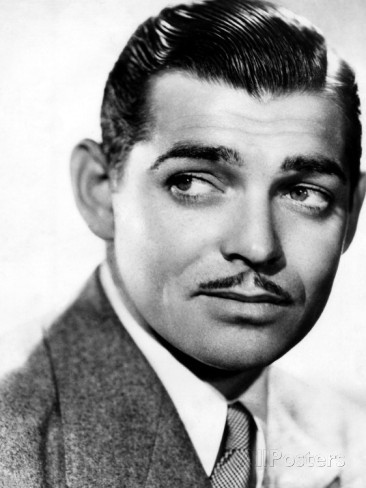
I felt the author was talking about the modern male reflected in society dating back to at least 1930. This was the modern male example the author was using. Yes I understand that author is trying to depict a normal male in the 1930s with very little modification as possible as the ideal male standard today and argues that it is the standard it seems today.

Clark Gable


David Gandy


I don’t think so. Think about it. Clark Gable is so different from David Gandy.

This is where I feel the research seems bad. The male of the 2000 is very much different from 1930. I know Desmond Morris is trying to promote a healthy body image. Good for him and I appreciate it and I do like the healthy non steroid induced looking male but however it does not depict the truth about males today.


I liked this chapter on hair. Had an interesting take on balding. Desmond Morris claims a bald or balding man shows male sexual dominance over younger males with hair. He claims it shows sexual virility. If so, Hair should grow back at a later part in life or every man should be bald by the time they are 20 or so. Does that happen? No. How does lack of hair on a man's head show sexual dominance? Arrghhhhh!!!!!!!! Men can claim favours from women or show dominance if they are strong, can continuously provide food, protect and show proof that their sperm could produce children. I bet this was the case thousands of years ago and still is the case in lower numbers today.They certainy cannot claim favors or show dominance by losing hair.

What kind of men do you think the women will favor? Balding men? How does any of the things I mentioned (being strong, can continuously provide food, protect and show proof that their sperm could produce children) have anything to do with the hair on a man's head?


Can we agree not everyone is created equal physically and that is ok? There is nothing wrong with balding. Women sometimes lose hair too. Balding is just like having hair or eyelashes or darker skin or being extremely tall. It is the stigma we attach to it matters and affects the most. However I think this was the only chapter which was well done. It goes on to say how the male pubic hair never ages for the male and is always youthful(Biologically I think this is impossible. But hey he claims it in the book).He argues that we are in a youth worshipping culture and yet he brings up a point like that. That is why you must be careful how and where you insert your own views. If you want to do so, do it intelligently.


This is under the brow chapter. Desmond, do you really think men go to have cosmetic surgery because they look sad, angry or tired? Can we agree men too want to look younger nowadays? Men also pluck or sometimes wax their eyebrows. It is quite a trend to be groomed. To remove those excess hairs. It is called manscaping and some other terms include boyzillian Why wasn’t that mentioned?

The nose.
I think more could have been said about nostrils. Men do have plenty of cosmetic surgery and I wish the author had done interviews with plastic surgeons across varying cultures to find out more about how men modify noses. I was at a modelling gig where a photographer told me that standards of a man’s has changed a lot. I wish this chapter could have been more in depth.

Google male models and look at their noses and compare that to male models 70 years back.

Stomach: Why are men with six pack showing are narcissist? Personal judgement? At age 58, my dad still had six pack. Not because he was a narcissist but because he believed in being healthy and the core of your body's strength comes from your stomach. He needed to be strong to do his physical work.
The Buddha’s fat belly was spoken about quite a bit. But nothing of Jesus. how about Jesus’s flat belly or how he has been depicted on the skinny side ? Why was there not much compare and contrast in the book?

Penis: Why wasn’t the pursuit of penis enlargement spoken about here? It is a million or even billion dollar industry I heard. There are cosmetic surgery for penile enlargement. Special exercises carried out to enlarge the penis dates hundreds of years back. Like how the Chinese lift weights with their penis. Etc etc Why was this big portion left out ?

I am going to stop here and not point out every single point. I felt anything the author felt would diminish masculinity ( as he defines it )was excluded.


Lastly, about the homosexuality commentary. I am always good for a well-structured and well balanced argument. Yes if everyone is homosexual, we would die out. True, theoretically. There are biological needs to reproduce within humans right ?

As a zoologist, throughout the book you kept comparing the human male to animals, why not for the homosexual behaviour? Animals do show homosexual behaviour as well. Are they dying out?

Comparisons and examples were used throughout the book dating back to classical era and Roman Empire era, why wasn’t it compared to the Greek classical period where it seemed normal and was accepted during Plato’s time for men to have homosexual relations. In fact it was encouraged. Did the Greeks die out?

The whole book lacked research and did not compare and contrast well.

2.5 stars for humour and still being a fascinating read! I just expected a lot more from this book.
Profile Image for reed.
357 reviews6 followers
March 21, 2009
This book astonished people 40 years ago and inspired all that psuedo-scientific "men are hunters, women are gatherers" crap, or so I'm told.

It's aged badly. The author comes across as pretty full of himself -- he thinks his way of analyzing human behavior (from a zoological perspective) raises him above bias, but he's amusingly unaware of his own biases -- misogyny, homophobia, and anti-psychiatry, to name a few.

It's still got some interesting parts, I guess, but I could only make it about halfway through before I got too bored. The funny thing is that I really do think he has a good point; humans are animals and we should pay more attention to how our animal nature motivates us and affects our behavior.
Profile Image for Titi Coolda.
217 reviews114 followers
July 15, 2021
Deși scrisă cu mai bine de 50 de ani în urmă, mesajul acestei cărți este la fel de provocator și incitant ca și la data apariției , în epoca flower-power, a revoltelor studențești, a Woodstock-ului. Îngâmfarea superioară a speciei HS este demolată cu argumente puternice demonstrând că , de fapt, nu suntem altceva decât o simplă maimuță goală care în prostia ei țanțoșă riscă să-și taie craca de sub propriile picioare. Din păcate, cei care ar trebui să citească cartea asta, sigur, n-o vor face.
Profile Image for Maria.
12 reviews1 follower
July 14, 2016
این کتاب در سال 1349 با عنوان میمون برهنه توسط دکتر مهدی تجلی پور به فارسی برگردانده و پس از آن هرگز اجازه تجدید چاپ نیافته است.
نویسنده "دزموند موریس" درین کتاب به شباهتهای رفتاری بین انسان و گونه های حیوانی خصوصا انواع میمونها می پردازد که بسیار قابل توجه و پس از کتاب منشا انواع داروین یکی از پرتیراژترین کتابهای علمی دنیا به شمار می رود.
Profile Image for Ronald Wise.
831 reviews32 followers
May 31, 2012
Reading this book again after 37 years, I was pleasantly surprised at the relevant impact this book still has. Perhaps reading it after nearly four decades of experience as a member of its target species, more points in it seemed to ring true. There are probably some aspects of this book which have been called into question by subsequent research findings, but in general the materials on the human evolutionary biology and psychology I've read in the meantime seem to support Morris's positions.

When first published, this book was considered revolutionary because it attempted to describe the species homo sapiens from an objective zoologist's perspective. The chapters on sex and rearing were shocking to some in the way they dispassionately described these aspects of human behavior. There are other sections of the book, however, that begin to spread into the fields of sociology and psychology and therefore involve human interpretation. The discussion of these topics - the evolution of religion in particular - is where this book has become somewhat obsolete, as the recent interest in human evolution has increasingly focused on the development of vastly increased intelligence and the capacity for abstract thinking. This capacity - which allows empathy and the assessment of future outcomes, and yet is limited in the acceptance of eventual non-existence (i.e., death) - has come to be seen as a major factor in human evolution, though is hardly mentioned in this book.

It is still well worth reading and shook up my assumptions about human existence once again.
Profile Image for notgettingenough .
1,081 reviews1,365 followers
September 26, 2009
I spent a year in Marbury, a non-authoritarian school modelled on Summerhill. It was all too weird for words. Next time any of you wonder why I don't know what continent Spain is in, or why places that are further away have times that are closer or...keep in mind that my geography text book for the year was The Naked Ape.

Well, I say it was that sort of school like it's to blame for my appalling ignorance of geography. If only I'd chosen a normal school instead. But truth be told, the next year I did chose an ordinary school - Methodist Ladies College - and blow me down if the maths teacher didn't turn out to be a girl who made us do things like write poetry. 'Your maths assignment for today is to write a poem in the style of Jabberwocky' It's moot whether my maths is worse than my geography.

Sigh. I wouldn't mind so much if my poetry was any good.

Profile Image for Facehannah.
2 reviews7 followers
December 15, 2010
The Naked Ape is my favourite book, ever. If The Naked Ape was a person I would marry it in a heartbeat under whatever terms it wished, and I would be more than happy to give my body over to producing as many of its children as I could because a book like this deserves to bear children more than most of us do.
Desmond Morris is an Anthropologist, and the person that made me decide that I, too, would like very much to be an Anthropologist, and The Naked Ape is a study of the Human Being as an animal. Morris writes on this topic with the same enthusiasm as anyone who has found a topic that fascinates them would, you can tell that he is intrigued and excited by Humans and all of their bizarre inner workings. Although he is a scientist and this is most easily defined as a scientific study, he writes in common language that is easy to understand, but the best part is that he has a sense of humour about it all. He is amused by people and their strangeness. Through the early stages of mental development, to gaining the ability to coordinate your limbs, power-struggles in the playground and the absolute horror and abysmal joy of adolescence to the violence and illusions of solidarity that is adulthood Desmond (we're on a first name basis because we've been intimate...in my dreams) never fails to make light of the confusion that afflicts us all and this is truly a book that has something for everyone.
Profile Image for Carmine R..
629 reviews93 followers
February 2, 2019
Pelo uguale potere

Acuta e pungente analisi di Morris sull'animale uomo.
L'opera si prefigge l'obiettivo, in chiave scientifica ed umoristica, di metterci a nudo dal punto di vista dell'evoluzione, del carattere, dell'educazione sessuale e dell'impatto avuto sull'ambiente.
L'uomo è, in fin dei conti, un animale che si è elevato rispetto ad altri, ma rimane pur sempre legato a istinti e pulsioni primordiali che qualunque società o legge mai potrà cancellare del tutto.
Morris gioca benissimo con queste tematiche, proponendo anche alcune teorie che si riallacciano a ricerche scientifiche esterne - il discusso rapporto Kinsey, tanto per fare un nome -, le quali arricchiscono un'opera forse datata sotto certi aspetti, ma comunque edificante e ricca di spunti.
Profile Image for محمد  النعمه.
104 reviews72 followers
December 30, 2014
كتاب جميل وخفيف في 200 صفحة
يتحدث الفصل الأول عن ( الأصول ) التي تطور منها هذا الكائن من بداية خروجه من البحر إلى مرحلة القرد ، الى المرحلة الأخيرة ( القرد العاري ) أو الأنسان
الفصل لثاني عن التطور الجنسي ..
الثالث عن التطور في تربية الصغار ..
ثم الاستطلاع
وبعده القتال و الذي يرتبط بالفصل الذي يليه " المسعى في طلب الطعام "
ثم النظافة ..
ويختتم الكتاب بـ علاقة الانسان أو القرد العاري ببقية الحيوانات ..


كتاب ممتع وجميل ..
أنصح بقراءته
Profile Image for Matthew.
31 reviews13 followers
February 11, 2008
Desmond Morris' "The Naked Ape" is not a quality book for individuals seeking to understand the nature of modern evolutionary psychology. Morris' work is notable only for being a historical perspective into the origins of a discipline which has (since his book) taken on a dynamic and vibrant academic life. If one can manage to make it past some of the glaring errors in his work (at one point he suggests that women evolved a trait because it was evolutionarily better for men - 'Uh, Desmond? Evolution by natural or sexual selection doesn't work like that...'), the book itself is worth reading to discover just how far the field has come in only a few short decades.
Profile Image for Saber shiri .
103 reviews7 followers
April 9, 2020
دزموند موریس به تحلیل انسا�� از دیدگاه زیست شناسی می پردازد. چرا انسان از بین ۱۹۳ گونه میمون موجود تنها گونه ای است که بدن ان تقریبا بدون مو است؟ اداب و رسوم را از کجا یاد گرفته ایم؟ چرا تمایل جنسی ما بسیار متغییر گشته است ؟ و چرا ما بر روی دوپا حرکت می کنیم و این عامل چه تغییراتی را در بدن ما به وجود اورد؟و بسیاری سوال های دیگر که پاسخ داده می شوند تا مرز بین انسان و حیوان تمیز داده شود.
24 reviews4 followers
August 3, 2008
If you like your science with a heaping dose of sexism and homophobia, then this book's for you!

This book was so entirely awful that I thought less of the person who recommended it to me.

Profile Image for Tanja Berg.
2,279 reviews568 followers
December 24, 2012
When I stumbled across this book last week and promptly down-loaded it to my kindle, I did not realize it had been first published in 1967. Some of the views are decidedly antiquated. For example that men go to work in attempt to satisfy the hunting urge together with other men, while women stay at home and take care of the children. In most of the Scandinavian countries, as large a percentage of women as men are now an active part of the work force. The superficial treatment of homosexuality and religion isn't anywhere near satisfying either. However, when this book was written, homosexuality was still considered a disease, so I presume this book calling this "aberrant" is the least that can be expected.

The theories presented here on why we are naked are exactly the same as I read in a newer publication I read recently: we lost our hair due to parasites (because less hair meant less parasites) or because we were semi-acquatic for a time being. This book draws no final conclusion on this subject.

One of the points I liked best in this book was this "When you put a name on a door, or hang a painting on a wall, you are, in dog or wolf terms, for example, simply cocking your leg on them and leaving your personal mark there". A few years ago I was feeling insecure at work and I promptly put a painting on the wall and pictures on my desk - very consciously marking my territory. Come to think of it, this is the only office I have ever felt the need to "own" in this way.

Despite being somewhat old-fashioned I enjoyed this approach to the human animal. It's not completely outdated yet and well worth reading.

Another point that made me think was this "Those members of a community who are either very successfull or socially well adjusted rarely suffer from 'grooming invitation ailments'". By this the author means minor illnesses that only just require a visit to the doctor and the care of a spouse or friends (colds, laryngitis and such). In my current work where everyone has a rather high socio-economic status, we are all startingly healthy. Before, when I held a job at the bottom-end of the hierarchy, people where ill of little things ALL the time. So maybe there is some truth in the author's statement, however controversial it may be.
Profile Image for Sadra Kharrazi.
539 reviews102 followers
April 16, 2025
آقای دزموند موریس در کتاب میمون برهنه، انسان رو از دیدگاه جانورشناسی بررسی می‌کنه؛ یعنی انسان رو به عنوان یکی از گونه‌های حیوانی و به‌طور خاص یک گونه‌ "میمون" تعریف می‌کنه که ویژگی خاصش نسبت به سایر میمون‌ها، نداشتن پوشش بدنه. یعنی صراحتا بیان میکنه که از 193 گونه میمونها و گوریل‌ها، تنها انسان هست که بدنش بدون موعه...
کتاب به چند بخش تقسیم شده و در هر بخش، رفتارهای انسانی با رفتار حیوانات مقایسه می‌شه

بعضی نکات کتاب جالب بود ولی چون سنگ بنای اون اشتباه گذاشته شده نمی‌دونم بقیه مطالبش تا چه حد درست و قابل استناده
در نهایت برای یه بار خوندن بد نبود
Profile Image for Ahmad Hossam.
288 reviews84 followers
May 10, 2021
I believe it would be an insult to science if I shelved this book as scientific. Simply put, it is unscientific bullshit that reads like 19th century imperialist anthropology.

Not a shred of evidence is there, except vague references to "research shows", the "fossil record proves". What these evidence are you will never now, he may as well have made them up.

Two major issues here: Mr. Morris seems to lack the basic understanding of evolution. Physical traits are not inherited; the change has to take place in the DNA through RANDOM, GRADUAL MUTATION! Randomness means that the creatures needs are irrelevant, the changes occur randomly and only then can it be selected as an evolutionary advantage.

Take any page of this book and count how many "had to" are there. Humans needed to become better hunters so the developed a thumb, an erect spine and different limb proportions! First: There is no necessity there, nature had made better hunters without these unprecedented tools. Second: you are talking about gradual change, how can a new finger that is useless become an advantage to be inherited. Third: why should nature care what a creature needs? It's like nature is a transcendent being that magically grants what each animal wants. Want a better hunting society while your babies are nurtured? BOOM!! Nature creates faithfulness! Love, for God's sake, is explained in a line!

I am also infuriated by his ignorant snobbery and disregard for how elegantly complex Man truly is. My field of expertise is language, I know for a fact that no one is close to explaining how language began and how we developed the necessary organs in the first place. Morris, however, says it's simple: Man needed to communicate better during his hunts so voila .. he develops language!

Totally overrated, unscientific, Eurocentric, misogynist garbage.
Profile Image for Daria.
30 reviews48 followers
Read
May 31, 2017
Mollo la lettura più o meno a metà, quindi il mio commento vale per ciò che ho letto.

Sono sicura che 50 anni fa questo libro abbia avuto il suo impatto sociale e sconvolto qualcuno tra i più moralisti, ma oggi, a mio parere, certe osservazioni non sanno più di niente. Non c'è una nozione che già non sapessi, non c'è una riflessione che non sappia di già superato o fastidiosamente sessista.
Osservare l'uomo da un punto di vista zoologico è interessante, ma qui viene fatto grossolanamente e con una ridondante fissazione per la sua sessualità. Snervante e noioso.
Insomma, come studio è proprio invecchiato male.
Profile Image for Nandakishore Mridula.
1,348 reviews2,696 followers
June 4, 2019
This is one of those iconic books which once read, are never forgotten. I think many of Morris's observations based solely on anthropology have been debunked by scientists in related fields - but after reading this book, I can see mankind only as monkeys without fur!
Profile Image for فهد الفهد.
Author 1 book5,605 followers
March 6, 2016
القرد العاري

في الكتاب لمحات وأفكار ممتعة ما خلا ذلك يبدو وكأنه ضرب بخلاط، ويجد القارئ صعوبة في تتبع فكرة المؤلف وما يريد الخروج به.
Profile Image for Heba Ashraf.
129 reviews78 followers
February 19, 2015
واضح إن السنه بادئة بكتب حلوة .. من الكتب اللي متعرفش تسيبها من غير ماتخلصها ..أسلوبه يشدك و معلوماته كتيرة وأجوبة على أسئلة كتير هتكون في بالك .
Profile Image for Fabia Consorti.
86 reviews41 followers
July 12, 2017
Un saggio strepitoso, geniale e anche divertente a suo modo. Il linguaggio è alla portata di tutti e non diventa mai pesante. Leggetelo!
Profile Image for Marc Lamot.
3,461 reviews1,970 followers
Read
April 2, 2024
Read this when I was 15. At the time it impressed me very much by its broad scope. Since then, I've learned Morris is despised by scientists. I can imagine why, but I really can't judge.
Profile Image for Luis.
126 reviews30 followers
February 23, 2017
Must read, para todo el que aspire a ser humano.
Profile Image for Sajith Kumar.
723 reviews144 followers
November 17, 2018
Stephen Hawking’s ‘A Brief History of Time’ revolutionized the genre of popular science in a big way. Even though many people did not understand what was discussed in it, Time became a best seller as Hawking turned out to be a living icon of human intelligence at its best. An invalid on account of the rare motor neuron disease with which he was afflicted, the eminent scientist communicated through artificial means but carried out advanced research programs through sheer intellect and a good measure of steely will. But popular science goes much back in time, to 1967, as claimed in the foreword to this book. ‘The Naked Ape’ was the harbinger of an era in which lofty scientific principles were ladled out to the general populace who was already wonderstruck at the breathtaking progress and innovation science was parading in front of the world. Desmond Morris is a zoologist and worked as the curator of the London Zoo. He wrote extensively on human sociobiology and is the author of many books. This is his first and most successful work, which was translated into 28 languages and brought out in 12 million copies. Morris does not keep readers in suspense for long on what he means by the term ‘naked ape’. The very first sentence of the book runs as “There are 193 living species of monkeys and apes. 192 of them are covered with hair. The exception is a naked ape self-named Homo sapiens”. Perhaps this is the only instance in the entire book in which our own species is clearly spelt out by name. On all other occasions, we have to put up with being called ‘the naked ape’, in a somewhat derogatory style.

The genetic-cultural differences that made man distinct from other species of apes are explained by the author. We were once confined to an arboreal habitat of forests. The shrinkage of forest cover through climate change forced this ape to compete with ground-dwellers and adapt to the grasslands. This forced the ape to assume a more upright posture to become fast and better runners. Its hands were freed from locomotion duties and became efficient weapon holders. Brains became more complex which rendered them brighter and quicker decision makers. These changes blossomed together over evolutionary timescales. A hunting ape or a killer ape was thus formed. All other apes are vegetarians who might occasionally munch on insects or beetles. But the naked ape turned carnivorous with longer spaced out meals. From tool-using to tool-making animals, he perfected hunting techniques and social cooperation. It is curious to learn that social organization developed with improvement in killing techniques.

Then comes the interesting issue of how we happened to be naked, or how the fur coat was eventually discarded. The hunting ape is said to have become an infantile ape by a process called neoteny. This is an interesting phenomenon by which animals retain certain juvenile or infantile characteristics into adult life. Chimpanzees complete brain growth within twelve months of birth. Humans typically have only a quarter of the adult brain size at birth, and its growth is completed only around 23 years of age, long after the individual has attained sexual maturity. Infantile apes are generally having less hair than adults in their species and we fixed upon this trait throughout the entire life. Playfulness marks adult humans separate from other animals. Inquisitiveness and curiosity are the two other qualities neoteny has bestowed on us. This was essential to such creatures that do not possess a fixed, permanent habitat or diet, that helped him to learn, adjust and adapt quickly to novel challenges.

Being a sociobiologist, Morris delves into the development of the traditional role of women as homemakers, without going outside the dwelling place for hunting, or its modern equivalent – working. Because of the extremely long period of dependency of the young and the heavy demands on personal attention made by them, the females found themselves perpetually engaged in childrearing and as a consequence, confined to the home base of the community. This peculiar behaviour also led to monogamy. Males had to leave their mates at home while they went on hunting expeditions. These women were thus vulnerable to advances by other males in the group. This was a recipe for friction among the males, whose complete cooperation was mandated by the laborious hunting process. This situation demanded a major shift in social behaviour. Development of pair-bonding and proto-family was a direct consequence of this and ensured a mate to every member of the group.

This book presents a fascinating hypothesis on the origin of the concept of god in primitive human societies, which I cannot help reproducing here. Before evolving into cooperative hunters, humans lived in social groups as seen in other species of apes and monkeys. Each group was dominated by a single, male leader who was active in protecting the group from outside hazards and settling internal squabbles. His stature was all-powerful and hence functionally similar to an omnipotent god. When that community turned to group hunting, the leader lost his god-like status. The cooperative spirit required for a successful communal hunt limited the authority of dominant individuals only to ensure loyalty from other members. In effect, shedding the exclusivity, he became ‘one of them’, as a more tolerant, cooperative leader. This change in order of things left a gap in the social mind and the vacancy was filled by the invention of god as protector of all the members of the group.

This book was written at the height of the Cold War, in the midst of the devastating Vietnam War. A nuclear holocaust was more than possible – in fact, it was really probable. Concern at the uncertainty of a bright future is visible in the author’s prognostication about what awaits the human race. He claims that there was a strong chance of extermination by the end of the century, by the year 2000. However, he claims that we have a consolation that we had an exciting term of office. Morris’ arguments are extensive and his reasoning extends its roots into the twin treasure-troves of evolutionary biology and sociology. This makes the book a pleasure to read, which triumphantly defends its position as one among the best titles in popular science books even at the lapse of half a century after its first publication.

The book is highly recommended.
Displaying 1 - 30 of 800 reviews

Join the discussion

Can't find what you're looking for?

Get help and learn more about the design.