Jump to ratings and reviews
Rate this book

Защита Лужина

Rate this book
В книгу известного писателя Владимира Набокова (1899-1977) вошли романы "Защита Лужина", "Подвиг" и сборник "Соглядатай". В этих произведениях 30-х годов сошлись основные линии творчества Набокова-Сирина - прошлого и будущего и "главная" его тема - тема потусторонности, строящей жизнь помимо воли человека.

544 pages, Hardcover

First published January 1, 1929

580 people are currently reading
16507 people want to read

About the author

Vladimir Nabokov

890 books14.9k followers
Vladimir Nabokov (Russian: Владимир Набоков) was a writer defined by a life of forced movement and extraordinary linguistic transformation. Born into a wealthy, liberal aristocratic family in St. Petersburg, Russia, he grew up trilingual, speaking Russian, English, and French in a household that nurtured his intellectual curiosities, including a lifelong passion for butterflies. This seemingly idyllic, privileged existence was abruptly shattered by the Bolshevik Revolution, which forced the family into permanent exile in 1919. This early, profound experience of displacement and the loss of a homeland became a central, enduring theme in his subsequent work, fueling his exploration of memory, nostalgia, and the irretrievable past.
The first phase of his literary life began in Europe, primarily in Berlin, where he established himself as a leading voice among the Russian émigré community under the pseudonym "Vladimir Sirin". During this prolific period, he penned nine novels in his native tongue, showcasing a precocious talent for intricate plotting and character study. Works like The Defense explored obsession through the extended metaphor of chess, while Invitation to a Beheading served as a potent, surreal critique of totalitarian absurdity. In 1925, he married Véra Slonim, an intellectual force in her own right, who would become his indispensable partner, editor, translator, and lifelong anchor.
The escalating shadow of Nazism necessitated another, urgent relocation in 1940, this time to the United States. It was here that Nabokov undertook an extraordinary linguistic metamorphosis, making the challenging yet resolute shift from Russian to English as his primary language of expression. He became a U.S. citizen in 1945, solidifying his new life in North America. To support his family, he took on academic positions, first founding the Russian department at Wellesley College, and later serving as a highly regarded professor of Russian and European literature at Cornell University from 1948 to 1959.
During this academic tenure, he also dedicated significant time to his other great passion: lepidoptery. He worked as an unpaid curator of butterflies at Harvard University's Museum of Comparative Zoology. His scientific work was far from amateurish; he developed novel taxonomic methods and a groundbreaking, highly debated theory on the migration patterns and phylogeny of the Polyommatus blue butterflies, a hypothesis that modern DNA analysis confirmed decades later.
Nabokov achieved widespread international fame and financial independence with the publication of Lolita in 1955, a novel that was initially met with controversy and censorship battles due to its provocative subject matter concerning a middle-aged literature professor and his obsession with a twelve-year-old girl. The novel's critical and commercial success finally allowed him to leave teaching and academia behind. In 1959, he and Véra moved permanently to the quiet luxury of the Montreux Palace Hotel in Switzerland, where he focused solely on writing, translating his earlier Russian works into meticulous English, and studying local butterflies.
His later English novels, such as Pale Fire (1962), a complex, postmodern narrative structured around a 999-line poem and its delusional commentator, cemented his reputation as a master stylist and a technical genius. His literary style is characterized by intricate wordplay, a profound use of allusion, structural complexity, and an insistence on the artist's total, almost tyrannical, control over their created world. Nabokov often expressed disdain for what he termed "topical trash" and the simplistic interpretations of Freudian psychoanalysis, preferring instead to focus on the power of individual consciousness, the mechanics of memory, and the intricate, often deceptive, interplay between art and perceived "reality". His unique body of work, straddling multiple cultures and languages, continues to

Ratings & Reviews

What do you think?
Rate this book

Friends & Following

Create a free account to discover what your friends think of this book!

Community Reviews

5 stars
4,848 (30%)
4 stars
6,496 (40%)
3 stars
3,656 (22%)
2 stars
756 (4%)
1 star
201 (1%)
Displaying 1 - 30 of 1,140 reviews
Profile Image for BlackOxford.
1,095 reviews70.3k followers
April 12, 2020
It’s Never Too Late for a Happy Childhood

A boy who doesn’t want to grow up; a mother who loses interest in him as he does; a father who writes an idealised version of the boy’s life in which he doesn’t; and an agent who values only his client’s youthfulness: clearly not the best conditions for psychic maturation; but hardly signs of abuse.

The boy finds his solace and calling in the game of chess: “everything apart from chess was an enchanting dream... Real life, chess life, was orderly, clear cut, and rich in adventure.” In this life he was safe and secure as well as internationally famous.

The death of the boy’s father, in some sense a sign of forced adulthood, is resisted. The boy won’t attend the funeral. Instead he falls in love, with a woman who possesses that
“mysterious ability in her soul to apprehend in life only that which had attracted and tormented her in childhood... to find constantly an intolerable and tender pity for the creature whose life is helpless and unhappy...”
A perfect match, therefore: she a compulsive caretaker; he the eternal child. Whether either or both is psychotic or merely neurotic when they meet is an open question.

What could possibly go wrong?

Marriage brings with it a new adult provider, the father-in-law, and a new tender carer in his wife. But it also brings something unfortunate, the recognition of the “full horror of the abysmal depths of chess.”

He has a breakdown. His wife and his doctor begin to explore his “dark period of spiritual blindness,” that is, his childhood. But it is clear to the reader that his condition is not the result of childhood trauma. Rather it is his desire to remain in a re-created childhood, free from the cares and sufferings of life outside of chess, and his fear of being removed from it, that is the cause of his distress.

Part of his therapy is complete isolation from chess. The wife knows it was necessary to find “some other interesting game.” But socialising, travel, typing, water-colouring can’t fill the chess-shaped hole in his soul. The result, of course, is that his highly functional life playing chess becomes a psychotic disaster in which he can no longer distinguish his life from the game that gave it meaning and coherence.

It’s often possible to detect who’s being helped through analysis by the haunted look in their eyes. Thank you Dr. Freud.
Profile Image for zuza_zaksiazkowane.
600 reviews46.4k followers
dnf
December 3, 2021
Niestety strasznie mnie meczy styl pisania i nic nie rozumiem. Jest dziwnie i wręcz groteskowo
Profile Image for Steven Godin.
2,782 reviews3,373 followers
October 14, 2017
The combination of Chess and Nabokov seemed to me a match made in heaven, a big fan of both, this was just too tempting to turn down, even though I knew it would take something pretty remarkable to reach the heights of either 'Pale Fire' or 'Lolita', I still felt like reading what is one of his earlier Russian novels (his third written in 1930) before he embarked on his American odyssey.

The Luzhin Defence is a book that does features chess, but doesn't delve too deeply into the actual playing of the game, so anyone clueless on the subject will rarely have to scratch their heads in uncertainty, it's main focus is the life of Luzhin himself, from his childhood in St Petersburg and learning the game with his Aunt, to becoming a shambling grand Grand Master who arrives in the Italian Lakes to play the Italian whizz Turati, and sets in motion events that unexpectedly had him finding the love of his life. The novel opens with a sense of nostalgia, with memory-misted scenes of Luzhin's boy-hood in Russia and his first initiation into the "game of the Gods" for which he is seen to have a prodigious and natural talent. Miserably alone, with little friends, and parents who both feel estranged and unemotional (Luzhin's father is a writer of boy's adventure stories but seems more dead than living) the boy would take to chess and give him that spark that had been missing from his life. The kid pushed around at school, would grow-up to become a maestro.

His passion for chess is almost one of obsession, an awkward figure he becomes, and is completely isolated in his opaque, imaginary world of configurations where he alone is sovereign as kings and queens and pawns are in eternal motion across his private field of vision. You get the impression the outside world and other people are of little significance. Nabokov rushes us from the early days, and the subterfuge he has to undertake to play the game, and we find Luzhin again in a post-revolutionary Europe, a ridiculous figure, his Grand Master status on the wane as other younger players get to grips with his own techniques for winning. During a stay in a health-spa Luzhin meets a Russian woman, herself an émigré from the revolution living in Berlin, and before long want her to be his wife, all to the annoyance of her parents, who want none of it. Their awkward courtship, where Luzhin asks for her hand has the air of a drowning man rather than a suitor.
And his beloved game would start to suffer, leading to big cracks appearing in his sturdy mind.

Reading Nabokov, any Nabokov, there is a 99% chance it's going to be worth it, this splendid novel was a delight, and even though it doesn't go all out in terms of plot or story, there are early signs here that the masterful narrative that showed up in his American novels was starting to emerge.
This had some wonderful sentencing, that was simply breathtaking, a joy to behold!
The Luzhin Defence can also be seen as a simple biography of a dull man, similar in some ways to that of John Williams' 'Stoner', but that conventionality only goes so far with Nabokov of course. In other ways, the life story is an extended metaphor, a game of chess within itself.

Nabokov is quite rightly regarded as one of the greatest writers to have graced this earth, so comparing this to most other books I have read, it would get top marks, but then I have to take into account both 'Pale Fire' and 'Lolita', for me, novels just don't come much better, The Luzhin Defence simply wasn't as good, but then that's no disgrace at all. A solid four stars. Thanks Vlad.
Profile Image for Manny.
Author 48 books16.1k followers
November 20, 2008

If you are a chessplayer, like me, you simply have to read this book. No one else has even come close to describing chess obsession from the inside. The style is, needless to say, impeccable.
Profile Image for Fionnuala.
886 reviews
Read
March 10, 2018
One of the things I like most about Nabokov’s novels is the structure, and this one has a particularly interesting structure.

At the beginning of chapter nine which is roughly half way through the book, two new characters appear out of nowhere, two young Berliners who are trying to return home after a hard night on the town. Both of them continued farther along the deserted night street, which alternately rose up smoothly to the stars and then sloped down again.

That deserted night street could represent the novel itself; it also rises up soberly towards the mid point and then lurches unsteadily towards the end. And it's quite a drunken lurching, weaving this way and that, holding onto anything it can grab, especially any props still lying about from the first half of the book: the woodprint of a child prodigy in a nightgown, the wheezy governess in the wheezy elevator, the father’s typewriter, the mother’s cousin, the forgotten friend from school, the family doctor, the beloved treasure buried under a tree.

With the help of all the props, the struggling novel finishes up in the end exactly where it left off in chapter eight just before the night street began to lurch: flatter and flatter like the flattened cardboard pieces of a pocket cardboard chess set.
I liked that twisted symmetry.

Anything else I might have been tempted to comment on, such as the plot, or the themes, or the characters, or the embedded chess game, or the autobiographical elements, were off limits because the author has commented on it all himself in the preface. Nabokov tells us in very certain terms that he wants to spare the time and effort of hack reviewers. So I’ve taken him at his word and skipped all such sleuthing. He didn’t mention the parallels between the end of chapter eight and the end of the book however - which fortunately left me something to say in this tenth and final Nabokov review.
Thank you, Mr Nabokov, and goodnight.
Profile Image for Maziyar Yf.
813 reviews630 followers
July 6, 2025

دفاع لوژین را هرگز فراموش نخواهم کرد ، نه از آن رو که علاقه خاصی به شطرنج یا شخصیت لوژین داشته باشم ، خواندن این کتاب همزمان شد با تجاوز دشمن وحشی خونخوار و کودک کش به ایران . دیدن منظره های آخر زمانی و سورئال در تهران و بیشتر شهرها . دیدن رنج و زجر بی پایان مردمی که همواره به حال خود رها شده اند . لوژین و دفاع او را هیچ وقت فراموش نخواهم کرد ، همانگونه که ایران و زجر ایرانیان را همواره به خاطر خواهم داشت


دفاع لوژین کتابی است از ولادیمیر نابوکوف، نویسنده مشهور روسی-آمریکایی . این کتاب داستان ایوانوویچ لوژین، نابغه شطرنج را روایت می‌کند که زندگی‌اش به گونه ای ویرانگر تحت تاثیر وسواسش به شطرنج قرار می‌گیرد
. قهرمان دستان ناباکوف ، لوژین کودکی درون‌گرا و تنها است که به جز استعداد خارق‌العاده‌اش در شطرنج ، نقطه قوت دیگری ندارد . او به سرعت در دنیای شطرنج به شهرت می‌رسد، اما نبوغ او را از واقعیت دور می‌کند. زندگی او، از روابط شخصی تا افکارش، همه تحت سلطه بازی شطرنج قرار گرفته و به تدریج مرز بین واقعیت و دنیای شطرنج برایش کم رنگ و محو می‌شود .
نابوکوف کوشیده تا به درون ذهن لوژین نابغه نفوذ کرده و خواننده را با افکار، وسواس‌ها، ترس‌ها و آشوب درونی او همراه کند. نویسنده با نمایش ذهن آشفته لوژین به رابطه پیچیده میان نبوغ و جنون پرداخته و نشان می‌دهد چگونه یک استعداد خاص می‌تواند فرد را به سمت انزوا و فروپاشی روانی سوق دهد .
شطرنج نه تنها موضوع اصلی داستان است، بلکه به عنوان یک استعاره برای ساختار زندگی و ذهن لوژین نیز عمل می‌کند. گویی نابوکوف زندگی لوژین را مانند یک بازی شطرنج دیده که در آن او باید دفاعی برای خود پیدا کند. این تشبیه و دفاع لوژین را در تمام جنبه‌های داستان، از توصیفات گرفته تا متن داستان می توان دید .
در کنار وسواس و علاقه لوژین به شطرنج، رابطه او با همسرش نیز یکی از محورهای اصلی داستان است. همسر او سعی می‌کند لوژین را از دنیای شطرنج بیرون بکشد و به زندگی عادی بازگرداند، اما این تلاش‌ها با شکست مواجه می‌شود. این تقابل بین عشق و جنون، یکی از جنبه‌های تراژیک رمان است.
رمان به شکلی تراژیک، انزوای یک نابغه را نشان داده. لوژین به دلیل غرق شدن در دنیای شطرنج، از واقعیت و ارتباط با انسان‌ها دور شده و نمی تواند با آنها ارتباط برقرار کند . سرانجام ترکیب نبوغ و انزوا منجر به فروپاشی روانی می شود.
در بخش‌های پایانی رمان، توهمات شطرنجی لوژین به اوج خود می‌رسد. او دیگر نمی‌تواند واقعیت را از تصوراتش تمیز دهد. او به این باور رسیده که زندگی‌اش یک بازی شطرنج بزرگ است که سرنوشت در حال هدایت آن است و خودش فقط یک مهره در این بازی پیچیده است. لوژین تلاش می‌کند از این بازی فرار کند یا آن را به هم بزند، اما راهی پیدا نمی کند.
پایان کتاب را تنها می توان باشکوه دانست ، لوژین محو در شطرنج ، به جای تسلیم شدن در برابر حرکت‌های تحمیلی سرنوشت، تصمیم می‌گیرد با یک حرکت غیرمنتظره و نهایی، خودش بازی را به پایان برساند.
دفاع لوژین را رضا رضایی ترجمه کرده ، ترجمه او را باید بی نقص و عالی دانست .رضایی با استادی کلام و نثر غنی و سرشار از جزئیات و استعاره‌های ناباکوف را ترجمه کرده . رضایی بی آن که خبری از وقایع این روزهای ایران داشته باشد ، کتاب را به تنهایان کنار پنجره تقدیم کرده ، جمله ای که مردم ایران را به خاطر می آورد ، مردمانی که در روزهای سخت ، همواره از سوی جهانیان نادیده گرفته شده اند .
Profile Image for Nickolas B..
367 reviews103 followers
February 1, 2024
Δεν ξέρω από που να αρχίσω με το συγκεκριμένο βιβλίο!! Από την εξαίσια γραφή και γλώσσα του Ναμπόκοφ, από τις πολυεπίπεδες αναλύσεις ή από τους ιδιαίτερους χαρακτήρες που πλαισιώνουν τον νεαρό Λούζιν;;; Μάλλον όλα τα παραπάνω συνθέτουν ένα αριστούργημα της παγκόσμιας λογοτεχνίας το οποίο φίλοι και μη του σκακιού πρέπει να το διαβάσουν....

Ο Λούζιν είναι είναι ένα παιδί με κάποιο σύνδρομό ή κάποια ψυχολογική διαταραχή, του οποίου όλη η ζωή περιστρέφεται γύρω από το σκάκι. Δεν μπορεί να ενταχθεί στο σύνολο, από τα παιδικά του χρόνια κιόλας και βρίσκει καταφύγιο στα 64 τετράγωνα του πανάρχαιου παιχνιδιού. Στην προσπάθεια του να αναδειχθεί παγκόσμιος πρωταθλήτης δέχεται ένα ισχυρό σοκ με αποτέλεσμα να επέλθει κατάρρευση και αποσύνδεση από την πραγματικότητα.

Μέσα απο τις προσπάθειες της συζύγου του να επανέλθει ο Λούζιν καταλαβαίνει πως η ίδια του η ζωή είναι μια παρτίδα σκάκι την οποία είτε πρέπει να κερδίσει είτε να παρατήσει... Άραγε η περίφημη άμυνά του θα τον καλύψει στο σκάκι αλλά και στην μετέπειτα ζωή του;;

Ο Ναμπόκοφ έπλασε έναν χαρακτήρα ισάξιο με αυτούς της μεγάλης Ρωσικής Σχολής (Ντοστογιέφσκι, κλπ κλπ) και οδήγησε τα βήματα και την εξέλιξη της ζωής του μεθοδικά και υπομονετικά, όπως ακριβώς θα έκανε ένας σκακιστής με ένα πιόνι ή ένα πολύτιμο κομμάτι του...

Αριστούργημα και απλά 5/5...
Profile Image for Georgia Scott.
Author 3 books324 followers
December 7, 2025
Chess was my drug of choice in college. I started small, played chess on dates. But the boys always had something else in mind. Then, I met my partner. She lived down the hall and played a mean game. We soon were going at it multiple times a week until our wins evened off. That kills good play. So, we went on to pinball. Playing hard in the dormitory basement. When that started to take over, I knew I was obsessive. Knowing you have the trait isn't a cure but it helps. It makes you stay away from what's illegal or harmful to your health. When you can't love a little, only a lot, you have to protect yourself.

Now, Luzhin's guard is always up from when he was a shy child. His defensive game makes him a winner at chess. But what will happen when he has to stop playing?

Nabokov proves he is a storyteller with The Luzhin's Defense. I recommend it even for those who don't play chess, pinball, or have that obsessive gene.
Profile Image for Darwin8u.
1,835 reviews9,034 followers
December 24, 2015
"Let's start if you're willing."
-- Vladimir Nabokov, The Luzhin Defense

description

G.K. Chesterton once famously quipped in his book Orthodoxy that "Imagination does not breed insanity. Exactly what does breed insanity is reason. Poets do not go mad; but chess-players do. Mathematicians go mad, and cashiers; but creative artists very seldom."

Vladimir Nabokov’s th!rd novel about a lonely chess grandmaster reminds me of Franz Kafka and a little bit of Melville's Bartleby, the Scrivener. While this isn't my favorite Nabokov (it isn't Pale Fire or Lolita), it is the sweetest. Most of Nabokov's characters are cold, irrational and distant. Luzhin is sad, über-rational and beautiful in his madness.

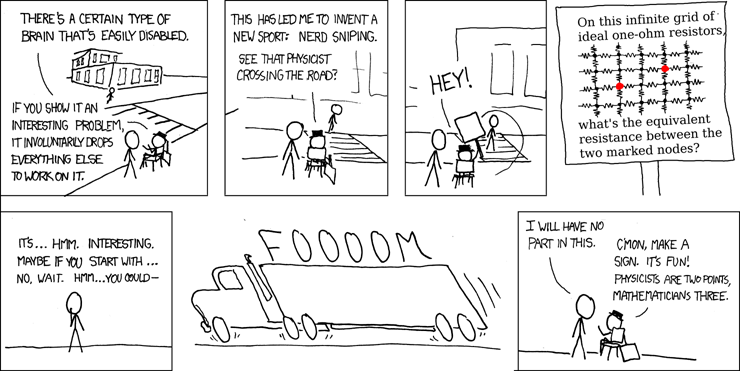
This novel reminds me of this Randall Munroe cartoon.

History is full of mathematicians, logicians, physicists, and chess Grand Masters whose search for logical conclusions, 'transfinite' sets, perfect stability, etc, drives them nuts. Men who hold an infinite series of answers and thus an infinite possibility for despair. Like Kafka once said, “There is an infinite amount of hope in the universe ... but not for us.”

To men like Luzhin, life and chess are such lonely battles.
Profile Image for Ricardo Carrión Libros.
295 reviews1,382 followers
February 17, 2020
Sin duda una de las mejores novelas que he leído de Nabokov, muy superior a su Lolita. La defensa fue un libro hipnotizante desde el comienzo, imposible de soltar. Nos narra la vida desde la infancia hasta la adultez de Luzhin, un prodigioso del ajedrez. Este hombre es un ser muy especial, que desde temprana edad mostró una completa falta de habilidades sociales, un absoluto desinterés por relacionarse con los demás e integrarse a la sociedad. Su nula capacidad para enfrentarse al mundo exterior terminó desarrollando su mundo interno, prefiriendo hábitos como la lectura y una completa obsesión por el ajedrez. Esta habilidad extraordinaria para jugar a este juego de mesa es solo un síntoma secundario de su eterna lucha contra la realidad. Es una forma de escape, que termina afectando severamente su mente, la cual no puede dejar de ver el mundo como si se tratara de una partida de ajedrez, una eterna partida contra la vida.
El desarrollo psicológico del personaje es muy detallado y la narración casi sin diálogos que lo acompaña lo transforma en una verdadera experiencia de vida para el lector. Es una novela extremadamente bien pensada, llena de detalles que le dan una belleza estética a la patética vida de Luzhin.
Profile Image for Lito.
69 reviews45 followers
December 28, 2019
Αριστούργημα!!!!
Ένας μεγάλος Μαιτρ ο Nabokov, ξεδιπλώνει αργά και μεθοδικά το ταλέντο του... Σαν να παρακολουθείς έναν σπουδαίο μαέστρο να διευθύνει μια ορχήστρα... Συγκινητικός!!!
Profile Image for Kristen.
151 reviews335 followers
May 17, 2012
Ah Nabokov, your words are like the warm familiar embrace of an ex-lover who knows just what I like . . . except without all the self-disgust the next day.
Profile Image for Φώτης Καραμπεσίνης.
434 reviews221 followers
April 15, 2018
Η επαφή μου με το σκάκι είναι ανύπαρκτη, κυρίως διότι δεν διαθέτω το ενδιαφέρον και -εν τέλει- την απαιτούμενη ευφυία. Ως εκ τούτου, ακόμα και η λογοτεχνική του επικάλυψη με αφήνει καταρχάς ουδέτερο και δευτερευόντως καχύποπτο απέναντι στο εγχείρημα.
Πιστός όμως στο αξίωμα του "ΠΩΣ γράφεις και όχι στο ΤΙ γράφεις", παραμερίζω τις ενστάσεις περί περιεχομένου, και επικεντρώνομαι στην ουσία, δηλαδή στο ύφος. Η πρώτη μου επαφή μάλλον δεν ανέτρεψε την άποψη μου. Η περίφημη "Σκακιστική Νουβέλα" του Stefan Zweig υπήρξε βιβλίο ενδιαφέρον και καλογραμμένο, δίχως όμως να μου προξενήσει το απαραίτητο δέος, κάτι που οφείλεται σαφώς στον συγγραφέα: Ικανός γραφιάς, αλλά τίποτε πέραν αυτού - σαφώς υπερεκτιμημένος, κατά την άποψή μου.
Το αυτό δεν ισχύει για τον Nabokov, συγγραφέα τεραστίου βεληνεκούς που ως άλλος Μίδας αγγίζει με την πένα του το έλασσον και το μετατρέπει σε μείζον! Πόσω μάλλον όταν το αντικείμενό του είναι το λεγόμενο "Παιχνίδι των Βασιλέων", στου οποίου τη γοητεία -γνωρίζουμε- τακτικά υπέκυπτε και ο ίδιος.
"Η άμυνα του Λούζιν" δεν καταφεύγει στην ευκολία της περιγραφής περίπλοκων παρτίδων, σκακιστικών συλλογισμών και ψυχολογικής έντασης, ώστε να προ(σ)καλέσει το ενδιαφέρον του αναγνώστη. Τουναντίον, οι σκακιστικές διελκυστίνδες αποτελούν αφορμή για ανάλυση και ανελέητη ενδοσκόπηση του χαρακτήρα του Λούζιν. Ενός αλλοτριωμένου χαρακτήρα, έρμαιου της σκακιστικής του δεινότητας, τυφλού απέναντι στη ζωή και στις υποχρεώσεις της, αλλά και απόλυτα ξένου προς οποιοδήποτε ζωντανό ον επιχειρεί να τον προσεγγίσει.
Και ο Λούζιν αμύνεται σθεναρά ενάντια στον εαυτό του, ενάντια στο πάθος που τον κατακλύζει, καθώς η ζωή του μετατρέπεται σταδιακά σε μια τρομακτική αλληλουχία ασπρόμαυρων σκακιστικών τετραγώνων. Σε μια δίνη που ανελέητα τον ρουφά εντός της, δίχως έρμα για να αντισταθεί. Τίποτα και κανείς δεν μπορεί να τον σώσει από τον εαυτό του, καθώς τα φράγματα της λογικής υποχωρούν ένα-ένα. Ο Λούζιν επιχειρεί μάταια να στήσει την τελευταία του "Άμυνα" όσο ο κόσμος του αποσυντίθεται ανεξίτηλα γύρω του.
Πιόνι και ο ίδιος, καταλήγει αναπόδραστα στη μοναδική κίνηση που του απέμεινε: Να θέσει εαυτόν εκτός σκακιέρας. Και η τελευταία κίνηση ελευθερίας του, θα είναι τελικά εκείνη που θα του προσφέρει μια μικρή, ασήμαντη ανταμοιβή. Επιτέλους, ο Λούζιν (επώνυμο) θα αποκτήσει Όνομα (άγνωστο σε εμάς ως την τελευταία γραμμή), τη στιγμή ακριβώς που η αυλαία θα πέσει και ο δύστηνος ήρωας θα επιστρέψει δια παντός στο "κουτί της ανυπαρξίας".
Profile Image for Hossein Sharifi.
162 reviews8 followers
February 13, 2017
واااااای فوق العاده بود...
همه چیز این کتاب فوق العاده است..
بنظرم یک شاهکار ادبی را همین حالا تموم کردم.

ناباکوف انگار نشسته و با کافکا و فروید و بکت، شطرنج بازی میکنه. بارها فروید رو کیش میده و با بکت و کافکا مساوی میکنه.

نمیخوام که نقد ادبی و یا ساختاری بنویسم.. در آخر کتاب جناب آقای رضا رضایی،مترجم توانای کتاب، به خوبی این کتاب رو نقد کرده.
فقط میخوام جریان سیال احساستم رو در مورد این کتاب بیان کنم.حالا که چشمام رو می بندم و باز میکنم تمام اتاق و اطرافیانم رو مثل یک صفحه ی شطرنج میبینم که در توالی عبث زندگی روی قاعده هایی از پیش تعیین شده زندگی میکنن. و آخر هم نتیجه همان چیزی میشه که از اول بوده. همینطور که لوژین هزار بار بازی رو برد و مهره هارو از اول چیند... وقتی هم باخت بازهم مهره هارو دوباره از قبل میچید.. چقدر دسته و پنجه نرم کردن با این مهر�� ها ؟ درست مثل همون هام و کلاو در آخرین بازی اثر سموئل گودو که هر مسیری میرفتن طی یک تکراری رو به بی نهایت ادامه پیدا میکرد.
وقتی قدم به جهان ناباکوف میگذارم، دیگه نمیشه به این سادگی ها بیرون رفت.

ترجمه ی کتاب عالی ! جلد کتاب و طراحیش فوق العاده :)
Profile Image for piperitapitta.
1,050 reviews464 followers
May 20, 2018
Dalla parte di Lužin.

…E accorgersi all'improvviso, con un sorriso che gela sulla labbra, rabbrividendo, che la vita è tutta «una iterazione combinatoria di mosse», osservare, «con vaga ammirazione e con vago orrore con quanta paurosa raffinatezza, con quanta flessibilità, mossa dopo mossa, si fossero ripetute nel tempo le immagini della sua infanzia (casa di campagna, città, scuola, zia pietroburghese)», in un continuo cercare di giocare e rigiocare a memoria la partita della propria vita, un inseguimento continuo, una fuga dalla realtà, un continuo passare dal bianco al nero, da un quadrato all'altro, una partita in cui i pezzi spesso sono mossi da qualcun altro, anche se quell'altro ci ama e vuole solo salvarci… finché all'improvviso, ma neanche troppo, «gioco di prestigio!», appare tra le mani una scacchiera tascabile di marocchino rosso che riporta gioco e giocatori allo stesso punto in cui la partita sembrava essersi interrotta per sempre.

C'è qualcosa di Proust in questo piccolo Lužin, molto del piccolo Marcel, una casa nella campagna russa che per qualche strano giro della mente mi ha riportata a Combray. Ma quella di Nabokov è una sinfonia composta da più movimenti, e quindi a quello del «Wunderkind» Lužin che acuisce i sensi e la nostalgia, si contrappone quello del solitario e geniale Lužin adulto, un uomo disadattato che oggi diremmo affetto da autismo, e a questi il Lužin smarrito e docile e che si lascia guidare dalla fidanzata senza nome fin fuori dalla scacchiera, in un ritmo che è prima lento, poi andante, fino a divenire via via sempre più rapido.
Ed io, sempre più rapita e stupefatta, mi sono lasciata condurre dalle parole che danzano inseguendo il filo della memoria, in una partita in cui Lužin «nome che fa rima con illusion, se pronunciato con voce abbastanza pastosa da ispessire la u in uu», come spiega lo stesso Nabokov nell'imperdibile prefazione, vuole dimostrare a me, al mondo, ma prima di tutto a se stesso, che non tutto è illusione e che a volte la fuga è l'unica difesa possibile.

La storia? Ma cosa importa la storia quando c'è una scrittura come questa! Meglio lasciarsi guidare, come Lužin, dalla meravigliose parole di Nabokov. Tutto quello che c'è da sapere è lì, nero su bianco.


«E nel bel mezzo di quello squallido disordine se ne stava seduto l'uomo più insondabile del mondo, un uomo che si dedicava a un'arte spettrale, mentre lei cercava di fermarsi, di cogliere tutti i suoi difetti, tutte le sue stranezze, di dire a se stessa una volta per sempre che quello non era l'uomo giusto per lei, pur essendo allo stesso tempo decisamente preoccupata di come si sarebbe comportato in in chiesa e di come sarebbe stato in frac»

«Ma la luna emerse dai neri ramoscelli puntuti, una luna rotonda, corposa, affermazione vivida di vittoria, e quando infine Lužin si girò e mise piede nella stanza, sul pavimento c'era un enorme quadrato di chiarore lunare, e dentro quel chiarore si stagliava un'ombra, la sua.»


[Commento in corso di lettura]

Sono stupefatta, e abbagliata dalla bellezza della scrittura di Nabokov.
Mi chiedo se c'è differenza, nello stile, tra le sue opere scritte in russo e quelle scritte in inglese, una differenza che sia percepibile, in qualche modo, anche da chi come me legge in italiano.
È come trovarsi davanti ad un quadro in cui ogni più piccolo particolare è reso con una precisione che sembra fotografica, ma alla quale va ad aggiungersi la grazia del pittore che gioca con i colori le luci e le ombre per nascondere alcuni particolari e svelarne altri; una grazia nella quale è possibile riconoscere attraverso il guizzo di una rapida e improvvisa pennellata la creatività e il virtuosismo dell'autore che modella, perfeziona, esalta.
È una scrittura che si muove, della quale sembra di vedere con gli occhi i coni di luce che illuminano gli oggetti ed il pulviscolo che danza apparentemente mosso dal caos, oppure sentire il fruscio dei passi che scricchiolano sulla ghiaia, o percepire lo spostamento d'aria provocato da ogni singolo pezzo che si sposta sulla scacchiera. È una scrittura viva, in cui al bianco e al nero geometrico della scacchiera corrisponde la vita di Lužin, Lužin figlio, luminosa e cupa, così piena di luce e così completamente immersa nel buio, ombre e luci che si intersecano senza confini netti, senza regole e ruoli prestabiliti, senza logica alcuna, una scrittura in cui le parole hanno voce, ma in cui hanno voce anche i silenzi.
Profile Image for Negar.
73 reviews10 followers
May 5, 2020
از نظر خودم رمان خاص و نابی و بود و از انجا که به ادبیات روسیه علاقمند بودم خواندن این کتاب شدیدا لذت بخش بود. پیچیدگی های خاصی داشت. توصیف فوق العاده که زیرکی تمام درش به کار رفته بود. زندگی لوژین سرشار بود از الگو های تکراری. هر چند که در طول عمر سی ساله اش که سعی در فرار از این الگو ها داشت چندان موفق نبود. این اثر اثری تراژیک است و فرجام غم انگیزی دارد. مترجم به این نکته اشاره کرده است که زندگی لوژین در بعضی قسمت ها به زندگی کسانی مثل استاد بزرگ "روبینشتاین"،"کورت فون باردلبن" (استاد برلینی) و آلخین (قهرمان شطرنج جهان در دهه های 30 و 40 شباهت داشت.
زندگی لوژین از آغاز تا پایان شباهتی عجیب به دنیای شطرنج داشت. دفاع لوژین دربرابر تمام حقارت ها،کاستی ها،یک نواختی ها و سردرگمی ها وافعا دردناک بود. به نظر من شاید تنها راه فرار او از زندگی واقعی اش پناه بردن به دنیای شطرنج بود با یک آیرونیه دردناک که این دلیل فرجام تلخ زندگی او شد.
واقعا از خواندن این رمان لذت بردم و سعی کردم با حوصله وقت بگذارم و حتی از یک جمله به راحتی نگذرم. ترجمه ی فوق العاده ای داشت و حق مطلب را به خوبی ادا کرد. (ترجمه از رضا رصایی)
قسمت پایانی و مورد علاقه ی من:
قبل از رها کردن خودش، به پایین نگاه کرد. آن جا تدارک عجولانه ای در جریان بود:انعکاس پنجره هاجمع شد و هم سطح شد،تمامی آن ورطه انگار به مربع های تیره و روشن تقسیم شد،و لحظه ای که لوژین دستش را رها کرد،لحظه ای که هوای یخ زده به دهانش حجوم بر، دقیقا دید که چه نوع ابدیتی به اجبار و بی رحمانه در برابرش گسترده می شود...
This entire review has been hidden because of spoilers.
Profile Image for Kaya.
218 reviews258 followers
December 20, 2020
Not as impressive as Lolita, but still a solid read. Mostly, I was bored and confused with the direction of the plot. Well, almost non-existent plot. Luzhin is supposed to be compelling and intriguing, but he's non of the above. Also, the ending isn't even nearly satisfying and I feel like I'm left hanging.

This is a story about an obsessed chess player who doesn't distinguish reality from imagination. Basically, the plot deals with the story of a genius, whose perception of life entwines with chess strategy. There were some inconsistent time jumps that weren't explained properly and it bugged me, like the way narrative jumped sixteen years in a single paragraph.

The story had so much potential because of the captivating topic, but the delivery was average and prosaic. Most of the characters are flat, plastic and lifeless. The narrative of The Defense drags to unnecessary lengths without any direction nor endgame. Between ridiculously long description of interior decorating and questionable parenting, there is a semi-interesting plot hidden deeply into a bit overdramatic obsession.

Luzhin stumbles through the novel like he's autistic. He's constantly falling over the breaking line by trying to solve an impossible chess problem. Also, he's useless as a human being in general. He has no real purpose in this world nor to people around him. He's like a vegetable. Chess is his life, it consumes him to the point where not even his "devoted" wife can rescue him. He's a two-dimensional character with no redeeming quality.

Mrs. Luzhin doesn’t seem like a convincing spouse, not even close. I can't even remember her name if it was ever mentioned. She looks like a nurse or even as an overprotective mother, not a loving wife. There aren't any displays of emotion between them. I wonder if she's even attracted to Luzhin and vice versa.

Since he was born, Luzhin had a strenuous and downright weird relationship with relatives. His parents never even tried to get to know him, they only wanted to make him an upgraded version of themselves. They were DISAPPOINTED when he grew up to have his own personality. A bleak personality, though.
Profile Image for David.
208 reviews639 followers
December 2, 2014
We find in The Luzhin Defense many of Nabokov's playful tropes: madness (monomania, solipsism), resistance to meaning (particular jabs at the "Viennese delegation"), genius outcast from society. It is apparent that his is an early work of the master, though a masterful work still. Luzhin is a remote but somehow lovable obsessive. Our affection for him has true potential, perhaps a potential unusual for the typical Nabokovian protagonist. But that affection is abated by our narrative distance from Luzhin: while the first person brings us closer to the monsters of Humbert and Kinbote, the third person alienates us from the more awkwardly lovable Pnin and Luzhin. This alienation is not unique to the reader, but a feeling felt by all who meet Luzhin: he is remote, inaccessible, too odd and too genius for the world in which he lives.

Ultimately, like all of Nabokov's memorable puppets, Luzhin's sanity is the vicitm of his own illusions: a victimhood manifest even in his characteristic conception, as Nabokov informs us in the Foreward: "The Russian title of this novel is Zashchita Luzhina, which means 'the Luzhin defense' and refers to a chess defense supposedly invented by my creature, Grandmaster Luzhin: the name rhymes with “illusion” if pronounced thickly enough to deepen the 'u' into 'oo.'" Luzhin is at once a man totally blinded by illusion, and also a man of preternaturally clear vision. His acuity and understanding in the realm of chess blinds him to the reality of his larger environment. As in Despair, Nabokov parodies his own focus on detail to comedic effect: focus on detail becomes dangerous myopia. Luzhin feels that attachment to the real world is a source of endless fatigue, even the chessboard is a burden to him. His consciousness, all of his senses, are focused so microscopically that he becomes a solemn object of ridicule:
Luzhin was indeed tired. Lately he had been playing too frequently and too unsystematically; he was particularly fatigued by playing blind, a rather well-paid performance that he willingly gave. He found therein deep enjoyment: one did not have to deal with visible, audible, palpable pieces whose quaint shape and wooden materiality always disturbed him and always seemed to him but the crude, mortal shell of exquisite, invisible chess forces.
Chess is perhaps the perfect metaphor for Nabokov's style of art: precise, calculating, pure-play and pure-skill removed from chance. Nabokov's works are ruled by his aptly named (in Lolita) "McFate" - man-made, authored, Fate: fate which is removed from fortune. When interviewed for the Paris Review, he was asked if E.M. Forster's claim that [Forster's] character's had lives of their own, and wrote their fortunes for themselves, resonated with him, Nabokov answered (characteristically):
My knowledge of Mr. Forster's works is limited to one novel, which I dislike; and anyway, it was not he who fathered that trite little whimsy about characters getting out of hand; it is as old as the quills, although of course one sympathizes with his people if they try to wriggle out of that trip to India or wherever he takes them. My characters are galley slaves.
Pot-shot at Passage to India aside, the closing seal on his answer is significant to understanding Nabokov's approach to art. "My characters are galley slaves." Slaves, like chess pieces beneath the hands of their master, ever part of a greater artwork: the game. Nabokov's artistry is a game, he is a parodist and a trickster. That stills our emotional reaction, but invokes our appreciate for his aesthetic achievements. Luzhin does not move us, and The Luzhin Defense is as much a chess defense as it is a defense against interpretation, against emotion. The Luzhin Defense is a case in the particular of the Nabokov Defense - a defense against meaning which he artfully employs to distance the heart, while drawing in the mind.

Despite the parallels between Luzhin Defense and Zweig's Chess Story, it would be in poor taste to imagine it a parody of Zweig's post-Nazi novella - however the comparison is unavoidable. There is a notable exchange in values when one moves from Zweig to Nabokov's takes on Chess obsessives. In Zweig we encounter a man literally tortured, and chess being a mental manifestation of both escape and continued imprisonment. Chess Story is a poignant, post-WWII tale, with heavy-laden messages against human cruelty, the double-edged sword of escapism, and the pervasive loss of innocence and beauty following the Nazi rule. In Luzhin Defense we are withheld meaning and given farce. While Nabokov plays with us, manipulates our affections and our perceptions, his art is a cold and distant art. The genius of Zweig's novella is to make chess warm to us, familiar, an obsession-affliction which is at the very border of our admiration and fear. The genius of Nabokov's novel is the inverse: it instills on the sympathetic narrative of a man gone mad by his own monomania with the cold aloofness of a chess match.
Profile Image for Matthew Ted.
1,007 reviews1,035 followers
September 17, 2021
[32nd book of 2021. Artist for this review is Spanish painter Juan Gris.]

description
"Chessboard, Glass, and Dish", Details—1917

3.5. I would usually read a novel of this size in two or three days but I found this dense. Nabokov embeds all the dialogue as Kafka does, meaning most pages are giant paragraphs, sometimes running several pages, with conversations threaded in without any new lines for them. At night, if my eyes were drooping, I couldn't concentrate on the reams of continuous text.

As for the story: Luzhin becomes enamored with chess as a boy (he is a shy boy, meek, and rather unattractive) and slowly rises in fame. Around half-way he meets his mental breakdown. Chess doesn't actually play a giant role in the novel, it's more a commentary on the "mind of a genius", an idea I'm usually very fond of; but, frankly, there are better novels about chess (see Chess by Stefan Zweig) and there are better novels about the mind of a genius (see The Moon and Sixpence by W. Somerset Maugham). Nabokov's writing is always stunning, so it's hard to fault that, though this novel was missing some of his usual, almost demure, humour. The prose felt less playful than others, more self-serious. Apparently Luzhin is based off a man Nabokov knew from his own life, so perhaps that is why the prose reads the way it does. The ending is sudden, but I found quite moving. I was tempted to give it 4-stars but that wouldn't be a true representation of the experience as a whole. It's not a bad novel but it's slow and rather thick to wade through.

Chess always reminds of T.S. Eliot, Zweig, and now Nabokov. Though, I knew he was rather fond of a chess problem now and again anyway. My cousins were down from London yesterday and the eldest boy, Alexi, asked me if we could find a chessboard and play one another in the garden. Sadly, we could not. Instead, I read my grandmother's favourite Shakespeare sonnet to her, Sonnet 18.
Profile Image for Pau.
66 reviews178 followers
December 3, 2023
El ajedrez siempre ha tenido ese componente casi mágico para mí, como cuando admirado observo a un músico callejero tocando cualquier instrumento musical. Inmediatamente me cautiva. Al igual que Nabokov me ha cautivado por completo con esta novela.

En "La Defensa" Nabokov presenta a Luzhin, un joven inadaptado aunque muy especial, carente de habilidades sociales y con un absoluto desinterés por relacionarse con el resto de la sociedad que descubre en el ajedrez una razón para vivir.

Al descubrir el ajedrez su mundo empieza a tomar forma. Cuando el padre se da cuenta de ello se dirá “no solo se divierte con el ajedrez, sino que parece celebrar un rito sagrado”. Y es que Luzhin, “no contemplaba las talladas crines de los caballos ni las cabezas brillantes de los peones, pero sentía con toda claridad que esta o aquella casilla imaginaria estaba ocupada por una fuerza definida y concentrada, de modo que le era posible concebir el movimiento de una pieza como una descarga, una sacudida o el fulgor de un relámpago, y el tablero entero de ajedrez se imantaba de tensión, y sobre esta tensión él ejercía un dominio total, concentrando aquí y liberando allá toda la energía eléctrica, el cansancio físico no era nada en comparación con la fatiga mental que era su premio por el intenso esfuerzo y el éxtasis implícito en el juego mismo, que él dirigía desde una dimensión celestial en la que sus instrumentos eran cantidades incorpóreas”... Extraordinaria, maravillosa descripción que muy pocos pueden escribir, un genio como Nabokov SÍ.

La entrega por el juego y todas sus posibilidades acaba convirtiéndose en una obsesión y Luzhin “aceptaba la vida exterior como algo inevitable, pero ni mucho menos interesante”, toda su vida estaba en esas 64 casillas negras y blancas. Su obsesión termina por descontrolarse con la muerte de su padre, y, a raíz de ese acontecimiento, nuestro protagonista “se sumergió con melancólica pasión en nuevos cálculos, inventó combinaciones y vagamente comenzó a intuir la clase de defensa que le era necesaria: una defensa deslumbrante”. En este momento Nabokov empieza a diluir la delgada línea que separa la realidad del juego, y esa defensa ajedrecística se puede entender también como una defensa psicológica, vital, de supervivencia, el escudo que crea Luzhin ante ese mundo neblinoso que le rodea. Llegará a ser un gran maestro. Llegará a la cúspide del ajedrez. Y en su partida cumbre… será devorado por sí mismo y por un movimiento inesperado de su oponente. Ese momento es también el zénit de la novela, Nabokov vuelve a deslumbrarnos con su genio y su ritmo literario: la partida decisiva con el gran maestro Turati, rival de Luzhin. Aquí Nabokov convierte al ajedrez en un elemento poético, sublime, rozando la perfección. Dos mentes brillantes. Dos concepciones de ser y estar. Dos universos.

A partir de ahí la vida de Luzhin cae sin remedio a los infiernos. Así como la lectura comienza a tornarse más contenida, taciturna, lúgubre, gris. La locura que viene después de la obsesión absorbe la historia y el lector baja a los infiernos en los que Luzhin se mantiene con vida, diría que casi sin pulso, a merced de los cuidados de su esposa, pero sin un motivo para sonreír. Esta decadencia alcanza sus cotas más altas con alucinaciones, como los "mensajes ocultos" en los periódicos. Luzhin empieza a ver como su vida tras el ajedrez es una repetición de su miserable vida antes del ajedrez, “con vaga admiración y vago horror observó cuán pasmosamente, con qué elegancia y flexibilidad, jugada tras jugada, se habían repetido las imágenes de su infancia, pero no lograba comprender por qué esa repetición le inspiraba tanto temor a su alma”. A partir de este momento “no habría descanso para él; debía, si era posible, idear una defensa contra esa pérfida combinación, liberarse de ella y para ello tenía que prever un objetivo final, una dirección definitiva, lo que aún no parecía posible hacer. Y era tan alarmante la idea de que la repetición probablemente continuara, que sintió la necesidad de detener el reloj de su vida, suspender para siempre la partida, permanecer inmóvil, y al mismo tiempo se dio cuenta de que continuaba existiendo, que una especie de preparativos se habían puesto en marcha, un desarrollo furtivo, y que él no tenía poder para detener ese movimiento”. El destino como contrincante en la partida de ajedrez que era su vida.

"La Defensa" desde mi punto de vista es una novela extremadamente bien pensada, muy detallada, la cual posee una cantidad de elementos que le dan una belleza estética a la patética vida de nuestro protagonista. Y ante esto uno se pregunta ¿Cómo puede ser bello lo patético? ¿Cómo se logra eso? La respuesta para mí es mediante la manera única que tiene Nabokov de escribir, en la que sus textos buscan el arte, el placer estético y no tan sólo una narración entretenida.

Al terminar de leer el libro no sabes si la locura de Luzhin es real o infundida. Es la maestría de Nabokov para profundizar en la mente de sus personajes y retorcerlos implacablemente la que brilla en toda la novela.

Para mi Nabokov es un escritor muy especial, y adoro sus novelas ya que la forma que tiene de apreciar la literatura como un arte es lo que él mismo plantea en sus escritos. Absolutamente todo lo que narra tiene una unión, una conjunción que da como resultado el florecimiento de sentimientos, unos sentimientos que construyen la atmósfera que busca con sus descripciones, cada trazo que escribe, cada elemento está ahí por algún motivo, para completar un cuadro y así integrar completamente al personaje en la ficción que está creando.

Así, desde mi punto de vista, Nabokov crea una novela perfecta.
Profile Image for Mana Ravanbod.
384 reviews252 followers
December 24, 2022
اعتراف: آنقدر که در چندباره خواندن مسحور گیراییِ پلات و طنز و تلخیِ کتابم که جز تعریف کاری ازم برنمی‌آید.
ناباکف را تا قبل این کتاب در مقام یک نابغه نمی‌شناختم. شناخت ادبیات روس کفایت می‌کرد که بدانم با کسی طرفم که «خواندن» ادبیات بلد است، و از او یاد گرفتم، در دیدن داستان منظورم است، مثل راجر فاولر یا دیوید لاج یا تریلینگ یا وین‌بوث یا حتی بعضی اشارات رولان بارت در دیدن صحنه‌ی تکنیکیِ رمانها. ولی با این کتاب و ترجمه‌ی درجه‌یک رضا رضایی (که باید گفت قدری هم حاصل کار کارگاه ویرایش نشر کارنامه است) ناباکف استاد مسلم شد برایم. می‌دانستم شطرنج بلد است و طراح مسائل شطرنج است، می‌دانستم پروانه‌دوست و شکارچی و کلکسیونر پروانه است و شاید باید گفت «پروانه‌شناس»، می‌دانستم زبان انگلیسی را می‌آموزد و چنان چیزی می‌نویسد که «ناباکوفی» قلم می‌دهند چنان که بعدتر مثلاً همن یا آسیمان را «ناباکف جدید» می‌خوانند به همین اعتبار که انگلیسی زبان مادری‌شان نیست و در آن چنان سحری می‌انگیزند که ستایش انگلیسی‌زبانان را به همراه دارد؛ اینها همه بود ولی با این کتاب فهمیدم هوشمندی در طراحی شخصیت و صحنه و دیالوگ و مافی‌الضمیر شخصیت‌ها و نمایاندن زوایای تاریک روح چقدر می‌تواند پیش برود. باز هم می‌نویسم برای من مقامی دارد که شاید بورخس وسلینجر و کالوینو دارند در قرن بیستمی‌ها (جویس و پروست خب توفیر اساسی دارند) و همینگوی و فالکنر و ولف قدری دورتر. با آپدایک شاید آنچنان آشنا نباشم.

مقدمه‌ی نویسنده بر کتاب بخصوص پایان‌بندی خیلی معرکه است. حرف ندارد. همیشه می‌گویند ناباکف با بعضی سر ناسازگاری دارد. مثلاً از فرویدبازی خوشش نمی‌آید، با غاصبان وطنش سر عناد داشت و غیره وغیره. ولی نوشتن آن جملات آخر مقدمه هوش غریب می‌خواهد. مثل راوی‌ای که می‌سازد و آدم را مطمئن نمی‌کند قضیه‌ی قصه از چه قرار است مقدمه هم بی‌قرارت می‌کند که نکند قدری هم جدی باشد و همه‌اش رندی نباشد.

همین که خیالش نیست و گاهی تمام اطلاعات را در یک جمله جا می‌گذارد ستودنی‌ست. خواننده‌ی ناباکف نمی‌تواند توی کافه و قبل خواب و برای رفع بطالت قصه را توی چنگ بیاورد. اگر چشمت همینجور رد بشود چشم‌انداز را از دست خواهی داد. در یک جمله یک جایی از رمان از کیفی و رنگش و دیالوگهای سر میز می‌نویسد و رد می‌شود. در یک صحنه در حد یک جمله تردید می‌اندازد به قصه که نکند آینه‌های سالن معنی‌ای دارند. در یک جمله صداها را خفه می‌کند و می‌گذارد وضع بشری پیش چشم بیاید.

تدوین. نمی‌دانم چه بنویسم. هنر طراحیِ پلات. آخر پلات را می‌شود به انجا مختلف نوشت. یک پلات الزاماً جای دوربین و صحنه‌پردازی و قطع و وصل سکانس‌ها نیست. شاید برای من نیست و باشد. صحنه‌ی کشف شطرنج و حس اروتیسم مرد زمزمه‌کننده، صحنه‌ی شطرنج با زنی خوش‌منظروحضور و کشف امیال پدری، کشف دوباره‌ی زن وعشق آزاد و لذت شطرنج در صحنه‌ی سوم، و ناتمام ماندن همه اینها و بی‌سرانجام ماندن بازی و عشق در کنار هم... وحشتناک است. بعد صحنه‌های توی جنگل. صحنه‌ی دقت در حشرات. بعد صحنه‌ی گم شدن. بعد صحنه‌ی گم شدن در آخر.

نسبت بازی و رمان و خواندن. (کشف این نکته و لذت را مدیون جناب آقای آبتین گلکار هستم که هم شطرنج می‌داند و هم ناباکف و با دو سه اشاره مطلب را به من شطرنج‌نابلد و ناباکف‌نشناس روشن کرد) بازی و نشت بازی به زندگی در حالت صفحات شطرنچی، مهمترین بازی عمر لوژین در میانه‌ی رمان، قلب رمان یک بازی و عناصر حول آن است ودفاعی که او باید بکند، و عنصری علیحده که «مسائل شطرنج» است و لوژین نوجوان در خرت‌وپرت‌های بازمانده از پدربزرگ در مجلاتی قدیمی کشف می‌کند و الگویی می‌شود برای ناباکف باهوش که فرایند خواندن خواننده را با حل مسئله‌ی شطرنج شباهت بدهد.

تنهایان. باز هم باید بنویسم ناباکف آدمهای تنها را می‌شناسد و می‌نویسد. از تنهایی حرف نمی‌زند. از تاریکی‌های روح می‌نویسد و این تشعشع‌های تاریک را تنهایان عالم می‌دانند.
Profile Image for iva°.
738 reviews110 followers
April 24, 2020
ne trebaš biti ljubitelj šaha da bi uživao u ovoj izbrušenoj priči o lužinu tokom njegovog cijelog života. makar na samo dvjestotinjak stranica, nabokov je stručno, kroz duboki, ali nepretenciozni psihološki prikaz ispisao život "čudaka" lužina, šahovskog genijalca koji se teško snalazi u ovom svijetu (kako to već biva...).
majstorsko djelo, stilski dotjerano, za polako čitanje: čista klasika.
Profile Image for Asad Asgari.
155 reviews43 followers
March 31, 2021
به توصیه رفیقی کتاب را خواندم،داستانی پرکشش و مملو از جزییات ظریف که گویای تسلط نویسنده در خلق دنیای پیچیده ذهنی و پیرامونی نقش اول رمانه.استفاده از المانهای شطرنج در پیشبرد روند و توصیف موقعیتهای داستان جالبه.درکل خواندنی و قابل تامله،با ترجمه سلیس و درخور.
Profile Image for Annetius.
357 reviews117 followers
November 17, 2019
Λούζιν – losin’… Αυτή η συνεκδοχή μου τριβελίζει το κεφάλι σε όλο το ψυχικό ταξίδι που διένυσα σε αυτό το πλούσιο και πυκνό σε λέξεις και νοήματα βιβλίο.
Μέσα σε ένα ντουμάνι καπνισμένων και απωθημένων αισθημάτων και αισθήσεων, λαμβάνει χώρα η άμυνα του πρωταγωνιστή Λούζιν, που κοπιάζει και ματώνει για να αιχμαλωτίσει και να απομονώσει επιτέλους εκείνη τη μαγική κίνηση-κλειδί που θα έλυνε τον μεγάλο γρίφο της ύπαρξής του. Με φόντο την ασπρόμαυρη σκακιέρα, την πραγματική και φαντασιακή σκακιέρα που μια σαν τρικυμία σκάει τα επιθετικά της κύματα στο μυαλό του Λούζιν κι έπειτα το γαληνεύει με αρμονία σαν μια κλασική μουσική που χαϊδεύει και κατευνάζει μια ψυχή που υποφέρει τα πιο ανυπόφερτα πάθη. Η σκακιέρα, μια κινούμενη άμμος που τον ρουφούσε αναπόδραστα στα τρίσβαθά της, δεν του άφηνε περιθώριο κι επιλογή να αρπάξει την ίδια τη ζωή. Όλοι προσπαθούν να τον αδράξουν και τους ξεφεύγει όπως το νερό βρίσκει εύκολα δίοδο ανάμεσα στα βότσαλα για να χαθεί στο στομάχι της γης. Η γυναίκα του, που με φαντάστηκα εύκολα στη θέση της - θα μπορούσα να τον είχα διαλέξει κι εγώ αυτόν τον τύπο για την όχι τόσο προφανή στο ευρύ κοινό γοητεία του - τον νταντεύει, τον κανακεύει όπως θα φερόταν κανείς σε ένα παιδί, με την ελπίδα να τον προστατεύσει από το μοιραίο κακό που ενσαρκώνεται σε μια σκακιέρα· μάταια όμως. Η μυρμηγκιά που δημιουργήθηκε στο μυαλό του, έχει από χρόνια απλώσει τα τριχοειδή της αγγεία στο σώμα και το νου του, που μάταια πια αναζητά να γητευτεί. Η σκακιστική δεξιοτεχνία του Λούζιν να σκεφτεί τις πιο ευφάνταστες και νικηφόρες κινήσεις γίνεται αντιστρόφως ανάλογη με την επιστράτευση των δυνάμεών του να σώσει την παρτίδα της ύπαρξής του.
------------------------------------------------------------------------
Ένα πανέξυπνο και γοητευτικό βιβλίο που εγκαινιάζει την επαφή μου με τον Ναμπόκοφ, ο οποίος με κέρδισε ολοκληρωτικά με το βάθος, το ύψος και το πλάτος των σεναριακών του συλλήψεων· το διάβασα αργά, σαν ένα καλό μπράντι, για να συλλάβω ό,τι εμπεριέχεται ανάμεσα στις γραμμές, και ήταν πολλά αυτά. Ευχαριστώ έναν φίλο από δω μέσα γι’ αυτή την πρόταση.
Profile Image for Chrissie.
2,811 reviews1,421 followers
December 31, 2020
This is a story about obsession. The central character is a child prodigy of chess. We observe his life into his forties. The setting is primarily St. Petersburg and Berlin, although he travels the world from one tournament to the next as his fame grows. It is not the travels that are the book’s focus. The focus is instead how a chess champion might view the world. He sees the black and white of a chessboard in the patches of dark and light squares shadowing landscapes, dwellings and the whole world around him. He sees the moves made by the pawns, the knights, bishops and rooks, and the king and the queen as patterns mirrored in people’s behavior. The game on the board blends into the world around him. The two become indistinguishable; one cannot be separated from the other. What are the consequences?

I like the ending. For me, the ending is clear. Others may disagree. I think . In any case, at the story’s end you are left thinking. You must assemble all that has been said and draw a conclusion that fits.

The prose is wonderful. Nabokov plays with words. He uses words in ways out of the ordinary. The writing makes you smile, it is colorful and one’s senses are pushed off-kilter in a very good way. You can spot Nabokov’s prose a mile away. Inanimate objects come alive—a deep armchair hugs you. A son is referred to by his father as his little “squirt”. Have you paid attention to the fact that when you fill a bathtub with water, the tone emanating from the waterspout changes as the level of water in the tub rises? Nabokov has, and he reminds us of this. Have you thought about how the Baltic Sea looks like a kneeling woman? Go and look; check it out! It is worth reading this book for the prose alone.

Here is another fun tidbit. Luzhin, the central character, the child prodigy cum chess champion, rhymes with illusion. Think about what this says.

Mel Foster narrates the audiobook very well. He speaks clearly and distinctly and at a perfect pace. German and Russian words blend in easily. This is important since the characters and the setting are from these two places. Four stars for the audio narration.

This, Nabokov’s third novel, was originally written and published in Russian, after he had emigrated to Berlin. He began it while “hunting butterflies” in the Pyrenees and completed it on his return to Berlin. Luzhin is based on a chess champion Nabokov actually knew-- Curt von Bardeleben. The book was translated into English by Michael Scammell and the author together. The English translation came out thirty-four years after the book’s first publication in 1930.

**************

*Lolita 5 stars
*Ada, or Ardor: A Family Chronicle 5 stars
*Speak, Memory 5 stars
*Mary 4 stars
*Laughter in the Dark 4 stars
*Glory 4 stars
*The Real Life of Sebastian Knight 4 stars
*The Luzhin Defense 4 stars
*The Gift 3 stars
*King, Queen, Knave 3 stars
*Pale Fire 2 stars
*Pnin 1 star
*Despair 1 star
*Transparent Things 1 star

*Chess Story by Stefan Zweig 5 stars
Profile Image for MJ Nicholls.
2,274 reviews4,848 followers
July 30, 2011
Hands-up: I read some of this at bullet-train speed because I had to return it to the library. Yes, I could have withdrawn it again, but there were only fifty-odd pages left and some new Foster Wallace was in that set my hands a-twitchin’ and my brain a-spinnin’.

So I didn’t let the sumptuous prose slowly unfold, I didn’t delicately caress his sentences with the same narcissistic mania the author bestowed upon his own works. But there wasn’t much sumptuousness here, anyway. His third novel is a more straightforward work, plump with overlong descriptions and meandering scenes between unconvincing characters.

Mrs Luzhin in particular (Emily Watson in the film—delicious) doesn’t seem a convincing spouse, nor does her attraction to the über-tortured chess-whizz Luzhin (John Turturro in the film—delicious) seem particularly well-rationalised, outside his general weird-genius aura. Luzhin stumbles through the novel like Rain Man, driven mad by trying to solve an impossible chess problem and his general uselessness as a human being.

Surprising how people cite Luzhin as a ‘warmer’ Nabokov character: I couldn’t stand his drivelling idiocy, and the intrigue for me fell to the way he was going to crush Mrs Luzhin’s heart. The title also seems to refer to how Mrs L defends Luzhin in the eyes of her parents, how she keeps him in expensive mini-breaks with scenic greenery. Lucky for some.

If you happen to be a chess genius, however, this is probably the greatest book you’ll ever read. (Chess memoirs excluded—that’s cheating).
Profile Image for Xenja.
695 reviews98 followers
November 10, 2021
Di Nabokov conoscevo soltanto Lolita e lo giudicavo scrittore geniale, ma, chissà perché, non avevo mai desiderato leggere altro. Poi mi è capitato di vedere il film "La partita”, e, delusa e insospettita, ho deciso di andare a leggermi il romanzo da cui è tratto. Avevo ragione: la storia è completamente diversa. Il film, nonostante la bravura di Turturro che interpreta Luzin, è la solita volgare sciocchezza, la solita storiella d'amore in abiti eleganti, le solite patinate scene di sesso. Il romanzo è molto più complesso e raffinato, la trama più verosimile e realistica, tutto è più vero e di conseguenza più toccante. Ma soprattutto mi ha colpito lo stile di Nabokov, straordinariamente bello, limpido, fluente, ricco come un torrente di montagna in primavera. Amo esattamente questo stile di scrittura: non quello troppo nudo e scarno 'all'americana', dalle frasi brevi e denudate di ogni aggettivo e avverbio e perfino della punteggiatura: in fondo non ne ho mai capito veramente il senso. Né, tantomeno, quello artificioso e barocco che definirei 'all'italiana', infarcito di metafore e di voli poetici e compiaciuti arcaicismi. No, questo, per me, è precisamente saper scrivere, saper usare le parole, tutte le parole e tutte le forme, saperle orchestrare con tutte le punteggiature e saper costruire una prosa ricca ma equilibrata; e già non vedo l'ora di leggere altri Nabokov.
Profile Image for Joselito Honestly and Brilliantly.
755 reviews429 followers
February 28, 2011
A young boy, a loner, indifferent to everything, discovers chess. Ensnared by this insanely addictive game, he becomes even more indifferent to everything--except chess. He grows up, becomes a champion, many of his games considered "immortals." In a championship game against the equally-brilliant Italian Grandmaster Turati, upon adjourning a very difficult position, he suffers a breakdown. He survives, but the doctors opine that further chess might be fatal to him. Enough of the plot.

I have been looking for a copy of the film adaptation of this novel at my favorite video pirate shop. No luck so far. Would love to watch this on screen.It reportedly stars John Turturro (presumably as the chess genius Luzhin) and Emily Watson (as his wife). Nabokov's Luzhin is supposed to be short and fat, and his wife not that attractive. Emily Watson is lovely, Turturro is lean and tall. But Turturro has THAT look. Who directed this film? How did he do with the mad, but very tender scenes, between Luzhin and his wife? How did he illuminate Nabokov's brilliant chess metaphors, through Luzhin, who saw his life, from his childhood onwards, as a long chess combination, the fatal end to which he foresaw, desperately tried to find a way to avert, by defending, by countering the enemy's plans, by thwarting the attacks, with all the tenacity and strength he could muster? How to put on screen Nabokov's unparallelled characterizations? The jarring dialogues (especially Luzhin's few) with their admirable uniqueness and unpredictability (how did Nabokov conceive all these?)?

I read the last three pages of this novel standing up. I was about to leave already, for a meeting, but my feet were glued to the floor and my eyes to the book. The Luzhin Defense (sounds like a chess opening) was being played out. The conclusion was near. Tic, toc, went the chess clock, only seconds remaining...
Profile Image for notgettingenough .
1,081 reviews1,365 followers
October 20, 2011
Over the last few weeks I’ve read The Luzhin Defense, followed by Bluebeard and then Do Androids Dream of Electric Sheep?

Originally I was going to write some stuff here about the central characters and compare them with the original Outsider. I was going to say things like this:

Maybe it is a contradiction in terms, to put 3 books about outsiders in the same review, but I can’t stop myself.

We have here a chess player, a doctor who might or might not have murdered a wife and a chickenhead. They all share a trait lacking in the original Outsider: they are all able to induce a sympathetic response from the reader. I don’t believe we have any capacity to understand Camus’s Outsider and without that, how can we have sympathy? It is easy to empathise with the others, however apart they may be from our own lives. It is impossible for Camus to put us in the shoes of his Outsider. It IS possible to become the crazy chess player, the murderous doctor, the mentally deficient chickenhead. Indeed it is Dick’s great strength that his characters slip into you; no matter that they are hypothetical consequences of a hypothetical world.

I can’t help wondering how I would have felt about Nabokov if I’d read him last instead of first. I thought he was getting away with being clever and ornate at the time. But to read the spare prose of Frisch next made me question this. And sharing with Dick the suffering of his characters meant I started wondering if Nabokov really had a clue what he was writing about. He says things that hit the mark for sure and his general thesis that chess saves the hero’s life until his dogooder wife-to-be starts interfering is completely faithful to the real world. I would scarcely be the only chess player to associate with Luzhin’s discovery of the game, a discovery that means life is suddenly tolerable. But something makes me distrust Nabokov’s potrayal of the Outsider, and I’m tired of trying to figure out what it is.

That’s the sort of thing I was going to say.

But I’d rather read. Consider me a goodreads outsider.
Displaying 1 - 30 of 1,140 reviews

Can't find what you're looking for?

Get help and learn more about the design.