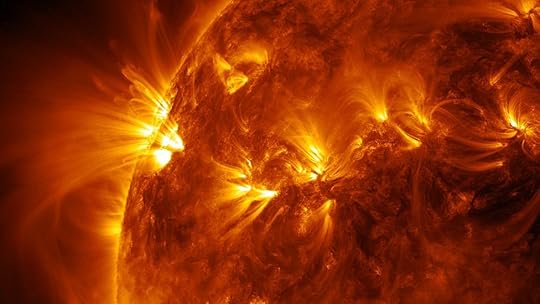
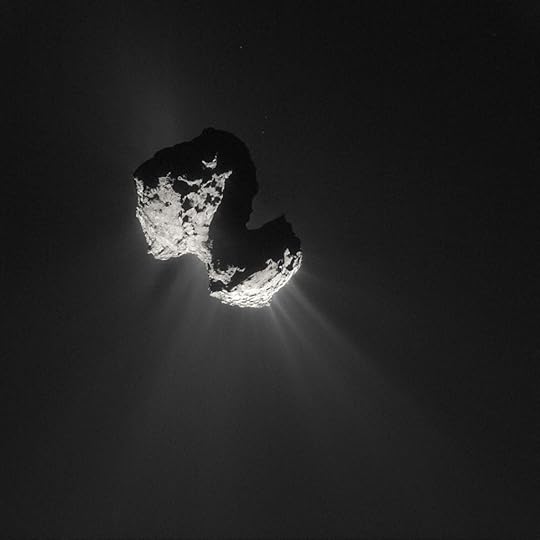
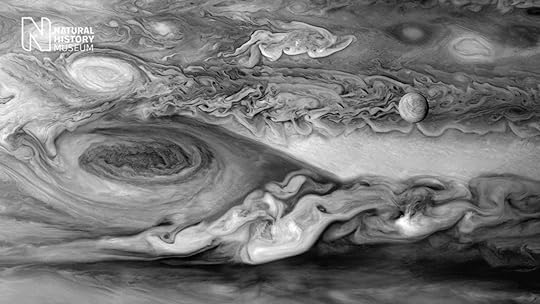
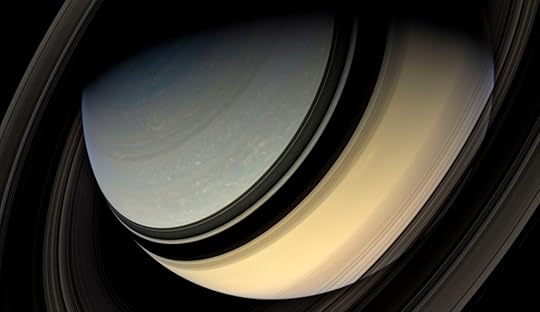
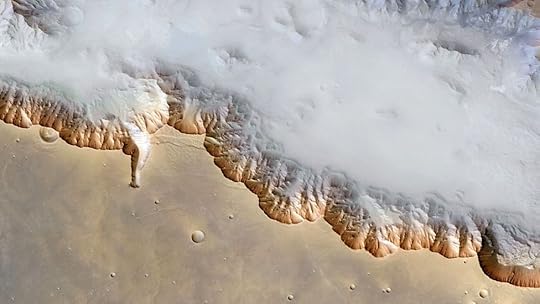
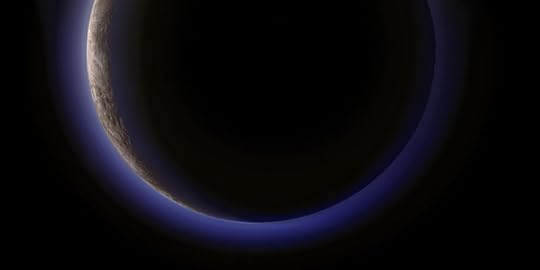
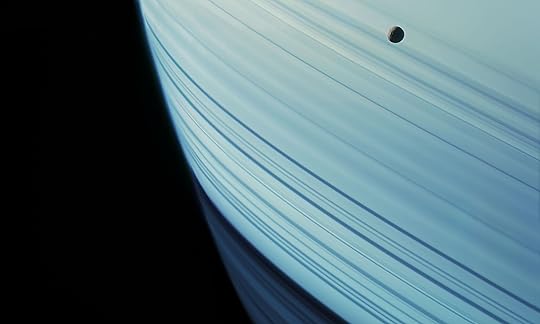
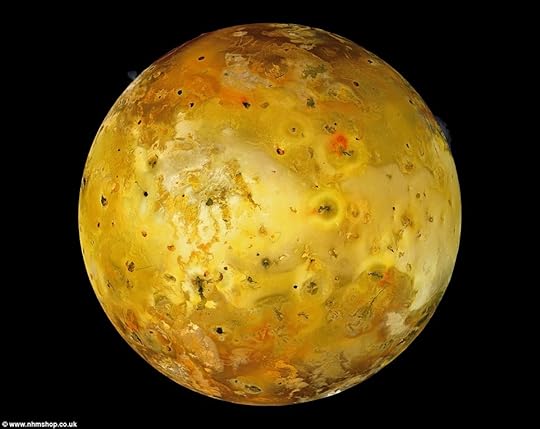
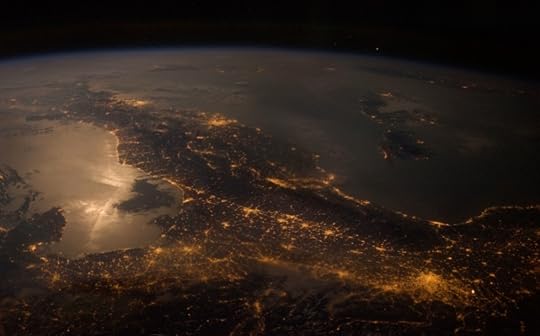
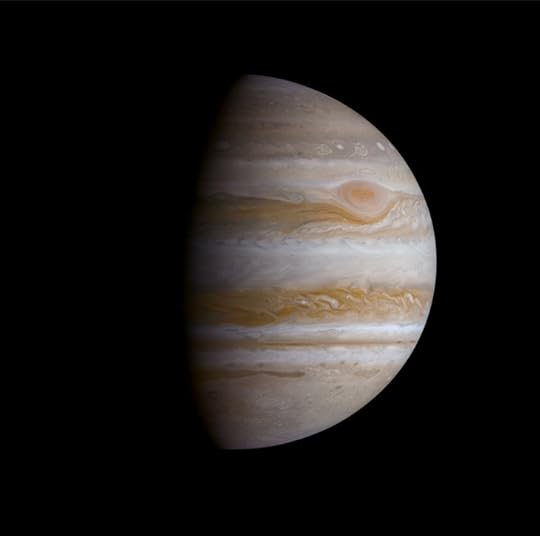
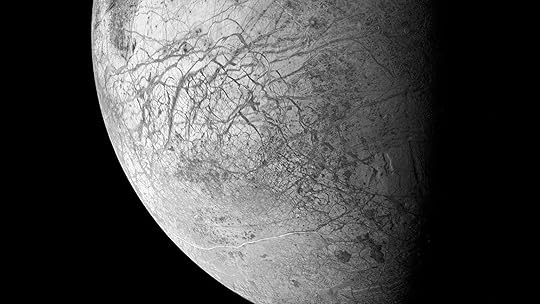
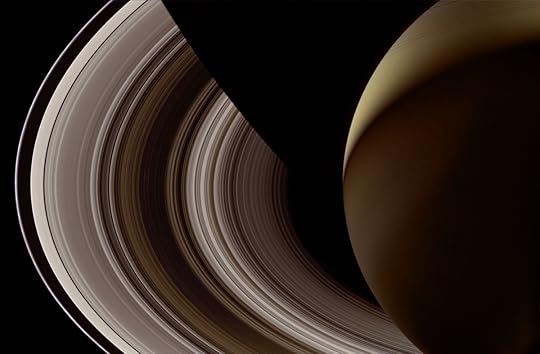
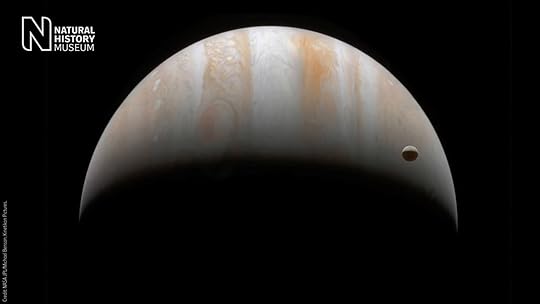
Otherworlds is a record of humanity’s planetary exploration and a tribute to the stunning beauty of our solar system in spectacular high-resolution landscape images, processed by Michael Benson to capture how the planets would look if we could visit them and see them with our own eyes. We start in low Earth orbit and then move on to the Moon and our planetary neighbors, Mars and Venus. We then explore Mercury and the Sun before traveling to the gas giants of the outer solar system—Jupiter, Saturn, Uranus, and Neptune—and onward to Pluto. Using the best imagery from remarkable missions of robotic spacecraft, Benson takes us on a voyage of discovery that gives us a new, expansive concept of home and our place in the universe.
Michael Benson is a journalist and maker of documentary films, including the award-winning Predictions of Fire (1995). His work has been published in the New York Times, the New Yorker, and Smithsonian, among other publications, and he has been a television (CNN) and radio (NPR) reporter. He is also the author of the Abrams bestseller Beyond: Visions of the Interplanetary Probes. He lives in New York City.
If you are fortunate enough to find any opportunity to view the travelling exhibit Otherworlds, DO NOT MISS OUT! The sheer scale of the images is visually intoxicating. To begin to appreciate that scientific archives of binary mosaics have been transformed to represent the size, scale, and distance that comprise our solar system is nearly unfathomable. But even if the exhibit is not accessible to you this book will provide a fascinating overview of space probe photography - otherworldly landscape portraiture - and how images have been captured and assembled.
Splendide immagini che ci mostrano il nostro sistema solare come solo in tempi recenti è stato possibile vederlo, comprese le immagini di Curiosity da Marte. Il tutto accompagnato da paragrafi descrittivi del pianeta protagonista del capitolo, con curiosità relative ai suoi studi.
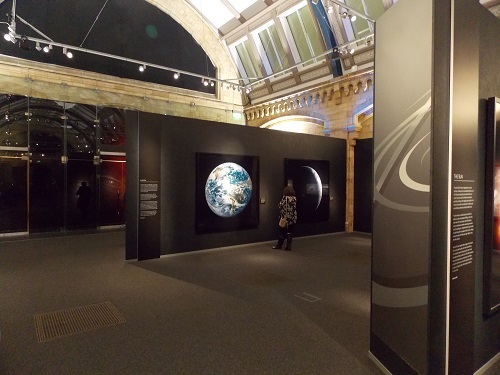
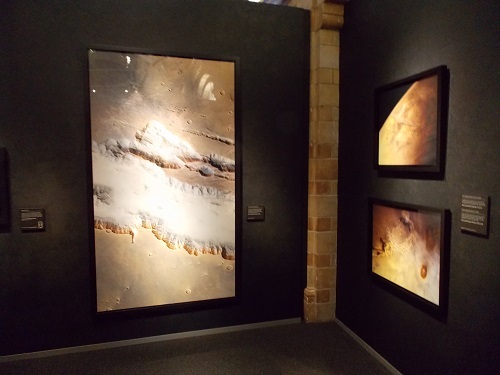
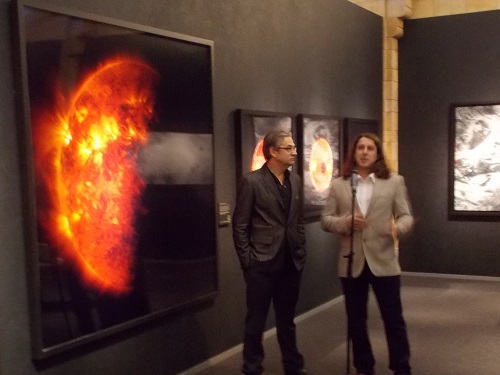
Splendide immagini, certo, ma vederle esposte nelle sale riservate del Museo di Storia Naturale a Londra, in un ambiente con luci soffuse, riunite in base al soggetto e accompagnando il visitatore in un percorso visivo ma non solo (grazie all'accompagnamento attivabile in streaming sul cellulare, con le spiegazioni delle immagini) fa tutto un altro effetto e amplifica le emozioni che queste foto suscitano nello spettatore.
It is especially hard to review an art book that comes from an exhibition that I haven't seen. That said, I very much enjoyed this, and thought the pictures contained within were both beautiful and educationally illuminating.
In that way, I suppose it has done exactly its job. As I very much wish I had had the chance to see Michael Benson's exhibit up close and personal, with the images in their full-scale, full-color glory, complete with a new ambient work by Brian Eno. I will definitely be keeping my eyes open for Benson's name, in case his future works happen to grace any museums in my area.
Excellent photography, could have used more details, for example at one point they mentioned Mercury as being the second smallest of ten planets (even if you put Pluto back they are missing a planet). Still lovely to look at for the photos which I am always a huge fan of.
There's not a great deal of text in this book - but it doesn't really need it. The pictures say everything that's important. Stunning, gorgeous photos of the planets and moons, comets and asteroids, carefully chosen. It's lush and absolutely lovely.
“Stark deserts and frozen plains may seem alien, but such images are created from the same data that Museum scientists use to understand the 4.5 billion year development of our planet and how it may respond to change in the future.”
Sir Michael Dixon, Director of the Natural History Museum.
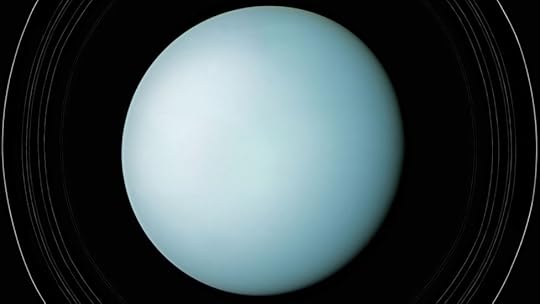
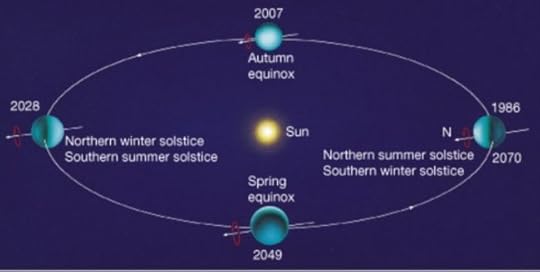
Absolutely gorgeous images, many I'd never seen before. Would give it 5 stars except for a glaring mis-statement about Uranus's axis, which is oddly nearly parallel to the ecliptic (orbital plane about the sun) He says one pole is always pointed at the sun, the other to dark space. Nay! planets are giant gyroscopes, with axes that keep a constant direction, so, in "summer" one pole points at the sun, in "winter" it points to dark space and at the equinoxes between the equator faces sunward. My suspicion was corroborated by Wikipedia and: