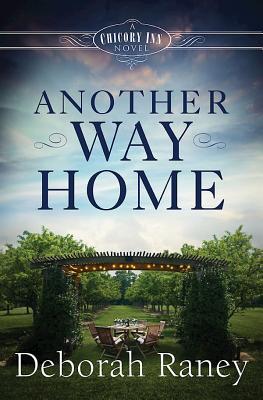
I have such mixed feelings about this book. I was so conflicted about it, couldn't decide if I should give it three stars or four - three and a half? On the one hand, I was so invested in the story, I had a hard time putting it down. This became more and more true the longer I read. I stayed up later than I should have on occasion wanting to know how things worked out. So obviously, the story drew me in. However . . .
However, I had a major problem with how the women at the shelter were portrayed. Raney filled her battered women's shelter with only one kind of woman - uneducated and poor. This goes against every statistic out there. Professionals who work with domestic violence will tell you that it can happen to anyone, regardless of race, education level, or economic status. Domestic violence happens in every type of neighborhood, so this really bothered me. It also was implied that the women were asking for it in a way, with several comments about them being attracted to the "wrong type of man." Again, experts will tell you that abusers are very good at laying on the charm and are often the last person you would expect to beat a woman. Yet in this story, Hank is your stereotypical brute who I imagined wearing a wife beater over his tatooed arms. There were also a few racist comments about how no one knew the racial background of the little boy. Like, who cares? It describes his skin tone as "olive," and I couldn't help thinking, "if his skin was white, no one would wonder what his ethnicity was." Danae repeatedly chastises herself for judging the woman who's son she is trying to adopt, yet it always comes across as "I'm so much better than her. Oh, I probably shouldn't say that, but it's true" instead of true conviction. Actually, ALL of the women in the shelter are portrayed as bad mothers when they ignore their kids to watch a "raunchy" tv show.
I know that all sounds harsh, so why would I even give this book this many stars? Well, like I said, I was hanging on the edge of my seat to see how things would resolve. Dallas and Danae were also well developed, flawed characters, who grew as the story went on. Dallas sort of seemed callous to Danae's pain at first, even lamenting that if they had a baby, she would love it more than him. (Please, you are a grown man, sheesh!) Yet, as he bonds with the little boy they foster, he realizes what Danae has longed for all along. I also liked how it showed the sacrificial love foster and adoptive parents have to have when taking in an older child who has suffered trauma. It also realistically portrayed the uncertainties of domestic American adoption, where the birth mother could change her mind at the last minute (and rightfully so). I have walked with dear friends and close family who have struggled with infertility, and the emotions and struggles were portrayed in a gut-wrenching way. (Though the men in my life have been FAR more mature and supportive than Dallas, but like I said, he came around.) I also know people personally who have traveled the roller coaster of fostering and adopting. For the realistic portrayal of those things, as well as the engaging plot, I give this book overall three stars.
I just wish there had been less stereotyping and judgmental attitudes towards battered women.