Why I wanted this book:
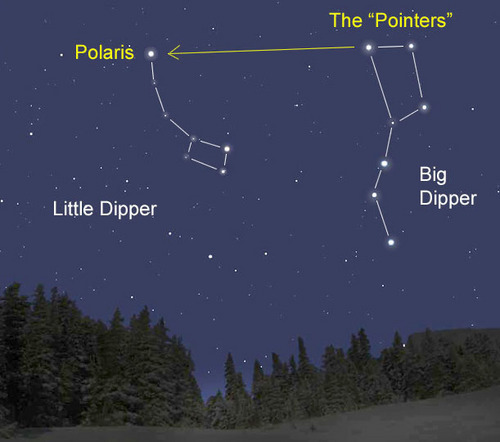
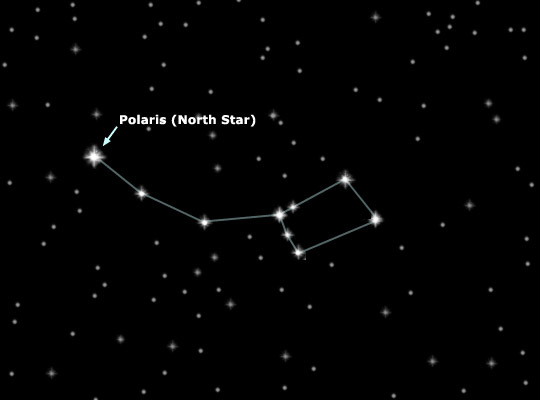
Growing up I learned two constellations: Ursa Major / Ursa Minor. Or The “Big and little dippers”. A small life goal I’ve had has been to learn more constellations… I think that it would be especially important because if I travel to another part of the world I could even appreciate the difference of the night sky in a different area!
Backyard Guide to the Night Sky has everything you need to get started watching the night sky… I purchased it with intent to have a reference to constellations and maybe learn a few new tricks to memorize them… This book has it all. from the moon, planets, sky, constellations, even suggestions on binoculars and telescope shopping.
Chapter by Chapter Topics:
- Chapter 1 - Sky Watching Basics. This starting chapter tells you in a nutshell everything you need to get started watching the night sky. Specifically to get your butt out the door and look with your own eyes… but if you’re one of those people who really thinks they need a telescope, or the whole backstory of the history of star watching, this chapter still has you covered. (Pro tip: Get away from street lights if you live in a city)
- Chapter 2 - The Atmosphere. I feel like I’ve watched a Magic school bus episode on this topic before… regardless, a lot of these chapters feel more like a science lesson, one that I have come across on a visit to the science museum or watched on television as a child, but it never gets old or hurts to review.
- Chapter 3 - The Sun. It’s stupidly easy to forget that our “Sun” is a star. While looking at the sun is not advisable because it could cause lasting permanent damage… Backyard Guide to the Night Sky’s approach is to be completely inclusive for everything you might see in the sky. ...While you won’t see the sun in the night sky… nevermind, don’t think about it.
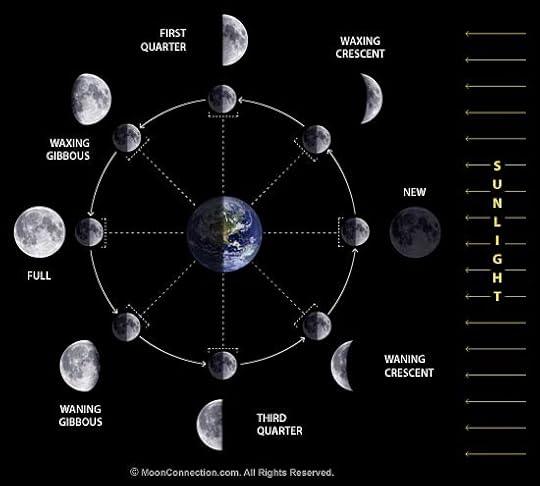
- Chapter 4 - The Moon. Do you realize you can get books that specialize on each of the chapters here? There are Maps of the moon available! There’s plenty to see on the moon. But once again, it’s best to be inclusive.
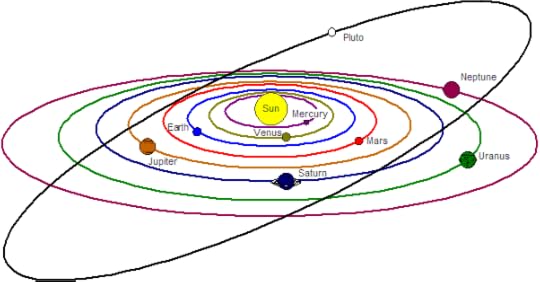
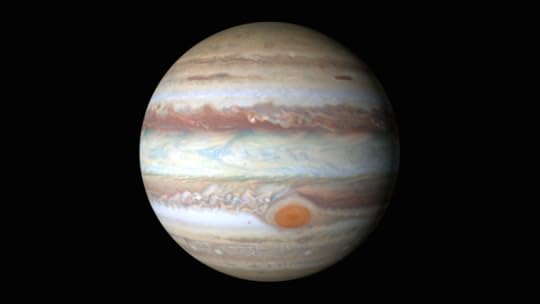
- Chapter 5 - The Planets. The question on everyone's lips… “What does this book say about Pluto?” It says it’s a dwarf planet, however it explains why that’s important.
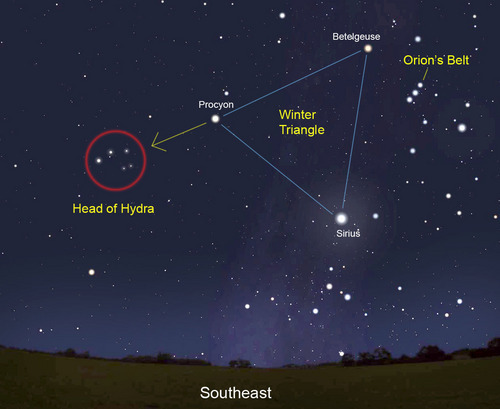
- Chapter 6 - Stars & Constellations. This chapter is easing the reader into the Seasonal sky and Constellation stuff. It talks about what exactly is a “Galaxy”, what is a Supernova, what are black holes, etc.
- Chapter 7 - Four Seasons of the Sky. The sky changes based on the season. I live in the northern hemisphere so naturally I’m very familiar with how the Little Dipper / Ursa Minor is always in the north, and how Ursa Major / The Big Dipper spins around it depending on whether it’s summer or winter… Some constellations are only available at certain times of the year here.
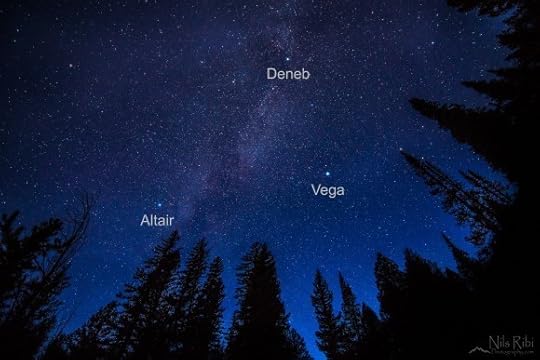
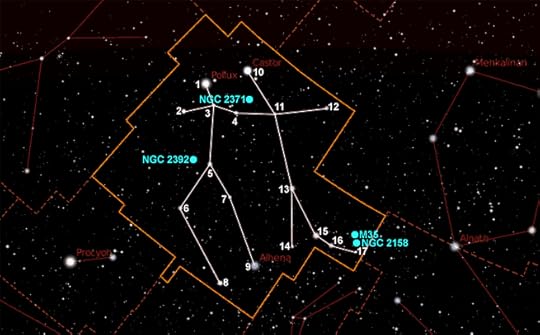
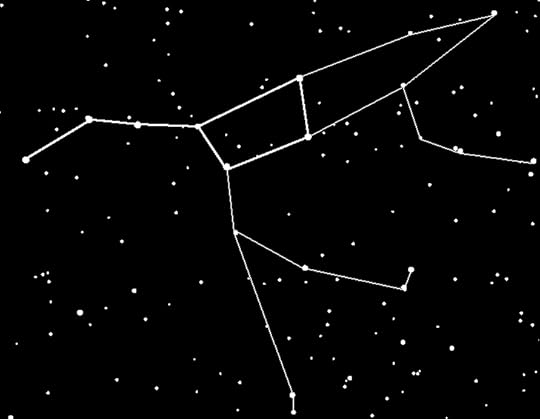
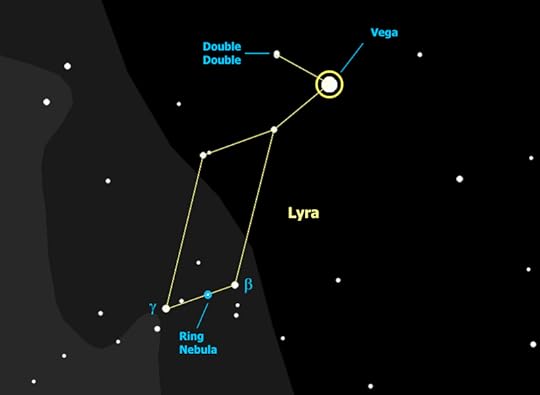
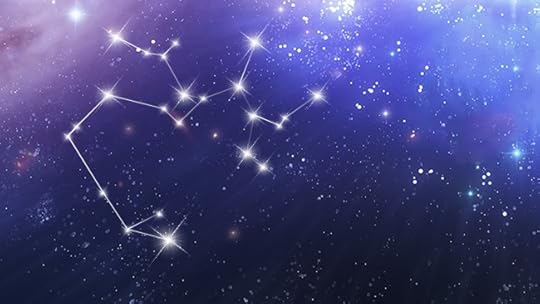
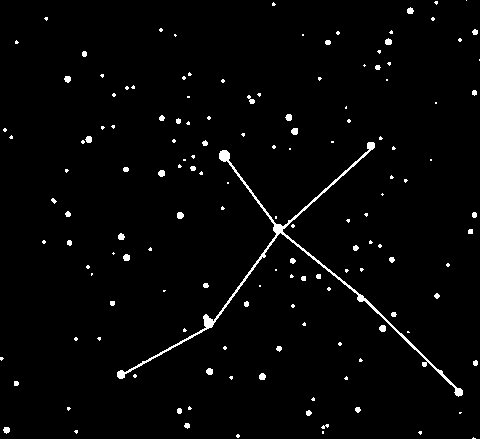
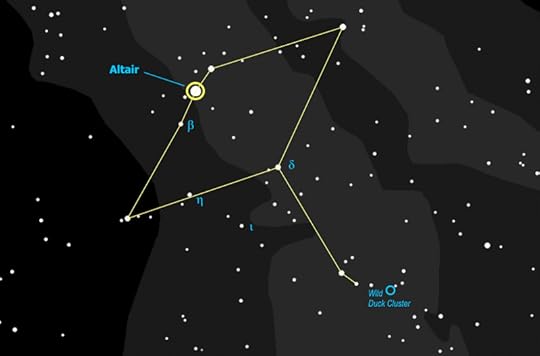
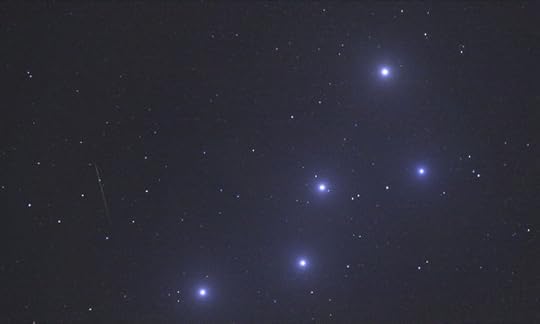
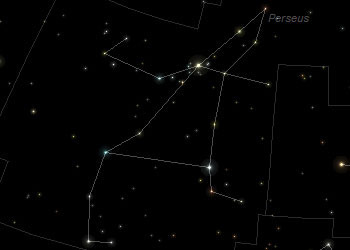
- Chapter 8 - Constellations. This is the chapter I purchased this book for. There’s one page for each constellation… for larger or more significant constellations they sometimes get two pages. There’s a neat helpful guide showing how big a constellation is if you hold your hand out to compare it open, closed, or two hands. ...I would like to add that some of the graphics make no dang sense… There's a graphic placed behind the constellation for visual illustration, but some of them make the constellation more complicated than it needs to be. (For example, Hercules looks like it should be upside down from the graphic they used… sometimes it’s best to just look at the shapes themselves and not get hung up on the visuals provided.) To make matters even more tough, sometimes stars in constellations are very faint making it harder to see the whole shape. That’s why learning new constellations has been such a bigger project for me then I expected it to be. I do truly already know the two easiest and biggest and clearest constellations available near me. (Working on adding two more at least to that list)
- Chapter 9 - Comets & Meteors. I forget there are annual meteor showers. That doesn’t take away the majesty of watching them in the summer for the first time years and years ago.
- Chapter 10 - Deep Space. Space: the final frontier. These are the voyages of the starship Enterprise. Its continuing mission: to explore strange new worlds. To seek out new life and new civilizations. To boldly go where no one has gone before!
Conclusion:
Backyard Guide to the Night Sky has tons of great visuals… it’s a National Geographic book, it better have some amazing pictures, that’s basically National Geographics brand isn’t it?
I think this book helped some for my goal of learning constellations. I think my personal project of buying some glow in the dark stars and pasting them in my room in constellation formats might have helped more than reading this book… but this book is kind of a jack-of-all-trades for “everything night sky watching”. And as the saying goes “Jack of all trades, master of none”.
Backyard Guide to the Night Sky succeeds in what it’s set out to do; give it’s reader a beginner perspective on what to look at in the night sky, a firm-basic-foundation for the history of astronomy, some of the more “exciting space things”, and PLENTY of stunning colorful glossy page images between the information.
Happy sky watching everyone!