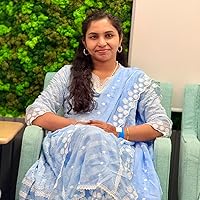
राधा पौडेल चितवनमा नर्सको सरकारी जागिर छाडेर सुरक्षित मातृत्व कार्यक्रमका लागि जुम्ला गएकी थिइन् । कर्णालीका सामाजिक र स्वास्थ्यगत् समस्या केलाउँदै थिइन्, माओवादीको सदरमुकाम आक्रमणको रात आफैं सशस्त्र द्वन्द्वको भुक्तमान भइन् । कार्यक्रम सकियो, उनको जुम्ला बसाइ सकिएन । निरन्तर सामाजिक सक्रियताबापत् उनलाई संयुक्त राज्य अमेरिकास्थित युनिभर्सिटी अफ स्यानडियागोले 'वुमन पिसमेकर- २०१२' र राष्ट्रसंघीय विकास कार्यक्रम -युएनडिपी) ले 'एन-पिस अवार्ड २०१२' सम्मान प्रदान गरेका छन् ।
जुम्ला खलंगामा २०५९ कार्तिक २९ गते भएको माओवादी आक्रमण जसमा चार सेना, २० प्रहरी, १९ माओवादी र दुई स्थानीय गरेर ४६ जनाको ज्यान गएको थियो, त्यसै घटनालाई मुख्य विषयवस्तु बनाएर लेखिएको किताब पठनीय छ । भाषा र शैलीको पाटो सम्पादन गर्न सकेको भए र आत्मरतीमा मात्रै सिमित नरहेको भए अझै उत्कृष्ट बन्न सक्थ्यो ।
बाह्र बर्षे जनयुद्दले देशलाई के दियो त म सक्दिन । तर नेपाली साहित्य जगतमा भने केहि राम्रा साहित्यकार र कृतिहरु जन्माएको छ । यसपालीको मदन पुरस्कार विजेता राधा पौडेलको "खलंगामा हमला" पढेपछि त्यस्तै लाग्यो ।
From her father's bedtime stories , first time in her life as a little girl she heard that name - Jumla. For her curious question : 'Are we really poor ?' , there came a reply from her father ' Not poorer than Jumla' ; again she had heard the same name. Radha Paudel unknowingly had proclined towards the place by ingraining strongly in her mind with her father's words to serve the people at Jumla after her education. ~~~ Jumla district in Karnali region of West Nepal is an evidently ignored & utterly undeveloped place. Radha Paudel being a nurse willingly asked for a posting as Human Resource Development Officer at Jumla. Her very first sight of a few children at the moment she landed there with ragged clothes & matted hair cringes her heart. To say the least, health conditions are equally worse. She observes that maternity mortality rate is more due to the unavailability of hospital with adequate equipment to conduct delivery. This ignited her to set up a programme called 'Safe Motherhood' which aimed at building a hospital with Operation theatre & blood transfusion unit. ~~~ Around the same time , Maoist attacks wrathed a havoc in Jumla drenching it in blood & burning everything into ashes. The detailed accounts of war zone during & after the attacks is harrowing. Banks are looted, Govt offices are blasted & innocent people are killed. Lucky are they who woke up alive the next morning of Maoist attack. Radha who safely survives the attacks firmly considers this as her rebirth. She believed that she is still alive for a lone purpose & that purpose is to revive & rebuild Jumla. ~~~ Radha's contributions are not merely dedicated to health care itself, but later it's been catered in eradicating menstrual taboos & providing primary education for girls. With the help of other social workers , an NGO named AWON is established with a strategy - 'Miteri Gaun: Lets live together'. ~~~ Originally written in Nepali by Radha Paudel, this memoir has won Madan Puraskar. The book is structured as excerpts from author's diary. I somehow had issues with flow of narration here & there abruptly switching from one incident to the other. ~~~ As a matter of fact , Radha Paudel is no way connected to Jumla except for her father's account on the place ; neither she was born nor was brought up there yet she has sacrificed her personal life out of sheer empathy which is an absolute rare feat.
The book Jumla: A Nurse’s Story has problem in the title itself. The word denotes the topographical place. The word Jumla cannot represent the place Khalangaa. The translators have adopted several ecological words in the text. The translation of the title of the book itself is questionable. The translators are careful to present other topographical and ecological words adopting SL words in TL text. However, they do not use such technique in title of the book. The adaptation of the SL text in TL text has problems in their translation. They have not considered inter-lingual limitation of the readers. They have taken translation as granted in adaptation technique. The TL readers cannot have idea of those SL terms. However, they have not explained it with footnote.
Ecological Cultural Terms Ecological cultural terms refer to the peculiar terms used in ecological aspects. These terms differ in different cultural set up. Peter Newmark argues that ecological cultural terms fall under geographical features. In ecological terms, he categorizes them namely, flora fauna, winds plains, and hills (95). He views: Geographical features can be normally distinguished from other cultural terms in that they are usually value free, politically and economically. Nevertheless, their diffusion depends on the importance of their country of origin as well as their degree of specificity (96). Newmarks opines the ecological words have peculiarity in the particular cultural set up. It would be difficult for a translator to get proper equivalent words. Therefore, different techniques are used to cope with such problems. i. SL: “Maaiju harusanga Ghaiyaa godna melaa bharna gairaakhnu parne” (Poudel, Khalagama 11). TL: “Instead, he had to work in the fields, weeding, planting rice and doing other farming jobs” (Poudel, Jumla 10). The word ghaiyaa is the paddy grown in dry land of hilly reason of Nepal. It has peculiarity in the meaning. As Newmark states ‘distinguished from other cultural terms’, the exact word for equivalence is not possible in translation. Therefore, the translators have used functional equivalence. To relate with, Newmark opines “It is applied to culture to culture words, requires the use of culture free words: sometimes with a new specific term” (83). ii. SL: “Baale ekDin ti mahilaa laai riththaa dinu bhaechha, haat Dhuna” (Poudel, Khalagama 13). TL: “He met some of women at the river and gave them a bar of soap” (Poudel, Jumla 14). Riththaa is a type of herbal plant. Its nut can be used in washing process as it forms suds like soap. It has a peculiar meaning in Nepali cultural set up. In Ekta Concise Nepali-English Dictionary, Lohani and Adhikari have mentioned it as a ‘soap nut’ (685). The translators have used descriptive equivalence techniques in translation process. In relation to descriptive equivalence, Newmark opines as a ‘description sometimes weighed against function’ (83). He says it is used for neutralization of translation. iii. SL: “Dhaawan maarga sangai Daangsaangu Tira baata bagdai auchha Tilaa naDi. Ani eyaraport, Karnaali prabiDhik skul ra mahaT gaaun Tin Tir baat bhiraalo huDai upaTyakaa jasTo sammaa Thaauma baseko saano bajaar” (Poudel, Khalagaamaa 31). TL: “Next to runway, flowed Tila river. At the junction of the airport, Karnali Technical Institute and Mahatgaun was a small bazaar” (Poudel, Jumla 34). The writer has used different typographical terms to visualize the pictures. The SL text presents the geographical features of the place. It involves the translation technique called deletion. Clifford E. Lander, the translation theorist has termed it as omission. He states, “Omission does not refer to cutting out a portion of a work that presents difficulties- deleting any part of original text is equivalence to unconditional surrender” (95). He views deletion as a technique that a translator uses in translation process. However, it does not mean that a translator has to omit any words in translation. It is just like unconditional surrender of a translator. The omitted words of SL text in TL create the problems, as they are associated with the geographical location of the place. iv. SL:“Mero agaadi lakshyako ajangako paahad thiyo. MaaThi uklina na bato thiyo na saaThi. Kasari uklula etro paahad” (Poudel, Khalagaamaa 118). TL: “In front of me was mountain of goals I had set for myself but there was no way for me to climb up and there was no one to help me. How could I make that climb?” (Poudel, Jumla 128). The writer of the SL text has presented her point of view. She feels as if she had enormous goal of life. The translation has the same point of view though the adjective ajangako has been omitted. The reduction of the word does not have drastic impact in the meaning of the text. Relating this, Newmark views reduction is done in imprecise translation where ‘SL adjectives of substance plus general noun shift into TL noun’ (90). It shows the reduction of adjectives that makes translation imprecise and problematic. v. SL: “Jangalmaa saalaka rukh tannai hunthe. Saalako phul paake pachhi bhuImaa jharchh. Akaasako taaraa jastai milera baseko hunchha bhuImaa. Haami Tesali tiper Dhaan sukaae jastai ekai thaaumaa samma paarer raakhthyau. Salai korera baalthyau ani biyaa lagera bechthyau” (Poudel, Khalagama 126). TL: “There were many pine trees in the jungle. Pine cones fell onto the ground as thickly as stars in the sky. We collected and burnt them so that only the seeds remained. We collected those seeds and took them to the bazaar to sell (Poudel, Jumla 136). Equivalence is one of the important aspects of translation. Improper equivalence leads translation towards problems. Peter Newmark urges for equivalent effect in translation. He opines, “The overriding purpose of any translation should be to achieve ‘equivalent effect’, i.e. to produce the same effect (or one as close as possible) on the readership of the translation as was obtained on the readership of the original” (48). He views that translation has equivalent effect. It enhances originality of the text. The reader gets the same meaning of the text. If the translation does not have equivalent effect, it has problems. The word ‘pine’ does not have same equivalent effect of saal. It lacks the meaning of the original in TL text. For the study of ecological cultural terms, the researcher has taken five samples from translated text. The translators have used neutralization and omission techniques. The researcher also finds some improper equivalence in translation. The words used for neutralization are Ghaiyaa and riththa for which the translators have used word ‘rice’ and ‘a bar of soap’ in their translation respectively. The translators have tried to neutralize the word. They have used the common word so that they can create same meaning of the text. They are found successful as far as they neutralize the words. However, it creates the problem for meaning conveyed by the author of the book. TL cannot present the ecological sense in SL text, as this neutralization cannot give the real meaning. The TL readers can only have the surface meaning. They have used omission technique as per Lander’s theorization. He argues that translators can omit the words if the omission does not bring any significant differences in meaning conveyed by SL to TL. However, the translators have not followed such ideological expressions as per Lander’s idea. In this sense, they surrender in the problems. The words which are omitted in translation are ‘Dangsangu’, ‘upaTyakaa jasTo samma baseko’, ‘sano bajaar’, ‘ajangako’ and ‘Dhaan sukaae jastai ekai thaumaa samma paarera raakhthyau’. The deletion of these words creates laps in TL text, as TL readers cannot get actual ecological description of the SL text. In the same line, we can find some improper translation in the text. The word that is translated with improper equivalence is, ‘pine trees’. The SL text has used saal, which does not mean pine tree. The word saal refers to tree for timber typically found in Terai of Nepal. But the pine refers to the coniferous tree of hills and mountains. This mistranslation really misleads the readers to get the meaning of the text.
Material cultural terms refer to those components that are used in day-to-day life. Newmark has cMaterial Cultural Termsategorized material culture ‘namely food, clothes, houses and town, and transportation’ (95). Therefore, material cultural terms refer to different food items, which have peculiarity in different language communities. The clothes people wear also differ place to place. The researcher has analyzed the material cultural termsas follow: i. SL: “Jahaa raksi yaTi sahaj chha, churot nahune kurai bhaena. Chuotai bhanera nakhaaye pani sulpaa khub khaainchha. Mahilaa pani yasakaa ammali chhan. Gaunmai baneko kankad raakher chilim taannu samaanya bhai haalyo” (Poudel, Khalagaamaa 37). TL: “Where alcohol consumption was so common, tobacco was as well, though not necessarily cigarettes. They smoke sulpa- a mixture of tobacco and cannabis products, in which many women were addicted. It was quite common to smoke chillum made from local tobacco” (Poudel, Jumla 40). The translation has followed the equivalent effect as Newmark has explained. He opinesthat a translator translates material cultural terms with adaptation, using the same word. He also discusses different techniques of translation for them. He proposes the recognized ‘one-to-one translation and transference’ (97). The translators have used transference techniques as they use the SL word in TL text. They have used the SL word sulpa in TL text. However, the word churot does not have same equivalent effect as per Nepali culture. The word churot as tobacco does not have same equivalent effect, either. ii. SL: “Harek din aagako muslo jasto khabarudthyo- khalangaa bajaarmaa maaowaadile aakraman garchhan re. Gharai pichchhe ekek jaanaalaai maaowadile laane re. Ghaaite ladaaku osarna doko bunidai chha re” (Poudel, Khalagaamaa 49). TL: “Every day there were more and more rumours: Maoists are preparing to attack Khalanga bazzar, they were taking one person from each house; baskets were being made day and night to carry injured fighters” (Poudel, Jumla 54). The translators have also used modulation techniques in translation process. Newmark defines, “Modulation is a variation through a change in viewpoints of perspective and very often category of thought” (88). The viewpoints of SL are changed in TL text. The translators also have used shift. The word ‘aagako muslo jasto khabar udthyo’ has been translated as ‘more and more rumors’. The translators have changed the original viewpoint in translated text. The translators have also used category shift in translation as per J C Catford’s idea. He views that the grammatical structure of SL text gets changed in TL text (74-77). Borrowing the idea of Catford, Newmark states, “A shift is a translation procedure involving a change in grammar from SL to TL” (85). iii. SL: “Yasto laagthyo khalangaa bajaarmaa basiraheka haami sabai aagoko bhungro maathi chhau… harek laai bhetdaa haamro man basantako phul jasto phakrinthyo, eh yo ta ajhai jibitai rahechha” (Poudel, Khalagama 49). TL: “It felt as if all people in khalanga Bazaar were walking on the hot coals… meeting up with people we knew made us happy like a flower blooming in spring. Oh, he is alive! Thank god!” (Poudel, Jumla 54-55). The word aagoko bhungro has the similar meaning as hot coal. There is no doubt that it has the underlying meaning of the word. The translators have tried to neutralize it with functional equivalence in translation. iv. SL: “Ghar bhitra charpi biralai thiyo. Kohi kohi baahir jaana daraaera kothaa bhitra koparaamai garidinthe” (Poudel, Khalagama 52). TL: “Indoors restrooms were rare. People were afraid to go out during night, especially children and the elderly, so they made chamber pots from cut-off gallons’ bottles” (Poudel, Jumla 58). As mentioned above, the translators have used modulation techniques of translation. The perspectives of making and uses have the shift in SL and TL. The translators have used the Catford’s concept of shift in translation. They have also used paraphrase technique in their translation. Newmark defines, “Paraphrase is an amplification or explanation of the meaning of a segment of text” (85). The translators have explained the text in their translation. v. SL: “Jab maanchhe traasma hunchha usalaaI ghar chaahinchha. Gharmaa bhautik surakshaa naholaa, tara pariwaarako maayaale karnakawachako kaam gariraheko hunchha, jasalaaI Arjunko baadale ni bhedan garna sakdaina” (Poudel, Khalagaamaa 54). TL: “When a human feels afraid, he needs his home. The love of family acts as his shield” (Poudel, Jumla 60). The translators have used the ‘level shift’ of translation as Catford defines, “Level shifts mean a shift of level that a SL item at one linguistic level has a TL translation equivalent in another level” (73). He points out that the word and level of the meaning change in equivalence when it is translated. The translators have translated the word traas as ‘afraid’. They have neutralized the SL word in their translation. However, the meaning of the word is deviated. The level of the meaning is different in TL. Though it has the same meaning, it cannot catch the same tone. In the line, the words karnakawachko kaam garirakheko hunchhhais translated as ‘acts as his shield’. The words used in translation are unable to cash the underlying cultural meaning of the original text. The translators have used deletion technique of translation. It can have the meaning of source text, but the religio-cultural dimension of the words is lacking in translation. vi. SL: “Haandimaa makai padkiejhai bhittaa ra chhaanaa bhari bhutututu goli padkirahekaa thiye. Bhittai chhedera goli aaula ki jasto bhayo” (Poudel, Khalagaamaa 64). TL: “Shots being fired into the wall and roof sounded just like popping popcorn. I was sure they would penetrate the walls” (Poudel, Jumla 71). As mentioned above, the translators have used omission techniques explained by Lander. The omitted word does not have any significant differences in the meaning of the SL text in TL. vii. SL: “Goli chaldaa bandukbata chhutne aagoko jhilkaale meraa aankhaa tirmir bhae” (Poudel, Khalagaamaa 65). TL: “My eyes were dazzled by the flash that come when a gun is fired” (Poudel, Jumla 72) The translators have used the techniques of the shift as Catford explains in the translation. They have used unit shift in their translation. Catford defines, “Units shift means changes of rank- that is departure from formal correspondence in which the translation equivalent of a unit at a rank in SL is a unit at a different rank in the TL” (79). The word agaako jhilkaa as ‘a flash’ is a shift in the meaning. T
This book is a memoir based on the experiences of war and the tragedy associated with it according to a Nepali nurse. More importantly, it describes the discrimination felt by our rural landscapes.
Having born in lower middle class with a number of female siblings she has described the hardships and troubles offered by our society and has been constatly fighting her way through it. It also defines the consequences and questions being faced upon only because her gender is female.
The spirit with which the writer has offered her service and dedication towards Jumla has got her numerous accolades and also Madan Puraskar for this book.
Our county needs alot of heroes like Radha Paudel.
After i read this book my respect for those hardworking nurses n medical staffs working in the rural areas got increased..Great representation of effect of civil war and condition of society those days..Mixed with humor...This books inspires and fuels the young souls and makes them realize the responsibilities they have for the betterment of community and country..
खलंगामा हमला पहिलो पटक पढ्दा कक्षा तीनमा थिएँ,के कसरी कति बुझेँ त्यतिबेला पत्ता पाइँन तर लकडाउनको यो समयमा फेरि एकपटक यसलाई दोहोर्याएँ,सुरु पल्ट पढ्दा जुम्लाको गरिबिले पढ्न तानिएको थिएँ यसपटक भने द्वन्द्वकालिन परिवेश बुझ्न। पढ्दै गर्दा जुम्लामा त्यतिबेला पड्केको बमको आवाज म किताबको माध्यमबाट यतिबेला सुनिरहेकी थिएँ अनि आफैँ तर्सिरहेकी पनि,त्यहाँ अभाबका दृश्य यहाँ आँखामा आज नाचिरहेका थिए,अनि त्यतिखेर मृत्युसँग पौँठाजोरी खेल्दै अलबिदा भएका हरुको शोक आज मनाएको जस्तै भान भैरहेको थियो।राज्यलाई मृत्यु सय र हजरमा गन्न कति सजिलो छ तर एकको मृत्यु मात्रै पनि उसको एक्लो परिवारमा कति दर्दनाक छ,अहो! बस् युद्धमा सदाहत प्राप्त गरेका अन्जान र निर्दोसहरुको प्राणको बलिदानले कति ठाँउमा आँखा रसाए अनि जुम्ला भित्र रहँदा जीवन र मृत्युको दो साँधमा उभिएकि लेखिकाले बाँच्न गर्नुभएको संघर्ष पछि बाँचेर फर्कँंदा,म आफैँलाई पनि ठूलो युद्ध जितेर फर्किएको जस्तो गरुङ्गो अनुभूति भयो। यो एक नर्सको डायरी मात्र नभएर सिङ्गो जुम्लीहरुको द्वन्द्वकालिन डायरी हो यो,सहासको डायरी। आमा र बाबाको लाड प्यार र स्नेहमा हुर्किएकी भएतापनि जुम्लामै गएर त्यहाँको सेवा गर्ने अठोट बोकेर हिँडेकी आफैँले संघर्ष रोजेकी लेखिकालाई मेरो सलाम!
Rating this book a star less.... the title has been properly justified yet "ek nurse ko diary" written inside this book probably didn't meet its expectations... it was more of "ek saamaajik mahila aviyaanta ko diary" .... nevertheless this book pictured the Jumla exactly as it is.... and its writings took me deeply into "khalanga maa hamala" though I was merely 8 years old boy living in ktm and had bare minimum experience of the civil war except a few incidence and fears up brought by the news during very early 60's and by a few bombings in ktm at almost the end of the civil war .... the writing was so detailed and good that having seen and been to the Jumla Khalanga as well as the Karnali hospital.. I was able to picture the night and the day after vividly...
मैले धेरैको संस्मरणहरु पढेँ। यद्यपि, ध च गोतामेको जस्तो रसिलो लेखन कसैको लागेन। राधा पौडेलको यो संस्मरण मैले थोरै अपेक्षा राखेर पढ्न शुरु गरेँ किनभने उहाँ पेशेवर लेखक होइन। तर म गलत सावित भएँ। पढ्दा पढ्दा म उहाँको लेखन शैलीले मलाई यसरी बाँध्यो कि उनले उल्लेख गर्नुभएको घटनाहरु आफ्नै अगाडि घटेको जस्तो लाग्न थाल्यो। उहाँको लेखन शैली र सघनताले मलाई लाग्यो उहाँले फिक्सन किताबहरु पनि लेख्नुभएको भए हुने।
यो किताब माओवादी द्वन्दकालमा आफ्नो कार्यथलो जुम्लामा लेखकले देख्नु भएको, भोग्नु भएको माओवादी द्वन्दकालको विरुप अनुभवलाई संस्मरणको रुपमा लेख्नु भएको छ।
माओवादी लडाकूहरुले २०५९ साल कार्तिक २८ गते राती गरेको खलंगा बजार हमलाका सजिव दृष्यहरुहरु एक नर्सका आँखाबाट गरिएको बर्णन भएकाले यो उनको युद्द संस्मरण हो ।नारी दृष्टिकोणबाट लेखिएको यो युद्ध–डायरीमा धेरै कमिकमजोरी हुँदैहुँदै पनि यो पुस्तक भावनात्नक छ, ईतिहासको एउटा पाटोलाई शब्दमा पोखिएको छ, पीडा, साहस र मानवीयताका कुराहरु समेटिएको छ। एक्लैले पनि थोरै सहि तर परिवर्तन गर्न सकिन्छ भन्ने सन्दे��� दिएको छ।
१६ वर्षको जनयुद्ध र १६००० भन्दा बढी नेपालीको रगत बगाएको माओवादी जनयुद्धले आखिर देशलाई के दियो? २०५९ सालको जुम्ला आक्रमणको कथा, पिछडिएको जुम्लामा एक सामाजिक अभियन्ताको कथा एकदम राम्रो लाग्यो। भुलेको नेपालको दुर्दशा एकपटक फेरि याद आयो। धन्यवाद राधा पौडेल ज्यू।
A deeply personal memoir, recalling the horrors of the Maoist war, albeit siding more with the Nepali state. A more balanced perspective would have been better, but overall, a must-read for those who want to remember the forgotten history of the civil war and its consequences in Jumla.
Reading this book made me realize the pain and suffering in JUMLA. This book also silently screams for much needed help to improve the living condition. Realization about 50 years and no change in JUMLA made me sad somehow. Thank you Radha ji for sharing your story.
Well written. Very good read. It tells us how difficult it was for women to work and present their ideas, and how they were viewed and expected in Nepalese society. This book allows you to understand the life of people in the remote place of Jumla, Nepal during the Maoist insurgency.
I read this book after listening to the writer in one of the panel discussions. Descriptive presentation of Jumla attack during 19 years long conflict in Nepal. This book is not only a memoir of the writer, this is the memory from 10 years long.
A small, amazing book. It describes intense emotions felt by the people of Jumla during the day of the attack, along with the state of Jumla with regard to healthcare and other necessities.
This entire review has been hidden because of spoilers.
पुस्तकको शीर्षक देखेपछी यसको कथानकको बारेमा केही अड्कलहरू आउँछन् दिमागमा । हमला..... घाइते व्यक्तिहरू....अस्पताल.....नर्स.....उपचार....घाइतेहरूको व्यथा....उनीहरूसँगको वार्तालाप.... आदि ।
तर अर्कै छ यसको कथा । हमला पनि छ । नर्स पनि छिन् । हमला भएको बेलामा एक नर्सको मनमा के कस्ता भावना आए यसैलाई प्राथमिकता दिएर लेखिएको किताब हो यो ।
नर्स होस या नोकर्नी, जीवन मरणको दोसाँधमा उभिएको बेला आउने भावना उस्तै हुन्छन् ।त्यसैले यो किताब नर्स वा अरू कुनै पेशामा लागेको व्यक्तिको डायरी हुनु/नहुनुले खासै फरक पार्दैन ।
म डायरी लेख्दिनँ । डायरी ठ्याक्कै कस्तो हुन्छ थाहा छैन । तर पनि म के भन्न सक्छु भने डायरी यस्तो हुँदैन । खलंगामा हमला डायरी होइन, संस्मरण हो ।
कथाको प्रस्तुति सरल सपाट तरिकाले गरिएको छ । न्युजपेपर रिपोर्टिङ्ग स्टाइलमा, कुनै पनि बिम्ब वा प्रतिकको प्रयोग बिनै ।सायद त्यसैले होला कथाको सतहमै रहेर पढेँ मैले । डुवाउन सकेन । कथा बग्यो, मलाई बगाउन सकेन ।
अलि लामो हुन सक्थ्यो, खै किन हो साह्रै छोटो बनाइयो । के को हतार थियो कुन्नी ? अलि धेरै अनुभवहरू समेटिएको भए, अलि गहिरिएर मनोवैज्ञानिक चित्रण गरिएको भए राम्रो हुन्थ्यो । आखिर युद्धले बाहिर जति घाउ दिन्छ, त्यो भन्दा गहिरो घाउ मनमा पुर्याउँछ ।
अनावस्यक आत्मश्लागामा नडुलि सिधै विषयबस्तुमा प्रवेश गरिएको छ किताबमा । मन पर्यो । नेपालको ईतिहासको एक घटनाबारे महत्वपूर्ण दस्ताबेज बन्न सक्छ यो किताब । यस्ता पुस्तकहरू लेखिनु पर्छ । लेखियो । प्रभावकारीता अलि कम भयो । गुनासो यही हो ।
र अन्त्यमा, सहरको रिमझिममा नभुली जुम्ला जस्तो दुर्गम ठाउँमा गएर सेवा गर्ने राधा पौडेललाई सलाम छ ।
खलंगामा हमला [Khalangama Hamala] Radha Paudel 2070 B.S Nepali Novel Madan Puraskar 144 Pages
Inspirational and a must read book
The writer is a nurse and social activist and the book is like her diary based on her personal story and thoughts.
'Khalangama Hamala' is a war memoir on account of the Maoist attack in Khalanga, the headquarter of Jumla district, during the period of insurgency.
It tells us her life as nurse, how she survived during Maoist's attack on Khalanga and explains the after math of the attack.
Author has successfully illustrated the condition of women and the social challenges they faced in past and are facing right now. The book let us know about Jumla and the atmosphere during civil war specially on rural areas.
Salute to all the nurses who dedicate their life for needy people sacrificing the city's facilities for the patients of rural areas. They are true angels.
Emotional, heart breaking and empowering! Radha Paudel’s story is gripping, from her stories of working as a nurse to becoming a humanitarian and social activist. It’s an informative and educational read which explores the inequalities, social injustices and poverty faced by Nepali’s living in the Karnali region, Jumla. She describes the horrific account of surviving the Maoist insurgency group and her purpose to help transform Jumla as her father wished when she was a child. The style of writing and the intensity of this memoir may not be for everyone. Nonetheless, ‘Jumla’ is well worth a read to learn about the Chauppadi practice that impacts on women menstruating in village areas and the changes that have been bought about by developing and implementing programmes to educate women, men and children on sexual and reproductive health.