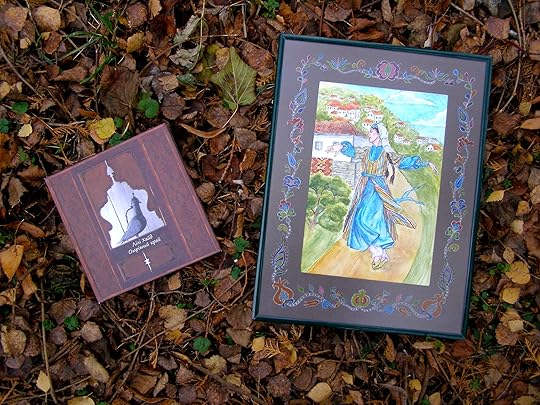
Головна героїня – кримськотатарська дівчинка Сафі, яка народилася за межами історичної батьківщини, виростала на оповідках про рай під назвою «Крим». Коли багатолітня її мрія опинитися на тій благословенній землі здійснилася, її чекало жорстке розчарування: нова реальність поставилася до неї більш, як вороже. Однак через сувору дійсність прогулькують промінчики нового трепетного почуття – безмежної, всепоглинаючої любові до рідного краю.
British Journalist Lily Hyde with her 2008 novel Dream Land (which I read on Open Library) focuses on the forced relocation to Soviet controlled areas of Central Asia of the Crimean Tartars in 1944 (by the U.S.S.R., but really by Russia and of course specifically by Josef Stalin, and yes, that indeed means ALL Crimean Tatars) and also on their return from said externally imposed exile almost fifty years later. But just to point out that while Dream Land is not OwnVoices, online musings about Dream Land by Crimean Tatar reviewers seem mostly laudatory (and equally much appreciative of Hyde bringing a relatively little known and painfully true story of Stalinesque war criminality against an entire people to light for a Western, for an English language middle grade audience and readership).
And with Dream Land Lily Hyde basically shows how twelve-year-old main protagonist Safinar (nicknamed Safi) and her extended family have in the 1990s left their friends and also their comfortable house in Uzbekistan to return to their ancestral homeland, to return to the Crimea to rebuild their lives and their communities. However, the book title of Dream Land is obviously meant to convey both a description and also rather a stark warning, namely that the Crimea is indeed considered so beautiful that it inspires homesick longing as well as fierce loyalty, but that the Tatars’ vision of their erstwhile Heimat is equally hugely idealised, so that they are not at all prepared for what awaits come the relocating Tatars' arrival in the Crimea from Uzbekistan (the squalor of their living conditions in muddy refugee camps and even more so the often fierce opposition from the Russian and Ukrainian settlers in the Crimea who see the Crimean Tatars as both inferior and also as unwelcome, and obviously do not want to make room for them, are totally against sharing).
Now Dream Land is told through the eyes of and from Safinar's perspective, with Hyde's text for Dream Land allowing Safi's (and as such a child's) justifiable indignation and her totally painful incredulity at the abuse and the racism returning Crimean Tatars are having to face and endure (including she and her family) to emerge very poignantly, very readably, very believably and with Dream Land also hugely tugging at readers' heartstrings regarding the Crimean Tatars moving from Uzbekistan (back) to the Crimea (and of course also Safinar, her grandfather, her father etc.) basically hoping for, perhaps even kind of expecting a type of paradise but instead discovering that the reality is rather brutal and not at all akin to how the Crimea has been envisioned in and through stories and remembrances. However, for me as an adult (although admittedly not so much for my inner child), while in Dream Land the returning Crimean Tatars enduring insults, hostility, suspicion and even direct threats as well as the wilful (and even rather tolerated by the authorities) demolition of the house Safi's family has painstakingly constructed and with protesting family members being wrongfully arrested is gut-wrenching and infuriating, Lily Hyde's story in Dream Land, her words, this also feels more than a bit unbalanced in so far as how ALL of the Russian and Ukrainian characters in Dream Land are pretty much across the board so to speak depicted and shown by Hyde as being cardboard thin, totally nasty, almost evil incarnate fairy-tale like villains, and that yes, this is considerably too one-sided for in particular adult reading me, and that as a novel, Dream Land really could do with more textual and thematic balance and not having such an all-encompassing us versus them mentality.
And thus, while I have definitely enjoyed much of Dream Land and how with her story Lily Hyde certainly makes a powerful case for the Crimean Tartars and uses the vehicle of the story to bring Tatar legends as well as customs to life (with the author's note and the helpful glossary being both enjoyed and equally so appreciated) the problematically one-sidedly evil and depraved depiction of all Russian and Ukrainian characters in Dream Land certainly lessens reading joy, gives an annoyingly lopsided story (and as such also makes my rating for Dream Land only three stars and to be recommended with some reservations and caveats).
Несподівано дуже хороша книжка. Як би мені хотілося мати її, коли мені, як головній героїні, було 12, бо вона чудово підходить для тих, хто не знає нічого про кримських татарів. Авторка наповнює її історіями, вкладаючи їх в уста дідуся-оповідача. 17-річним разом з тисячами інших його позбавили батьківщини. І лише за 50 років він нарешті може побачити знову рідну землю, покинувши все, що нажив за своє життя на чужині. Сюргюнлік — так називають найбільшу трагедію свого народу татари. Що змушувало їх покинути свої затишні домівки, гарну роботу, численних друзів і повертатися до Криму, де їм, м'яко кажучи, були не раді?
"— Ви теж могли б повернутися, — несміливо порадила Сафі. Обидві жінки подивилися на неї так, наче в неї виросли роги. — Повернутися? — В Узбекистан. Ну, тобто якщо вже Ремзі там, — Сафі відчула, як червоніє під їхніми поглядами. — Ні, не могла б, — Зарема сіла рівно і перестала крутити обручку, — я маю бути тут. Плітки — це дурниці. Де б іще я могла підвестися і сказати: "Ви не маєте права піддавати сумніву те, що я роблю, бо я маю право бути саме тут"? Це моя земля, мій дім, і мені більше немає куди подітися в цілому світі. Я мушу жити тут."
Що відчували старенькі, коли бачили на місці свого села пустку? Або що в їхньому домі живе чужа російська родина? Навіть не знаю, що гірше. А що, як влада навіть не дає дозвіл збудувати будинок на землі, яка доти не була нікому потрібна? А що, як твоїх дітей цькуватимуть, бо ж татари зрадники і взагалі дикуни якісь? А що як важкою працею збудована хатина буде зруйнована п'яними ідіотами?
Ми бачимо цю історію очима 12-річної Сафі, яка знає Крим лише з розповідей дідуся і уявляє його казковою землею з трояндами на вуличках і маленькими будиночками під червоною черепицею. Але приїхавши вона мусить пізнати життя в наметі у злиднях в купі з ненавистю місцевих жителів. І це не кажучи вже про сум за друзями і колишнім життям, яке залишилося в Узбекистані.
"Там вона всюди почувалася вдома, а тут боялася навіть зайти за вигин доріжки. Крим був зовсім не таким, як їй обіцяли. Вона мріяла потрапити до рідного краю з дідусевих казок, а натомість її світ стиснувся до чотирьох напівзведених стін, вузької зеленої долини й заболоченої доріжки до джерела. І вона ненавиділа все це."
Але згодом Сафінар відкриває для себе гору з печерним містом Мангуп-Кале. Забравшись у найвищу печеру і милуючись з висоти смарагдових пейзажем, Сафі нарешті відчуває себе в затишку і називає це місце "Дім Сафі". Коли дівчинка стає на захист такої нелюбої халупи, коли вперше стає учасницею демонстрації, вона нарешті розуміє, що сила її в тому, що вона частина свого народу. Я крапля в океані, знаєте? Мені подобається, що авторка зрештою дала і дітям, і дорослим друзів-росіян, які безкорисливо підтримують їх. Зрештою, саме такому чоловіку вона вкладає у вуста важливі слова:
"Я завжди знав, що Кримові чогось бракує, а тоді кримські татари почали повертатися і я збагнув, чого саме. Крим без татар як суп без солі. Ви, татари, і є кримська сіль."
This is a great and easy read to understand where the Crimean Tatars are coming from. It allows you to understand what they are doing, and why they are doing it in a way which I feel few Crimean Tatars themselves would be able to explain to you. While reading it, it makes you think of other displaced groups, I thought of different Native American tribes, one person who read it thought of Tajik people from their civil war, any way you look at it, the book speaks of a people seperated from their homeland, and their tentitive and difficult way back to it.
Profoundly moving tale about how difficult it is for the exiled - and their future generations - to adjust and settle down to a homeland which is no longer theirs - except in memories
Чесно кажучи до роману Лілі Хайд я не сильно заглиблювалась в історію повернення кримських татар додому. Вони пережили 50 років заслання, та вижили лише завдяки своїм спогадам про мирне життя у Криму та надіям на повернення. Всі ці роки народ жив плекаючи свою мову та культурні традиції, щоб наступні покоління не зникли та не асимілювали. І ось після такого жаданого повернення додому кримські татари стикаються з цілою купою проблем: їхні села зникли, замість домів руїни, місцеві їх ненавидять, бо вже встигли пустити коріння у Криму та бояться, що кримські татари будуть захоплювати "їх", росіян, землі, місцева влада не дає дозволів на будівництво та прописок, офіційно роблячи з кримських татар нелегалів, а державна, українська влада, яка запросила їх повертатися додому, взагалі не займається проблемами народу, повністю ігноруючи їх. Роман "Омріяний край" пронизаний історіями доль кримських татар, що за формою так нагадують східні казки, пронизані мудрістю народу. Однозначно рекомендую для прочитання.
Really loved this book once I got into it. It gave me a massive insight into a period of history and conflict that I frankly knew nothing about. Told from the perspective of a young girl, you were able to understand better all the emotions, challenges and identity questions they were posed with and how ultimately kindness triumphs.
Wonderful fiction on the return of Crimean Tatars to Crimea. The novel is based on a story of a Crimean Tatar family. The stories make you cry and laugh.
This is the story of a twelve-year-old Crimean Tatar girl Safinar (Safi) Ismailova and her family's valiant struggle to build their new home and start a new life in their ancestral homeland. Lily Hyde, a British journalist, in Safi(nar)'s struggle, actually tells the compelling story of the entire Crimean Tatar nation's struggle to regain their human and national rights in a simple but eloquent language.