Este eBook foi convertido ao formato digital por uma comunidade de voluntários. Você pode encontra-lo gratuitamente online. A compra da edição Kindle inclui os custos da entrega sem fio.
Alexandre Herculano de Carvalho e Araújo, a Portuguese novelist and historian. Born of humble stock, his grandfather was a foreman stonemason in the royal employ.
Privation made him a man, and in his works, he proves a poet of deep and considerable power of expression. The stirring incidents in the political emancipation of Portugal inspired his muse, and he describes the bitterness of exile, the adventurous expedition to Terceira, the heroic defense of Oporto, and the final combats of liberty.
In 1837 he founded the Panorama in imitation of the English Penny Magazine, and there and in Illustraco he published the historical tales which were afterwards collected into Lendas e Narratives; in the same year he became royal librarian at the Ajuda Palace, which enabled him to continue his studies of the past. The Panorama had a large circulation and influence, and Herculano's biographical sketches of great men and his articles of literary and historical criticism did much to educate the middle class by acquainting them with the story of their nation, and with the progress of knowledge and the state of letters in foreign countries.
Grave as most of his writings are, they include a short description of a crossing from Jersey to Granville, in which he satirizes English character and customs, and reveals an unexpected sense of humour. A rare capacity for tedious work, a dour Catonian rectitude, a passion for truth, pride, irritability at criticism and independence of character, are the marks of Herculano as a man. He could be broken but never bent, and his rude frankness accorded with his hard, sombre face, and alienated mens sympathiea though it did not lose him their respect. His lyrism is vigorous, feeling, austere and almost entirely subjective and personal, while his pamphlets are distinguished by energy of conviction, strength of affirmation, and contempt, for weaker and more ignorant opponents. His History of Portugal is a great but incomplete monument.
A lack of imagination and of the philosophic spirit prevented him from penetrating or drawing characters, but his analytical gift, joined to persevering toil and honesty of purpose enabled him to present a faithful account of ascertained facts and a satisfactory and lucid explanation of political and economic events. His remains lie in a majestic tomb in the Jerónimos Monastery at Belem, near Lisbon, which was raised by public subscription to the greatest modern historian of Portugal and of the Peninsula. His more important works have gone through many editions and his name is still one to conjure with.
This tale portrays events at 1130, the hero's individualization as a narrative category capable of giving unity and meaning to the restoration of the past. Above all, he exalts the beauty of Christian principles in his work, showing how much he is so interested in a positive way as unfavourable by the religious figure, and reflects Herculano's appreciation for the Middle Ages, and set in the 12th century. Time of Afonso Henrique's reign, which conflicts with the Pope, motivating him to the main plot of the narrative. It brings accurate fictional aspects and leaves the reader with the possibility of doubt between the real and the imaginary. It also noted that the presence of a certain exaltation of the local landscape is narrated in detail, the entire environment in which the tale will contemplate as if it were a painting to be praised.
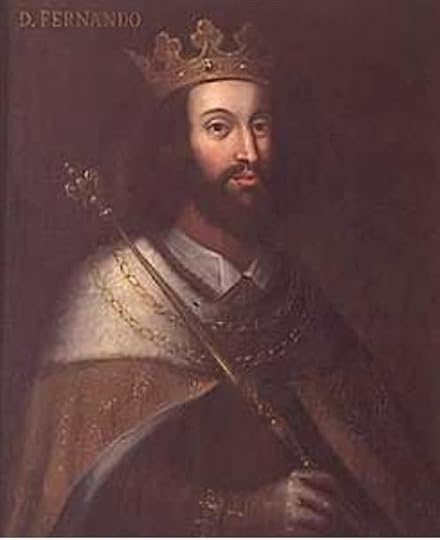
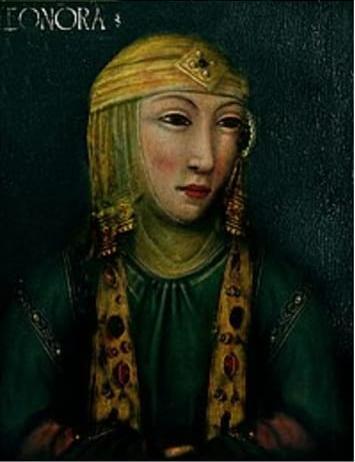
Mais importante que a lenda que dá nome ao livro “O Bispo Negro” é a novela seguinte “Arras por foro de Espanha” relatando o infame, adúltero e perverso casamento de D. Fernando com Leonor Teles, da perniciosa influência que está exerceu sobre o bondoso monarca e das intrigas e vinganças que levou a cabo.
Na verdade, a edição que eu li (que este belo site ainda não tem) inclui mais 2 contos, para além do "Bispo negro". Com isto tudo para dizer que a imaginação do Alexandre Herculano é fenomenal, mas que qualquer uma das histórias se lê muito bem. O último conto, "A morte do lidador", é, ainda assim, bastante gráfica em algumas descrições... e o plot do "Alcaide de Santarém" é algo de que ninguém está à espera. O "bispo negro", em si, é só super básico (e percebe-se bem que o Afonso III é bisneto do mano Afonso Henriques).
I listened to the audiobook. It’s well written and historically interesting. Even though it’s not the kind of book I usually gravitate towards, I still enjoyed it overall.
Relato com pormenores bastante interessantes acerca da História de Portugal, aquando do reinado de D. Afonso Henriques. Muito rápido de ler, mas massudo em termos de escrita.
A minha edição da editora Book Cover é composta de três histórias: "O Bispo Negro", "O Alcaide de Santarém" e "O Lidador". Estes contos são narrativas históricas e focam-se na era medieval da península ibérica, um tema muito apreciado por Alexandre Herculano.
O Bispo Negro - 3,5 - um pequeno conto que fala a respeito dos conflitos entre o príncipe Afonso Henriques e a Igreja Católica devido a prisão/exílio de sua mãe. Afonso Henriques rejeita o pedido de libertação da mãe e desafia a Igreja ao nomear como bispo de Coimbra Çoleima, um negro cujos "cabelos revoltos contrastavam pela alvura com a pretidão da tez". Uma das lendas mais famosas da história de Portugal." "— Missa não vos cantarei eu, senhor — respondeu o negro com voz trémula —, que para tal auto não tenho as ordens requeridas. — Dom Çoleima, repara bem no que te digo! Sou eu que te mando vás vestir as vestiduras de missa. Escolhe: ou hoje tu subirás os degraus do altar-mor da Sé de Coimbra, ou a cabeça te descerá de cima dos ombros e rolará pelas lájeas deste pavimento."
O Alcaide de Santarém - 3,5 - Uma história passada na Espanha muçulmana, no Palácio Azzahrat, em Córdoba, capital do califado. Muitas intrigas e um final surpreendente. "— Vens, pois, anunciar-me uma desventura?!... Cumpra-se a vontade de Deus. Tenho reinado perto de quarenta anos, sempre poderoso, vencedor e respeitado; todas as minhas ambições têm sido satisfeitas; todos os meus desejos realizados; e, todavia, nesta longa carreira de glória e prosperidade, só fui inteiramente feliz catorze dias da minha vida. Pensava que este fosse o décimo quinto."
A Morte do Lidador - 4 - para mim foi o melhor conto do livro. Gonçalo Mendes da Maia, o Lidador, nomeado por D. Afonso Henriques como fronteiro de Beja, completa 95 anos (80 que veste armas e 70 que é cavaleiro) e deseja comemorar com mais uma batalha contra os mouros. Uma história com muita ação e com um ótimo texto. "— …Senhores cavaleiros, hoje contam-se noventa e cinco anos que recebi o batismo, oitenta que visto armas, setenta que sou cavaleiro, e quero celebrar tal dia fazendo entrada por terras da frontaria dos mouros. Isto dizia na sala de armas do castelo de Beja Gonçalo Mendes da Maia, a quem, pelas muitas batalhas que pelejara e por seu valor indomável, chamavam Lidador."