(IN SPANISH BELOW)
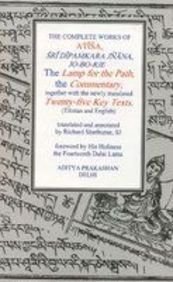
Very concise (68 verses) yet extremely wonderful summary and explanation of the whole Path to Enlightenment by one of the foremost Indian masters, Atisha, deeply revered for re-introducing Buddhism in Tibet after the first wave of teachings had decayed.
The original text, along with the commentary, notes and translation of Geshe Sonam Rinchen and Ruth Sonam provide a great overview of both the exoteric (paramitayana) and the Esoteric (tantrayana) Mahayana path to enlightenment. The commentary provides insightful explanations about everything Atisha mentions, while the notes by Ruth Sonam dispel any trace of doubt or curiosity about the historical context, the metaphysical terms or the Tibetan terminology that might have been left. The original text in itself is amazing by how it synthesizes the spiritual path from beginning to end in such a short length: the three different approaches to the practice, developing bodhicitta and the bodhisattva bow, the need to develop mental stability (and the associated powers that come from it) and wisdom, both in its philosophical aspects (ascertaining the need to study the Madhyamika-Prasangika school views on emptiness) aswell as the contemplative way to realizing them experientially - including, at the end, the requisites and benefits of practicing the Vajra vehile.
A wonderful text without any doubt. I would really recommend this volume to Mahayana, and especially Tibetan-oriented, Buddhist practicioners who already have some knowledge and experience about the path and its basic aspects, and want to know about one of the seminal texts that contributed to the formation of the Sakya, Kagyu and Gelug schools (especially the latter one, since Je Tsongkhapa's Lam Rim is extensively based on Atisha's work).
Un resumen y explicación muy concisos (68 estrofas), aunque maravillosos, del Camino hacia la Iliminación por uno de los más importantes maestros indios, Atisha, reverencialmente apreciado por reintroducir el Budismo en Tibet después de que la primera ola de enseñanzas hubiera decaído.
El texto original, junto con el comentario, notas y traducción de Geshe Sonam Rinchen y Ruth Sonam dan una gran visión de conjunto del camino Mahayana hacia la iluminación, tanto exotérico (paramatiyana) como del esotérico (tantrayana). El comentario da explicaciones profundas de todo lo que Atisha menciona, mientras que las notas de Ruth Sonam disipan cualquier duda o curiosidad que pudiera quedar sobre el contexto histórico, los términos metafísicos o la terminología Tibetana utilizada. El texto original, en sí, es increíble por cómo sintetiza el camino espiritula de principio a fin en tan poco espacio: las tres diferentes aproximaciones a la práctica, desarrollar bodhicitta y el voto de bodhisattva, la necesidad de deasrrollar estabilidad mental (y los poderes asociados que vienen de ello), y la sabiduría, tanto en sus aspectos filosóficos (afirmando la necesidad de estudiar la visión de la vacuidad dde la escuela Madhyamika-Prasangika), así com ode la manera contemplativa de realizarlas de manera experiencial - incluyendo, al final, los requisitois y beneficios de practicar el vehículo Vajra.
Un texto maravilloso sin ninguna duda. Lo recomendaría a practicantes de Budismo Mahayana, y especialmente a aquellos orientados a la práctica de su vertiente Tibetana, que quieran saber sobre uno de los textos seminales que contribuyeron a la formación de las escuelas Sakya, Kagyu y Gelug (especialmente de esta última, ya que el Lam Rim de Je Tsongkhapa'está basado extensamente este trabajo de Atisha).