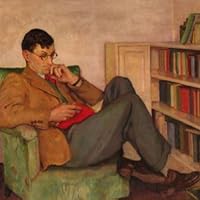
"... Je prouverai par des arguments non impertinents et des raisons irréfutables, à la barbe de je ne sais quels faiseurs de centons, botteleurs de matières cent et cent fois ressassées, rapetasseurs de vielles ferrailles latines, revendeurs de vieux mots latins tout moisis et incertains, que notre langue vulgaire n'est pas aussi vile, aussi inepte, aussi indigente et méprisable qu'ils l'estiment. (...) C'est pourquoi, buveurs, je vous avertis en temps opportun, faites de mes livres bonne provision aussitôt que vous les trouverez dans les boutiques des librairies, et il vous faudra non seulement les écosser mais encore les dévorer comme un opiacé pour le coeur et les incorporer en vous-mêmes; c'est alors que vous découvrirez le bien qu'ils réservent à tous les nobles écosseurs de fèves."
French humanist François Rabelais wrote satirical attacks, most notably Pantagruel (1532) and Gargantua (1534), on medieval scholasticism and superstition.
People historically regarded this major Renaissance doctor of fantasy, satire, the grotesque, bawdy jokes, and songs. Considered of the great of world literature, he created modern Europe. He also published under the names Alcofribas Nasier and Séraphin Calobarsy.
François Rabelais était un des grand écrivains de la Renaissance française, médecin et humaniste. Il a toujours été considéré comme un écrivain de fantaisie, de satire, de grotesque et à la fois de blagues et de chansons de débauche. Rabelais est considéré comme l'un des grands écrivains de la littérature mondiale et parmi les créateurs de l'écriture européenne moderne. Il a également publié sous les noms Alcofribas Nasier et Séraphin Calobarsy.
One of the things that struck me in the first of Rabelais’ five books was the emphasis on laughter. The author announced at the very beginning of Gargantua that laughter makes us human, and that it is better to laugh than to cry: Il vaut mieux traiter du rire que des larmes parce que rire est le propre de l’homme.
The other big theme I drew from that first book was the important place Rabelais gave to wine and wine drinking; the narrator addressed the readers as buveurs i.e. ‘drinkers’, and reference was made to wine in most of the scenes in the book.
In Le Cinquième Livre, the fifth and final book of his series, Rabelais goes so far as to conclude that it is not laughter but wine drinking that may make us human, and the reader realises that the five books have been steadily leading to this conclusion from the very beginning. Rabelais has given us example after example of how wine solves dilemmas of all sorts, and how it even cures diseases and saves lives - especially when it’s a question of dying of thirst otherwise! Of course all the examples are delivered in such a humorous way that we are never sure when Rabelais is being serious and when he is joking.
In the first book I had seen parallels between Rabelais and twentieth century author Flann O’Brien, whom I'd been reading in tandem, not only in terms of the cryptic nature of their comedy but also for the way alcohol is a key element in their work, so it's interesting to note that while reading Rabelais’ final book, I was also reading a final book in Flann O’Brien’s oeuvre, his 'Collected Plays'. One of the plays is called Thirst and is about dying of thirst and being saved by drinking beer so you can imagine my pleasure at finding this echo of my first impressions confirmed at the end of nearly three months of reading both authors side by side. It’s been an entertaining if slightly crazy adventure, and I've made sure not to die of thirst while spending time with these two unflinching ‘buveurs’.
Incidentally my copy of the book seemed determined not to die of thirst either - it took a bath towards the end and absorbed so much liquid that I could no longer make out the pencilled margin notes I'd made while reading. We can all be grateful - this review would otherwise have been a lot longer and a lot dryer.
Published in 1562, 11 years after the death of Rabelais; the author is unknown, but there's a lot of discussion who it might be. Differences with the previous books: less action and dialogue, more description; the narrator becomes an important participant; less rich language, greater inequality in level; stronger anti-clerical accent. Not really my thing.
Wonderful wit, humour, and bawd! Great (abundant) source of synonyms and references worth researching (Artaxerxes, Bacchus, etc.). I lost the thread in some descriptions that art might have aided, but then I might have only seen the visual and not the meaning nor importance. Still, to quote The Black Adder "So this thing that you have not seen is remarkably bluer than another thing ... that you have not seen."
Adendos: -li a tradução de Guilherme Gontijo Flores (Editora 34); -comecei dia 02/07 e acabei dia 11/07 (fiquei uns dois dias sem ler, no caso dia 7 e 8).
Eu não acho que tenha uma linha sequer escrita por Rabelais, mas possivelmente por um amigo dele, e que era tão erudito quanto ele. Por ser anônimo, o autor sentiu-se com mais liberdade para realizar críticas, diferente de Rabelais a partir da produção de Gargântua até o quarto livro. Falando em quarto livro - o quinto livro é essencial pela ausência de final do quarto livro, e que não deixa a desejar no final. O quinto livro começa a ficar divertido a partir do capítulo vinte e pouco, e fica muito bom depois dos trinta e pouco. Tem partes não tão interessantes, mas tem outras que são muito memoráveis (juiz esfinge, rainha que caga por delegação, baile do xadrez, as descrições da batalha de Baco na Índia, dentre outros). Uma coisa que prova que não foi Rabelais que escreveu foi ter a presença de mulheres no livro (e que não são velhas regaçadas); apesar de minha certeza quanto a espuriedade do livro, eu acho uma continuação legítima, já que Rabelais morreu antes de poder dar final à estória. O final talvez seja melhor do que o próprio Rabelais poderia ter escrito.
Um pouco antes de publicar essa análise, eu li um parte dos extras presentes nessa tradução - os extras contém um epigrama e o capítulo 16, 32 e 47 (também conhecidos como 16 bis, 32 bis e 47 bis). Antes de publicar a análise, eu li o epigrama e o 16 bis. Achei curioso o Guilherme Gontijo Flores deixar para explicar que, possivelmente Jean de Mayerne (no epigrama representado como Nature quite, anagrama do nome poético "Jean Turquet") tenha escrito o quinto livro, sendo que essa questão poderia ter sido levantada em tantos outros momentos do primeiro e segundo volume, então identifico como sendo uma recompensa para quem ler esses extras. Hoje (dia 12/07), eu li os capítulos 32 bis e 47 bis, que são ótimos complementos ao Quinto Livro, e que recomendo.
Minha ordem de favoritos: (do melhor para o menos bom) Pantagruel Pantagruel livro 3 Gargântua Pantagruel livro 5 Pantagruel livro 4
This entire review has been hidden because of spoilers.
დავასრულე მე- 5 წიგნი, რომელიც ყველაზე ნაკლებად მომეწონა და ჩემი აზრით, ყველაზე სუსტი ნაწილია, რომელსაც ცალკე მაქსიმუმ ორ ვარსკვლავს ვარგუნებდი, მაგრამ, რადგანაც რაბლეს შემოქმედება ამ წიგნით დასრულდა, გადავწყვიტე მთლიანად ამ ციკლის შესაფასებლად გამომეყენებინა ეს წიგნი და მთლიანად ამ ციკლს და რაბლეს შემოქმედებას ვუწერ 4 ვარსკლავს, მიუხედავად იმისა, რომ დიდად არ მომეწონა.
წიგნი როდესაც დავასრულე არც ისე დადებითი შეფასების დაწერა მსურდა, მაგრამ შემდეგ ცივი გონებით, რომ მივუდექი- დავინახე მთელ ამ ციკლის სიდიადე.
მოკლედ, წიგნი დაიწერა ისეთ ეპოქაში, როდესაც რენესანსი ფეხს იდგამდა. არსებობდა მკაცრი რელიგიური დიქტატურა და ამ დროს, რაბლე წერს ასეთ თამამ ნაწარმოებს, რომელშიც აკრიტიკებს, როგორც საეკლესიო ცხოვრების წესს და რელიგიურ პირებს, ისე სწავლა - განათლებას, იდიალებს, სოციუმს და საყოველთაოდ მიღებულ მონარქიის სახეს.
ამას დავუმატოთ ენა, რომელიც არის ხალხური, უბრალო ყოველგვარი ცენზურის გარეშე და ყველასთვის გასაგები, ზედმეტი აკადემიური სტილისაგან დაცლილი.
სწორედ ამ წიგნში გამოყენებულმა ენამ და ტექნიკამ დიდი გავლენა მოახდინა ფრანგულ და ევროპულ ლიტერატურაზე.
აქვე აღვნიშვნი ღირსია სიტყვებით თამაში და რაბლეს ჭამა - სმის ფილოსოფია!
მინუსები ამ წიგნს აქვს ორი.
პირველი- თანამედროვე მკითხველსთვის რთული გასაგები იქნება წიგნი და მისი სიდიადის დანახვა თუ არ იცნობს კარგად იმ ეპოქის ევროპას და საფრანგეთს, ჰოდა ასეთი მკითხველი ბევრი არ იქნება.
მეორე მინუსია - თავად ისტორია, რომელიც დონ კიხოტისგან განსხვავებით არც ემოციურია, არც ისეთი სასაცილო,როგორი რეკლამაც აქვს და არც საინტერესო და ჩამთრევი სიუჟეტით გამოირჩევა.
I'm sorry, but this one was not the best one in the series. In fact, I'd go so far as to say that this is the only book in the Gargantua and Pantagruel series that's downright bad (though not terrible), and I understand why Rabelais chose not to publish it, so that it only reached the public after his death.
I don't mind the book being a satire, but the satire is done so poorly. For instance, at one point there's a bird called the "pope-dove" mentioned, and we're told that there's only one of its species in existence. It's added that the one time there were two around, a whole lot of a hullabaloo broke out. This is the equivalent of a mediocre political cartoon in prose, if you ask me.
Another flaw is the way that details are needlessly elaborated upon. It's not enough to just explain that the mosaic of a floor included a beautiful picture of a classic battle--the narration describes the entire mosaic, which has no relevance to the plot or to the satire. One scene describes a ball where a playful tournament is held, which is played out exactly like a game of chess with human players. But it's not enough to just include this concept--we're served a detailed description of the entire game! Thank you, but no thank you.
I'm sorry, but this is just not a very good book, and I understand why Rabelais chose not to publish it.
La continuation du Quart et de la quête de Panurge. Pantagruel n'est plus un géant, ni même un personnage de premier plan. Les descriptions des Grippe-Minauds (inquiétants, toujours d'actualité) et des parties d'échecs (hilarantes) valent le livre à elles seules. Lu dans une édition de 1938 aux pages non coupées léguée par mon père.