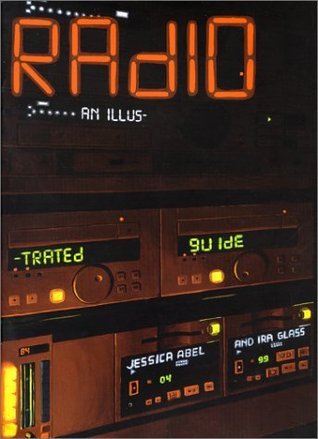
Radio: An Illustrated Guide is a comic book that explains how to make a radio program. Specifically, it explains how to make the public radio program This American Life. In comic book form, the producers of This American Life explain how to find a story, how to do an interview, how to edit sound, how to write for radio and how to mix a radio story. It also explains how the narrative structure of a radio story works, and how it's different from other kinds of stories. This American Life is the most popular documentary program on American radio, with a weekly audience of over a million listeners, on more than 380 public radio stations nationwide. It's produced at WBEZ Chicago and distributed by Public Radio International.
Author and coach Jessica Abel is the author of Growing Gills, Out on the Wire, La Perdida, and two textbooks about making comics, Drawing Words & Writing Pictures and Mastering Comics. Abel’s latest work of fiction is the Eisner-nominated Trish Trash: Rollergirl of Mars.
This quirky illustrated guide to making a radio show is more like a hipster comic book than the dull how-to textbooks that I normally have to read in graduate school. The superhero of the book is the adorably-bespeckled Ira Glass, host of NPR's This American Life. We follow him on a day at the radio station, watching as he and his team put together their signature radio program. Radio of course is a medium lacking visual elements, so it was interesting to to follow the radio production process in such a visual way. Reading "Radio" gave me a greater appreciation for the time and creativity it takes to imagine a story and then whittle down 30 hours of interviews, natural sound, voice overs and music into one thoughtful, compelling 15-minute spot.
The guide is thin, maybe only 30 pages, so you can read it in an hour or so. It's definitely worth an hour of your time if you like NPR-style radio! It's hard to find in bookstores though, so if you want to check it out, borrow it from me.
This was written in 1999 and, given the advent of podcasts and advances in technology, is very out of date in many respects. But the parts that have to do with audio storytelling are interesting and still relevant.
"Radio: An Illustrated Guide" is a very slim comic book that explains how you, the reader, can create your own radio program and record stories for the air. At the same time, it also gives a backstage view of the production of an episode of "This American Life".
Unfortunately, the comic, published in 1999, is kind of dated at this point - the fact that this was published just before the era of podcasting makes the advice they give about using the internet to distribute your stories seem kind of quaint, and some of the technical details are less applicable now that it has become easier and easier to edit sound on a home computer. But it still packs a punch, with great sections of why some stories are interesting, how to create dramatic tension and structure your story to capture the listener's interest, how to use music for effect, and even basics like how to hold a mic correctly, and how to edit around sentences so that speech sounds natural.
(I must admit, I was a little weirded out by some of the editing they talked about doing. In the episode they were producing during the comic, there was an example where I felt the editing of the story became manipulative, to the point where the radio staff was creating their own story instead of letting the interviewee tell his. It made me feel a little queasy to think about how even people devoted to telling other people's stories will stamp their point of view on the truth. Non-fiction is rarely subjective.)
Anyway, while this isn't something I'm necessarily interested in actually doing, the presentation is great here (the comic book format works really well and the technical details never feel dry) and the obvious love the This American Life staff have for making good radio bleeds onto the page. I always find it captivating when people discuss things they are honestly passionate about.
Jessica Abel authored this nonfiction comic book about making the NPR program This American Life. It's more about how to structure the particular brand of segment they do and how to interview people than about radio work in general. Ira Glass in comic form is obscurely annoying.
This is a quick behind the scenes view of The NPR show "This American Life."
The book is dated when it comes to some of the digital equipment information, but the majority of the book/comic is on the production process and how to make a compelling documentary audio program.
This book is the perfect guide for up-and-coming radio and podcasting artists. Thank you to the TAL team for creating such a comprehensive, entertaining, and affordable book for those of us looking to improve our podcasting skills and/or enter the world of public radio.
Radio: An Illustrated Guide (1999) by Jessica Abel
A surprisingly in-depth sort of "how-to guide" for radio based on Ira Glass's This American Life which I'm about 25 episodes or so into. I read this to see if I'd be interested in reading the much larger Out on the Wire and I think it's sold me on it. I'd definitely like something bigger that has more room to breathe, because I think the main issue I have with this is it's just a lot of information crammed into a very small space. But it's good information, and there are some tips I'm going to take on while embarking on my own audio projects for sure.
The original comic book, produced as a 1999 pledge drive bonus, upon which the brand new "Out on the Wire" is based. The new, full-length book uses about half of these 36 pages. If you read that one first (like I did), coming back to this one (available for $5 + shipping, or $2 as a pdf, from This American Life's website) will get you extra material on how to edit sound files on a computer, community/pirate radio, and how to get into a job in public radio (mostly Ira Glass's and Alix Spiegel's personal stories). It's pretty cool, but if you've already seen the material in the new book this one feels a bit inessential. It is fun to see some of the 1999-specific content: remember using Cool Edit 2000 for your sound files before Garage Band? Remember having the option to stream in RealAudio or wait to download one of those new mp3 files?
This probably only has real appeal for fans of This American Life or someone wanting to produce their own radio content, but for those audiences it's a cool, quick read.
I thought I was purchasing an illustrated guide that would feature just a few illustrations, but this guide is presented entirely in comic book form! Which I loved. The illustrations definitely help -- for example, instead of just reading about proper mic placement, you can see it in action -- and the comic book form is appropriately quirky for a multi-genre radio show like This American Life.
The book follows the creation of an episode from start to finish. Fans of the show (TAL) will enjoy this, since it's like listening to a regular episode but in 3-D or something. And after reading, I feel equipped and genuinely inspired to produce my own episode of a radio show like this one!
I consider this more a guide to creating radio stories than a comic book. As a huge This American Life fan, this premise of course appeals to me, but I can't say I'd recommend it to someone who wasn't truly interested in what goes on behind the scenes of public radio. But, if you are, it's just about the best guide to creating compelling audio stories as is available (well, besides transom.org), from story structure and interview tips to how to hold a microphone -- plus it's affordable and only sold through TAL, so it's a nice fundraiser for a very deserving organization.
I re-read this for fun (I first read it in 2010 for an English class) and some information has aged better than others. Solid stuff about interviews and editing, but technology has changed A BUNCH since 1999 (although that felt kind of quirky and didn't bug).
For a comic book it's super text heavy — I'm not sure the medium worked entirely. Turns out radio is hard to convey in comic. That said, it's still a fun look inside the workings of This American Life.
Short, one-shot comic, totally worth the read. Very relevant, still, because it's light on actual technical details. I did not realize until the end that this was written like, 10+ years ago (when 'This American Life' was just starting out and before it was super famous).
I love Jessica Abel in general. And if you like This American Life, you'll find this a quick interesting read. If you ever have wanted to put out your own podcast or blog or even radio show, this is highly recommended.
to be fair, this is actually a comic book with all your favorite characters from "this american life" describing the process of making a radio show. yes. ira glass in cartoon form. i loved it, but what kind of surprise is that?
Insightful lessons on how to make quality radio with narrative storytelling from the OGs. While small parts are outdated, most of the lessons remain extremely relevant. I wish it went a little more in depth.
I didn't "rate" this very highly, but it was very informative. It breaks down what may seem mysterious about producing a radio show, particularly a show in the vein of This American Life.
I loved this short educational guide to making a radio show. It was simple and entertaining to read, and I used the tips in this book, straight from Ira Glass, to help create a podcast.