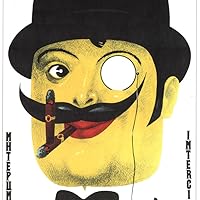
A Pathfinder upgraded edition. The propertied classes have always laid the charge of "terrorism" on those leading the struggle against exploitation and oppression. But it has been the terror of the capitalist rulers against which an outraged majority eventually rises. Trotsky explains why the working class is the only social force capable of leading the toiling majority in overthrowing the capitalist exploiters and beginning the construction of a new society and why individual terrorism—whatever its intention—relegates the workers to the role of spectators and opens the workers movement to provocation and victimization. Preface by Jack Barnes. Now with enlarged type. Also available Farsi
Russian theoretician Leon Trotsky or Leon Trotski, originally Lev Davidovitch Bronstein, led the Bolshevik of 1917, wrote Literature and Revolution in 1924, opposed the authoritarianism of Joseph Stalin, and emphasized world; therefore later, the Communist party in 1927 expelled him and in 1929 banished him, but he included the autobiographical My Life in 1930, and the behest murdered him in exile in Mexico.
The exile of Leon Trotsky in 1929 marked rule of Joseph Stalin.
People better know this Marxist. In October 1917, he ranked second only to Vladimir Lenin. During the early days of the Soviet Union, he served first as commissar of people for foreign affairs and as the founder and commander of the Red Army and of war. He also ranked among the first members of the Politburo.
After a failed struggle of the left against the policies and rise in the 1920s, the increasing role of bureaucracy in the Soviet Union deported Trotsky. An early advocate of intervention of Army of Red against European fascism, Trotsky also agreed on peace with Adolf Hitler in the 1930s. As the head of the fourth International, Trotsky continued to the bureaucracy in the Soviet Union, and Ramón Mercader, a Soviet agent, eventually assassinated him. From Marxism, his separate ideas form the basis of Trotskyism, a term, coined as early as 1905. Ideas of Trotsky constitute a major school of Marxist. The Soviet administration never rehabilitated him and few other political figures.
مسئلهی《تروریسم》بهنظرم بسیار مهم و جذابه و یه سری کتاب هم در این زمینه پیدا کردم که برنامهریزی کردم بهمرور زمان بخونمشون. اولیش《ترور علیه تروریسم》سوفی وانیچ بود که بهنظرم کتاب خوبی بود. دومیش همین کتابه. این کتاب شامل چندتا نوشتار مختصر و مفید میشه که بهنظرم نکتهی اصلی در همون دو نوشتار اول کتاب نهفتهست:《دربارهی تروریسم》و《فروپاشی ترور و حزباش》. تروتسکی تروریسم رو رد میکنه و در دفاع از نظرش استدلالهایی میکنه مبنی بر اینکه ترور فردی ناشی از عقبماندگی و ضعف سیاسیه و در نهایت به خودکشی سیاسی منجر میشه. همچنین معتقده که تروریسم فردی یه حرکت انتقامجویانه و احساساتیه که فقط منجر به تخلیهی روانی میشه و نهتنها نمیتونه ساختار موجود رو تغییر بده، بلکه بهواسطهی همون تخلیهی روانی باعث میشه که فرآیند آگاهیسازی و مبارزهی طبقانی کند بشه. ترجمهی مسعود صابری هم بهنظرم خیلی خوب بود.
What I really love about this pamphlet is that it gives historical context to each work it samples. This is invaluable to actually understanding Trotsky.
The Marxist movement in Russia emerged from the broad populist anti-Tzarist movement that used terrorism. But George Plekhanov, who can be considered the founder of Russian Marxism broke decisively with the use of terrorism because the working class needs to gain self-confidence of its own abilities, and function as a class, rather than hoping for someone from outside that class to save them.
Lenin's older brother was hanged as a terrorist, which certainly helped Lenin understand the need for a new road.
Trotsky wrote in his autobiography 'My Life, Leon Trotsky, summing up the period until the revolution of 1905,
"The political development of Russia, beginning with the middle of the last century, is measured by decades. The sixties after the Crimean War were an epoch of enlightenment, our short lived eighteenth century. During the following decade the intelligentsia were already endeavoring to draw practical conclusions from the theories of enlightenment. The decade began with the movement of going down to the people with revolutionary propaganda; it ended with terrorism. The seventies passed into history mainly as the years of “The People’s Will.” The best elements of that generation went up in the blaze of the dynamite warfare. The enemy had held its positions. Then followed a decade of decline, of disenchantment and pessimism, of religious and moral searchings the eighties. Under the veil of reaction, however, the forces of capitalism were blindly at work. The nineties brought with them workers’ strikes and Marxist ideas. The new tide reached its culmination in the first decade of the new century in the year 1905."
This pamphlet contains some of Trotsky's best writings and speeches against individual and small group terrorism, and I recommend it as an introduction to the topic.
In this short pamphlet Trotsky makes the case for building a mass party in order to achieve systematic change, as opposed to individual acts of terror against specific targets. At the time that much of the content was written, Russia was emerging out of a decades-long period in which small terrorist cells conducting assassinations against government figure heads was the primary means of struggle against the tsarist autocracy, namely the Narodnaya Volya (People's Will). Trotsky gives a remarkable materialist explanation of the social conditions and forces that lead to this form of struggle emerging centerfold as well as the conditions that lead to its decline and the rise of movements comprised of the masses themselves.