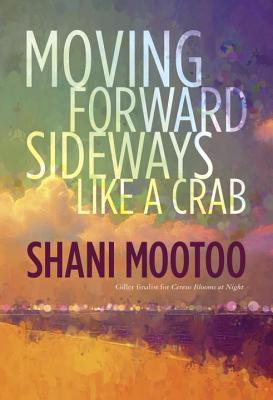
This is a very moving story of love, parenting, and friendship, as well as transgender issues and sexual orientation and transition. Set in both Trinidad and Toronto, the details of life, landscape, and culture in Trinidad draw in readers like me who are not familiar with that setting -- and I believe they will also ring true to people from that culture. The characters and story evoke empathy, and I find they stay with me long after finishing the novel. The story has two protagonists: Sid (a nickname for a longer Indian woman's name), aka Sydney, and Jonathan, and the story is told in both their voices, moving back and forth in time, "sideways like a crab." Sid, daughter of a conservative, well-to-do Hindu family in Trinidad, emigrates to Toronto to pursue her art and also live as a woman who loves women -- both hard to do at home. But she also feels alienated in Toronto; the many references to walking in the cold and snow symbolize, I think, her sense of feeling "out in the cold" -- in addition to being the actual experience of immigrants to Canada from warm climates. Sid enters a long relationship with a (white) British novelist, who becomes pregnant by choice, and becomes a loving second mother to this child, Jonathan, until he is about 9 years old. Then her partner asks her to leave, and Sid cannot face saying goodbye to Jonathan or telling him why she needs to go. He feels abandoned and later, as an adult and a novelist himself, he begins searching for Sid -- finally finding her back in Trinidad, now a man, Sydney. Sid decided to go through with the sex-change in Toronto, after receiving financial help (and tacit encouragement) from her childhood friend, a woman whom she loves although she cannot speak her feelings. Jonathan visits Sydney several times over nearly a decade, making his final visit when Sydney is dying -- the present time of the book -- and wants to tell his story. Jonathan wants to know why "Sid" left him, but Sydney has even more to tell; his story emerges in his own words, through conversation and quotes from his notebooks, and also through Jonathan's reflections on what is happening. The reader is drawn in, gradually and irrevocably -- and we learn about the stories people tell (to themselves and others) as well as what they do not tell. Mootoo's writing is fluent and vivid, both about people and about nature (flowers, birds in flight, the sea and the sky). This book can (and perhaps should) be read as part of "Mootoo's ongoing literary project of giving voice to sexual minorities with brown faces from hot countries," as Anupa Mistry wrote in the Globe and Mail (May 16, 2014, updated May 12, 2018). To me, however, it is also a story with wider and deeper implications -- the human search for love, identity, and meaning, and ways to cope with loss. I highly recommend this book.