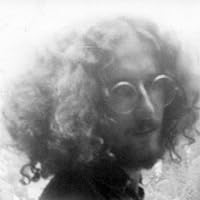
Doris Lessing was born into a colonial family. both of her parents were British: her father, who had been crippled in World War I, was a clerk in the Imperial Bank of Persia; her mother had been a nurse. In 1925, lured by the promise of getting rich through maize farming, the family moved to the British colony in Southern Rhodesia (now Zimbabwe). Like other women writers from southern African who did not graduate from high school (such as Olive Schreiner and Nadine Gordimer), Lessing made herself into a self-educated intellectual.
In 1937 she moved to Salisbury, where she worked as a telephone operator for a year. At nineteen, she married Frank Wisdom, and later had two children. A few years later, feeling trapped in a persona that she feared would destroy her, she left her family, remaining in Salisbury. Soon she was drawn to the like-minded members of the Left Book Club, a group of Communists "who read everything, and who did not think it remarkable to read." Gottfried Lessing was a central member of the group; shortly after she joined, they married and had a son.
During the postwar years, Lessing became increasingly disillusioned with the Communist movement, which she left altogether in 1954. By 1949, Lessing had moved to London with her young son. That year, she also published her first novel, The Grass Is Singing, and began her career as a professional writer.
In June 1995 she received an Honorary Degree from Harvard University. Also in 1995, she visited South Africa to see her daughter and grandchildren, and to promote her autobiography. It was her first visit since being forcibly removed in 1956 for her political views. Ironically, she is welcomed now as a writer acclaimed for the very topics for which she was banished 40 years ago.
In 2001 she was awarded the Prince of Asturias Prize in Literature, one of Spain's most important distinctions, for her brilliant literary works in defense of freedom and Third World causes. She also received the David Cohen British Literature Prize.
She was on the shortlist for the first Man Booker International Prize in 2005. In 2007 she was awarded the Nobel Prize for Literature.
(Extracted from the pamphlet: A Reader's Guide to The Golden Notebook & Under My Skin, HarperPerennial, 1995. Full text available on www.dorislessing.org).
Una sinopsis más corta: este libro es un despropósito, aléjese de él.
Pero bueno, como tengo que fundamentar mi reseña en algo, les voy a comentar varias cosas que me parecieron tremendamente alarmantes de este libro.
1) Doris Lessing considera que se hubiera podido salvar Afganistán si Estados Unidos hubiera intervenido antes. Creo yo que esa visión es terriblemente estúpida, por no decir pendeja a morir. La intervención de Estados Unidos prácticamente nunca ha salvado a nadie. Por el contrario, ha ayudado a que nazcan dictaduras (¿les suena el plan condor o no?), a que el Medio Oriente esté en la desgracia (digo, ¿Lessing vio Siria?) y a básicamente ir repartiendo imperialismo por ahí. Pero bueno, para Lessing, Estados Unidos debía salvar a Afganistán de los terribles rojos de la unión soviética.
2) A Lessing le encanta odiar a los comunistas rusos y pintarlos como el demonio, pero no justificar todo lo que dice. Me parece perfecto que odie a los comunistas. Yo odio muchas cosas sin justificación. Nada más que no digo que son las reencarnaciones de Satanás (o similares) e intento hacer que el resto de la gente comparta mi punto de vista sin antes presentar buenos argumentos. Lessing es terrible para esto: usa datos de cosas que están más que comprobadas que fueron propaganda anticomunista. Y vamos, de todo lo criticable que existe de la Unión Soviética (tiene cola que le pisen) elige justo las fantasías.
3) En general, todo el libro es un pésimo trabajo periodístico. Svetlana Alexiévich hizo un mejor trabajo investigando la guerra ruso-afgana en Los muchachos de zinc que Doris Lessing en todo este libro. Y Los muchachos de zinc no es el mejor libro del mundo para conocer la guerra ruso-afgana (es poco amigable con el lector que no sabe de historia y presenta poco contexto a la hora de presentar una historia colectiva), pero sí es un mucho mejor ejemplo que este. Lessing no tiene demasiadas fuentes confiables y la mitad de las cosas se las pudo haber inventado por hacer la propaganda... o no. Sus entrevistas pueden haber sido reales, pero le falta verificar los datos duros (todos ellos). ¿Se los inventaron? ¿Eran una estimación? ¿Se acercaban a lo real? ¿Alguien sabía que estaba pasando?
No se los recomiendo en lo más mínimo. Pero ni con un palo en llamas. Para leer malos trabajos de periodismo leo la TV Notas, amigos.
First of all, I found this quirky little extended essay while wandering --in the stacks of a library --!! (How many people still wander library shelves? I feel lucky I still can on occasion; difficult to do if you're not affiliated with a university.). Second, Doris Lessing? Turns out I like her. (Which is not to say I agree with everything she says.)
I adore this line from her bio: she was part of a group that "read everything, and did not think it remarkable to read." Ahem.
I read and re-read passages from this book and wish I owned it so I could continue doing so. (Library book; must return soon.) Page after page contains insightful or simply neatly-stated observations about the Afghans that still ring true. The text is not dated regarding the Afghan people--instead, the discourse around the war has shifted from heavy romanticism and awe at the toughness of the muj (fighting in sandals, subsisting on raw onions and weak tea, united in their hatred of the evil Soviets....), modernist dreamy-eyed fascination with tribal customs, and the seemingly bottomless fascination with the covert dimensions of war (secret networks, midnight meetings, the cult of the journalist) to a barely-disguised disdain for the Afghan people and their seeming ingratitude at our national largesse. Never mind that we've been fighting a proxy war on their soil for 11 years...
On substantive matters: Lessing reports--repeatedly--that 7 yrs in, the muj were starving and lacked ammunition, but were ruthlessly ambitious in their plan to destroy the Soviets. And confident they would win. But the point has re-emerged as a question: were the muj fighting our war (at 3 Bil, the largest covert war in world history), or were they fighting the good fight all alone (as she reports), unsupported, with a handful of rapacious leaders skimming most of the cash for themselves--note that both accounts could be true--and therefore not our pawns. This is a crucial narrative distinction at this moment in global events, with implications for our current discussions with the Afghans: are they fighting our war AGAIN, or fighting their own battles? (The answer seems to depend on whom you ask, and when.) This month (March 2013) Karzai has stated repeatedly that there is no insurgency, there is no impending civil war. And while these talking points make him appear to us brain-addled, the subtler point he is making is: we are fighting your war, and we've had enough of it. Lessing usefully devotes several pages to a focused discussion with Mohamedi, the leader of Hariqat, and the most liberal of the Peshawar 7, and I found that account delightful. She also, I think uniquely, devotes a good deal of space to discussing the refugees ("miles and miles"). (At 4 mil., it was the largest forced migration in world history.) I would venture to say that the only key weakness in her account that trouble my reading is that she seems to believe every bad word uttered against the Soviets--even when handy empirical evidence would contradict (such as the assertion that the Soviets wanted to keep Afghans uneducated ... that's utter nonsense.) She also spent a good deal of her time in Peshawar attempting to meet with "female fighters"-- there were remarkably few. I'm mostly irritated by this fascination with female warriors. Lessing is not fully knowledgeable about gender relations under the muj, but one gets the sense that had her trip been extended and she’d been on the ground longer, she was just beginning to grasp the truth that no one else would say-- that conditions for women worsened under the muj; we love to hate the Taliban, but the truth is that our guys on the ground, the muj, brought back the burqa, re-introduced purdah in the cities, and rolled back education and employment options for women. At least I’d like to believe she has that level of intellectual honesty.
In many ways a naive book. Lessing is eager to convince her readers that the Afghan War is a story of imperialism resisted by little men. It is an earnest effort to wake the west's conscience and rally its support for the muhajideen. It certainly feels out of step with how we look at this history today. But it is interesting in revealing the public apathy in the west that she was working against in 1986. The book is useful as a historic document. Not just for its glimpse at the mood in the west, but also because of her vivid (if somewhat sweeping) descriptions of the people, time, place, and also a haunting interview with a female resistance fighter.
Passionate and cleverly written, The Wind Blows Away Our Words is a journalist’s attempt to reveal the atrocities of the Russian army upon the people of Afghanistan during the 1980’s invasion.
Unfortunately, the writer’s words and explanation feels naive most of the time. Her ideas range from childish to borderline regressive as she goes on to explain the treatment of women under Islam.
While the brutality of the Soviet Union is translated well, Lessing fails to capture the situation of the women and children who suffer under the war in a meaningful manner. The book reads more like a travel journal than a work of investigative journalism
I've read 'The Wind Blows Away Our Words", 1987 or thereabouts. About when Russia invaded Afganistan. A superpower against the Muhjahadin. "We cry to you for help, but the wind blows away our words." Muhjahadin Commander, Peshawar, 1986. The war was covered by western journalists but governments turned a blind eye. A very good book, but made me disgusted at the hypocrisy.
I've been reading about immigrants and refugees forced from their homes and all that they knew and loved. This report from Doris Lessing, who in 1987 follows the destruction of Afghanistan and the warriors of the Afghan resistance, the muhjahidin, who will never stop fighting for their land, country, or way of life. She begins the narrative with the legend of Cassandra and Apollo who gave her the power of prophecy but took half of his gift away; she would be able to prophesy, but no one would believe her! I didn't know the legend and got a little lost in what this had to do with Afghan resistance.
As Lessing reports about what was happening along the borders of Pakistan and Afghan while Russia was there, she reminds us that we can predict the outcome. When a world power comes into a country to take it over, a rag-tag group of fighters has no means of winning a war without trusted support. The journalist, Lessing, interviewed leaders of the muhjahidin and political-party leaders as well as the women who remain to cloth and feed the family/children. The title is from a Huhjahid Commander, "We cry to you for help, but the wind blows away our words." The possibility of man-made disasters is recognized and yet calamities occur regularly. No one listens.
I was taken by many conclusions that Lessing talks about..."We consider some forms of murder worse than others. Why should the murder of the six million Jews be worse than, let's say, the deliberate killing, by starvation, as a matter of policy, of seven to nine million, mostly Ukrainian, peasants?" Lessing attempts to tell the Afghan Resistance story to the world. And if you have had trouble understanding what was going on there I recommend reading Lessing's story.
Este libro lo encontré por accidente (causalidad será). Buscaba autoras clásicas, apareció en una lista Doris Lessing (?), busqué su bibliografía y apareció el título, justo en la semana que los Talibán tomaban Afganistán y todos, en las redes sociales, se convertían en especialistas en geopolítica y talibanlandia. ¡Qué mejor momento para leer este texto! Una crónica sobre los viajes de Lessing por aquel país en los años 80. La autora escribe: << Uno de cada tres afganos está muerto, en el exilio o vive en un campo de refugiados, y el mundo se mantiene totalmente indiferente. Desde el instante en que uno llega a Peshawar queda envuelto por Afganistán, su enormidad, el horror y la tristeza. Cada afgano que conoces, sea refugiado o muyahid, es una tragedia; cada uno es un ruego: ¡Ayúdanos, ayúdanos!>> Con esto basta para comprender cómo este país dará vueltas sin término por esta historia cíclica, tal vez con nuevos tintes, pero sin descanso. Con este texto podemos comprender por qué Afganistán es quien es y vive lo que vive, especialmente podemos comprender cómo su pueblo ha sufrido tanto siendo un botín de la guerra fría y que Occidente juega con éste hasta olvidar el balón abandonado en una cancha donde otros ya no quieren jugar. Es una perspectiva desde alguien que vivió la guerra fría posicionada en el lado izquierdo, ahora que la vida se ve del derecho. Un buen asiento para mirar desde varios lados, desde una rendija además, la vida más allá de la cultura judeocristiana. Es un texto corto también, preciso y de su momento. Sin grandes pretensiones literarias, más bien de corte analítico y casi periodístico. Interesante es el planteamiento, que suelta la autora para no rematarlo, sobre Elena de Troya y Casandra.
Doris Lessing escribió un libro impresindible para entender la historia tan particular de Afganistán. Lo escribió desde Pakistán, entrevistando a muyahidines que se oponían a la invasión soviética.
Ya desde aquí se menciona el grave error de pensar una sociedad ajena desde los conceptos occidentales. Dice un comandante: "Occidente dice que estamos desunidos porque ve las cosas con arreglo a sus ideas".
Y sigue: "Nosotros tenemos líderes locales, todos se respetan mutuamente y trabajan juntos, pero no significa que de ahí salga un dirigente nacional". La exportación de democracia, de imposición de algún rey, etc., siempre fue poco realista.
También predicen el surgimiento de los Talibanes: "Aquellos a los que occidente llama Fundamentalistas son los más ideológicos, pero también los mejores luchadores... Tienen aliados y seguidores en todo el mundo musulmán y, a largo plazo, esto puede crearnos dificultades a todos".
También se habla de la ayuda económica y de armas de Estados Unidos que nunca llegaba a los combatientes o sobre la ineficacia del ejército afgano. Debaten sobre la supuesta modernización que les había traído la Unión Soviética y la liberación de la mujer afgana.
Otro de los aportes de Lessing es que trata de rastrear a mujeres combatientes. Le llegan rumores de que una sola tiene a su cargo un batallón. Finalmente da con una luchadora de la resistencia, Taywar Sultán.
Lessing nos legó una crónica, ensayo, testimonio de un pequeño instante en el que Afganistán era centro de disputas geopolíticas y caldo de cultivo para una catástrofe mayor. El título, desgraciadamente, fue una premonición: el viento se llevó sus palabras.
Doris Lessing schrijft over de vreselijke situatie in Afghanistan in de jaren '80, toen een (door de Sovjet-unie aangestichte) communistische staatsgreep werd gepleegd. De Russen worden veroordeeld voor hun onmenselijke wreedheid.
Lessing heeft in zoverre gelijk over dat niemand weet van hoe het is in Afghanistan, in dat ik feitelijk niets echt hierover wist. Nu is weer redelijk wat gebeurd in Afghanistan na 1987. Maar de apathie waarover ze schrijft, is wel schrijnend, en leeft nu nog steeds door. Syrië is tragisch, Afghanistan lijkt een verloren zaak.
Ze excuseert de rebellerende groepen, die in het algemeen absoluut geen probleem hebben met genadeloos moorden, iets te veel, maar hun verzet is begrijpelijk.
Het is een aardige inkijk in een gebeurtenis waar ik niets van wist. Als journalist schrijft Lessing simpelweg niet zo boeiend. Sterk zijn hoofdstuk I, waar de situatie wordt vergeleken met de Trojaanse oorlog en hoofdstuk IV, waar de hypocrisie van de geschiedschrijving en onze onkunde in statistiek wordt bekritiseerd.
I've read a few books about Afghanistan, but none as beautifully written as this. Lessing's astute observations from within the country, as well as several cities in Pakistan, reveal the depressing realities of a country perpetually at war with itself as well as foreign conquerors. Though this was written in 1986 during the Russian occupation, there were striking similarities to the horrors of a "modern" Afghanistan which, under Taliban rule, seems to be regressing back to the grinding poverty and mass starvation that characterizes the country in wartime. I was pleased that this was less of a journalist's hard-nosed factual report filled with statistics and gory details then it was a travelogue, describing the region and its people in exquisite detail, while also attempting to publicize the silent despair of the Afghans long before the US occupation and its dominance in the news.
Lessing paints a beautiful picture of the Afghan people and the conditions in which they live in. I especially liked the opening tale of Cassandra and how it relates to the Afghan-Russian conflict because it sets an appropriate tone for account that she shares with us.
However, there are times where scenes drag on without any proper transitions between stories. This can can often times be confusing and distracting. Despite this, Lessing provides excellent first hand resources for historians and curious students looking to explre more vulnerable and intimate side of the war torn Afghani citizens.
"The Wind Blows Away Our Words" is a time capsule of history I am glad to have read, especially in relating to the United States current conflict in the Middle East.
Me ha parecido muy interesante, siempre es un placer leer a Doris Lessing, pero leer su visión de un "conflicto" como el de Afganistán (no sé qué palabra le va bien al sufrimiento continuo de un pueblo), que sigue "vivo" y generando más y más dolor, resulta estremecedor. No voy a entrar en si su visión es acertada o equivocada, es la suya, la que tuvo estando allí, en aquel momento y relacionándose con aquellas personas concretas. No creo que se deba pedir más, es un testimonio, no un tratado de relaciones internacionales.
During the conflict between USSR and Afghanistan, Doris Lessing travelled to Peshawar in Pakistan to interview the refugees who had come across the mountains, hoping to find safe harbour. The results are a fascinating piece of reportage with a writer's eye for detail.
An emotional set of essays detailing the plight of the mujahideen and the role of Afghan women under Islamic influence during the Soviet invasion of Afghanistan. Falls into the trap of a) the noble savage, and b) “this cause is more worthy than others because I am the one here and covering it”
Dated - written during the Russian war for Afganistan - but there is so much to learn here that applied to the US war for Afganistan too, and the real reasons that Afganistan defeated both of them.
The claim that the Pashtuns are Jews is a myth. Doris Lessing may have put her wishes above the strict truth. That is a pity Nevertheless, she remains a grande dame.
Sadly, it's such a racist book. She brings with her all her pre-ideas of what the area is and writes with such disrespect. It starts well and turns into a train wreck. Please, stay away from this book.
Una buena lectura que nos permite conocer este episodio de la sociedad afgana en plena ocupación por la Unión Soviética, los testimonios de la resistencia y los refugiados a otros países. Historias olvidadas por los intereses de nuestra sociedad occidental.
Obviously the work is dated, but it's interesting as a snapshot of the attitudes at the time. I found it overall to be okay.
At times it made some excellent points (e.g., in Part IV, where it asks why one type of atrocious mass-killing is more or less acceptable than another, such as why no one has significantly memorialized the non-Jews murdered by Hitler, or the even-greater death toll exacted by Stalin on his own countrymen). Her point about the Spanish Flu epidemic is well-taken and relatively well-made (it relied heavily on a personal anecdote).
At other points in the book, Lesing deviates wildly without really tying the thread back into the work. Part I, which I found to be so poorly-written I had difficulties to follow and had to re-read several sections before things made sense - not to mention that she then summarizes the entire point of the digression in Part II in a better and more-consise manner.
Lesing also goes on to make the literary equivalent of offhand comments that make you pause and wonder if she is trustworthy in other parts of the book. Two key examples struck me: on page 34, she says that the war in Afghanistan has 'now gone on for seven years, three years longer than World War Two.' As she had been born in Iran and raised in Britain, I have no idea how she can disregard the years 1939-1941, for it seems she is only counting the years during which the USA also fought in the war. That is not the accepted definition of WWII, however, for it began in Sep '39 and ended in Aug '45 (with Japan's formal surrender on 02 Sep, so almost 6 years to the day after it began). I really am unable to understand this.
The other point that she makes, later in the book (p. 168), about how the Iranian count of Afghan refugees (between 0.5 - 2 million) calls into question their veracity, due to the large difference between the two figures, but she cited the number of refugees according to Pakistani authorities as between 3.5 - 4.5 million *in the same sentence*. Those counts are both off, but in the next sentence she suggests that the difference in the Iranian figures is 'a bad thing' and indicative of 'worse than indifference, perhaps a cover-up.'She had already described the 'indolent' Pakistani as being potentially threatened by the enterprising Afghans, and while I understand the impetus behind the book (and the geopolitical realities at the time), these types of inexplicable errors and obvious bias just serve to bring the level of the entire work down. Just as she wishes it weren't so about the Afghanistan situation do I wish it weren't so about this book but alas neither one of us can go back and change the past.
This book should be used as a textbook for how not to conduct journalism. Doris Lessing is a good novelist, and here her writing doesn't miss a beat. She frames our inaction in Afghanistan with the Greek myth of Cassandra, going beyond the conflict and questioning why it is humans are capable of ignoring other humans' suffering. This is laudatory--any non-fiction writer who can transcend the bounds of facts and figures to confront a philosophical problem is elevating the form to an art. Unfortunately, Lessing has been bamboozled. She allows many unnamed commanders to talk at length--this alone is interesting, and should be done more often. But she doesn't fact check. The forbears of the Taliban complain about lack of American support in 1986, when we know we were sending them weapons far before then. While she notes that Peshawar has helped extreme Islamic elements consolidate their hold on the Afghan resistance, Lessing fails to see how blindly supporting them on the principle of damaging the Soviet Union could lead to further emboldening religious fanaticism. She also seems to be unaware of how American arms were being stolen by the Pakistani Army as well as black market traders who sold them to Iran and Filipino terrorist cells. This was public (although not widely publicized) knowledge at the time and had been recognized by reporters like the New Yorker's Mary Anne Weaver. Given all the oversights and factual errors, this book is better treated as a historical document--proof, as if we needed any more, that we are too easily taken in by so-called heroes fighting for causes we don't understand.
I have the idea I read this before, but maybe it's just been sitting on my shelves. In any case, in this reading I was less impressed than I thought I would be. Certainly, by now it is very dated.
This is the account of a trip Lessing and a few other women took to the Afghan refugee camps in Peshawar, Pakistan in Sept. 1986. The conditions in the camps were terrible; refugees from the fighting with the Russians (remember that!) were arriving daily; Peshawar was teeming with factions of Afghan fighters. Lessing and her group wanted to report and to film the conditions of women and children specifically, but, of course, the men - Afghan men and various Pakistani authorities wouldn't let the women speak for themselves, much less be recorded and filmed. Lessing et al did get to visit with many women.
But now we know that the US ended up funding the "muhjahidin" - many of whom were later known to us as the Taliban. The USSR was falling apart and disintegrated just a few years later and all the Russians were gone. But the overall conditions for most of the Afghan people have not improved much, nor has the fighting stopped.
Lessing - no doubt an excellent writer and intelligent person - was not knowledgeable about Pakistan and Afghanistan, although she had spent part of her childhood in Iran and came of age in S. Rhodesia (now Zimbabwe) and was not provincial by any means.
Out of date. But also a genuine first hand report of conditions in Peshawar in 1986.
La desidia humana, la indiferencia ante el sufrimiento ajeno, la parcialidad de los medios de comunicación, que magnifican los hechos de determinados países, obedeciendo a intereses económicos o políticos, e invisibilizan las tragedias de los que son vulnerables, débiles, sin nada que ofrecer. Es el caso de este libro, narrado por una Doris Lessing cronista, quien desde Peshawar, en la frontera entre Pakistán y Afganistán, registra el dolor y el desarraigo de este último, durante la ocupación soviética, a mediados de la década de los ochenta, el siglo pasado. Recoge el testimonio de refugiados y registra la valentía de los muyahid, los guerreros de la resistencia y la capacidad de sobrevivencia de las mujeres, que sostienen sus familias en la dura condición de refugiadas. Todos, ingenuamente, confían en la solidaridad internacional para recuperar su país. Desde entonces sí ha habido intervención internacional pero, al parecer, Afganistán aun sigue esperando.
Decepcionante. Hace tiempo que no tomaba un libro con tantas expectativas. Doris Lessing escribe bien y el tema, sobre el que tan poco hay escrito, me llamaba muchísimo la atención. Cuanto más alta la expectativa, más grande la decepción. Doris Lessing, nos aburre con un conjunto desconexo de escritos que ni son un ensayo ni un conjunto de artículos periodísticos ni nada que se pueda definir con claridad. Comienzo con una primera parte de tintes mitológicos para repetir hasta la saciedad sus tesis del abandono u olvido en que Occidente tiene el conflicto de Afganistán. La tesis es correcta, pero si la calidad de lo que se escribe es siempre como la de este libro, no me sorprende qu haya caído en el olvido...
He leído muchos libros de este tema, pero este en concreto me pareció aburrido. Con decir que me decepcionó el inicio con la historia de Cassandra... Lo que reconozco es que describe la esencia del conflicto y abandono con el que viven las personas de Afganistán. Solo por eso se salva de 1 estrella.
It is outdated - but the first part "Her Long Hair Streaming Loose" on Cassandra and the failure to listen to warnings is brilliant. Her plea for Western help to assist Afghans fighting the Russian went unheard and, as we know, the resentment caused by this ignorance has caused untold tragedy. A book that should be more widely read.