

What do you think?
Roman Disasters
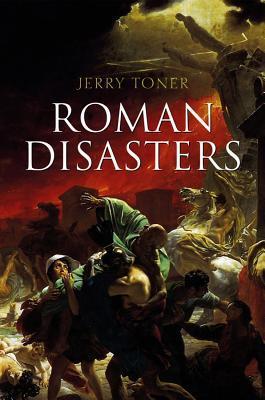
Roman Disasters looks at how the Romans coped with, thought about, and used disasters for their own ends. Rome has been famous throughout history for its great triumphs. Yet Rome also suffered colossal disasters. From the battle of Cannae, where fifty thousand men fell in a single day, to the destruction of Pompeii, to the first appearance of the bubonic plague, the Romans experienced large scale calamities.Earthquakes, fires, floods and famines also regularly afflicted them.
This insightful book is the first to treat such disasters as a conceptual unity. It shows that vulnerability to disasters was affected by politics, social status, ideology and economics. Above all, it illustrates how the resilience of their political and cultural system allowed the Romans to survive the impact of these life-threatening events. The book also explores the important role disaster narratives played in Christian thought and rhetoric.
Engaging and accessible, Roman Disasters will be enjoyed by students and general readers alike.
This insightful book is the first to treat such disasters as a conceptual unity. It shows that vulnerability to disasters was affected by politics, social status, ideology and economics. Above all, it illustrates how the resilience of their political and cultural system allowed the Romans to survive the impact of these life-threatening events. The book also explores the important role disaster narratives played in Christian thought and rhetoric.
Engaging and accessible, Roman Disasters will be enjoyed by students and general readers alike.
224 pages, Hardcover
First published March 19, 2013
About the author
Jerry Toner
22 books45 followersDr Jerry Toner is Fellow and Director of Studies in Classics at Churchill College, Cambridge.
Ratings & Reviews
Friends & Following
Create a free account to discover what your friends think of this book!
Community Reviews
Displaying 1 - 5 of 5 reviews

February 7, 2022
A very detailed and factual recounting of various Roman disasters throughout the empires history, ranging from plagues, warfare and environmental calamities to name a few. It was a pretty informative read that used a plethora of ancient texts as references.
I’ll warn you, it’s pretty dry and wouldn’t recommend it unless you have an interest in Roman history!
I’ll warn you, it’s pretty dry and wouldn’t recommend it unless you have an interest in Roman history!

September 24, 2017
This was an interesting look at various aspects of disaster in ancient Rome. I as I non-classicist I would have liked a bit more context for some of the events discuses, but I still found it interesting and informative.

January 15, 2022
Jerry Toner is a brilliant historian but unfortunately not an equally brilliant writer. The relationship between Roman society and disasters (natural and human-created) should be fascinating stuff. But the subject gets submerged under page-spanning paragraphs and the author’s composition-student-esque tendency to repeat himself. Thematic organization is both helpful and hindering; unless you’ve memorized a big chunk of Roman history, it can be hard to place places and people in historical context. And the study’s range is too large, beginning before the birth of the Republic and ending well after the fall of the Empire (at least in the West). Toner should have stuck with the Byzantines – where he seems most comfortable – rather than trying to include other, dramatically different iterations of Roman culture. Technical defects aside, there’s some interesting information and entertaining anecdotes to be found here.
September 1, 2020
Interesting
Very readable account of how the romans experienced and explained disasters to themselves and a reminder of judt how common disasters could be
Very readable account of how the romans experienced and explained disasters to themselves and a reminder of judt how common disasters could be

October 30, 2013
A fascinating (to me, at least) look at how the Romans experienced, understood, and reacted to disasters of all sorts (including natural disasters, biological ones like plagues, and even man-made devestation).
Displaying 1 - 5 of 5 reviews