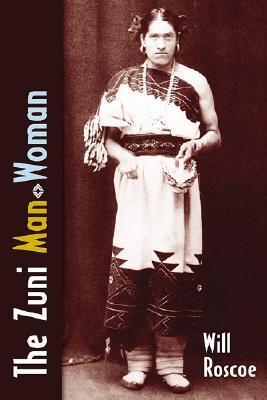
This is a fascinating book that offers much insight into one form of Two Spirit identity and experience in the late 1800s. (Note that the term “berdache” is considered an insult today.) Roscoe’s research deepened my appreciation for how Zuni Two Spirit identities did not fit our current LGBTQ paradigm; their apparent sense of self and experiences are much more complex and nuanced than either the terms “gay” or “transgender” allow.
However, there are some drawbacks to Roscoe’s book:
1. It’s academic — and not a readable flavor of academic. Certainly, it could be significantly more dense and, as a nerd with an MA, i’m far from someone who disses non-fiction and academic work. But this isn’t a book written around plot and character to keep you hooked in; it takes some effort on the reader’s part.
2. Focusing moderately on We’wha, who lived well over 100 years ago, means that no Two Spirit person gets to speak for themselves. Roscoe gets to interpret We’wha’s experiences however he’d like, although it’s clear that he has buy-in from at least some people at Zuni and has spent time there. His final chapter explores “current” Two Spirit identity (as of 1991). But Two Spirit folks who live “today” are relegated to the final pages; it would have been fascinating to see their insights woven throughout the book.
3. While Roscoe openly acknowledges that We’wha lived outside the traditional, Western gender binary, he insists on referring to them with male pronouns. Granted, referring to them with female pronouns would have been just as reductionist; We’wha’s life clearly transcended binary gender. Roscoe could have taken advantage of alternative pronouns — perhaps ones in Zuni itself. But, instead, he fell back on pronouns reflecting We’wha’s assigned sex at birth, making his language unable to reflect their reality.
4. Speaking of language, in addition to using the outdated/insulting “berdache,” Roscoe also uses “Indian” liberally and unproblematically. While he occasionally uses the slightly more acceptable “American Indian,” readers should be warned this is another aspect in which his language is not without its drawbacks.
5. The book is only nominally focused on We’wha’s life; most of the focus is on their Zuni community and culture and on the larger US culture and attempts at Native genocide.
“The Zuni Man-Woman” is a book worth reading to get some insight into Two Spirit identity and experience in the late 1800s. But it leaves something to be desired. A work by actual Two Spirit folks about their historical and contemporary experiences would be a welcome addition to my library.