Inspector Aurelio Zen is back and facing the biggest mystery of his professional career. Drawn into the plots of the Vatican city, he becomes certain of one thing - that in life the only certainty is death. Previous Zen books include Ratking.
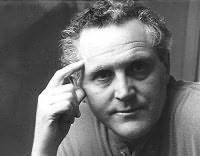
Michael Dibdin was born in 1947. He went to school in Northern Ireland, and later to Sussex University and the University of Alberta in Canada. He lived in Seattle. After completing his first novel, The Last Sherlock Holmes Story, in 1978, he spent four years in Italy teaching English at the University of Perugia. His second novel, A Rich Full Death, was published in 1986. It was followed by Ratking in 1988, which won the Gold Dagger Award for the Best Crime Novel of the year and introduced us to his Italian detective - Inspector Aurelio Zen.
Dibdin was married three times, most recently to the novelist K. K. Beck. His death in 2007 followed a short illness.
"Nothing had changed. Nothing ever would. In sheer frustration he fired his pistol again and again, blasting away as though to punch new stars in the sky." -- Michael Dibdin, Cabal
Dibdin writes tight little Italian mysteries that are blessed with one huge plus -- Aurelio Zen. He seems to be a direct descendent of both Father Brown and Inspector Montalbano (or Philip Marlowe).
Zen is an Italian anti-hero detective. A skilled and savvy investigator with a morality that seems at times to be just a bit fluid. He would prefer to be left alone but is often thrust into cases that require him to walk the delicate wire between the treachery of Italian bureaucracy and the mendacity of the Italian criminals and conspiracies he is tasked with solving (the detective trying to solve crimes while also dealing with an inept bureaucracy is also found and fascinatingly explore by James Church in his North Korean "Inspector O" novels).
Zen is a kind and likable weasel, a jaded fox, a middle-aged divorcee living with his mother. He is easy to identify and feel sympathetic with. Quite often he kind of deserves our sympathy.
This just isn't the strongest book I've read so far in the series (I've now read the first four). It ends too quick, and seems to fall too hard at both ends. There are moments of genius and movements of boredom, yet like Zen, the reader seems left at the end with very little payoff for all his/her efforts.
I keep a cache of books, a sort of metaphorical trunk, filled with works by authors from whom I know precisely what to expect. Not the best stories, not the worst; straight middle-of-the-road fare I can turn to when my mind's gone to gurgling from a surfeit of challenging material. Steven Brust is in that trunk. The latest Dune manifestation. Somebody's something on writing. Dibdin is also in that trunk - one less now of the eleven Aurelio Zen mysteries he released before he died.
I was introduced to this detective by PBS in a lavish trilogy they produced starring Rufus Sewall. Sucker that I am for atmosphere, they nailed the Italy in which Eddie Fisher lost his wife, Audrey Hepburn found her motor scooter, and Sophia, well, Sophia simply existed. Dibdin's novels convey that same golden terrain imbued with the ever-present effervescence of celebrity, corruption, irony, ambivalence and a solid shot of espresso available at just about every curbside. Criminapol's Detective Aurelio Zen is a pure product of this environment. Divorced and living with his mother (which would appear to be for life), he slogs through days he does not imagine will become any brighter, accepting criminal cases he's certain turn on the dime of a political scheme, a bribe or some ludicrous form of extortion. He is often right. Not a noble man by any stretch of the imagination, Aurelio will cut whatever corner offers itself up. He will do whatever it takes to keep his head above the bureaucratic water-line...and solve what crimes he can in the process.
Third of the series, Cabal brings the Italian atmosphere and the amusingly pragmatic Zen into play with a death at the Vatican. The story's a fair one, the ending a bit too forced for my liking. Still, I spent the week in a version of Rome that tickles my fancy. And for that I can be grateful. Oh, yes I can.
I've read Dibdin before and thoroughly enjoyed his stories of detective Aurelio Zen, which are very original and engaging. Readers can earn more about Italian daily life, culture, politics, and morality from Dibdin than from guidebooks or even traveling. Dibdin was English, taught in Italy for several years, and became a very astute observer. Unfortunately, he died a couple years ago and readers won't be able to enjoy any new books.
In "Cabal," Zen is assigned to be liaison with the Vatican police investigating the mysterious death of a shady character allowed to live in Vatican City as a privileged guest. When the guest falls to his death in an apparent suicide in St. Peters, Vatican officials want to hush it up and mask the reason he was allowed to live as their guest.
Zen quickly suspects murder and asks difficult questions that make Vatican officials uncomfortable. Zen probes further when the Vatican police official who witnessed the suicide / murder is electrocuted in his shower. Zen suspects a conspiratorial group called Cabal, which enjoys Vatican privileges, is responsible for the murders. If this sounds like a Dan Brown, Da Vinci Code potboiler, forget it. This is the genuine book to read if you want to explore Vatican intrigues, Italian culture, crime, and politics.
Dibdin's descriptive powers makes you feel you're prowling Rome's back streets with him, sipping cappuccino at a sidewalk cafe, and hunting down shady types hiding in plush Milan villas. I read passages over and over, relishing Dibdin's rich language and biting social commentary.
Here's a sample when he travels to Milan, reunites with his lover, and encounters the real villains, dark characters in Milan's high fashion industry:
"Arm in arm, visibly reconciled, Tania and Zen walked across the pedestrianized expanses of Piazza del Duomo. At the far end, the upper stories of several buildings were completely hidden behind a huge hoarding displaying three faces represented on the gargantuan scale which Zen associated with the images of Marx, Lenin and Stalin that had once looked down on May Day parades in Moscow's Red Square. But like Catholicism, it's old rival, Communism was no longer a serious contender in the ideological battle for hearts and minds. The United Colors of Benetton: the vast, unsmiling features of a Nordic woman, a Black woman, and an Asian baby. These avatars of the new order, representatives of a world united by the ascendant creed of consumerism, gazed down on the masses whose aspirations they embodied with a look that was at once intense and vapid."
Wow. This is great writing. Read Dibdin and visit the real Italy.
Το κυριότερο ατού του βιβλίου είναι ότι διαδραματίζεται στη Ρώμη και στο Βατικανό. Ο συγγραφέας περιγράφει πετυχημένα την αιώνια πόλη, έτσι ώστε, δεδομένης της κρίσης, μπορείς να κάνεις νοερά και ανέξοδα ένα ταξίδι 2-3 ημερών.
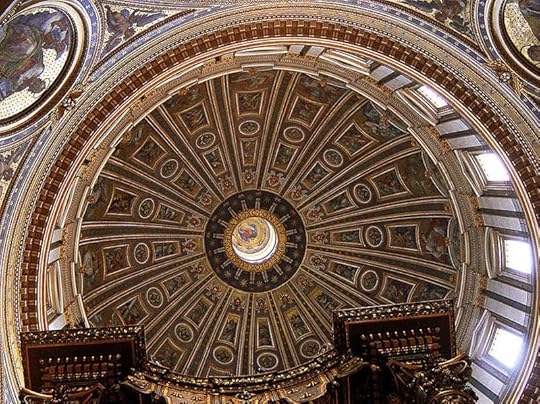
Η ιστορία ξεκινάει υποβλητικά : ένα σώμα γκρεμίζεται από το θόλο της βασιλικής του Αγίου Πέτρου. Το σώμα περιμαζεύει και εξετάζει ο υπεύθυνος αστυνόμος της ασφάλειας του Βατικανού. Κι εγώ, ο αγαθός και επιπόλαιος αναγνώστης νόμιζα ότι ο ήρωας θα ήταν αυτός. Ότι αυτός θα έλυνε το μυστήριο και θα ανακάλυπτε το δολοφόνο. Είχα προσηλωθεί και αφομοίωνα το χαρακτήρα του, μέχρι που ανακάλυψα ότι άλλος ήταν ο ήρως. Πού να ήξερα ότι ακολουθούσε ο ογκόλιθος ονόματι Αουρέλιο Ζεν; Μα τί ωραίο όνομα! Αουρέλιο! Αποφάσισα να βγάλω έτσι την επόμενη γάτα μου.
Ο Αουρέλιο λοιπόν, πέφτει με τη μούρη στην ιστορία και ανακαλύπτει όλο το παρασκήνιο. Ο δολοφονηθείς ήταν ένα είδος αριστοκρατικού ρεμαλιού, καταχρεωμένου και κατακυνηγημένου. Για να εξασφαλίσει ένα άσυλο, και ποια είναι τα καλύτερα άσυλα; τα μοναστήρια και οι εκκλησίες, πουλάει ένα παραμύθι στους παπάδες περί μίας σέκτας - παρακλάδι των ιπποτών της Μάλτας και καταφέρνει να φιλοξενηθεί στο Βατικανό. Ο γάτος Αουρέλιο ανακαλύπτει μια μισότρελη εξαδέλφη, έναν διάσημο μόδιστρο, καθολικούς παπάδες, πετάγεται μέχρι το Μιλάνο και παράλληλα τρώει τα λυσσακά του από τη ζήλεια, υποπτευόμενος ότι η αγαπημένη του κουνάει την ουρά της. Μέσα σε όλα έχει και τη μαμά του - ναι ! ακόμα και οι πιο επιτυχημένοι, οι πιο ικανοί, οι πιο δραστήριοι, οι πιο ... οι πιο ..., έχουν να απολογούνται και στη μαμά τους. Το τέλος είναι κάπως περίεργο. Η ιστορία ξεκινάει και τελειώνει με πτώση από θόλο. Ο Αουρέλιο βγαίνει αλώβητος από το παπαδαριό και (με τέτοιο ωραίο όνομα) κερδίζει και το κορίτσι που αποκαλύπτεται ότι ποτέ δεν το έχασε. Ικανοποιητική η ανάγνωση από την Αθηνά Τσάση. Εγώ πάντως, θα ξαναδιαβάσω Αουρέλιο.
Όπως και το προηγούμενο, αρκετά ασυνάρτητο βιβλίο. Απλά συμβαίνουν πράγματα χωρίς νόημα και κάποια στιγμή στα εξηγεί όλα μαζί, το πώς έφτασε στο συμπέρασμα ο επιθεωρητής όμως, δεν το καταλαβαίνεις. Λίγο καλύτερο από τη βεντέτα, αλλά δε σκοπεύω να διαβάσω άλλο της σειράς.
I had put off reading any of Dibdin's popular Zen series on the grounds that gritty, macho tales of corruption are not, generally, my thing. After watching the new miniseries adaptation, however, I decided to give them a shot. Cabal was a well-plotted thriller with a nice twist at the end. Sure, it's full of corrupt organizations and unfair political machinations, but they are presented as simply being part of the Italian modo di vivere, and they actually come off as being rather charming. Zen is Italy's answer to Morse, and his girlfriend Tania has more depth than the usual bit of skirt one tends to run across in manly thrillers. The real star of the book, however, is Italy, and Rome in particular. Dibdin manages to conjure up the eternal city with incredible vividness, yet with an ease that never feels false or forced. This book would be a great choice for people who enjoyed Angels & Demons, or fans of David Hewson or Donna Leon.
Το να ασχολείσαι μ΄ ένα θέμα που κεντρίζει το κοινό δεν κάνει αυτόματα καλό το βιβλίο. Είναι όμως καλό για έναν αναγνώστη χωρίς απαιτήσεις για να περάσει ευχάριστα διαβάζοντας απλώς ένα βιβλίο λίγο πριν κοιμηθεί....
"Emblematic of the many deceptions and misconceptions upon which the latest stylish Aurelio Zen mystery turn are the layered, radical fashions of a hot new Italian designer named Falco. Introduced in Ratking , Zen is an investigator for Rome's Criminalpol. He is called from the apartment of his mistress, Tania Biacis, when an Italian aristocrat falls to his death from the observation gallery at the top of St. Peter's Basilica. In the tricky position as liaison between the Vatican Curia and Roman police, Zen is willing to confirm the former's explanation that the death was suicide, even though his investigation points to murder. But a second killing, disguised as an accident, and an anonymous letter in the newspapers suggesting the aristocrat's involvement with "a sinister inner coterie'' in the Knights of Malta called the Cabal, sets him on a different, tortuously intricate course. Trying to promote his own interests--in particular holding on to the independent, entrepreneurial Tania, who wears Falco designs--Zen interprets the mostly unspoken expectations of the Curia and civil authorities in both Rome and Milan, where he uncovers the puzzle's solution in an Austro-French palazzo belonging to the heirs of the Falcones, a wealthy textile family. The dramatic opening in St. Peter's and its secular echo at the end effectively frame Dibdin's masterful portrayal of the complexities of Zen himself and his ornate, bureaucratic milieu in this demanding, satisfying novel."
Once again Zen faces an inquiry in which corruption and politics play an important role. This time the case involves the Vatican rather than the government.
This entire review has been hidden because of spoilers.
Τον αστυνόμο Ζεν τον γνώρισα μέσω της ομότιτλης σειράς και πολύ χάρηκα που πλέον τον έμαθα και από την λογοτεχνική του πλευρά (η οποία είναι σαφέστατα καλύτερη).
Ο Αουρέλιο Ζεν έχει τα θεματάκια του αλλά δεν αποτελούν το επίκεντρο της προσωπικότητάς του. Ο Ζεν είναι ένας αξιωματικός της αστυνομίας στην Ιταλία τις δεκαετίες '80 - '90. Ειναι μεσήλικας, χωρισμένος, μένει με την (πολύ απαιτητική) μαμά του, έχει και μια κρυφή σύντροφο και προσπαθεί να κάνει την δουλειά του με όσο το δυνατόν λιγότερο κόπο. Δεν είναι κακός αστυνομικός, ούτε διεφθαρμένος αλλά σαν να έχει μπουχτίσει κάπως οπότε αν μπορεί να αποφύγει την πολλή την ταλαιπώρια θα το επιδιώξει!
Το Οι Ιπποτες της Μάλτας δεν ειναι κανένα αριστούργημα της αστυνομικής λογοτεχνίας αλλά έχει γρήγορη πλοκή η οποία λαμβάνει χώρα κατά την διάρκεια λίγων μόνο ημερών. Δίνει και λίγο βάιμπς από Ιλουμινάτι (ίσως επειδή και τα δύο διαδραματίζονται στο Βατικανό) το οποίο το έχω σίγουρα για θετικό. Στα αρνητικά θα πω το ότι λόγω της εποχής και της περιοχής που διαδραματίζεται το βιβλίο κάποια σημεία ξενίζουν (όπως π.χ. το πώς λειτουργούν οι υπηρεσίες). Βέβαια, αν το καλοσκεφτεί κανείς, το πόσο μπορεί να υπολειτουργούσαν τα υπουργεία στην Ιταλία το '90 δεν απέχει και παρασάγγας από την σημερινή ελληνική πραγματικότητα!
Another entertaining read in the Aurelio Zen series. Even though I read it pretty much right after finishing Vendetta, I still really enjoyed it and did not experience Zen burnout.
The plot may sound a bit farfetched given the overexposure of Dan Brown's cheesy religious thrillers -- in Cabal, a suicide in St. Peter's Basilica may have been murder, and the murder may have been committed by a secret cabal within an ages-old religious order, but Dibdin makes it work, primarily because he was writing at least a decade before Mr. Brown, and also because he writes very cleverly (the text is liberally sprinkled with Latin phrases, for instance) and Zen is such a complex character.
This was written way back in 1993, and it somewhat shows with the use of "new" technology. In Vendetta, the previous book, Zen was still able to use his old Olivetti typewriter (*drools*) to write up his report. In this one, he has to use a computer. And from the sounds of things, they're still running in the dark days before GUIs, with black screens and green text. But the Internet does appear to exist in some form, at least for government institutions and major corporations. It's fascinating to read a book set around this time and remember the days where if you wanted to know what happened on an American TV show, you'd have to know somebody in America who could tell you!
As usual, Dibdin's writing is excellent, with plenty of clever asides, wry narration and laugh-out-loud dialogue. Here is an example. The context: Zen is phoning up his friend Gilberto for help with his investigation, but he pretends to be from the Ministry of Finance, investigating Gilberto for tax dodging. Eventually he says "it's just me", and then:
Gilberto: "You bastard! You really had me going there!" Zen: "Oh come on, Gilberto! You don't expect me to believe that you're fiddling a quarter of your taxes, do you" Gilberto: "Of course not, but..." Zen: "It must be a hell of a lot more than that."
Dibdin also plays with the Italian language to great effect (see the double entendres associated with the popular dish known as "calzoni") and even has his characters tell a couple of jokes. So if you like well-written wit with your mysteries, you'd do well to pick up a Zen book. It may also inspire you to make a trip to Italy... that Rome-to-Milan train sure sounded nice.
Another Aurelio Zen mystery where Zen stays in Rome and gets embroiled in a money laundering scheme involving the separate state of the Vatican; who knew they were like an off shore account? Author Dibdin entraps the reader with rich descriptions of settings and Italian social life that makes one not want the book to end. I wanted to go out with Zen and have grappa in espresso for breakfast and search the ancient, twisting, cobblestone streets to find a mansion with a crazy lady designing cutting-edge clothes for 20 mannequins in the sitting room. A Prince falls to his death in St. Peter’s cathedral, beginning the story of black mail, thugs killing people on the bullet train to Milan, a mysterious woman who might not be a woman and the insanity of high fashion. It was a good read, but not one of his best. Although there are some plot twists and believable red herrings, the end reminded me of watching Perot on PBS, where he has explain in great detail how the crime was committed, in this case it is the perpetrator.
It's a while since I've read any of Dibdin's Aurelio Zen novels, and this was perfect for a recent trip where I spent hours hanging around airports waiting for late planes (charitably she doesn't mention the airline). I must admit I was hoping for a really nasty bit of Vatican-related plotting, but the seemingly dastardly secret cabal vaporizes and the solution to the murders comes out of an unexpected corner. I hope that's not a SPOILER. Zen has struck me previously as essentially honest. Here he is perilously close to the line. I feel somehow there should be a separate genre of crime fiction set in Italy, written by English (eg Dibdin, Iain Pears, Timothy Williams) or American (Leon) writers. There's a lot of it.
It's probably closer to 3.5, but I generally enjoyed this book. I'm not reading the Aurelio Zen books in a timely manner, which means I largely forget about the detective's quirks from book-to-book. In this story he's a bit more of a crooked cop wannabe that I remember. After a body plunges from a great height IN THE VATICAN, he's willing to overlook obvious evidence of murder if that's what the Catholic Church wants. Later, once he has figured out the killer, he is more interested in potentially exploiting this knowledge for personal reward rather than bringing the person to justice. There are some interesting plot twists here and there and a giant red herring.
This entire review has been hidden because of spoilers.
It just gets sillier and sillier until it seems like a parody of the first two books. There was some interesting stuff about the jurisdictional weirdness between Italy and the Vatican at the beginning, and some cool curia characters, but then, like I said, it gets very silly. Comedy of errors, a goofball fashionista, bizarrely complicated murders, and then a cuh-razy aristocrat with a doll collection... did he steal that from Raj Kapoor's 1973 film Bobby? Which is not to say that I didn't like it. I did. Just not as much as the first two.
Like many people, after watching the first episode of Zen on BBC1 last week, I though I might try one of the books. I think Amazon were counting on this and had this one, which is the third in the Aurelio Zen series at just £1 on Kindle.
(Is it just me, or is Rufus Sewell getting better with age btw?)
Anyway, I was about 75% of the way through when Sunday’s episode #2 came on, and because of the start, I realised that it must be the book I was reading. Which it was, except in no shape or form was it. Apart from the opening scene being that of someone plummeting to their death in what was made to look like a suicide, there was absolutely no similarities between the book and the series.
Which I think was a good thing, because I’m rather enjoying seeing Rufus Sewell running around Rome without a trace of an Italian accent.
The book was…well, enjoyable. And the last quarter of it, was actually really rather good!
It was first published in 1992, so some of it takes a bit of getting used to. There were no mobile phones, and there was quite a big chunk of story taken up explaining how the central police computer worked (which was little more than a VDU obviously).
I think my problem with the book was that there seemed to be a hell of a lot of ‘dead’ story. I got bored quite frequently while I was reading it, and found myself skipping paragraphs. I was also rather confused by the huge number of characters, and I know that they were Italian names, but some of them seemed so similar that I kept getting them mixed up. This felt exasperated by the fact that sometimes their first name was used, and sometimes their surname – and I don’t mean in dialogue, I mean as part of the story.
I’m not going to rush to read another Zen, but if I was searching for something to read (which i never seem to any more), I certainly wouldn’t write the books off.
And I will definitely be continuing to watch Rufus galavanting around :)
I picked this book up after watching the BBC Zen adaptations, which I enjoyed. But there are significant differences between the TV drama and the novel. This 're-write' is to be expected as I cannot see the Vatican handing over St.Peter's to the BBC for a couple of days filming.
I have taken to Zen who is not quite bent but does operate on the margins, as most of the characters do. Public servants runs private schemes from ministerial buildings using state equipment. Nobody pays their full income tax. The irony and the humour are difficult to translate into a one hour TV drama but it does enliven the story. The plot is intricate with many twists and turns.
To be read as much for its comment on Roman society, as for its thriller content. Donna Leon's novels set in Venice raise many of the same issues, but are gentler and less complex.
Dibdin does a great job examining Italian culture in the Zen dectective series. I always learn something new about Italy while enjoying the twists and turns of the plot. The writing is also top notch from the themes to the wording to the detailed characters. The morally compromised protagonist and the often erring inferences by various characters rings true to life. Everyone is acting on incomplete information with their own biases influencing their behaviors. My favorite line in the book (and good information to have): “Sardinian girls learn how to castrate pigs when they’re five years old. And they don’t forget.”
Aurelio Zen is an interesting figure. Very pragmatic and not overly inconvenienced by ethical considerations, yet still having some standards. Perhaps you'd call him a depressive realist? Yet, despite being willing to compromise the truth to meet the expectations of the Vatican and his own bosses and carefully following the CYA rule, he doesn't seem to be able to avoid angering just about everyone. Gosh, I would NOT want to be him! And the ending scene.... well, let's hope that it convinces Zen that there are limits to pragmatism.
Κριτική στα Ελληνικά πιο κάτω... 3+/5 This was a fine read to pass the time, but it wasn't that much memorable or flawless to be honest.
First of all the author felt like he had to point out all the time the various side kicks and corruptions and traffic and pollution on Rome and Italy. OK, we get it. Then often his phrases were too simplistic or too complicated without reasoning. In one phrase he often tried to nod on various facts that (I guess) happened on previous books or to connotations, incidents, information etc that spring from one word or meaning in the starting phrase but end up tiring and confusing. Furthermore, some of the plot elements were too far-fetched and/or predictable. I can't say I'm a person who reads one crime/whodunit/mystery story after another and still I could see some plot twists coming from miles away. The end left lots to be desired to be honest.
Easy book, one can read it in one go, but I don't think it'll stay with me for long or did impress me much.
Εντάξει, τεσσάρι κρίνοντας πολύ επιεικώς σαν ένα ελαφρύ ανάγνωσμα. Βασικά 3 και κάτι, το και κάτι πάντα πάει υπέρ του συγγραφέα.
Έχει κάποια δράση κι όλα τα κλισέ του είδους, αλλά έχει και πολλά ελαττώματα που δεν μπορούν να κρυφτούν. Πρώτα από όλα ο συγγραφέας γίνεται δεικτικός με τη Ρώμη και την Ιταλία γενικότερα. Μας υπενθυμίζει συνεχώς την μολυσμένη ατμόσφαιρα, την κίνηση στους δρόμους, την αρπακολλατζίδικη συμπεριφορά των δημόσιων υπαλλήλων, τις κομπίνες και τη διαφθορά παντού κτλ, αλλά από κάποιο σημείο και μετά η επανάληψη κουράζει. Εντάξει φίλε, το πιάσαμε. Πάμε παρακάτω τώρα. Ύστερα, ο τρόπος γραφής. Κινείται μεταξύ πολύ απλοϊκών φράσεων και μακρόσυρτων προτάσεων που σχεδόν δεν βγάζουν νόημα. Συχνά ξεκινώντας από κάποια έννοια ή λέξη θέλει να αναφέρει ταυτόχρονα κάτι που (υποθέτω) έγινε στα προηγούμενα βιβλία ή κάποιο γεγονός, πρόσωπο, πράγμα που μπορεί να συνδέεται με κάτι τρίτο κτλ με αποτέλεσμα κουραστικές προτάσεις που δεν καταλάβαινα πάντα με την πρώτη ανάγνωση. Το χειρότερο είναι όμως ότι σε πολλά σημεία το βιβλίο παραήταν υπερβολικό ή προβλέψιμο. Δεν μπορώ να πω ότι διαβάζω βιβλία αστυνομικά/μυστηρίου το ένα πίσω από το άλλο, ωστόσο ακόμα κι εγώ μπορούσαν να μαντέψω που το πάει ο συγγραφέας ή τι ρόλο βαράει ένας χαρακτήρας πολύ νωρίτερα από τον κεντρικό χαρακτήρα ή από όσο θα ήθελε ο συγγραφέας. Το τέλος ήταν πολύ απότομο και προχειρογραμμένο για να είμαι ειλικρινής.
Εντάξει, δεν ήταν το χειρότερο βιβλίο που έχω διαβάσει και μπορεί να διαβάσω κι άλλα της σειράς άμα τύχει, αλλά δεν είναι κάτι που θα μου μείνει για καιρό ή που με ενθουσίασε. ΟΚ επιλογή για να σκοτώσεις λίγη ώρα χωρίς να σκέφτεσαι και πολύ...
ΥΓ: Πολύ πρόχειρη επιμέλεια στη συγκεκριμένη έκδοση. Ολόκληρες φράσεις με τις λέξεις χωρίς κενά μεταξύ τους, τυπογραφικά λάθη κτλ.
Cabal (1992) by Michael Dibdin. I picked up a couple of the Inspector Zen novels a few years ago after seeing that a television series was to be shown based on the novels. I never saw the show and didn’t read any of the novels until now. I wish I had started on this series years ago as the books I have read are very good. Welcome to Italy, specifically Rome. Here is where CABAL is set. A country within a country, Vatican City is a separate state totally engulfed by Rome. There s a “suicide” in St. Peter’s basilica. A man, Prince Ruspanti, falls to his death. Inspector Zen, of the Italian State police (think a FBI type of organism) is called in to give an official version of what happened. He instantly knows that it was a murder, gathers evidence, and then plays politics, not wanting to lose his job or his own life. This novel is both a police mystery and an essay on the mystery of Italian politics. What is real and what is necessary are often two different things and Zen has been an inspector long enough to know that mere facts are not enough to come to any conclusion. The Vatican must be satisfied, as do the Roman officials, the Italian State officials and the police officials. This is a very complicated affair as is, apparently, everything to do with politics in Italy. But the case is interesting, and there is more death involved, and we see a side to our hero that is unexpected. Being Italy, there is also the latest fashion designer to figure into the mix, especially when Zen’s woman friend decides to wear some of ‘Falco’s’ new line. There is also the secret society within a secret society, The Cabal of the title. Zen has to worry about these invisible threats to his work and to his life. Personal and political angst pull our hero but he reveals himself to be a fine investigator and tightrope walker. I enjoyed this novel far more than I thought I would.
Michael Dibdin's series featuring jaded Italian police inspector Aurelio Zen is a highly entertaining take on the corrupt and dysfunctional aspects of Italian society. I don't know what the Italians think of it, but to the foreign ear it certainly sounds as if Dibdin, who lived in Italy for four years, knows what he's talking about; the details of bureaucratic intrigue, graft, back-stabbing, etc. are profuse and convincing. This one takes us inside the Vatican, where an apparent suicide has plunged to a shocking death in the basilica of St. Peter's. Zen happens to be the inspector on call that night, and he quickly finds signs that it was no suicide. He also quickly detects that the Curia wants it discreetly covered up. That's fine with Zen; it's only after a second murder occurs amid signs pointing to a sinister cabal within the Knights of Malta, implicated in financial crimes, that Zen somewhat reluctantly delves into the matter. The case will take him to a moldering old palazzo in Milan and a showdown with an unlikely villain. There are twists and turns and the solution comes a bit out of left field, but it's ultimately rooted in the peculiarities of Italian society, which is what we read these for. A good entry in a good series.
A wealthy prince dies in a fall from the top of the Vatican cupola into the church. The Vatican requests an investigator from the Italian Ministry and Aurelio Zen is sent to the scene. He quickly gets the impression that the Vatican would like for the death to have been a suicide, but when it turns out that the man had been living in Vatican City and the guard who had been assigned to trail him had lost him shortly before the death, he doubts it was a suicide. Zen's sense of the subterfuges of both the Ministry and the Vatican are as usual justified. To say Zen is cynical is always an understatement.
Third in the Aurelio Zen series. The first three books in Michael Dibdin's Aurelio Zen series read very much like a trilogy. The cast of regular characters develope throughout, and previous cases are referred to in subsequent books. I therefore recommend that you read the series in order. This book is as well-crafted a mystery as its predecessors. This time Zen is working in the neighbourhood of his long term residence (Rome), but there is much to explore in that city, along with Zen. I was particularly engaged by the 'chase' (on foot) sequence through the Forum.
Italian Police Commissioner Aurelio Zen is a fallible guy, and therein lies his charm. His jealousy almost sinks his relationship with the luscious and sensible Tania, his misreading of cues leads him dramatically and almost fatally along errant paths, and his attempts at extortion fail miserably, preserving his integrity. The action of this novel takes place on the backdrop of the intense secrecy and skullduggery of the Vatican as well as the corrupt bureaucracy of the Italian government, where everyone is on the take.
Well written but ultimately a bit of a shaggy dog story. Zen is approached by the Vatican authorities to investigate discretely the circumstances of an apparent suicide. Did he fall or was he pushed and if so who pushed him.... We are introduced to the Order of the Knights of Malta and within that secretive organisation the even more secretive Cabal. But it all turns out to be a construct hy the real culprit, a fashion guru who is passing off the designs of his reclusive and damaged sister as his own. In the meantime, Zen's relationship with Tanya is subject to burning jealousy....
This entire review has been hidden because of spoilers.
I found this book hard to read, not because of any advanced literature, but because the story just wasn't captivating. The ending was abrupt and unsatisfying.
Other books in this series are far better, capturing a time and place in Italy, and I did like Dibdin's description of Milan architecture, but the story for me, just didn't captivate me like other books in the series.