30-something Hatice Akyün appears to be the model of naturalized Turkish immigrant in Germany. She speaks fluent German, has a career as a journalist, plus she comes with bonus language and cultural skills (so her bosses can ship her off to Afghanistan should the need arise). Her family on the other hand... is a whole different matter.
Hatice, of course, loves her family very much, and doesn't want to renege them, despite all the snarky criticism she so cheerfully throws at them throughout the whole book. So she basically decides to take the best from both worlds. And passive-aggressively impose her impossible standards on any Turk or German that may cross her path. But in a very funny and lovable way, so it's all right. We all do it, right?
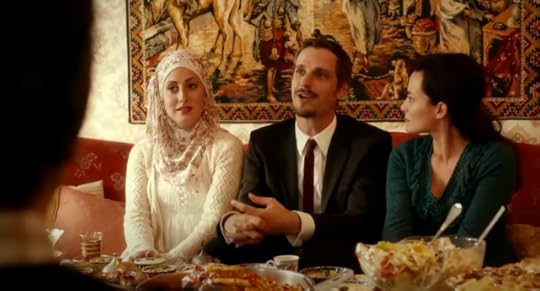
As far as expectations go, this book managed to both meet them, but also defy them in some regards. There's a lot about Turkish cuisine, eating countless dishes in lieu of a single meal, headscarves, arranged marriages, which are more like pre-dates under parental supervision, supposed old maids worrying the traditionalist parents.
At the same time, there's also a bit about the joy of reading, all about the new-fangled independence, lots of travel, career opportunities, and of course dating. So, so, so much dating. Which apparently involves lots of painful Turkish primping, along with a hefty dose of shaming of the modern German woman.
That said, there were some parts that really made me uncomfortable: like all that calorie-rich food being consumed (without any mention of obesity), Hatice's brother's criminal shenanigans, and all the wonderful Turkish dating/relationship etiquette that reminded me of some of my creepier dates.
Score: 3.7/5 stars
For all my love of comedy, my favorite section ended up being the one related to Hatice's family trips to Turkey. My parents had thankfully got the sleeping in the car to scrimp on hotel fees out of their system BEFORE I came on the scene, but they did drag me off camping . So I totally commiserated with Hatice during those miserable 4-day travel conditions.
Wonderful book. Sort of a Turkish-German David Sedaris. I figured my German was good enough now to take it on. It was, though I'm sure I missed some of the more subtle humor in it. Who would think, that an Ecuadorian-American guy like me would have anything to relate with a Turkish-German woman? But I do! Living between two worlds, a tricky act, but in the end, I agree with the author, it's makes life way more interesting and really opens your mind from early on. This excerpt sums the book up well:
"Ich fühle mich in beiden Welten zu Hause, der deutschen und der türkischen, bin weder in der einen noch in der anderen nur Gast und schöpfe aus vollen Zügen aus zwei reichhaltigen Kulturen. Ich bin Hatice, mit all den Erfahrungen, Erlebnisses und Wünschen aus beiden Welten, und ich schätze gerade die Andersartigkeit von Deutschen und Türken".
Humorous look at cultural differences between Turks and Germans, including the perception of Turkish Gastarbeiter in Germany. Affectionate look at family dynamics. Perhaps a bit too much emphasis on Turkish women's femininity compared to German women's.
L’eccellente casa editrice Mimesis, di cui ho più volte apprezzato la notevole attenzione nei confronti della cultura tedesca, ha pubblicato un altro libro di grande successo e risonanza in Germania, con testo originale a fronte: “Cercasi Hans in salsa piccante” di Hatice Akyun, una giovane giornalista tedesca di origine turca. L’autrice scrive di sé, della sua famiglia, dei suoi rapporti con il mondo tedesco e con quello turco con grande intelligenza, con piglio ironico e con grandissimo umorismo. Tra l’altro, rifiuta l’etichetta di persona a cavallo di due mondi o di due culture, o peggio ancora di senza patria. Afferma con orgoglio di sentirsi tanto tedesca quanto turca, e soprattutto rivendica il diritto ad una propria individualità. Peraltro non risparmia le stoccate tanto alla cultura tedesca (in particolare alla totale mancanza di galanteria degli Hans, gli uomini tedeschi come li definiscono i turchi, e al fatto che essi si facciano prendere dal panico e si diano alla fuga di fronte a qualsiasi esternazione sentimentale) quanto a quella turca, che, pur essendo grandemente meno repressiva e sessuofobica di quanto comunemente si crede, vive comunque di elementi che, visti dalla Germania, assumono un folclore umoristicamente arcaicizzante. La sua numerosa famiglia è di stampo tradizionale, purtuttavia è stata capace di aprirsi a determinate sue scelte (studiare, andare a vivere da sola, fare un lavoro “strano” come la giornalista) senza soverchi drammi, salvo qualche occasionale predica da parte soprattutto del padre o della sorella maggiore che vive in Turchia e porta il velo. Ma Hatice parla anche di sé con accenti quasi da chick-lit, come quando descrive le sue abitudini di cura della persona o di abbigliamento, il suo culto per le scarpe (Manolo Blahnik, ovviamente; e puntualizza che esso rimonta a ben prima di “sex and the city” e sfotte le Helga, come i turchi chiamano le tedesche, per le quali la lunghezza massima del tacco si ferma a quattro centimetri) o gli esiti puntualmente tragicomici dei suoi tentativi di accoppiarsi con un Hans. Il tutto, ovviamente, in modo molto colorito e divertito; nonostante il fatto che il rispetto non le manchi mai, mi chiedo se aver messo pubblicamente in scena la vita dei suoi parenti o amici, turchi o tedeschi, non le abbia potuto causare qualche problema... Il libro è fornito di un apparato analitico piuttosto dettagliato e di un’interessante postfazione di Marco Castellari. Ho solo una riserva sulla scelta piuttosto discutibile di tradurre le espressioni nel testo originale in Kanakendeutsch (il tedesco corrotto parlato dai turchi che non hanno studiato la lingua, o che volontariamente rifiutano l’integrazione) in una specie di “meridionalese” talvolta con qualche inflessione veneta. Ricorda un po’ l’abitudine, per fortuna poi persasi ma comune qualche anno fa, di doppiare i neri nei film con l’accento sardo o siciliano. Poi, sarà anche vero che gli atteggiamenti dei turchi (o di certi turchi) talvolta ricordino da vicino quelli dei meridionali (o di certi meridionali), tipo il senso dell’onore, una certa qual ostilità alla libertà sessuale delle donne, i matrimoni con millemila invitati, la famiglia sopra ogni cosa con riunioni periodiche ed obbligatorie, i pranzi e le cene pantagrueliche, ma la forzatura culturale mi sembra abbastanza fastidiosa.
Hatices Vater verkaufte als junger, verheirateter Mann seine Schafherde und reiste von der Türkei nach Deutschland, um hier als Bergmann zu arbeiten. Drei Jahre später holte er seine kleine Familie nach. Hatice ist die zweitälteste von sechs Kindern und schrieb mit 35 dieses Buch, in dem sie humorvoll und auch tiefgründig über ihr Leben in den zwei Welten erzählt. Sie gewährt einen tieferen Einblick in das türkische Familienleben, in ihre Traditionen, ihren Vorstellungen und auch Erwartungen an die nachfolgende Generation. Dem widersetzt sich Hatice aber schon früh und lässt sie ihren eigenen Platz inmitten diesen so unterschiedlichen Parallelwelten suchen, denen sie sich auf je eigene Weise verbunden fühlt. Ihren Weg schildert sie sehr kurzweilig, mal kämpferisch und mal nachdenklich, mal mehr oder weniger ausführlich, aber immer mit persönlicher Note. Lediglich Hatices Suche nach DEM Hans (was übrigens das türkische Synonym für den deutschen Mann ist) mit scharfer Soße mutet manchmal etwas verzweifelt an und nimmt relativ viel Raum in diesem kurzen Buch ein. Ich mochte es gern lesen und empfehle es allen, die einen Blick in die gelebte türkische Kultur werfen wollen und Interesse am Thema „Integration“ haben.
Interessante Einblickein eine Welt,die parallel zu unserer existiert. Zugleich auch eine nette Erinnerung an meine Schulkolleginnen der 70er und 80er Jahre.
This was quite an enjoyable read, felt like non-fiction rather than a proper fast-paced novel but still very engaging and so fun to read. Good representation of the life of a Turkish girl living in Germany and moving from her traditional roots to the cosmopolitan German reality.
Hätte ein bischen tiefer gehen können, es klingt, als wäre das alles fast konfliktfrei gelaufen bei ihr - was ich ihr aber nicht abnehme. Grad aus den Konflikten wären doch die Unterschiedlichkeiten und/oder Gemeinsamkeiten noch deutlicher darstellbar gewesen. Trotzdem ein nettes Buch - gut als Einstieg in die Thematik.
Das Buch habe ich in einem Antiquariat für 4$ gefunden. Da ich mich schon für's Thema interessiere, habe ich es selbstverständlich geschnappt. Akyüns Schreibwiese ist lustig und bringt man viel von der türkischen Sprache bei. Empfehlenswert, aber wäre es teurer gewesen, hätte ich es nicht gekauft.
An easy-to-read book based on personal experiences of Akyün embellished with some stereotypical generalization of cultures and sprinkled with a tad of humor.