

What do you think?

The Rise of Modern Europe #19
A Broken World, 1919-1939
Ratings & Reviews
Friends & Following
Create a free account to discover what your friends think of this book!
Community Reviews
Displaying 1 - 5 of 5 reviews

March 9, 2014
Review of Raymond Sontag’s
“A Broken World: 1919-1939”
By Greg Cusack
March 9, 2014
In finishing this book by Professor Sontag, I have completed the goal I set for myself a couple of years ago: reading all of the books (from the series The Rise of Modern Europe under the general editorship of William Langer) covering Europe from the middle of the 18th century through the beginning of World War II. While each work in this remarkable series can be read as a stand-alone study of the period under review, taken together they present an in-depth overview of the developing culture and politics of Europe over time. Because the authors’ focus is to present a portrait of inter-related events and developments, their books do not take the approach of a nation-by-nation study from date “x” to “y.” Rather, the reader gets to know the period through discussions by topic – such as “science and technology,” “changes in worker-employer relationships,” or “developments in religious thought” during the period under examination.
This was clearly a tumultuous – but exciting – period in European history. The nationalistic rivalries of nation-states existed side-by-side with stunning scientific, medical, and intellectual achievements arrived at through intense collegial internationalism. Because of the relatively few years covered by each book, the reader gets to know – and hear from – a wide variety of people, including statesmen, labor leaders, novelists, scientists and theologians. By becoming acquainted with the collective mind-set of the time it is easier to understand the words and actions of key players. In retrospect, many of their decisions seem unwise or, at the least, limited in scope of vision. But, by allowing these books to get our own minds inside their worldview, it is often hard to see how they could have believed or acted differently.
Professor Sontag’s work was particularly difficult for me to read, not because it is poorly written – quite the contrary, as his prose is lovely and compelling – but because of its subject matter. The two greatest catastrophes of the 20th Century frame each end of the period under study. Moreover, it was the very imbalanced nature of the Versailles peace treaty ending World War I – and America’s shameful withdrawal from assuming a positive role in the League of Nations – that directly led to World War II. In the decades leading up to the First World War, the combined power of mass media and emerging public opinion played a significant role in escalating tensions between states. During the crucial interwar years of the first half of the 20th Century, those same forces severely limited those statespersons who – in the ‘20s and early ‘30s – genuinely wanted to quickly ameliorate the harsh conditions of the peace treaty, and then – later in the ‘30s, as war clouds in both the Far East and Central Europe began to gather – made it difficult for the democratic nations to take the appropriate collective steps which might have thwarted Hitler in time.
When I taught American history, my students were frequently amused at how enthusiastic I got in discussing the events leading up to the crucial American election of 1896 (between William McKinley and William Jennings Bryan). Allowing for some simplification of the many complex issues at play in the day, I saw this as a crucial turning point in modern American history when the growing power of the industrialists (accurately called “Robber Barons”) – intimately linked with the Republican Party – collided with the counter-cultures of rural and urban workers. Each time I taught this portion of the course, I found myself speaking as if that election had not yet occurred, and that the outcome might yet by changed! Intellectually I knew better, of course, but the grimness of how history actually played out after this election made my heart yearn for an alternative outcome.
And so I felt in reading this book. Over and over again, I found myself fervently wishing, If only!
If only the French had not fought so doggedly for such a punitive peace treaty, the terms of which were quickly seen as not only guaranteed to keep the Germans seething at the injustice of it, but also recognized as economically impossible for the Germans to meet. (See John Maynard Keynes’ Economic Consequences of the Peace, 1919.) Part of the reason for this is the burning memory of the French for the shame of the brief Franco-German war of 1870. In their minds, the Germans had to pay dearly for both the recently concluded Great War and that earlier one.
If only the people of both America and Great Britain had not so quickly and forcefully swung to isolationism (really, self-focus) making it nearly impossible for national leaders to work together to rectify the peace treaty’s disastrous provisions.
If only economic weaknesses had not continued to plague the Western world following the war (culminating, of course, in the Great Depression years of the 1930s), then the leaders of European nations – including the weak from the outset government of Weimar Germany – might not have lost their credibility with their people. Each nation during those darkening inter-war days saw incessant political and social turmoil, with the French and British flirting with the ideas of socialism, especially that as represented by the Bolsheviks in Russia, and the Germans and Italians falling prey to the “strong man” lunacy of fascism.
If only the efforts by the British (in particular) in the ‘30s to “appease” the Germans had come a few years earlier when they would have been dealing with a democratic government and not one controlled by Hitler. If only the United States had not rejected the League of Nations, it is possible that the French might have eased off their forceful demands that the Germans pay every penny and yield every inch of land implied in the peace treaty. What we do know is that with the Americans and the British signaling clearly their disinterest in any form of binding commitment to back-up France in any future conflict with Germany, French leaders felt that their only option was to keep the colossus on their Eastern border permanently weakened, something which all Germans were increasingly intent upon changing.
Sigh! Well, none of those if onlys played out, as we know. Accordingly, for me reading this book was increasingly like watching the slow, but inevitable, ultimate train-wreck as the weeks and months in the narrative rolled by.
My students used to ask me, “Are there any useful lessons we can learn from history?” Yes, I think so, for even though it is impossible for us to change the past, we do not have to repeat the same mistakes in our own time. But the key here is to look far enough back in the chain of events leading to calamity – especially the ultimate one of war – in order to understand how things could be nudged to turn out differently.
In the instance of the inter-war period under discussion, while we naturally tend to focus on what might have been done in the ’30s to stop Hitler, the real causes stem directly from the Great War itself, and the significant decisions made by the victorious allies in its wake. The sooner one begins to undo injustice, the less the harm and the more likely a happy outcome. The longer one waits, the obverse is true.
If, as the greatest spiritual teachers tell us, the goal of life ought to be the attainment of balance and harmony – within ourselves, with others, and with the larger Universe – then our goal for relationships domestically and internationally ought to be the same. This may sound trite, but it actually requires a wisdom that sees through – and far beyond – such limiting, but oh-so-good feeling, sentiments as nationalism, self-righteousness, smugness, superiority, dismissal, and condemnation. Wisdom – the intentional “love” for others that Jesus taught us to pursue – demands that we place ourselves in the other’s shoes precisely so that as we seek resolution of whatever issue(s) lie before us we seek from the “git-go” a win-win solution (or, at the very least, a no lose-no lose one).
Yammering leaders, who self-righteously froth at the mouth while they feed us the candy we are all too willing to gobble up, are extremely dangerous in whatever country they spread their garbage. “If you want peace, work for justice.” Peace and justice are infinitely preferable to war, but they are positive objectives to work for. Seeking to “avoid war,” on the other hand, does not go far enough, for it often places its primary efforts on resolving this or that crisis, as opposed to seeking the conditions of justice which eliminate the causes of crises.
A Broken World is a sad book to read, but it can impart great wisdom for those who seek it.
“A Broken World: 1919-1939”
By Greg Cusack
March 9, 2014
In finishing this book by Professor Sontag, I have completed the goal I set for myself a couple of years ago: reading all of the books (from the series The Rise of Modern Europe under the general editorship of William Langer) covering Europe from the middle of the 18th century through the beginning of World War II. While each work in this remarkable series can be read as a stand-alone study of the period under review, taken together they present an in-depth overview of the developing culture and politics of Europe over time. Because the authors’ focus is to present a portrait of inter-related events and developments, their books do not take the approach of a nation-by-nation study from date “x” to “y.” Rather, the reader gets to know the period through discussions by topic – such as “science and technology,” “changes in worker-employer relationships,” or “developments in religious thought” during the period under examination.
This was clearly a tumultuous – but exciting – period in European history. The nationalistic rivalries of nation-states existed side-by-side with stunning scientific, medical, and intellectual achievements arrived at through intense collegial internationalism. Because of the relatively few years covered by each book, the reader gets to know – and hear from – a wide variety of people, including statesmen, labor leaders, novelists, scientists and theologians. By becoming acquainted with the collective mind-set of the time it is easier to understand the words and actions of key players. In retrospect, many of their decisions seem unwise or, at the least, limited in scope of vision. But, by allowing these books to get our own minds inside their worldview, it is often hard to see how they could have believed or acted differently.
Professor Sontag’s work was particularly difficult for me to read, not because it is poorly written – quite the contrary, as his prose is lovely and compelling – but because of its subject matter. The two greatest catastrophes of the 20th Century frame each end of the period under study. Moreover, it was the very imbalanced nature of the Versailles peace treaty ending World War I – and America’s shameful withdrawal from assuming a positive role in the League of Nations – that directly led to World War II. In the decades leading up to the First World War, the combined power of mass media and emerging public opinion played a significant role in escalating tensions between states. During the crucial interwar years of the first half of the 20th Century, those same forces severely limited those statespersons who – in the ‘20s and early ‘30s – genuinely wanted to quickly ameliorate the harsh conditions of the peace treaty, and then – later in the ‘30s, as war clouds in both the Far East and Central Europe began to gather – made it difficult for the democratic nations to take the appropriate collective steps which might have thwarted Hitler in time.
When I taught American history, my students were frequently amused at how enthusiastic I got in discussing the events leading up to the crucial American election of 1896 (between William McKinley and William Jennings Bryan). Allowing for some simplification of the many complex issues at play in the day, I saw this as a crucial turning point in modern American history when the growing power of the industrialists (accurately called “Robber Barons”) – intimately linked with the Republican Party – collided with the counter-cultures of rural and urban workers. Each time I taught this portion of the course, I found myself speaking as if that election had not yet occurred, and that the outcome might yet by changed! Intellectually I knew better, of course, but the grimness of how history actually played out after this election made my heart yearn for an alternative outcome.
And so I felt in reading this book. Over and over again, I found myself fervently wishing, If only!
If only the French had not fought so doggedly for such a punitive peace treaty, the terms of which were quickly seen as not only guaranteed to keep the Germans seething at the injustice of it, but also recognized as economically impossible for the Germans to meet. (See John Maynard Keynes’ Economic Consequences of the Peace, 1919.) Part of the reason for this is the burning memory of the French for the shame of the brief Franco-German war of 1870. In their minds, the Germans had to pay dearly for both the recently concluded Great War and that earlier one.
If only the people of both America and Great Britain had not so quickly and forcefully swung to isolationism (really, self-focus) making it nearly impossible for national leaders to work together to rectify the peace treaty’s disastrous provisions.
If only economic weaknesses had not continued to plague the Western world following the war (culminating, of course, in the Great Depression years of the 1930s), then the leaders of European nations – including the weak from the outset government of Weimar Germany – might not have lost their credibility with their people. Each nation during those darkening inter-war days saw incessant political and social turmoil, with the French and British flirting with the ideas of socialism, especially that as represented by the Bolsheviks in Russia, and the Germans and Italians falling prey to the “strong man” lunacy of fascism.
If only the efforts by the British (in particular) in the ‘30s to “appease” the Germans had come a few years earlier when they would have been dealing with a democratic government and not one controlled by Hitler. If only the United States had not rejected the League of Nations, it is possible that the French might have eased off their forceful demands that the Germans pay every penny and yield every inch of land implied in the peace treaty. What we do know is that with the Americans and the British signaling clearly their disinterest in any form of binding commitment to back-up France in any future conflict with Germany, French leaders felt that their only option was to keep the colossus on their Eastern border permanently weakened, something which all Germans were increasingly intent upon changing.
Sigh! Well, none of those if onlys played out, as we know. Accordingly, for me reading this book was increasingly like watching the slow, but inevitable, ultimate train-wreck as the weeks and months in the narrative rolled by.
My students used to ask me, “Are there any useful lessons we can learn from history?” Yes, I think so, for even though it is impossible for us to change the past, we do not have to repeat the same mistakes in our own time. But the key here is to look far enough back in the chain of events leading to calamity – especially the ultimate one of war – in order to understand how things could be nudged to turn out differently.
In the instance of the inter-war period under discussion, while we naturally tend to focus on what might have been done in the ’30s to stop Hitler, the real causes stem directly from the Great War itself, and the significant decisions made by the victorious allies in its wake. The sooner one begins to undo injustice, the less the harm and the more likely a happy outcome. The longer one waits, the obverse is true.
If, as the greatest spiritual teachers tell us, the goal of life ought to be the attainment of balance and harmony – within ourselves, with others, and with the larger Universe – then our goal for relationships domestically and internationally ought to be the same. This may sound trite, but it actually requires a wisdom that sees through – and far beyond – such limiting, but oh-so-good feeling, sentiments as nationalism, self-righteousness, smugness, superiority, dismissal, and condemnation. Wisdom – the intentional “love” for others that Jesus taught us to pursue – demands that we place ourselves in the other’s shoes precisely so that as we seek resolution of whatever issue(s) lie before us we seek from the “git-go” a win-win solution (or, at the very least, a no lose-no lose one).
Yammering leaders, who self-righteously froth at the mouth while they feed us the candy we are all too willing to gobble up, are extremely dangerous in whatever country they spread their garbage. “If you want peace, work for justice.” Peace and justice are infinitely preferable to war, but they are positive objectives to work for. Seeking to “avoid war,” on the other hand, does not go far enough, for it often places its primary efforts on resolving this or that crisis, as opposed to seeking the conditions of justice which eliminate the causes of crises.
A Broken World is a sad book to read, but it can impart great wisdom for those who seek it.

January 16, 2016
I bought this because, while reading books about events in WWII, I realized that while a lot is taught about Hitler and the Nazis, there were other extreme governments in Italy, Spain and Russia at the same time. I really didn't know why they got into power or how their countries fit into the WWII picture. This book answered that plus taught me a lot more (like how Turkey and eastern Europe developed and influenced other countries, and just how Lenin's revolution turned into Stalin's regime).
It is well-written even though is more like a textbook. Not a quick read! I looked up more info on some things; while some maps would have been useful, I'm glad the author stuck to each subject in turn and didn't get sidetracked by extra descriptions, etc. He did a good job explaining "so tangled a story", as he put it.
It is well-written even though is more like a textbook. Not a quick read! I looked up more info on some things; while some maps would have been useful, I'm glad the author stuck to each subject in turn and didn't get sidetracked by extra descriptions, etc. He did a good job explaining "so tangled a story", as he put it.

March 2, 2013
Somewhat dated but nevertheless still valuable as a resource on Europe between the two world wars. It is a general survey of that period. A quick read through its pages provides an accurate overview of the political, military, and economic forces at work that dominated the years after the Great War.
February 17, 2013
A tidy and concise little survey of the interwar years, covering political and economic events, art, science, and just about anything else one would want to sink their teeth into.

May 23, 2017
A Broken World, 1919-1939 (The Rise of Modern Europe #19) is a book about the historic happenings that leaded to the second world war in Europe. Professor Sontang tried to be thorough and look at as many aspects as he could of this difficult period in history.
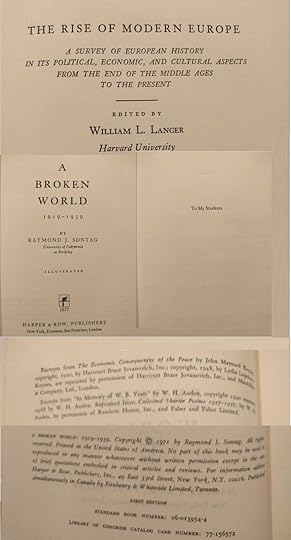
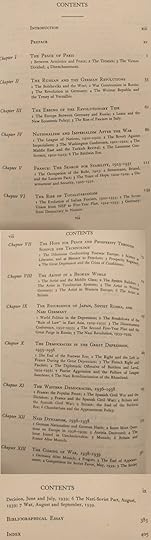
These are the first introductory pages of the book, the dedication and the table of contents:
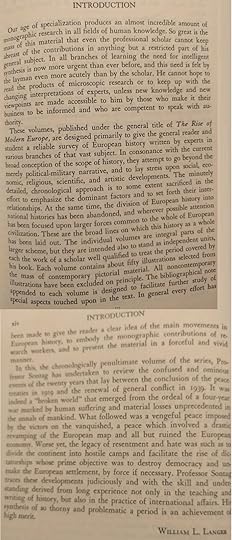
Here we have the extremely interesting introduction by William Langer, who does not save his words of praise for the magnificence of Sontang's work.
The prologue is another must. I couldn't resist and had to reproduce it entirely here. It is a lucid and short summary of the great book the reader is about to enjoy, along with the author's words of thankfulness for all those who helped him creating his writtings.

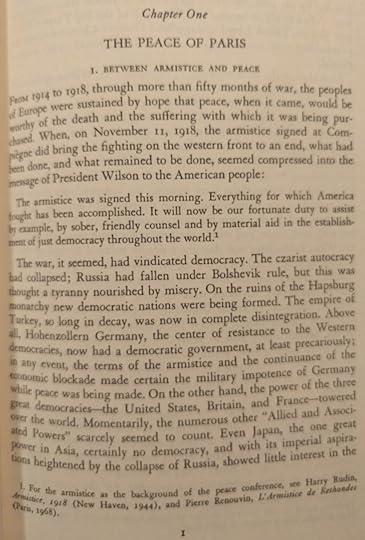
The very interesting overture of the first chapter, where all the tone of the book is laid out: Europe was doomed since the very beginning:
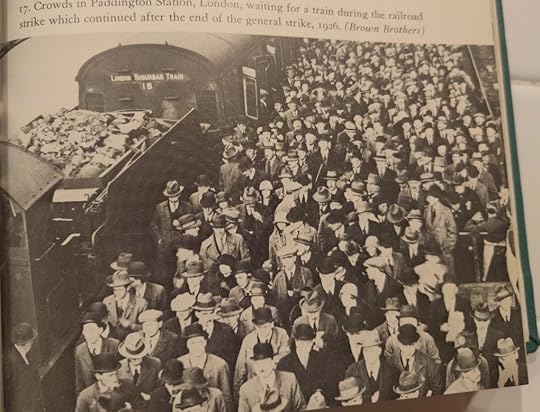
The book contains multiple and very worthy illustrations. Here are just a few:


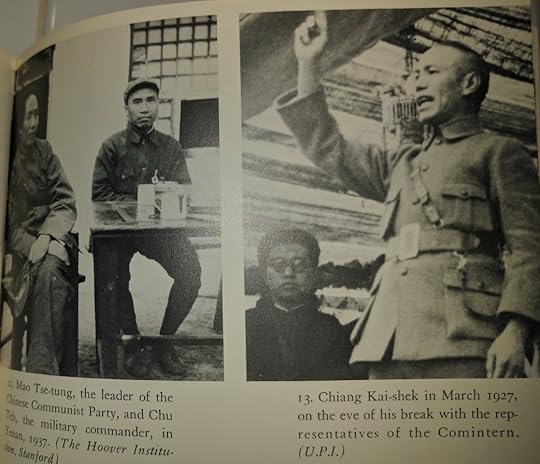
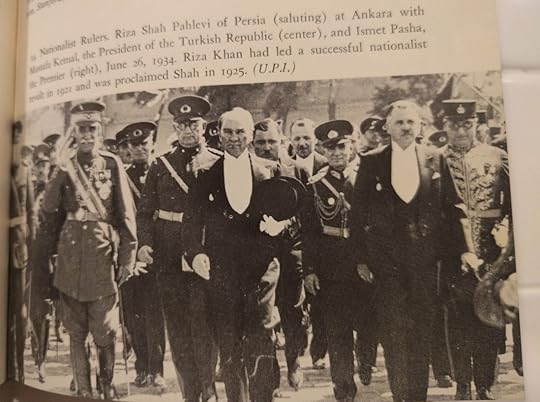
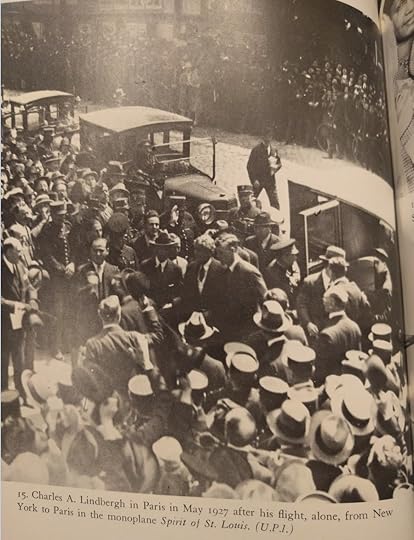
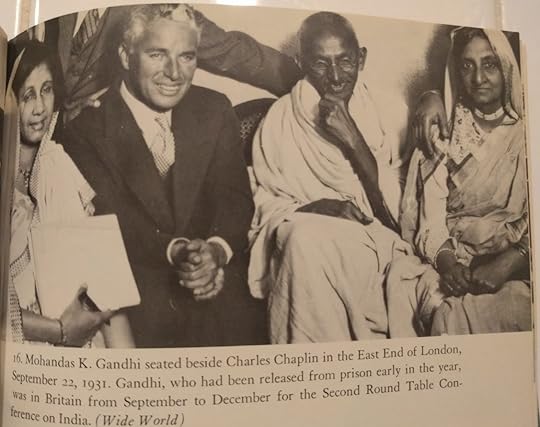
So many works of art were lost, that one could cry until our eyes fell out and it would be not enough to regret such loses. For example, this wonderful Bonnard "Woman an a dog" that was lost forever:

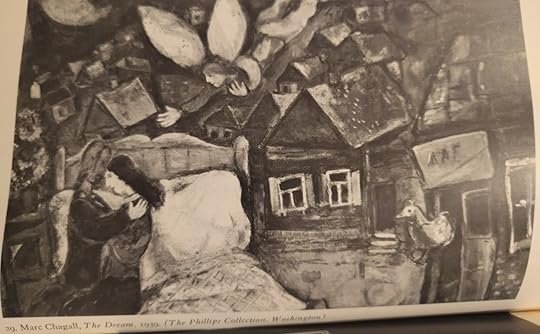
There are plenty of big names amongst those that were lost or irretreivable. For example, Matisse, Ronauld, Chagall, Frege...
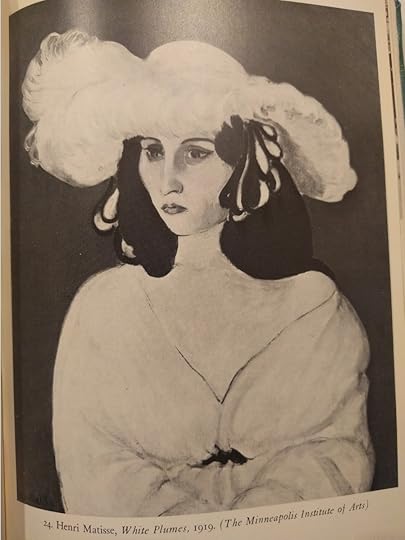
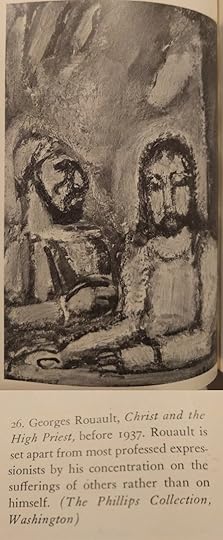
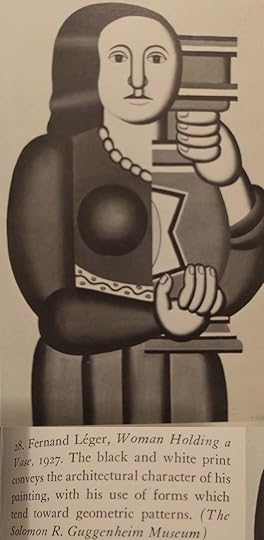
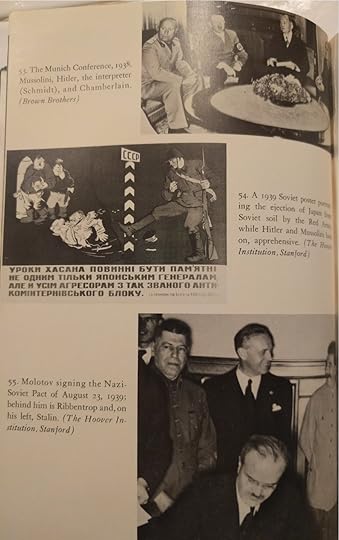
More illustrations, posters and photographs of important people doing what important people does:
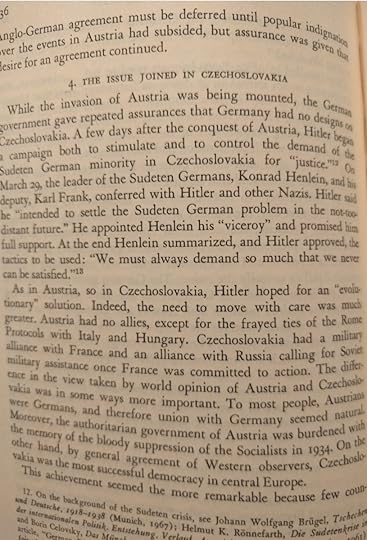
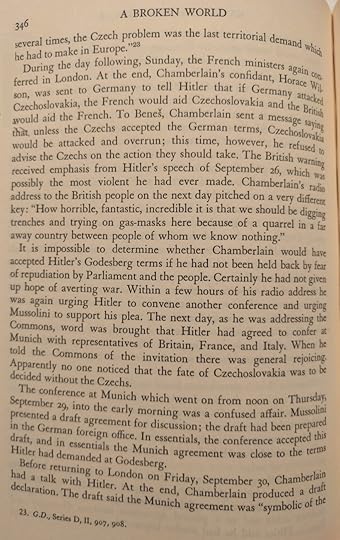
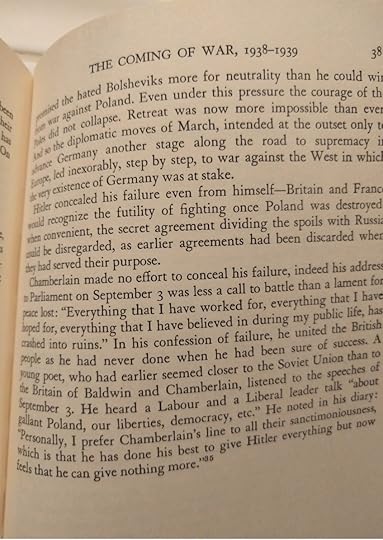
This three pages are the conclusion of the book: they depict the failure of Chamberlain, how he ultimately was defeated and how war ignited again:
And finally, the bibliographic essay, which is another jewel that anyone can and should enjoy and take advantage of:

***
In sum, of course, one great book that everyone should at least leaf around for a little bit. I will keep it in my reference shelf for future use. It will never be old stuff.
I also have a blog! Link here:
http://lunairereadings.blogspot.com
These are the first introductory pages of the book, the dedication and the table of contents:
Here we have the extremely interesting introduction by William Langer, who does not save his words of praise for the magnificence of Sontang's work.
The prologue is another must. I couldn't resist and had to reproduce it entirely here. It is a lucid and short summary of the great book the reader is about to enjoy, along with the author's words of thankfulness for all those who helped him creating his writtings.
The very interesting overture of the first chapter, where all the tone of the book is laid out: Europe was doomed since the very beginning:
The book contains multiple and very worthy illustrations. Here are just a few:
So many works of art were lost, that one could cry until our eyes fell out and it would be not enough to regret such loses. For example, this wonderful Bonnard "Woman an a dog" that was lost forever:
There are plenty of big names amongst those that were lost or irretreivable. For example, Matisse, Ronauld, Chagall, Frege...
More illustrations, posters and photographs of important people doing what important people does:
This three pages are the conclusion of the book: they depict the failure of Chamberlain, how he ultimately was defeated and how war ignited again:
And finally, the bibliographic essay, which is another jewel that anyone can and should enjoy and take advantage of:
***
In sum, of course, one great book that everyone should at least leaf around for a little bit. I will keep it in my reference shelf for future use. It will never be old stuff.
I also have a blog! Link here:
http://lunairereadings.blogspot.com
Displaying 1 - 5 of 5 reviews