Charming illustrations enhance the narrative of a much-loved classic that tells the story of Prince Comical and his search for the diminutive princess without a name. Elves, fairies, dwarfs and other denizens of fairyland will prove irresistible to anyone enchanted by the fantasy world of sprites and other little people.
Tales of the Scottish writer and anthropologist Andrew Lang include The Blue Fairy Book (1889).
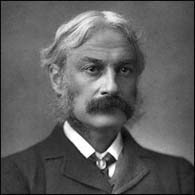
Andrew Gabriel Lang, a prolific Scotsman of letters, contributed poetry, novels, literary criticism, and collected now best folklore.
The Young Scholar and Journalist Andrew Gabriel Lang, the son of the town clerk and the eldest of eight children, lived in Selkirk in the Scottish borderlands. The wild and beautiful landscape of childhood greatly affected the youth and inspired a lifelong love of the outdoors and a fascination with local folklore and history. Charles Edward Stuart and Robert I the Bruce surrounded him in the borders, a rich area in history. He later achieved his literary Short History of Scotland.
A gifted student and avid reader, Lang went to the prestigious Saint Andrews University, which now holds a lecture series in his honor every few years, and then to Balliol College, Oxford. He later published Oxford: Brief Historical and Descriptive Notes about the city in 1880.
Moving to London at the age of 31 years in 1875 as an already published poet, he started working as a journalist. His dry sense of humor, style, and huge array of interests made him a popular editor and columnist quickly for The Daily Post, Time magazine and Fortnightly Review. Whilst working in London, he met and married Leonora Blanche Alleyne Lang, his wife.
Interest in myths and folklore continued as he and Leonora traveled through France and Italy to hear local legends, from which came the most famous The Rainbow Fairy Books. In the late 19th century, interest in the native stories declined and very few persons recounting them for young readers. In fact, some educationalists attacked harmful magical stories in general to children. To challenge this notion, Lang first began collecting stories for the first of his colored volumes.
Lang gathered already recorded stories, while other folklorists collected stories directly from source. He used his time to collect a much greater breadth over the world from Jacob Grimm, his brother, Madame d'Aulnoy, and other less well sources. Lang also worked as the editor, often credited as its sole creator for his work despite the essential support of his wife, who transcribed and organised the translation of the text, to the success.
He published to wide acclaim. The beautiful illustrations and magic captivated the minds of children and adults alike. The success first allowed Lang and Leonora to carry on their research and in 1890 to publish a much larger print run of The Red Fairy Book, which drew on even more sources. Between 1889 and 1910, they published twelve collections, which, each with a different colored binding, collected, edited and translated a total of 437 stories. Lang, credited with reviving interest in folklore, more importantly revolutionized the Victorian view and inspired generations of parents to begin reading them to children once more.
Last Works Lang produced and at the same time continued a wide assortment of novels, literary criticism, articles, and poetry. As Anita Silvey, literary critic, however, noted, "The irony of Lang's life and work is that although he wrote for a profession... he is best recognized for the works he did not write," the folk stories that he collected.
Simplemente precioso, la Princesa Nadie, recuerda a la extensa tradición de cuentos para niños de antaño. Tanto el texto como las maravillosas ilustraciones nos trasladan a un mundo de fantasía, lleno de hadas, gnomos y demás seres fantásticos que nos llevan a rememorar nuestra infancia, aquel tiempo tan feliz donde cualquier recoveco de nuestra casa podía ser la entrada a un mundo de fantasía.
Este libro está hecho por dos artistas increíbles. El trabajo de uno inspiró el del otro. En este caso, Richard Doyle, fue el creador en 1870 de una serie de ilustraciones para un libro titulado El País de las Hadas. Cuando las vió, poco después, Andrew Lang decidió escribir un cuento basado en ellas. Y de ahí surgió La Princesa Nadie. Desde el punto literario, Lang, ha escrito un cuento con todas las características clásicas. Destaca la obsesión del autor por el detalle y, como en el propio texto, hace referencias a los dibujos, pidiéndonos en algunos momentos que los observemos directamente. Como cualquier cuento, el autor usa un estilo de escritura sencillo pero elegante. Su prosa está muy depurada, con partes de gran belleza lírica, su lenguaje, resulta engañosamente simple, ya que ha sido muy bien escogido, y sus descripciones están supeditadas a los dibujos y, por tanto, no resultan extensivas, ni particularmente brillantes.
Como cualquier cuento antiguo, La Princesa Nadie, nos presenta a un Rey y una Reina que no podían tener hijos. Tras hacer un trato con un Rey gnomo, tienen una niña preciosa a la que llaman Niente, Nadie en italiano. Años más tarde, el gnomo reclama a la princesa en pago para zanjar el trato. Para evitarlo, los reyes mandan a la niña con la Reina de las Hadas, que la mantendrá oculta hasta que un valiente príncipe la rescate. El resto, como suele decirse, es historia y más que obvio, si habéis leído algún cuento en vuestra infancia. El desenlace resulta obvia y previsiblemente feliz, aunque echo de menos alguna lección o moraleja que aprender.
En definitiva, La Princesa Nadie, es una pequeña joya que hará las delicias de los aficionados a los cuentos de todas las edades. Su hermosa historia acompañada de sus coloridas y bonitas ilustraciones alegrará el corazón de todo aquel que lo lea.
Es una historia simple pero curiosa, a pesar de que no me encantó me permitió pasar un buen rato, necesitaba una lectura que simplemente me distrajera y que no intentara tomarse demasiado enserio a si misma. El contexto folclórico europeo que te dan las imágenes es divertido y hacen que sea agradable para una lectura casual. Puedo imaginar que como un libro ilustrado para algún niño practicando sus primeras lecturas y dejándose fascinar por los dibujos. El valor del libro se encuentra principalmente en sus ilustraciones, como queda claro desde el prologo, la historia no es mas que lo que se le fue ocurriendo al escritor para dar uso a unas ilustraciones que le habían gustado, pero fueron pensadas para otro texto.
No handsome prince, but an ugly one with a heart of pure gold : he even helps the handsomer princes try to get the girl too ! Wonderful as a narrative on how to treat one and all with generosity, fairness, and grace. Beautifully imaginative too, harkening back to a time when Europe was bathed in majestic old-growth forests. How much I wanted to explore the giant mushroom grove, falling asleep under or atop one of their gargantuan colorful umbrellas with one of the handsome princes !
Es un cuento con ilustraciones hermosas, aunque la escritura no es la mejor, es un cuento lindo para niños. Se entiende que el autor al ser un cuento para niños haya querido hacerlo corto, pero me hubiera gustado que este hubiera profundizado más en la obra. Entiendo la narración, debido a la época en la que fue escrito
un libro lindo, escrito para niños. me gusta que vaya contando lo que aparece en la imagen, señalando detalles que en la historia quizá no fueran importantes. la historia es súper clásica, pero me gustan más las ilustraciones y el mundo que ha creado de hadas, elfos, enanos y animales que hablan.