This book illuminates the crucial role of evolutionary biology in transforming our view of human origins and our relation to the universe, highlighting the impact of this theory on traditional philosophy and religion. The authors introduce the general reader to some of the most important basic findings, concepts, and procedures of evolutionary biology, as it has developed since the first publications of Darwin and Wallace on the subject, over 140 years ago. They show how evolution provides a unifying set of principles for the whole of biology and sheds light on the relation of human beings to the universe and each other.
اذا لم تكن قد قرأت من قبل عن التطور فلا انصحك بقراءة هذا الكتاب الذى يدعى انه مقدمة قصيرة جدا فهو على قصره ملىء بالتفاصيل التى اعادها بطرق مختلفة اكثر من مرة و كان اولى به الاختصار و كان افضل للكتاب ان يسمى قضايا حول التطور او مسائل فى التطور ... مقالات فى التطور او ما شابه فهو لن يشرح لك التطور بقدر ما سيحاول اقناعك به
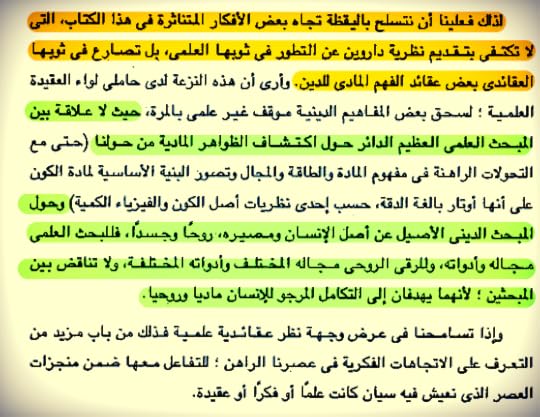
بالنسبة للكتاب لابد من إضافة هذه المقدمة بقلم مراجع كتاب : أقدم لك داروين والتطور " عزت عامر " لإحتواء الكتاب على تضمينات أيديولوجية وعبارات توظف الحقائق العلمية لغايات إلحادية ونقد الأديان : .
✒️1.من المفارقة أن الكتاب يدافع أو على الأقل لا يلوم النهج العقلاني على الحوادث والكوارث التي جرت في القرن العشرين فكوننا فشلنا في التصرف بعقلانية هذا لا يعني فشل العقلانية نفسها ( نعم أتفق معه في هذا لكن حبذا لو كان هذا الخطاب يشمل الدين أيضاً ) فكون الأفهام الدينية أسهمت في مآسي وكوراث إلا أن هذا لا يعني فشل الأديان نفسها (أو عدم صحتها ) وهذا بمنطق المؤلف نفسه . ✒️2.الكتاب ليس مقدمة قصير جداً عن التطور ربما هذا العنوان يخدع من لم يعرف أساسيات النظرية فهو كما قيل في مقدمته يهدف إلى تعريف القارئ العادي ببعض من أهم النتائج والمفاهيم والمناهج الأساسية لعلم الأحياء التطوري عبر رحلة تطوره منذ المنشورات الأولى لداروين و والاس . ✒️3.الكتاب لا يراعي الحياد العلمي بل إن الخطاب المؤدلج واضح في ثناياه لذا لابد من ضرورة الإنتباه أثناء القراءة . ✒️4.ضرورة التفريق بين الأدلة التي جاءت في الكتاب حول نوع التطور صغروي أم كبروي . Microevolution Macroevolution
**********
وهذا ملخص لأهم المواضيع في كل فصل من فصول الكتاب :
💥💥في هذا الفصل هناك توظيف أيديولوجي واضح في الحديث عن مفهوم التكيف ونقد ديفيد هيوم لبرهان التصميم ومن يقرأ هذا الكلام يظن أن الموضوع محسوم وهذا نوع من التوظيف السيئ للعلم فلابد من ضرورة الفصل بين مفهوم التكوين والخلق البيولوجي وبين مفهوم الهداية و لا تقصر نقدك للفلسفة المبنية على التطور على موضوع برهان النظم وحده بل تعامل معه مقسماً إلى ثلاثة براهين ( برهان الخلق ، برهان التصميم ، برهان الهداية ) حتى داروين نفسه أدرك موضوع الغريزة وخطورته على النظرية بالإضافة إلى التصور الذي يبني مؤلف الكتاب بعض تقريراته عليه أن الذي يخلق الكائنات إله والذي يخلق البيئة إله آخر !!!! ، خلل واضح في الفهم وقصور شديد في فهم معنى القدرة والإرادة فللقراء المسلمين اقرؤوا في أصول الإعتقاد قبل التعرض لهذا الخلط الموجود في الكتاب .
🖋الطفرات - تأثير الطفرات يتباين : 📌1.بعض الطفرات ليس لها تأثير قابل للرصد ومن المعروف أنها توجد فقط لأنه صار من الممكن الآن دراسة المادة الوراثية مباشرة . 📌2.طفرات لها تأثيرات صغيرة نسبياً على سمة بسيطة ، مثل تغيير لون العين من البني إلى الأزرق أو تغيير عدد الشعيرات على طرف ذبابة الفاكهة أو تطوير البكتيريا لنوع من المناعة ضد المضادات . 📌3.بعض الطفرات لها تأثيرات بالغة على النمو مثل الطفرة التي تصيب ذبابة الفاكهة سوداء البطن – دروسوفيلا ميلانوجاستر – التي تسبب نمو ساق في رأس الذبابة في مكان قرن الإستشعار . 📌4.ظهور أي طفرة جديدة من نوع خاص هو حدث نادر للغاية يصل معدل حدوثه إلى واحد لكل مائة ألف فرد لكل جيل . 📌5.كي تتسبب الطفرة في تغير ثوري لابد أن تتسبب عمليات أخرى في جعلها تزداد تواتراً داخل ذلك المجتمع .
🖋الإنتخاب الطبيعي
🖋.هناك آلية أخرى مهمة للتغير التطوري تفسر الكيفية التي يمكن أن يتغير بها النوع من حيث السمات التي لها تأثير طفيف أو ليس لها تأثير على الإطلاق على "بقاء مالكها أو نجاحه التكاثري والتي تكون بالتبعية غير خاضعة للانتخاب الطبيعي أي تغير محايد من المنظور الإنتخابي – الإنحراف الوراثي"العشوائي.
🖋 تناول هذا الفصل صعوبات التي تواجه علم البيولوجيا في تعريف مصطلح النوع وأهمية الإنعزال في تكوين الأنواع .
----------
🔍الفصل الثالث : الأدلة المؤيدة للتطور – أوجه الشبه والإختلاف بين الكائنات . يقدم هذا الفصل قدراً من المعرفة البيولوجية الأساسية وكيف يمكن فهم أوجه الشبه بين الكائنات الحية من منظور التطور فيتناول ما يلي :
📌1.التشابهات المرئية من الخارج والتشابهات العميقة في المادة الوراثية و دورات الحياة . 📌2.من الحقائق التي تدعم نظرية التطور التعديلات التي نجدها في البنية ذاتها داخل الأنواع المختلفة مثل أجنحة الخفافيش والطيور تشير إلى أنها أطراف أمامية معدلة وكذلك الأمر بالنسبة لزعانف الحيتان حيث بنيتها الداخلية تشبه أقدام الثديات الأخرى . عظام الأذن الوسطى . 📌3."النمو الجنيني والأعضاء "الاوظيفية . 📌4.التشابه في الخلايا وفي الوظائف الخلوية والتشابه الجوهري للملامح الأساسية للمسارات الأيضية . 📌5.هذا الفصل بالمجمل لا يتجاوز المادة العلمية في مادة الأحياء في المدارس الثانوية للفرع العلمي . from gene to protein transcription and translation ومواضيع الإنقسام المتساوي والإنقسام المنصف بالإضافة إلى الوراثة المندلية وغير المندلية .
----------
🔎الفصل الرابع : الأدلة المؤيدة للتطور - أنماط في الزمان والمكان يتناول هذا الفصل الأدلة المؤيدة للتطور من تاريخ كوكب الأرض – ومن أنماط التوزيع الجغرافي للأنواع الحية :
🖋1. الأفكار الأساسية التي أدت إلى نجاح عظيم على مستوى الجيولوجيا المبكرة و أهم فكرتين في هذا المجال :
📌 *مبدأ الوتيرة الواحدة – يرتبط بالجيولوجي جيمس هاتون الذي عاش في أدنبرة في نهاية القرن الثامن عشر و جمعه وصنفه لاحقاً عالم اسكتلندي آخر هو تشارلز لايل في كتابه مبادئ الجيولوجيا . المبدأ ببساطة : يتمثل في أننا نطبّق على تاريخ بنية الأرض المبادئ نفسها التي استخدمها الفلكيون في فهم منظومة الكواكب والنجوم البعيدة إذ يفترض أن العمليات الفيزيائية ذات الصلة تكون واحدة في كل زمان ومكان فالتغير الجيولوجي على مر الزمن يعكس عمل قوانين الفيزياء الثابتة التي لا تتغير ،
📌 *ابتكار علم وصف طبقات الأرض : بعد تحقيق علم الجيولوجيا نجاح كبير في تفسير بنية الأرض على مستوى السطح أو بقربه ، في ضوء هذه العمليات وفي إعادة بناء الأحداث التي أدت إلى المظهر الحالي للعديد من أجزاء الأرض أضبح من الممكن تحديد ترتيب هذه الأحداث من خلال علم وصف طبقات الأرض . فالمعلومات الخاصة بالتركيب المعدني ونسق الحفريات المعثور عليها في طبقات الصخور المختلفة أضحى من الممكن استخدامها في وصف الطبقات المنفردة .
🖋2.السجل الأحفوري : هو المصدر الوحيد بشأن تاريخ الحياة ، وهنا يعالج الكتاب كيفية تشكل الحفريات ، وكيفية دراسة العلماء للحفريات . 📌 *بعض الحفريات الحية مثل شكويات الجوف التي تعد من أسلاف الفقاريات . 📌 *تناول موضوع الفجوات في السجل الأحفوري بالحديث عن الإنفجار الكمبري وهو المصطلح الذي يشير إلى ان أغلب المجموعات الكبيرة من الحيوانات ظهرت للمرة الأولى على صورة حفريات تعود للعصر الكمبري ما بين 550 إلى 500 مليون عام مضت . 📌 *إلا أن الملامح العامة للسجل الأحفوري تقدم أدلة قوية تؤيد التطور ، فهي لا تكاد تفهم إلا في ضوء النظرية .
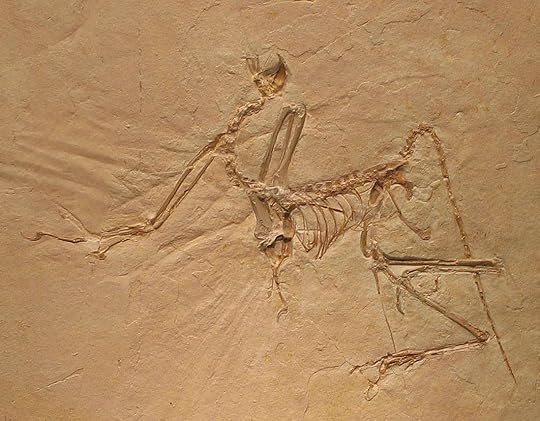
*عرض أمثلة لحفريات الحلقات الوسيطة فتناول الكتاب ما يلي : 📌 1.حفرية الطائر الزاحف أركيوبتركس المكتشفة بعد نشر كتاب أصل الأنواع .
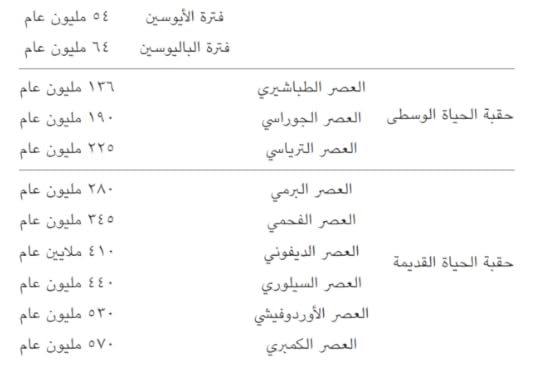
📌 2.الحديث عن حفريات أسلاف الإنسان . 📌 3.الحديث عن أشهر الإنقراضات في تاريخ الأرض وعصور ظهور الكائنات .
🖋3.الأنماط المكانية أي توزيع الكائنات الحية عبر المكان . ودورها في إثبات صحة التطور وذلك بعرض جزر أرخبيل جلاباجوس وهاواي التي تبين الأدلة الجيولوجية أنها تكونت بفعل نشاط بركاني ولم تكن متصلة بأي قارة . فوفق نظرية التطور الكائنات التي تقطن هذه الجزر اليوم لابد أن تكون منحدرة من أفراد قادرين على قطع المسافات الشاسعة التي تفصل الجزر المتكونة حديثاً عن أقرب الأراضي المسكونة وهذا يضع عدة قيود على ما قد نجده وهي : 📌 1.صعوبة استعمار منطقة متكونة حديثاً تعني أنه لابد من أن يكون عدد قليل من الأنواع قادر على تثبيت نفسه . 📌 2.وحدها أنواع الكائنات التي لها سمات تمكنها من عبور مئات أو آلاف الأميال عبر المحيط ستتمكن من تثبيت نفسها . 📌 3.حتى في المجموعات الممثلة ستكون الأنواع الموجود معرضة لعنصر عشوائية مرتفع وذلك بسبب عدد الأنواع الصغير التي يمكنها الوصول إلى تلك الجزر . 📌 4.سينتج التطور في هذه البيئات أشكالاً عديدة لا يمكن أن نجدها في مكان آخر .
وتؤكد الأدلة هذه التوقعات بشكل باهر عرض الكتاب مجموعة منها وتناول ملاحظات داروين بهذا الخصوص بنوع من التفصيل .
----------
🔎الفصل الخامس :التكيف و الإنتخاب الطبيعي.
يركز على تطور أوجه التكيف لدى الكائنات عن طريق الإنتخاب الطبيعي و أنواع التنوع القابلة للتوارث و مفهوم الصلاحية في الإنتخاب الطبيعي والإنتخاب الجنسي وغيرها من المواضيع المتعلقة بالإنتخاب .
----------
🔎الفصل السادس : تكون الأنواع وتشعبها .
يركّز على تطور الأنواع الجديدة و الإختلافات بين الأنواع . وتناول موضوع معقد و هو من التحديات التي تواجه النظرية وهو الإنعزال التكاثري الضروري لحدوث التطور وتشعب الأنواع . كما تناول موضوع التطور الجزيئي بنوع من التفصيل . مبدأ الساعة الجزيئية ، و كيف يمكن استخدام مبدأ الساعة الجزيئية علماء الأحياء من أن يؤرخوا بشكل تقريبي عمليات التشعب بين الأنواع التي لا يوجد لها سجل أحفوري .
----------
🔎الفصل السابع : بعض المشكلات الصعبة . 1.كيف يمكن لعمليات التكيف المعقدة أن تتطور ؟ 2.لماذا نشيخ ؟ 3.تطور الطبقات الإجتماعية العقيمة . 4.أصل الخلايا الحية و أصل الوعي البشري .
التطور مقدمة قصيرة جدا .................... التطور مقدمة قصيرة جدا ........................ كتاب عادي ليس في شيء جديد بعيد عن المعلومات العامة التي يعرفها كل من له شيء من المعرفة بموضوع التطور. فالكتاب مقدمة قصيرة جدا لتبسيط الموضوع علي من لا يعرف عنه شيء. في أقل من 150 صفحة يتحدث المؤلف عن عمليات التطور، والأدلة المؤيدة له، من خلال البحث في أوجه الشبه والاختلاف بين الكائنات الحية، والبحث في حفريات العصور القديمة التي قدمت الكثير من الدلائل علي صدق النظرية. كما تحدث عن الانتخاب الطبيعي والتكيف كعاملين مهمين في حدوث التطور وتكون الأنواع المختلفة للكائنات ونشأة السلالات المختلفة. في النهاية تحدث عن بعض المشكلات التي تواجه النظرية منها الفجوات التي توجد في الحفريات القديمة والتي لم يقم الكشف العلمي بملئها حتي الآن. كتاب عادي وسهل. ......................
Natural selection is often used to solve difficult design problems for complex systems.
In this process, the engineer does not have a design in mind, but only the desired function.
In designing machines and software, sometimes a very efficient way to find the optimal design is to successively make small, random changes to the design, keeping the versions that do the job well, and discarding others.
And that's how Natural Selection works in nature as well.
It is a blind process with no foresight.
Natural selection is the most important concept (alongside mutation, and genetic drift) that explains the evolution and ultimately the origins of species.
Certain heritable variations of a gene may be preferentially passed on to future generations.
To put it in simple words (which will lose some of its accuracy of course), those who have certain gene variations that help them or their social group to survive or reproduce more are more likely to pass on their genes to future generations.
It's always fascinating to read about evolutionary biology and the origins of species.
You will look at the world around you quite differently after a lecture on why we have so much diversity of life.
This book is a very very short introduction, it might be good for people who have never studied biology and molecular biology, but as a biology student it was boring except final chapter.
'Evolution' gives an entertaining and up-to-date introduction to the subject and provides an overview of current thnking. Rather than follow the traditional format of revisiting all the old chesnuts, and rehashing previous school textbooks on the subject, 'Evolution - A Very Short Introduction' works from the basics through to current problem areas, using numerous fascinating examples including analogies in our modern non-biotic environment; such as the motor-car and computers. A good introduction for the novice; an entertaining read for the biologist.
توقعت بأن يكون محتوى الكتاب مناسب لغير المختصين أو ممن يفتشون عن كتب تطرح نظرية التطور بشكل مبسيط وسلس كحالتي ولكن للأسف الكتاب أعمق مما توقعت والمصطلحات المستخدمة تطلب مستوى من المعرفة المسبقة فيها وهذا مالم يتوفر لدي . . ربما أعيد القراءة مُستقبلاً . . . #أبجدية_فرح بدون تقيم " لأَنِّي أصلا مو عارفة شقاعد يقول " 🤷🏻♀️ . . .
I thought it was a pretty decent introduction to evolution, considering the limited space available. It is good for giving the basics to the interested reader. I would have liked to have seen a bit more on the origin of life.
الكتاب مفيد جداً ويوفر إجابة للعديد من التساؤلات حول النظرية بلغة يسيرة ومفهومة، وأعتقد أنَّ هذا الجزء من السلسلة مع جزء الحفريات كافيين لتوضيح النظرية لمن يريد الاطلاع عليها .
A consice dose of evolutionary biology that acts an excellent introduction to the concept as well as a refresher for those who are more familar with it.
إذا لم تكن تعرف شيئاً عن التطور، فهذا الكتاب جيد فميزته أنه قصير ومختصر، وهذه سلبيته أيضاً، فبالنسبة لشخصٍ يعرف قدراً جيداً عن التطور فهذا الكتاب أبسط من اللازم. يأخذنا الكتاب في جولة مع أهم الأدلة الداعمة للتطور، ومن ثم ينتقل بنا إلى شرح آلية تشكل الأنواع الجديدة، وأخيراً، وفي الفصل السابع، يطرح المشاكل الصعبة التي مازالت تواجه التطور، وهو برأيي أكثر الفصول تشويقاً. في خلال الكتاب نجد منعطفاتٍ صغيرة على تاريخ نظرية التطور، لكن الكتاب ليس غنياً بها كما يجب، كما أنه لا يصحح ��لمغالطات الشائعة عند الناس عن التطور مثل تطور الإنسان من قرد أو معارضة التطور لقانون الديناميكا الثاني. بالمحصلة، كتاب جيد أنصح به.
Sometimes random thoughts enter my head, like, "If I was stopped on the sidewalk and asked to give a convincing and coherent explanation of evolution, could I?" I did actually have this thought a few days ago. So I started running through an explanation in my head. Then whilst at the library poking among the geology books, I saw this. It's time for a quick refresher course.
في مقدمة 145 صفحة وبضعة فصول يحدثنا الكاتبان عن التطور بايجاز وعبارة تصعب علي الغير متخصصين امثالي فهمها بسهولة، لكن بعد اعادة معظم الفقرات مرتين وثلاثة، اظنني استوعبت الخطوط العريضة لهذه النظرية العظيمة،
يوجد في اخر هذا الكتاب ترشيح لكتاب - الجين الاناني -صانع الساعات الاعمي وبضع كتب اخري
كتاب صوتي: التقييم لتجربة سماع الكتاب وليس لمحتوى الكتاب.. الجهود المبذولة في الكتب الصوتية جهود جبارة لكن تجربتي مع هذا الكتاب كانت سيئة.. القراءة بطيئة جداً جداً ومليئة بالاخطاء وكأن القارئة تقرأ لنفسها ولوحدها وليس للمستمعين.بالكاد اكملت نصف الكتاب.
"Evolution: A Very Short Introduction" (2003) by Brian and Deborah Charlesworth offers a concise, detailed introduction to evolutionary biology. The Charlesworths are both Professors at the University of Edinburgh. Brian Charlesworth is former President of the Society for the Study of Evolution while Deborah Charlesworth has served as President of the European Society of Evolutionary Biology.
The Charlesworths offer the following introduction to this overview of evolution.
"The relentless application of the scientific method of inference from experiment and observation, without reference to religious or government authority, has completely transformed our view of our origins and relation to the universe in less than 500 years. In addition to the intrinsic fascination of the view of the world opened up by science, this has had an enormous impact on philosophy and religion. The findings of science imply that humans are the product of impersonal forces, and that the habitable world forms a minute part of a universe of immense size and duration. Whatever the religious or philosophical beliefs of individual scientists, the whole programme of scientific research is founded on an assumption that the universe can be understood on such a basis."
Evolutionary theory still provokes controversy. The Charlesworths do not hide their view that evolutionary theory is inconsistent with the position of supernatural, intentional creation of separate species. At several points in this introduction, they criticize supernatural creationism directly. Throughout the book, they gather the support for evolution from various strands of science and argue that it is overwhelming.
The Charlesworths begins with a chapter explaining the nature of evolutionary biology drawn from Charles Darwin and Alfred Wallace. Then, in two chapters, they offer corroboration for the theory from two separate strands. In the first, the Charlesworths consider similarities and differences between organisms as showing evolution. The most interesting discussion in this chapter considers findings in cell biology and biochemistry. The study of heredity and of the nature of DNA across all forms of life corroborates and expands evolutionary biology in ways not available to Darwin and Wallace.
In their second chapter setting out evidence for evolution, the Charlesworths examine "patterns in time and space", a form of evidence on which both Darwin and Wallace relied. This source of evolutionary theory is based upon the enormous scope of geological time together with the fossil record. Further studies since Darwin and Wallace, including advances in cell biology and dating techniques have served to corroborate and strengthen the early findings.
In the following portions of their study, the Charlesworths discuss how evolution and natural selection explain the adaptation of species to their environment. They describe how evolution accounts for the astonishing diversity and change in living species, and they conclude with a short chapter on difficult problems in evolution, such as accounting for complex organs including, for example, the human eye.
The Charlesworth's study is short but dense. It requires close, careful reading, particularly in the sections involving cell biology. The book offers as a reward for the required effort a renewed understanding for the lay reader of evolution, its basis and importance. In my own case, I studied evolution in school many years ago but found it useful to focus upon it through this book. The Charlesworths' study will also be useful to students coming to evolutionary biology early in their lives. The book includes a brief bibliography for further reading.
I have found the Very Short Introduction Series of Oxford University Press highly useful in exploring a broad range of subjects. I have especially benefitted from books in the series about the sciences in that I have tended to take the sciences for granted though adult life. This study of evolution fits well with other works in the series I have read, including various books about geology, chemistry, and the relationship between science and religion. Readers wanting an informed brief account of evolutionary biology will benefit from the Charlesworth's Very Short Introduction.
🔹اسم الكتاب 📘 : التطور 🔹اسم الكاتب 👨 :برايان و ديبورا تشارلزوورث 🔹 ترجمة : محمد فتحي خضر 🔹 عدد الصفحات 📑 : 162 صفحة 🖋️ "التطور" ، من سلسلة مقدمة قصيرة جداً. احتوى الكتاب على ثمانية فصول. قدم في الفصل الأول أهم الإكتشافات و المفاهيم المتعلقة بعلم الأحياء التطوري. استعرض في الفصل الثاني العمليات السببية الرئيسية للتطور. ثم قدم في الفصل الثالث قدرا من المعرفة البيولوجية الأساسية و بين كيفية فهم أوجه الشبه و الإختلاف بين الكائنات الحية من منظور التطور. و في الفصل الرابع، يتتبع برايان و ديبورا تشارلزوورث الأدلة المؤيدة للتطور و المأخوذة من تاريخ كوكب الأرض، و من أنماط التوزيع الجغرافي للأنواع الحية. في الفصل الخامس تم التركيز على أوجه التكيف لدى الكائنات عن طريق الإنتخاب الطبيعي. ثم سلط الضوء في الفصل السادس على تكون الأنواع الجديدة و تشعبها و الإختلافات بينها. و ينتهي الكتاب بمناقشة بعض الأفكار التطورية الصعبة في علم الأحياء الحديث، كالتساؤل عن سبب حدوث الشيخوخة، و سبب تصرف بعض الحيوانات بإيثار. "فينبغي لنا أن نعجب بما أنتجه التطور، و أن نحرص على ألا ندمر هذا الإرث بأفعالنا الجشعة الحمقاء، و أن نحافظ عليه من أجل أبنائنا، و إن فشلنا في عمل هذا، فسينقرض نوعنا،شأنه شأن العديد من الكائنات الحية البديعة."
Very short but fairly dense - you need to be awake reading this. The compact format of the series means that it has to be fairly dry: there's no room for jokes or long hand-holding explanations for the least scientifically literate among us (meaning me, for one). That's a warning, not a criticism, and the text is reasonably comprehensible if you put the work in. I learned a bit more than I'd known before, and got a somewhat clearer sense of where the huge gaps in my understanding are. I was gratified to find in the last chapter that one or two things I had assumed were in the category of things I'd know if I paid better attention were actually 'some difficult problems', perhaps the biggest, in my mind anyway, being the origin of living cells. Recommended for any non-expert interested in life and how it works.
Imagine you are tasked with writing an introductory text to evolution. You consider the large cohort that doesn’t believe in it. How will you address them?
You have two choices: 1) spend a significant portion of your book arguing against that position, or 2) do not address that position, and assume that anyone reading an introductory evolution science text will be able to understand why.
Unfortunately, this book chose the former, and to its detriment. Then, when it was discussing evolution, the science was cold and inaccessible. Understandable for a scientific paper or more advanced level non-fiction piece, but for an introductory text these were two horrible decisions.
Was it interesting and was I glad to have read it? I suppose. But it was a slog, an absolute chore to finish this book, and it’s only about 150 pages long.
المقدمة القصيرة جدا هي في الحقيقة مختصر دقيق جدا، ووافي لكل الموضوع، غير أنه ليس بمقدمة او ليس كما قد يتهيأ للمرء قبل قراءة الكتاب. لفهم الكتاب او أغلب محتوى الكتاب لابد من التوفر على حد أدنى من المعارف العلمية في علم الأحياء من الجزيئات إلى الخلية مرورا بالبروتينات و الأحماض الأمينية والكروموسومات والانزيمات ودي اين اي. عموما الكتاب مفيد وشامل ويشكل مقدمة لمن يتوفر على حد أدنى من المعارف، ورغم أنه مقدمة فهو يتوسع بشكل جميل ليغطي كل جوانب النظرية بداية من شرحها إلى تقديم الأدلة عليها سواء على مست��ى دي اين اي او على مستوى الحفريات. ثم يمضي إلى شرح آليات التطور ونائجته من التكيف إلى التنوع وفي الاخير يتعرض على بعض الجوانب التي لم يتم تفسيرها بشكل دقيق اعتمادا على النظرية وإن كانت لا تتعارض مع مبدأ التطور.