Creating a piece of artwork that might be mistaken for a photograph is the goal of many aspiring artists. With this 32-page guide, even beginners can learn methods for painting with amazing realism and accuracy. Accomplished artist Daniel Tennant explains the basics of using gouache and airbrushing and provides in-depth information on essential techniques such as gradating, using stencils, and creating a metallic effect. He also offers instruction on common elements of traditional still lifes, guiding readers from applying the initial layer of color through adding texture to detailing with shadows and highlights. The book also features several inspiring projects, each broken down into numerous, digestible steps so artists can easily follow along.
First of all, this should be called Gouache: Realistic Painting because that's what it talks about. Yes, gouache is a type of watercolor, but every single artist I know refers to watercolor as one thing and gouache as another. But I like both mediums, so that didn't stop me from reading.
The rest of the book, however, is just as messy as the title. The lessons don't flow in a natural order. We learn how to paint fruit and silver and Persian rugs, all with highlights and shadows. Then, one of the last chapters is about highlights and shadows. Shouldn't we have learned about those concepts before actually painting them? Speaking of which, I don't think this book knows who its audience is. Most of the first chapters assume you understand color theory and have basic/intermediate skills. If that's the case, why even have a chapter explaining what highlights and shadows are? Those are some of the first things we learn in art classes.
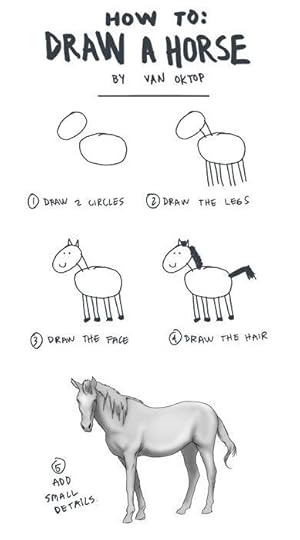
My biggest annoyance with this book is that it doesn't actually teach you anything substantial. It mostly gives you tutorials. For example, there's a chapter called "Painting Different Textures." It gives us a few techniques, but rather than showing us how to use those creatively in any painting we want to create, we're walked through the painting process of specific objects. The fruit, silver, and rug I mentioned earlier are some of those objects. That would actually be somewhat understandable if they were explained well, which they're not. Those tutorials remind me of this meme:
The reason I didn't give it one star is because I did learn one technique that I hadn't thought about before, so this wasn't a complete waste of time.