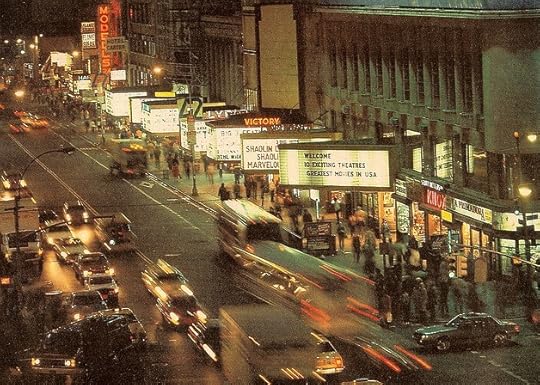
While there are numerous books on art and exploitation cinema, very few attempt to examine both. Covering the first 100 years of cinematic transgressions, From the Arthouse to the Grindhouse is a collection of numerous essays representing key contributions to overlooked, forgotten, or under-analyzed parts of film history. From cult favorites like Arch Hall Jr. to revered but under-documented marquee names like Lon Chaney, filmmakers both major and minor are covered here. Starting with a section that pairs exploitation pioneers like Dwain Esper alongside cutting edge auteurs like Erich Von Stroheim, the volume documents the bleeding edge of the high/low cultural divide. Other essays examine the sexual melodramas of Weimer German cinema, explore the concept of Borat as a model for the new standardized cult film, and discuss the films of directors Tod Browning, Pier Pasolini, and Peter Watkins. This volume also contains a section devoted to the idea of reality inside and outside the documentary sphere, emphasizing audiences' desire to believe that this is really happening, whether they're horrified or titillated. Addressing many aspects of transgression in cinema, these essays suggest that the distance between the venues and the audiences may not be quite as wide as viewers might imagine.
I'm kind of blown away by this book. The chapter on theaters would give this five stars alone, but really I enjoyed all of them. This book explores a lot more than just the cinema of transgression, but also its history and roots as a subculture. If you've ever been interested in the old Times Square before crackdown on the debauchery ushered in its commercialization. There is something for everyone here.
Ultimately this book depressed me because, like the title suggests, it is a story about the decline of the arthouse through to the eventual end of the grindhouse.
A fantastic collection of well-researched academic articles on transgression in both highbrow and lowbrow cinema; everything from the humanistic tendencies of Lon Chaney to an in-depth look at Shaun Costello's revolting, unforgettable Water Power, exposes on long forgotten grindhouse theaters, Water Power star Jamie Gillis, Doris Wishman as feminist icon, and real death in film as exemplified by Belgian curio Les Morts.