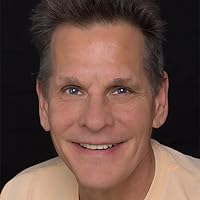
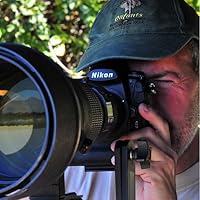
Captured: Behind the Lens of a Legendary Wildlife Photographer is more than just a photography book—it's a chronicle of more than 30 years' worth of unbelievable moments that only nature can reveal. And Moose Peterson is more than just a wildlife photographer—he's a storyteller in both prose and pictures. If you're looking for the ultimate guide to wildlife photography from a man who has devoted his entire career to capturing nature's finest and most rare moments, you'll find it here in Captured. If you're looking to be transported into the wild to confront a grizzly bear and her cubs, stumble upon a pack of wolves, or capture an owl in flight, you'll find it here, as well. You'll also find a healthy dose of inspiration as the stories behind the photos are revealed as only Moose can tell them. In the end, you'll come away with invaluable photographic techniques gained through a lifetime of experience and a new appreciation for the passion of wildlife photography. You'll gain knowledge that you can put to use on your next excursion into the wild, your local or state park, or even your own backyard.
Captured: Lessons from Behind the Lens of a Legendary Wildlife Photographer by Moose Peterson was a pretty slow read, some of which was a result of some dry reading while some of which was due to the extra time spent exploring the incredible wildlife photography.
The book starts out as an autobiography of Moose's photography career. As the pages progress, we learn a lot about the things about the heart and soul of Moose's passion for photography. First of all, he is a Nikon man as a result of his first job being in an exclusive Nikon photo shop. The slowest reading was early on in the book, when he spent much of his time talking about the history of every Nikon film camera and every top of the line lens that he used in his early career. Since I am a Canon person, my lens choices are not compatible with Nikon and my limited budget wouldn't afford me to consider any of the caliber lenses that he talks about for anything more than a rental.
Next we learn that Moose is a hardware guy. And unfortunately, we learn the only way to truly good wildlife photographs is with top of the line equipment, well beyond my budget limits. His hardware slant is expressed further in each picture in the book lists what camera body, lens, flash type and film type used. You have to get to around page 300 before we get anything in the DSLR realm. In any case, I found myself wishing the photos would have some basic setting information like f/stop, exposure, etc... Any technical details or real life photography techniques would not come around until after page 200. Early on he talks about the importance of depth of field, but never goes into any details on how this is done. These facts, as I have mentioned, made the first half of this book a slow read.
But along with the text, the photography is incredible. I found myself exploring each image. The color, the focus, the lighting, the background...Again, I just wish the pictures would have had their settings listed.
Another thing we learn about Moose is he loves endangered species, loves birds and loves bird nests. He goes into a lot of specific details on very specific species and where he has photographed them. This gets a little dry at times, but picks up as the book goes along.
Moose's story shows that one can make a living by volunteering your time to help biologists with their field project. He works with the biologists to learn as much as he can about each species he wants to photograph. He learns everything about their life patterns and ecosystem before ever taking a camera into the field. The biologist then leads him to places where these rare species live. Then it's picture time. The work is all volunteer; however, he is able to sell enough of his images to magazines and other places to actually make a living.
Through most of the book, Moose shows he is an "artist" when it comes to photography. He just has a feel for what to do through years of experience and doesn't necessarily say "how" he does it. He often leaves it as an exercise for the reader to go develop their own style through experiences and figure out the camera settings for particular situations on their own. I am more of a "scientist" when it comes to photography. I want to plan of attack. An f/stop, exposure time, etc... to start with and then methodically walk the settings back and forth to find the best answer. This is how I first learned how to photograph fireworks and moon shots. Start with some guidelines on settings, and then experiment until I get the answer I want. The frustrating part of this book, is these details were often left out.
That is until around page 200. Here we finally get to the wildlife photography "lessons" that the title of the book promises. Here he actually has some good information on lighting, exposure and color. He follows in the later chapters with some good information on things to try when taking pictures of various wildlife. This second half of the book was a much faster read and I found to be much more helpful.
Overall, I give this book 3.5 stars. I did not rate it higher mostly because of the slow read in the first 200 pages. I didn't rate it lower because of the incredible wildlife photography. Exploring the details of those wonderful pictures is the best part of the book.
It begins with really good stories from which we can learn a lot of being wild life photographer. But after that we have very long technical chapters. Information about color, exposure and using flash are quite universal, but there is also very long part about lenses. Author is a Nikon user so names of lenses doesn't mean for me anything. Another thing is that he teaches that we should use what we have and on the other side he list his "basic" lenses which number is about seven or even more. Last part is both, summary and repetition of previous chapters. We can find there some new information, but also exact phrases from other parts of book. Thing I didn't like most is that author is from USA and he behaves and writes like North America was only continent on Earth or rather like North America was whole Earth. He writes about different places but all time you know that he speaks only about NA like anywhere else wildlife animals couldn't exist.. I have mixed feelings about this book. Good for beginners. I also think that Nikon users would appreciate much more technical chapters.
This is one of the most informative books on photography that I have ever read. Dispensing with the typical glut of f stops and shutter speeds, Captured goes into the thought process behind making a creative image. It talks about the tools required to determine, on your own, the best f stop shutter speed, and then says nothing more about it. The book talks about framing, composition and about learning the patterns of wildlife so you can get out there and get the shot.
This is the first photography book that I've read in a long time that has actually made me want to go back out there and shoot.
I loved this book. Although I love my profession, I always wanted to do what Moose does. This book gave me an idea of what the life of a wildlife photographer is like. I am very profcient technically so I didn't learn a whole lot about photography, but I did enjoy the story of how he became a wildlife photographer and what it is like to be a working professional.
Outstanding photography with some essential how to tutorials for wildlife photography. The careful reader will be able to tell where the author is not ready to give up his secrets and therefor be able to do further research and experimentation on how to develop those skills.
I read the eBook version and it is not your normal wildlife photography book - it has many anecdotes and lessons sprinkled throughout instead of focusing on gear. It is a superb book.