

What do you think?

Beauty and the Beast
Through her great capacity to love, a kind and beautiful maid releases a handsome prince from the spell which has made him an ugly beast.
- GenresPicture Books
32 pages, Hardcover
First published January 1, 1989
Ratings & Reviews
Friends & Following
Create a free account to discover what your friends think of this book!
Community Reviews
Displaying 1 - 4 of 4 reviews

March 16, 2020
Beauty and the Beast, credited to Gianfrancesco Straparola
One of a number of fairy-tale picture-books printed for Sunoco gas stations back in the 1980s - for free giveaways? for sale? I honestly have no idea! - this retelling of the story of Beauty and the Beast is credited to Gianfrancesco Straparola (also known as Giovanni Francesco Straparola), a late fifteenth and sixteenth-century Italian writer believed to be one of the first to pen literary fairy-tales, and who is best known for his Le piacevoli notti ("The Facetious Nights of Straparola"). This collection of tales was an influence on the work of many authors who followed, from Giambattista Basile to Charles Perrault, not to mention the Brothers Grimm.
The brief afterword here claims that Straparola was the first to record the story of Beauty and the Beast, which was then "translated" into French by Mme de Villeneuve. If this is true, then it is news to me, as I had always understood de Villaneuve to be the original author! I have read a great deal about the origins of this tale, and this is the first time I have run into a reference to Straparola as the original creator. Needless to say, I will be running down a copy of his "Nights," and seeking to verify whether or not it is true. After a cursory glance through the SurLaLune page devoted to his work, I suspect that it is not...
In any case, this question of whether or not Straparola was the original creator of the Beauty and the Beast story is really the only point of interest, when it comes to this picture-book. The translator and/or adapter, as well as the illustrator, are unlisted, which is just as well, since they have done an indifferent job. I found the narrative rather lackluster, and did not appreciate the artwork at all. Beauty looked like an (unintentionally) odd little doll to me, and Beast like a lion puppet. The best thing about this version of the tale is the cover illustration, which led me to expect better! Ah well, at least I have the Straparola question to investigate...
Addendum: It would appear that the anonymous translator/adapter here was referencing The Pig King, a tale that, like Beauty and the Beast, features an enchanted bridegroom. In the case of Straparola's tale, he is born in the shape of a pig, and the story of his three wives puts me in mind of the French-Missourian tale of Prince White Hog (see Betsy Hearne's collection, Beauties and Beasts for a retelling). Despite this connection to the general tale-type, Straparola's story is not in fact an earlier version of Mme. de Villeneuve's Beauty and the Beast, so the information in this title's afterword is quite misleading. Perhaps the author was confused, as apparently Mme. d'Aulnoy - another French fairy-tale author, who coined the term contes de fées (fairy-tales), which was subsequently applied to the entire genre - did adapt Straparola's story into French. In any case, The Pig King is clearly not a direct antecedent of the story found in this picture-book, making its attribution extremely problematic. I wish I knew who undertook this project for Sunoco...
Additional Addendum: it would appear that this edition shares an ISBN with one edited by Cooper Edens, which I have also reviewed. Very odd!
One of a number of fairy-tale picture-books printed for Sunoco gas stations back in the 1980s - for free giveaways? for sale? I honestly have no idea! - this retelling of the story of Beauty and the Beast is credited to Gianfrancesco Straparola (also known as Giovanni Francesco Straparola), a late fifteenth and sixteenth-century Italian writer believed to be one of the first to pen literary fairy-tales, and who is best known for his Le piacevoli notti ("The Facetious Nights of Straparola"). This collection of tales was an influence on the work of many authors who followed, from Giambattista Basile to Charles Perrault, not to mention the Brothers Grimm.
The brief afterword here claims that Straparola was the first to record the story of Beauty and the Beast, which was then "translated" into French by Mme de Villeneuve. If this is true, then it is news to me, as I had always understood de Villaneuve to be the original author! I have read a great deal about the origins of this tale, and this is the first time I have run into a reference to Straparola as the original creator. Needless to say, I will be running down a copy of his "Nights," and seeking to verify whether or not it is true. After a cursory glance through the SurLaLune page devoted to his work, I suspect that it is not...
In any case, this question of whether or not Straparola was the original creator of the Beauty and the Beast story is really the only point of interest, when it comes to this picture-book. The translator and/or adapter, as well as the illustrator, are unlisted, which is just as well, since they have done an indifferent job. I found the narrative rather lackluster, and did not appreciate the artwork at all. Beauty looked like an (unintentionally) odd little doll to me, and Beast like a lion puppet. The best thing about this version of the tale is the cover illustration, which led me to expect better! Ah well, at least I have the Straparola question to investigate...
Addendum: It would appear that the anonymous translator/adapter here was referencing The Pig King, a tale that, like Beauty and the Beast, features an enchanted bridegroom. In the case of Straparola's tale, he is born in the shape of a pig, and the story of his three wives puts me in mind of the French-Missourian tale of Prince White Hog (see Betsy Hearne's collection, Beauties and Beasts for a retelling). Despite this connection to the general tale-type, Straparola's story is not in fact an earlier version of Mme. de Villeneuve's Beauty and the Beast, so the information in this title's afterword is quite misleading. Perhaps the author was confused, as apparently Mme. d'Aulnoy - another French fairy-tale author, who coined the term contes de fées (fairy-tales), which was subsequently applied to the entire genre - did adapt Straparola's story into French. In any case, The Pig King is clearly not a direct antecedent of the story found in this picture-book, making its attribution extremely problematic. I wish I knew who undertook this project for Sunoco...
Additional Addendum: it would appear that this edition shares an ISBN with one edited by Cooper Edens, which I have also reviewed. Very odd!

February 4, 2020
Well, this is the second time I see "Beauty and the Beast" attributed to the wrong author! The first time was when someone put Madame d'Aulnoy as the author of the version of the tale that was penned by Madame de Beaumont, and now I again see the Beaumont version attributed to Giovanni Frascesco Straparola!
This time, though, I'm not shocked like I was the first time, because I am now seeing a pattern that's clued me in as to how this series of misattributions happened. It's rather simple: people with superficial knowledge of the history of "Beauty and the Beast" who believe that the old folktale versions with the Animal Bridegroom theme written prior to the 1700s are the same as Madame de Villeneuve's fairy tale, mistakenly believing that folktale is the same as literary fairy tale or even retelling. Thus, they believe Straparola was The Original author of B&B because he wrote The Pig Prince in the 1500s, as the publishers of this book argue in the notes (and wrongly so!), or they believe (also wrongly!) that Marie-Catherine d'Aulnoy was The Original author of B&B because she wrote The Ram and The Green Serpent in the 1600s. And they're flat out wrong, because the existence of folktales with the same theme just proves that the tale type is very old and widespread, an archetype common in all cultures throughout history, and that's it. There's a reason why Tale Type classification exists in academia. It doesn't mean Straparola is the author of "Beauty and the Beast" and it doesn't mean that Madame d'Aulnoy is either. The fairy tale as we know it is authored by Gabrielle-Suzanne Barbot de Villeneuve in 174o, full stop. She is the author. She is The Original.
And the tale in this book is the version that Jeanne-Marie Leprince de Beaumont wrote based on Villeneuve! So it's mistake after mistake on the part of the publishers of this book.
And as a kicker, on top of misattributing autorship, the publishers of this book also leave the illustrator uncredited! Like, do they even understand the concept of crediting an artist/creator? Given their mishap with the authorship of the written tale, I'm inclined to think not. And it's a pity, because the anonymous artist that did the job for this picture book is a good illustrator, with a lovely style, and deserves to be credited. What a shame, and so irresponsible.
This time, though, I'm not shocked like I was the first time, because I am now seeing a pattern that's clued me in as to how this series of misattributions happened. It's rather simple: people with superficial knowledge of the history of "Beauty and the Beast" who believe that the old folktale versions with the Animal Bridegroom theme written prior to the 1700s are the same as Madame de Villeneuve's fairy tale, mistakenly believing that folktale is the same as literary fairy tale or even retelling. Thus, they believe Straparola was The Original author of B&B because he wrote The Pig Prince in the 1500s, as the publishers of this book argue in the notes (and wrongly so!), or they believe (also wrongly!) that Marie-Catherine d'Aulnoy was The Original author of B&B because she wrote The Ram and The Green Serpent in the 1600s. And they're flat out wrong, because the existence of folktales with the same theme just proves that the tale type is very old and widespread, an archetype common in all cultures throughout history, and that's it. There's a reason why Tale Type classification exists in academia. It doesn't mean Straparola is the author of "Beauty and the Beast" and it doesn't mean that Madame d'Aulnoy is either. The fairy tale as we know it is authored by Gabrielle-Suzanne Barbot de Villeneuve in 174o, full stop. She is the author. She is The Original.
And the tale in this book is the version that Jeanne-Marie Leprince de Beaumont wrote based on Villeneuve! So it's mistake after mistake on the part of the publishers of this book.
And as a kicker, on top of misattributing autorship, the publishers of this book also leave the illustrator uncredited! Like, do they even understand the concept of crediting an artist/creator? Given their mishap with the authorship of the written tale, I'm inclined to think not. And it's a pity, because the anonymous artist that did the job for this picture book is a good illustrator, with a lovely style, and deserves to be credited. What a shame, and so irresponsible.
April 10, 2017
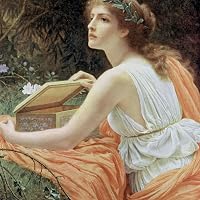
The illustrations are amazing (but unfortunately uncredited) and the text transparently graceful & straightforward. Nothing original/revised/fractured, except the note that explains why there's an author credit, explaining that this was originally written in the mid 16th century, collected in The (Facetious ?)Nights of Straparola.
It's time to pass this little gem on. I do wish I could find more by the illustrator, somehow, though.
It's time to pass this little gem on. I do wish I could find more by the illustrator, somehow, though.

May 30, 2011
Beauty meets the Wild Things. Beast reminds me very much of Sendak's monsters. I've been trying to place the textiles depicted- maybe Finnish? Fairly bland retelling but I was impressed by the natural elements in the illustrations by an uncredited artist: loads of ferns, leaves, berries, cones. But why do the men all have "hedgehog" hair?? (added to collection mid 1990s)
Displaying 1 - 4 of 4 reviews