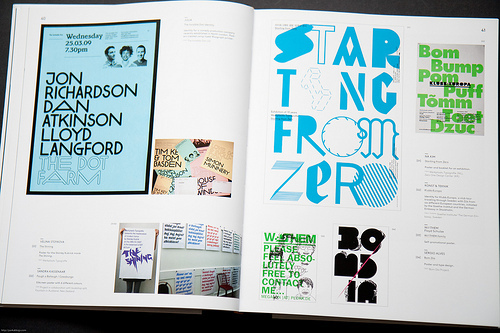
Graphic design is in constant flux. In recent years, the digitalisation of media and the return of materials and personal identity have strongly influenced the development of graphic design and its adjoining disciplines. This evolution has prompted designers to define new rules and aesthetics paving the way for future media. Regular documents the current state of graphic design and presents a new generation of creative excellence. The book features examples of progressive manifestations in the printed form from poster design, book and magazine editorial design to typography. This expansive volume provides an in depth look at the state-of-the-art of contemporary graphic design.
Robert Klanten has been a key figure in the global creative industry for more than a quarter of a century, helping to reimagine the way we approach publishing. He has driven over 800 publications and commercial projects. Robert is the CEO of gestalten, the company he founded in 1995. Under his leadership, gestalten has established itself as a pillar in the field of contemporary visual culture, design and architecture, by immersing its readers in creative landscapes, cultures, people and art. gestalten regularly collaborates with the biggest names in the creative world and is known and loved by millions around the globe for its iconic books. He has shown how creativity has no limits in the digital age: through inspiration, inclusivity and promoting understanding; and by connecting the global and the local through storytelling.
There's probably nothing regular about the designs featured in this book.
The bulk of them are highly experimental, extremely experimental if I must say, constantly challenging you to remember the design principles.
The variety of work featured is incredible. These aren't designs that are geared towards editorial design -- neat alignments and good use of white space. There seems to be no rules holding back the creativity of these artists. So while everything might seem fresh, I can't really pick out any particular strong piece.
What stands out is really the typography, amidst the different sections like poster, geometry, editorial design, spatial. There's an insane amount of usage of typography, ranging from the specially chosen fonts to handcrafted ones to highly manipulated ones.
The amazing diversity of work makes this book a good one for ideas and inspiration.