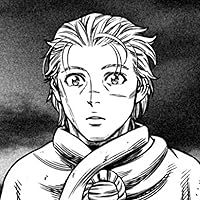
Aya Kōda (幸田 文 Kōda Aya, September 1, 1904 - October 31, 1990) was a Japanese essayist and novelist. She was the second daughter of Meiji period novelist Kōda Rohan. Her daughter Tama Aoki and granddaughter Nao Aoki were also writers.
Kōda was born in Tokyo. At the age of five, she lost her mother, and later her younger sister and brother. She studied at the Tokyo Women's School (Joshigakuin). She married at age 24, but divorced after 10 years and returned with her daughter, Tama, to live with her father. During World War II, she helped secure her father's job as described in Tama Aoki's Koishikawa no Ie (小石川の家, The house in Koishikawa). Her first works, written when she was 43, were memoirs of life with her father; they include Chichi (父, My Father) and Konna koto (こんなこと, Such an affair). Seen as the writings of a dutiful daughter, they achieved critical success.
Her subsequent short stories, novels, and essays explored women's lives, family, and traditional culture. They include the 1955 novel Nagareru (Flowing), which was made into a popular movie, as well as essays such as Kakera (Fragments) and Mono Iwanu Issho no Tomo (A Friend for Life), and short stories including Hina (Dolls for a Special Day) and Kunsho (The Medal). She received the Yomiuri Prize for Kuroi suso.
Trees in Japan are cherished and venerated like nowhere else I have ever seen. They are taken care of with incredible respect and attention, and their spirit is appreciated deeply. And I’m not talking only about famous trees, to which people pilgrimage on their own or in groups on trips organised by travel agencies. I’m talking also about ordinary, neighbourhood trees in cities, towns and rural areas.
Aya Kōda, in her wonderful book “Drzewa” (“木”, “Tree”) talks about her relationship with trees, travelling all over Japan to see particular ones - ezomatsu in Hokkaido, Jōmonosugi on Yakushima (UNESCO World Heritage Site), trees covered by volcanic ash on Sakurajima and many others - but also reflects on certain anecdotes related to trees from her childhood and weaving stories as her imagination allows, e.g. comparing bark patterns to kimono patterns. Her texts are called essays but they are in fact zuihitsu, the Japanese genre meaning “following the brush”, which is a loose, spontaneous form of prose, combining personal thoughts, observations, memories and anecdotes. Neither English nor Polish language has a name for this genre, though there are writers who do write in this style outside of Japan.
I was moved by Kōda’s sensitivity and gentleness, with which she approached trees she saw and interactions with other people. Her health and mobility problems were at times an impediment to travelling, however she could always rely on support of others, which she truly appreciated. I personally paid closer attention to the effect of rokkon-shōjō (the Buddhist and Shintō practice of purifying six senses of perception) has on us when we attune to nature.
This is a beautiful book and many thoughts will stay with me for a long time.
"Cada vez que experimento esa tristeza me percato de que mi manera de ver los árboles ha cambiado bastante desde que, hace unos años, empecé a visitar los bosques en busca de las emociones que el contacto con aquellos me procuraba.”
También mi relación con los árboles ha cambiado con los años. Ya no los veo solo como parte del paisaje, sino como algo en lo que hay que detenerse. En gran medida, ese cambio se lo debo a la literatura. Los libros me han llevado a fijarme en detalles a los que antes no prestaba atención y a entender que un bosque puede transmitir mucho más de lo que parece a simple vista, pero sobre todo, que un árbol solitario me está diciendo todo sobre el entorno en el que vive. La literatura ha hecho que mire los árboles con más curiosidad y que valore de otra manera el tiempo que paso entre ellos.
Si tuviera que ordenar una pequeña serie de lecturas sobre los árboles, empezaría con el relato de Can Xue, Confesiones de un sauce, seguiría con Árbol de Aya Kōda y la culminaría con El clamor de los bosques de Richard Powers. No porque una obra sea mejor que otra, sino porque juntas trazan un recorrido. Can Xue abre la puerta desde el misterio: el árbol aparece como una presencia extraña, casi inasible, que obliga a sumergirse en el árbol poco a poco y cambiar nuestra concepción como si de un igual se tratara. Aya Kōda da el siguiente paso: el árbol deja de ser un enigma para convertirse en un compañero de contemplación, un ser cuya existencia revela una forma distinta de narrar el tiempo y el mundo, y se puede decir que el sauce de Can Xue podría ser perfectamente uno de los protagonistas de cualquiera de los capítulos del libro de Aya Koda. Finalmente, Powers amplía la perspectiva hasta el bosque entero, mostrando una red de relaciones que incluye a los árboles, pero también a los seres humanos y a la vida en su conjunto.
Leídas en ese orden, las tres obras parecen dialogar entre sí y proponen una misma intuición: los árboles constituyen un territorio intermedio entre el ser humano y la naturaleza. Son la puerta de entrada a una comprensión menos antropocéntrica del mundo, el eslabón desde el que empezamos a percibir que no estamos frente a la naturaleza, sino dentro de ella.
“Como había tocado el árbol llevada por la emoción, la sensación del contacto permanecía en mis manos y me notaba afectada."
La fuerza de Árbol reside precisamente en esa renuncia a la grandilocuencia. Kōda no construye una teoría sobre la naturaleza ni una ficción alrededor de ella. Sus ensayos nacen de la experiencia directa: de caminar entre árboles, de observar el árbol caído, de reflexionar sobre un bosque situado junto a un desprendimiento de tierras, de conversar con jardineros, carpinteros o leñadores y de encontrarse con la evidencia de que un bosque se ha sostenido durante siglos combatiendo los embates de la naturaleza. Poco a poco, el libro enseña que mirar un árbol con verdadero detenimiento también puede cambiar nuestra forma de entender el mundo. Kōda nos enseña a permanecer en ese umbral, a observar sin prisas y a descubrir que la contemplación es también una forma de conocimiento.
Árbol es un libro sereno y profundamente contemplativo en el que Aya Kōda convierte a los árboles en una puerta de entrada a la memoria, el paso del tiempo, el trabajo artesanal y la relación entre los seres humanos y la naturaleza. Más que un ensayo sobre botánica, es una colección de textos en los que invita a reflexionar sobre lo que representa el hecho de que algunos de los árboles que pueblan Japón tengan varios siglos de vida, así que se puede decir que uno de los de los mayores logros de Kōda es su capacidad para transformar lo cotidiano en algo extraordinario. Un cedro centenario, un bosque o el oficio de un leñador o carpintero se convierten en el punto de partida para explorar cuestiones universales como la fragilidad de la vida, la belleza de la imperfección y el valor de la tradición. Su mirada es atenta y respetuosa: los árboles nunca aparecen como un simple paisaje, sino como seres vivos con una historia y una presencia propias.
“Cuando vivía en Nara, los hermanos Nishioka, que eran maestros carpinteros, me contaban muchas cosas que me hacían feliz, y cada vez que tenían ocasión me decían que los árboles viven, lo cual no dejaba de impresionarme. Ellos decían que el árbol plantado tiene un modo de vivir y la madera otro.”
Hay otro aspecto del libro que me ha fascinado especialmente: los capítulos dedicados a la madera. Nunca me había detenido a pensar que la madera pudiera ser la segunda vida de los árboles. Kōda recoge una idea que le transmitieron unos maestros carpinteros de Nara y que resulta tan sencilla como reveladora: el árbol vivo tiene una forma de existir, pero la madera tiene otra. Desde ese momento, un mueble, una viga o una columna dejan de ser un material inerte para convertirse en la prolongación de una vida que continúa bajo otra forma. Es una de esas intuiciones que transforman la mirada y que explican muy bien la sensibilidad de este libro: los árboles no terminan cuando son talados, sino que siguen acompañando la existencia humana, conservando, de algún modo, la memoria de aquello que fueron.
“Pero me provoca una profunda tristeza que no aprecien el árbol vivo, erguido, con las ramas y las hojas. Si reconocen un árbol como representativo del país por su valor material, ¿por qué no se interesan por el árbol vivo antes de que se convierta en madera? ¿Por qué no intentan apreciar su belleza y por qué no acogen en su corazón el hálito del árbol?"
Na het lezen van haar levendige, heerlijke roman Stromen over een geisha-huis in verval, keek ik uit naar deze vertaalde essays van Aya Kōda. Bomen hebben zich al vaker ontpopt tot boeiend onderwerp van zowel fictie als non-fictie, dus ik was benieuwd naar wat deze Japanse ontdekking ermee zou doen.
En ja, ze schrijft vanuit heel persoonlijke, soms beeldende, dan weer emotionele en vaak ervaringsgericht onderzoekende perspectieven over een aantal bijzondere en gewone Japanse boomsoorten. En ja, je raakt geïnteresseerd en geïntrigeerd door de beschreven exemplaren, je gaat ze online opzoeken om ze te ontdekken en te bewonderen. En ja, ze doet dat op een eigenzinnige literaire wijze. En toch vond ik het moeilijk om erin te komen en er door geboeid te blijven.
Een aantal zaken en beelden zullen me wel bijblijven, zoals wat as van vulkanen kan aanrichten met bomen en hoe ragfijne bloesemtakken contrasteren met de ruwe, gespleten schors van de stammen waarop ze geënt werden. En verder een aantal weetjes over hout, dat als tweede leven van de boom wordt gezien door houtbewerkers.
Hout als bouwmateriaal heeft in de Japanse ambachten een belangrijke economische waarde die uiteraard samenhangt met de juiste kwaliteit van de verschillende boomsoorten. Het hout zelf 'leeft' ook, waardoor er ook over 'dood hout' wordt gesproken en dat is uiteraard iets wat Aya Kōda stof tot nadenken biedt. Want haar essays over bomen gaan ook altijd een beetje over ons. Maar toch had ik hier iets meer van verwacht.
An essays collection about trees, nature and life told through the writer who is passionate about trees and how it lives. A heartfelt, poignant narratives by Aya Koda on trees, flowers and natures in these reminiscences of trees she encountered throughout her life as she was raised by a father who taught her to care for trees and plants, planting the seeds of love and affection for this living being. The collection spoke on the trees from the beginning of its buds shooting, young leaves growing, the trees grow to become sturdier and stronger as time passes to trees that withered and died of old age, on the flowers blossom to mark new beginning or new season, of the younglings started as seedlings so called infants to the wood said to be living woods and dead woods, marked by their own growth and lifespan to the people in various fields related to trees she met in her adventure of looking around for unique trees.
Aya Koda reminisce about her times surrounded by trees steeped in memories, knowledge and people she met from trees experts, the forest guide, carpenters, researchers and many more who is willing to share their life and philosophies on trees as part of their passion. Its mesmerizing to read and so many new things to be learned. The aspects of life and the cycle of life told through the trees related to human was one of the things i adore the most here. Just like trees that grows old, we human too grow older with time. The isolation of one tree growing in difficult time or harsh condition, despite facing many adversity but still standing strong is the same as us human who went through difficulties in life yet we are still moving and living. The way Aya Koda viewed her life through these trees grounded in reality and her empathy made me feel sorrowful and sadness alongside her. A wonderful collection of essays and a thoughtful conversations on the living being called tree whom standing strong surrounding us just like how we human did. We live together in harmony with natures and trees complementing each other as we marched forward in time
An observations, musings of a person who is enamored with the beauty of trees, resonated deeply with the majestic trees as she recounts her love for them throughout these pages and appreciation of Sugi, Hinoki cypress, cherry blossoms, ezo spruce, maple trees as she scoured throughout Japan countryside for them. Trees hold the mirror to our generations with each stories of their own just like us human and their growth and voices echoes across time and space, rooted in the ground and earth.
Thank you Penguin Classic and Netgalley for the e-arc
“Trees go through life without saying a word. They say nothing, even if the path of their life is curved. It's wonderful, I thought, and sad.” . I sometimes get the impression trees in a city are observers; they silently observe as the city hustles and bustles around them, usually living unnoticed, only to be cut down should they get in the way of our needs. I am guilty myself of not paying enough attention to the trees around me, their bark, their flowers, their leaves and their roots. . Koda writes in such a beautifully melancholic way about the trees, the flowers and those that work with the trees. It is clear to see and feel her passion for trees and the beauty of these plants. I don’t think I have ever read descriptions of trees in such an imaginative way. I especially liked her comparison of tree bark with kimono fabric and patterns, since kimonos often imbue a certain vibe to the wearer and the occasion. It does humanize trees, and if humanizing is what it takes for us to truly respect them, then so be it. . It is also melancholic because we share in Koda looking back on her life and her early childhood. You also get the sense that, as Koda muses over the life of trees, she is also doing the same for her own life. She tells us of her struggles to walk and hold on to information, but she wears it lightly. This could be the ingredients for a heavily twee book, but Koda writes with such lightness that you feel as if you were a dear friend. .
This made me want to go out immediately to look at the trees that surround my home. The local council have made a great attempt to beautify the street. Tokyo, in general, as in most cities, needs more trees, but in this small street in a small part of suburban Tokyo, trees are a constant feature. The street outside my home is planted with dogwoods (Cornus kousa) in soldierly precision. Every year they mark the season, whether it’s in autumn with the deep burgundy leaves, or the spring with their creamy white flowers against the vibrant green of new leaves, to the languid deep green of high summer. They don’t have the crowd appeal of the cherry blossom, but when noticed, they are rather beautiful. What I also liked about Koda’s description of trees was the juxtaposition of bark, that in some trees can be rather ugly, cherry blossom, for instance, but the flowers are gloriously beautiful. . Apparently this book was highly referenced in the film “Perfect Days” by Wim Wenders. I haven’t seen it, but it is on my to-watch list. With thanks to Penguin Books and NetGalley for the advanced copy.
bardzo lubię poznawać historie ludzi bezgranicznie pochłoniętych swoją miłością do natury. zbiór esejów japońskiej pisarki przepełnia spokój.
autorka z uważnością przygląda się roślinom podczas wędrówek po japońskich lasach i miastach, rozmawiając z podobnymi do siebie miłośnikami przyrody. o jej obserwacjach i przemyśleniach czytało mi się z przyjemnością, a niekiedy nawet z jakąś dozą smutku.
Aya Kôda continúa la tradición japonesa del género zuihitsu ("al fluir del pincel") y mezcla botánica, viajes y memorias en estos textos donde la búsqueda de distintas especies de árboles lleva a la autora a varios aprendizajes vitales y profundas reflexiones sobre hacerse mayor.
I loved reading this book. Essays about Japanese trees, many ancient (like thousands of years) and the authors interest in trees throughout her life. An elderly woman visiting different trees and locations, describing landscape and usage - all fascinating. The trees are individuals, she writes of meeting them and regarded with reverence. Some of the oldest trees are named - Jomon sugi, a cedar that may be as old as 7000yrs, or Jindai-zakura, an ancient cherry blossom, jindai meaning ‘age of the gods’. I only wish the book had photos, I did a lot of googling! eg. the yakusugi (cedars at least 1000yrs) they are quite beautiful.
Insieme di 15 saggi che denotano amore per gli alberi e la natura tutta, gentilezza del vivere, fermezza nella scrittura. Il tono giapponese che sembra neutro ma in realtà abbraccia con attenzione lo scibile e lo traduce in immagini, in posture, in un quieto modo di essere. Asciutto e onesto, leggerlo fa tornare alle atmosfere di Perfect Days di Wenders.
Zasadniczo uważam, że dobrze jest, kiedy widać autora/kę w książce. Tak jest i tym razem, choć tutaj to tylko stymuluje rozczarowanie. Ten zbiór esejów byłby o wiele ciekawszy, gdyby napisał je któryś z leśników, wciąż pojawiających się u Kody w tle.
Książka składa się z dość zachowawczych, żeby nie powiedzieć - płytkich (oj, powiedziałem) esejów autorki na temat drzew. Tło biograficzne, jakie przedstawia (to akurat słusznie) daje nam pewien wgląd w to, co właściwie widzimy: starszą panią z elitarnej japońskiej rodziny (podkreślam tutaj klasę, a nie wiek) która na stare lata hobbystycznie zaczęła zajmować się drzewami - opisywać je, oglądać, zwiedzać itp. W istocie większość z historii sytuuje się na podobnym schemacie: autorka chce obejrzeć jakieś wyjątkowe drzewo -> kontaktuje się z miejscowymi leśnikami/urzednikami/instytucjami -> ci/te organizują dla niej wyprawę, służą fachową radą.
Całość utrzymana jest w bardzo snobistycznym tonie, czego najgorszym przykładem jest posłowie autorstwa Saekiego, który zrównuje dobry styl pisarski z naśladowaniem właściwej etykiety w społecznym byciu. Mówiąc krótko: nie znalazłem w tej książce ani ponadnormatywnej wrażliwości, ani niczego bardziej odkrywczego. Książę tą odbieram jako zapis tego, jak dobrze sytuowana osoba mając "ideę" i hobby związane z drzewami, organizuje wokół swojej działalności "fachowców od drzew", którzy w bardzo eksperckim sznycie poświęcają jej czas, tłumacząc jej, pokazując, oprowadzając, zawożąc a nawet nosząc ją. Pytanie retoryczne brzmi, czy każdy, który wpadłby na pomysł refleksji nad drzewami miałby środki do tego, by zorganizować takie przedsięwzięcia, oraz - przede wszystkim - żeby napisać z tego książkę i wydać ją z takim sukcesem?
Wracając do początku - jestem przekonany, że zwykły japonski (ale i każdy inny) leśnik o pewnej elementarnej wrażliwości (nie traktujący lasu jako towaru ani fabryki) zapisując lata swojej pracy na takim stanowisku wyprodukowałby znacząco głębszy i ciekawszy zapis refleksji, wrażliwości i połączenia z drzewami - właśnie z uwagi na to, że w jego przypadku jest to zlane z codziennością. Problem leży w tym miejscu, że gdyby Aia Koda była leśniczką - nigdy by tej książki nie wydała.
A lovely essay collection that serves as an ode to trees. Aya Koda reminisces on her memories of trees, the travels she embarked upon to visit certain trees at certain times of the years, her life as mirrored in trees, human life in general as mirrored in trees. Particularly poignant explorations of time, our relationship with time versus a tree's relationship with time. How time both wears us down and adds to us. How death isn't always the absolute end, there is still something that lingers, a spirit, a memory, an artifact of a life once robustly lived. We can learn so much from trees. They are a great teacher. This book encourages us to actually slow down and listen to what they are saying.
Increíble que los relatos de una mujer anciana (ad)mirando los árboles resulte una lectura tan fresca y llena de aire. No sé realmente cómo calificar este libro, porque no llega a ser un ensayo —su estructura es más descriptiva que analítica— y, de forma intuitiva, e incluso involuntaria, llega a tener destellos poéticos. Si habéis visto “Perfect Days”, de Wim Wenders, os habréis fijado que el protagonista lee varios libros durante la película. Uno es este. Y tiene mucha relación con el ritmo de la vida y las rutinas contemplativas del personaje. Porque “Árbol” es pura contemplación, es la mirada curiosa, a veces cándida, otras aguda, de Aya Kōda sobre estos seres vivos tan complejos y llenos de matices. Majestuosos, caprichosos, especialistas en aprovechar los recursos, muy eficientes cuando operan como sistema colectivo, y, quizás lo más extraordinario, siguen estando vivos y contándonos su historia después de muertos, cuando se transforman en madera. Estas memorias, relatos de viajes y anécdotas vividas por la autora son también testigo de algo muy japonés: un aplomo, un respeto, una reverencia hacia el entorno natural y hacia la actividad humana relacionada con el árbol.
Frases subrayadas para enmarcar:
“Los árboles viven sin decir una sola palabra, y aquel, a pesar de que vivía inclinado, también callaba. Esto me parecía digno de elogio, pero a su vez me dolía.”
“La belleza de los arces que crecían en ese terreno peligroso era excepcional. Me acompañaba un experto que conocía bien aquella peligrosidad, pero de haber estado yo sola, mi inocencia habría hecho que me fijara únicamente en la belleza del paisaje. Llegué a la conclusión de que los árboles tienen la capacidad de engañarnos.”
“Quienes pueden mantener una buena relación con los árboles son siempre, sin excepción, personas amables.”
Have you ever looked at a tree and wondered how many stories it has witnessed? 𝘛𝘳𝘦𝘦 by Aya Koda made me see trees in a slightly different way.
I was surprised by how vivid this book felt. While reading these essays, I almost felt as if I was walking among the trees myself, touching their bark, seeing their shapes, and breathing in the landscapes surrounding them. Aya Koda’s writing creates such a strong sense of place that the forests and natural spaces of Japan feel incredibly close and alive.
These essays are beautifully written, filled with respect, fascination, and a deep appreciation for Japan’s trees and nature. You can feel the author’s curiosity and connection with the natural world on every page. There is something very gentle, peaceful, and inspiring about the way she explores the relationship between people and trees.
If you love nature or have an interest in Japan, this is a wonderful book to read. It allows you to experience the quiet strength and presence of trees, and to understand Japan through its landscapes. Some of these trees have stood for hundreds of years, witnessing not only the history of the country but also countless generations who have lived alongside them.
I have always loved Japan and its natural beauty, which is one of the reasons I was drawn to this book. I even have a little Japanese-inspired corner in my garden with some of the trees mentioned in the book, along with others that are not included. Because of this personal connection, I knew I would enjoy it, but I was still surprised by how much I learned. It was fascinating to discover more about Japan through its trees and the stories connected to them.
One thing that especially caught my attention was discovering the incredible variety of trees in Japan. I was particularly fascinated by the different types of pine trees and how unique each one can be, but the book also introduced me to many other species and the stories connected to them.
This book reminded me that trees are not simply part of a landscape; they hold memories, history, and a sense of place. A beautiful, calming read for anyone who wants to spend some time among the trees of Japan.
Told a former colleague, a veteran reader painstakingly making his way through the 1000 books to read before one dies, what I was reading (and I had to explain it to him a bit), and he said "Oh, I see. Well, no, thank you, I've already read one "tree book" ".
Now. This is most definitely a "tree book", in any possible sense. It's exquisitely focused on trees and whatever little association of ideas they may cause on the elderly narrating voice.
It's also shamelessly amatorial in the way it describes them, and probably as incomprehensible to a botanist as it is to us - as Aya Koda's sensitive, tender feelings for trees and plants alike are irredeemably personal, bittersweetly unique.
However, I already look back to this little collection of sketches and anecdotes with some affection. These brief stories, part reality and part speculation, of lonely trees, now left on their own among rice fields, now venerated like divinities atop peaky islands, have a certain charm to them.
And along with them, the author's brief considerations about her family, and the people she met in her trips, always slightly impersonal in style, but absolutely personal in the way she perceived them.
Some vistas are now etched in my memory and I'd like to think I'll look at trees differently, sometimes, from now on, and perhaps develop my own opinion about and feelings for them.
Quello che più mi ha colpito della scrittura di Kōda Aya è lo sconcerto che precede la fascinazione in ogni suo incontro con gli alberi. Per quanto evidente la profonda devozione, spesso evoluta in vera e proprio commozione, che caratterizza il rapporto dell’autrice con le creature arboree, non riesce a fare meno di provare, in primo luogo, una certa inquietudine al cospetto di foglie, rami, tronchi e radici. Mi verrebbe da dire che è forse una paura che scaturisce dal riconoscimento di una particolare affinità fra umano e pianta, che però la scrittrice non sa spiegarsi appieno.
Certamente può dirsi una sensazione molto prossima al senso di sgomento tipico del sublime Romantico e di cui quindi già sappiamo molto. Tuttavia, al contrario di quel Romanticismo, in Kōda Aya questo sentimento non si concretizza nella magnitudine del tuono e della tempesta, ma anzi rimane confinato a una mondana, quasi banale, vaga irrequietezza interiore.
Quella stessa vaghezza di sentimenti, al contrario della spasmodica sovrabbondanza descrittiva di molta nature writing, giustifica ed eleva una certa corrispondente vaghezza linguistica. Per l’autrice il semplice “che bello” non è un commento sciocco, ma un tentativo coraggioso di stampare una sensazione forte che la vista di un albero ci muove e che pure la nostra “ristretta gamma di risposte emotive” (p. 59) non ci consente di verbalizzare o organizzare meglio di così. Le “parole un po’… infantili” sono spesso in realtà anche “le parole giuste” (p. 81).
Kōda Aya, quindi, accetta l’attrazione verso le piante anche quando non la capisce e riesce a descrivere appieno. Tant’è che, nonostante le suo numerose conversazioni con l’amico botanico e le guardie forestali, riconosce che non è “granché interessata agli argomenti scientifici”, né ha “certo la capacità di afferrarne la complessità” (p. 127). Come già detto, ciò non le impedisce di vivere l’amore per gli alberi in una forma essenzialmente intima e domestica. L’autrice esercita tale amore in una serie costante e paziente di incontri e rincontri: così come cucina, vestiti e casa, che “non si comprendono davvero se non dopo averli attraversati per un anno intero” (p. 30), così i suoi alberi vanno “osservati almeno quattro volte, una per ogni stagione”.
Wyobraźcie sobie opis przyrody ze wstawkami opisu emocji… Tak naprawdę nie musicie - wystarczy przeczytać „Drzewa” Aya Kōdy. Są zawarte w tej książce ciekawe przemyślenia na temat przyrody, t.j. nazywanie drewna „drewnem drzew, które umarły”, aby odróżnić ścięte od powalonych pni. Jednak takie nieliczne fragmenty to niewystarczający element, aby utrzymać moje zainteresowanie.
Nie jest to tragiczna lektura, lecz niemiłosiernie nudna. Możliwe, że mój zawód wynika z początkowego nastawienia na literaturę piękną z fabułą, a nie na kartki z dziennika fascynatki przyrody okraszonych jej odczuciami. A jeśli chodzi o sam styl pisania… prosty, niewciągający - winię za to tłumaczenie, jeśli nie jestem zapoznana z oryginałem.
Myślę, że ta książka przypadnie do gustu osobom, którym było mało rozdziałów z perspektywy Orly’ego w „Dzikim, mrocznym brzegu”.
Eseje wspaniale uwrażliwają na przyrodę (koniecznie chociaż chwilę poczytać w plenerze), są powolne i jednocześnie wartkie, zmieniające optykę spostrzeżeniami. Myśli krążą wokół drzew, a za chwilę już nie są tylko o nich. Moje ulubione to chyba to, że nie można o drzewie (niczym) się wypowiedzieć z pełnym przekonaniem, jeśli nie obserwowało się go przez pełen rok.
Mooi boek over bomen/Japan. Eigenlijk vooral gelezen vanwege de film Perfect Days waarin de hoofdrolspeler dit boek leest en fan is van schrijfster. Beetje zelfde sfeer als in film. Echter, waar de hoofdrolspeler in de film met verwondering en een blik van bewondering naar de stad kijkt, kijkt de schrijfster met verwondering en bewondering naar bomen, de natuur en de Japanse cultuur..