1, 1, 2, 3, 5, 8, 13, 21, 34. . . Look carefully. Do you see the pattern? Each number above is the sum of the two numbers before it. Though most of us are unfamiliar with it, this numerical series, called the Fibonacci sequence, is part of a code that can be found everywhere in nature. Count the petals on a flower or the peas in a peapod. The numbers are all part of the Fibonacci sequence. In Wild Fibonacci, readers will discover this mysterious code in a special shape called an equiangular spiral. Why so special? It mysteriously appears in the natural a sundial shell curves to fit the spiral. So does a parrot's beak. . . a hawk's talon. . . a ram's horn. . . even our own human teeth! Joy Hulme provides a clear and accessible introduction to the Fibonacci sequence and its presence in the animal world.
Everyone needs a dose of Children’s non-fiction on occasion. 112358132134 Well told tale of animals and their body parts (teeth, tusks, talons) that fit this perfect order. The pictures were pleasing to the eye!
Talk about a whole NEW way of seeing what’s right in front of me….
It’s a big reason why I adore kids books with illustrations.
Helpful intro describing Leonardo da Pisa, aka Fibonacci, who recognized this mysterious mathematical pattern around 1202: the sequence result of adding the two preceding numbers together.
They create an “equiangular spiral” made of squares to form a continuous curve, never becoming straight.
This kids book finally made this make sense, especially with the Golden Rectangle connection: to find the measurement of the long side, multiply the short side by 1.62, aka the Golden Ratio. One for fun: the author intentionally had the book, when opened, designed to this proportion.
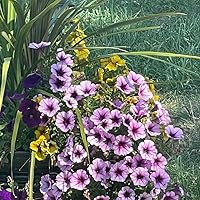
It’s amazing how the Fibonacci sequence displays the patterns found in nature: leaves, flower petal blooms, and even the bracts (new vocab word-of-the-day today for me) found in palm trees, pineapples, pinecones with their spirals in two different directions.
And this sequence reveals more about the How and Why of visually stunning art and architecture, with their appealing, balanced proportions, when using the Golden Ratio or Golden Rectangle.
Illustrations are lush in color, pattern, texture. The two page spread showcasing the spiral in various colors with the numbers was helpful, too.
Highly recommended for math, science, art, architecture and design people from newbies to the pros. Or for those who want to delve a bit into a beautiful, magical mystery.
Very interesting connection of Fibonacci sequence to animals. The pattern is clearly presented and illustrated with engaging illustrations. The math to the side of each example reinforces the application. It's lovely and a fit ferocious in a good way. I'll share this with students to show the art & math connections and I'll expect some to seek out additional examples.
The Fibonacci sequence explained in two pages in a way that actually helps one remember how nature exhibits the sequence, followed by beautifully illustrated examples with delightful poems about each animal.
Get your littles interested in math with field trips using this book as a starting point.
The book did not explain the Fibonacci sequence well. It showed the number of animals as the Fibonacci sequence when it should have shown how it curves to fit the golden ratio. BORING!
Understanding the Fibonacci sequence and spiral is challenging. Mathematically, adding the last two numbers to get the next one in the sequence is easy, but the concept really makes you stop and think.
I like this book because they put the back matter at the beginning, I guess you would call it front matter. There's a lot of information packed in a picture book.
I also appreciate that Joy took took the sequence up to 89 which gives a good sense that it can go on forever.
I found this book disappointing. The ways the Fibonacci sequence is found in nature is such an interesting topic. The introduction explains the Fibonacci sequence and some of the places to find it in nature. The rest of the book doesn't mention the sequence at all. It just shows animals that have a body part that follows the sequence, having only mentioned this in the introduction. It doesn't even say what the body parts are anywhere other than in the introduction. The focus is primarily on the spiral. Some of the more interesting things that follow the sequence are left out of the book entirely.
Ok, I don't exactly understand the application of the Fibonaci number theory as it applies to the curve found in animals. It is easy to understand the basic number theory, but someone will after to show me more detail about the curves. The illustrations are beautiful and anyone could enjoy them for their beauty.
My 5-year-old totally surprised me and read all the equations in the sidebar of each page. She was more excited by the equations than the animals. I, however, loved the beautifully and realistically illustrated animals.
I read this book when it first came out and read it again when I was goign through my shelves. A beautifully illustrated introduction to the Fibonacci concept for young readers.
A book on Fibonacci that actual makes sense! Beautiful animal illustrations to count along the Fibonacci way and understand the patterns he found in nature.