"Mity słowiańskie same do mitu raczej należą, skoro pewne o nich wiadomości, to jest ani urojone, ani powtarzane tylko, na stronicy druku się zmieszczą. O kultach słowiańskich, to jest o świątyniach i kapłanach, o posągach i obrzędach, o ofiarach i wieszczbach wiemy nierównie więcej i lepiej; ba, gdy po mitach głucho od wieków zupełnie, z kultów do dziś tu i owdzie niejedno ocalało, szczególnie na Rusi i na Bałkanie, np. w kulcie przodków (zadusznym). Im mniej o mitach wiemy, tym bujniej rozrosła się umiejętność o nich, mitologia; niestety, koło, jakie ona dotąd zatacza, zupełnie błędne. Brak bowiem istotnych wiadomości zastąpiły mrzonki i rojenia. Tak zmyślili kronikarze miejscowi niemieccy w XV i następnych wiekach, gdy wszelki ślad po mitach zaginął, cały Olimp słowiański i poopisywali nawet szczegółowo posągi bóstw, co nigdy w istocie nie istniały. Tak samo postępowali u nas Długosz i Miechowczyk, a w Prusach autorowie agendy pruskiej kościelnej z r. 1530. Nie mając najlżejszego wyobrażenia o mitach polskich, których w wieku XV i śladu nie było, albo pruskich, z których w XVI niewiele więcej ocalało, ośmielili się zmyślić cały Olimp polski i pruski, a inni im ślepo uwierzyli. Obok niej staje godnie, bo również utrudnia dotarcie do prawdy, w drugiej połowie XIX wieku rozpanoszona zasada, odmawiająca bóstwom słowiańskim, na Rusi czy na Pomorzu zaodrzańskiem zaświadczonym, rodzimości, wywodząca je często z obcych stron i wpływów, ba, nawet ze wzajemnych na siebie oddziaływań, chociaż o niczym podobnym dzieje nie wiedzą, ani o owych wpływach irańskich i innych, ani o oddziaływaniach np. Słowian pomorskich na ruskich. Tym sposobem, to niewiele, co o mitach słowiańskich istotnego wiemy, topnieje..." Ze wstępu
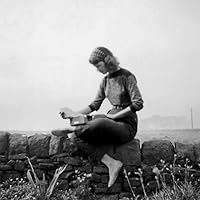
Aleksander Brückner (29 January 1856 – 24 May 1939) was a Polish scholar of Slavic languages and literatures (Slavistics), philologist, lexicographer and historian of literature. He is among the most notable Slavicists of the late 19th and early 20th centuries, and the first to prepare complete monographs on the history of Polish language and culture. He published more than 1,500 titles and discovered the Holy Cross Sermons.
dnf; ja wiem że to praca naukowa z wczesnego XX wieku, ale czyta się ją naprawdę okropnie. wstęp jeszcze da się przeżyć, też myślę że warto go przeczytać, bo obnaża czym "mitologia słowiańska" jest, a także przede wszystkim czym nie jest. reszta rozdziałów jest jednak zupełnie niezrozumiała. może kiedyś do tego wrócę, ale za radą przyjaciela najpierw przeczytam Gieysztora, który w sumie też z Brückera czerpie, ale ponoć o wiele łatwiej się go czyta.
I will keep this one short, more like a few explanatory notes on the baffling ratings here instead of a proper review, as it is simply unfair to see (at the time of writing) an average of just 2,71 stars out of 5 for such a pivotal work.
Aleksander Brückner (1856-1939) was a Polish scholar who, to this day, remains one of the foremost voices in Slavonic studies. His contributions to the field cannot be overstated. If you have read anything about the pre-Christian native faith of the Slavs, there’s a good chance that Brückner wrote about it decades (or a whole century) before whatever source in which you found that information mentioned was even published. His 1918 work Mitologia słowiańska (Slavic Mythology) is an excellent example of his often witty yet rigorously scientific and no-nonsense approach to the subject matter. Even though it was first published 107 years before me writing this review, Mitologia słowiańska remains mostly up-to-date.
In this short though absolutely vital book for the field of Slavistics, Brückner provides a surprisingly extensive analysis of all that we really know about the religion of the early Slavs prior to their Christianisation. He comments not only on the works of other Polish scholars, but also that of historians and linguists from other countries – including those authored by his contemporaries as well as historical texts from hundreds of years before his time. If you have been studying Slavic folklore, especially in the Polish language, then you will likely already be familiar with Brückner’s findings and how many writers have since either cited him or reached the same conclusions.
The problem is that many Poles reach for this book expecting a light read about deities and mythical monsters, some kind of fantastical compendium of fairy tales with a Slavic twist to them. Mitologia słowiańska is the exact opposite of that. It is a scientific work that dispels many of the fanciful falsehoods floating about in the confused mess that makes up the popular understanding of Slavonic folklore. Instead of a novel or collection of short stories with richly descriptive language, Brückner gives us a valuable study of what we can actually deduce about the faiths of our ancestors – debunking many other theories in the process. He focuses primarily on etymology and analyses the shortcomings of numerous sources, including the ancient ones. Moreover, his 1924 Mitologia polska (Polish Mythology) is an excellent continuation of this effort.
If you are no stranger to the polemical way of writing among academics and already know a bit about Slavic linguistics, then you would most likely adore Mitologia słowiańska. It is a truly fascinating and extremely important work for Slavistics. You might also be amused by the wit with which Brückner criticises other scholars. However, if you are completely new to the field or are looking for fantasy inspired by the enigmatic beliefs of the early Slavs, then you best look elsewhere.
Książka, w moim odczuciu, stricte naukowa. Jest w niej spora dawka wiedzy i informacji, które przyczyniły się do późniejszego ich uzupełnienia przez pozostałych autorów ale zdecydowanie nie polecam osobie, która zaczyna swoją przygodę z mitologią słowiańska, gdyż bardzo łatwo byłoby się zrazić. Jeśli ktoś już "siedzi" w temacie to, myślę, że w wolnej chwili można ją przeczytać w celach dodatkowej edukacji.