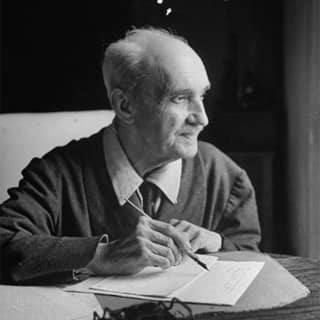
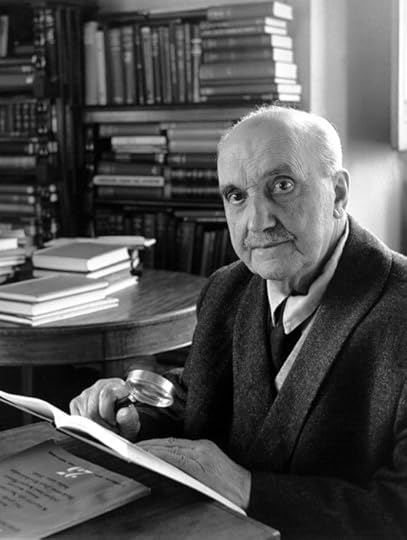
"هذا الكتاب الّذي نقدّمه بين أيديكم اليوم يُعتبَر خلاصة فكر سانتيانا حول الموضوعات الأبرز في فلسفته: المعرفة الإنسانيّة، نظرته إلى المادّة والوجود، العقل في العلم الذي أخذ جزء مهمًّا من كتابه "حياة العقل-The Life of Reason"، والروح والموت. أُلقِيَت هذه المحاضرات في مناسباتٍ عدّة وجُمِعَت ونُشِرَت في هذا الكتاب عام 1933."
Philosopher, poet, literary and cultural critic, George Santayana is a principal figure in Classical American Philosophy. His naturalism and emphasis on creative imagination were harbingers of important intellectual turns on both sides of the Atlantic. He was a naturalist before naturalism grew popular; he appreciated multiple perfections before multiculturalism became an issue; he thought of philosophy as literature before it became a theme in American and European scholarly circles; and he managed to naturalize Platonism, update Aristotle, fight off idealisms, and provide a striking and sensitive account of the spiritual life without being a religious believer. His Hispanic heritage, shaded by his sense of being an outsider in America, captures many qualities of American life missed by insiders, and presents views equal to Tocqueville in quality and importance. Beyond philosophy, only Emerson may match his literary production. As a public figure, he appeared on the front cover of Time (3 February 1936), and his autobiography (Persons and Places, 1944) and only novel (The Last Puritan, 1936) were the best-selling books in the United States as Book-of-the-Month Club selections. The novel was nominated for a Pulitzer Prize, and Edmund Wilson ranked Persons and Places among the few first-rate autobiographies, comparing it favorably to Yeats's memoirs, The Education of Henry Adams, and Proust's Remembrance of Things Past. Remarkably, Santayana achieved this stature in American thought without being an American citizen. He proudly retained his Spanish citizenship throughout his life. Yet, as he readily admitted, it is as an American that his philosophical and literary corpuses are to be judged. Using contemporary classifications, Santayana is the first and foremost Hispanic-American philosopher.
Very insightful and eloquent book. لقد تعرفت إلى سانتيانا بالصدفة، ولكنها صدفة خيرٌ من ألف ميعاد. هذا الكتاب الصغير في حجمه والضخم جدًّا بما يحتويه من أفكار ومعانٍ وبلاغة، أعتبره دون أدنى مبالغة ملخّصًا لعقل سانتيانا ونسقه الفلسفي وربما هو بمثابة عرض تشويقي يحفز كل من يقرؤه على قراءة سانتيانا الذي قال عنه ألفريد وايتهد إنه «ربما من بين فلاسفة القرن العشرين سيكون سانتيانا هو الوحيد الذي ستُعاد قراءته في المستقبل»، وربما لا يمكننا الشعور بتحقق نبوءة ألفرد وايتهد لفقر الترجمات العربية لأعمال فيلسوفنا الشاعر، وإذا وصفناها بالمنعدمة فلن تكون مبالغة على الإطلاق، حيث لم يترجم لجورج سانتيانا غير كتاب واحد فقط وهو «الإحساس بالجمال» على يد د. محمد مصطفى بدوي ومراجعة وتقديم د. زكي نجيب محمود عام 2001.
فصول الكتاب
المقالة الأولى: لوك وحدود الحس المشترك .. (قُرئت الورقة أمام الجمعية الملكية للآداب بمناسبة الذكرى المئوية الثانية لميلاد جون لوك. مع بعض الملاحظات التكميلية). المقالة الثانية: خمسون عامًا من المثالية البريطانية (بعض الأفكار حول إعادة نشر كتاب الدراسات الأخلاقية لبرادلي). المقالة الثالثة: الثورات في العلوم (مقالة تشمل بعض التعليقات على نظرية النسبية والفيزياء الحديثة). المقالة الرابعة: رحلة طويلة إلى النيرفانا (تطوير لطرح فرويد في كتابه ما وراء مبدأ اللذة). المقالة الخامسة: هيبة اللا متناهي (مراجعة لأطروحة جوليان بيندا رسم تخطيطي لنظرية متسقة للعلاقات بين اللّه والعالم).
Thanks to LibriVox.org, I was able to listen to an audio recording of this book on the road between home and campus. Santayana had a rhetorical and stylistic strength in his essays. Although I can't compare Santayana's conclusions with the current state of philosophy, I can say that these essays are likely to be useful and accessible to anyone with an interest in the history of philosophical thought. For example, the first two essays address John Locke. One of my favorite quotations, I discovered, came from Santayana's footnotes in the Locke essays. I had found the quotation attributed to Santayana in another book, but the writer didn't include the source of the quotation. Here's that favorite quotation: "Only literature can describe experience, for the excellent reason that the terms of experience are moral and literary from the beginning. Mind is incorrigibly poetical: not because it is not attentive to material facts and practical exigencies, but because, being intensely attentive to them, it turns them into pleasures and pains, and into many-colored ideas."
Most of it was about Locke and how Locke clashed with Descartes (or was it Spinoza?). Then there was a bit about Eastern influences on the idea of God. Like Borges, Santayana is one of those rare atheists that is willing to walk a mile with religious thoughts.
Locke and the Frontiers of Common Sense Fifty Years of British Idealism Revolutions in Science A Long Way Round to Nirvana The Prestige of the Infinite.
I enjoyed Revolutions in Science the most, but was not especially moved by the collection as a whole. One of Ellen Glasgow's favorite modern philosophers. Max Perkins once sent her a collection of Santayana that she treasured.
"Science, when it is more than the gossip of adventure or of experiment, yields practical assurances couched in symbolic terms, but no ultimate insight: so that the intellectual vacancy of the expert, which I was deriding, is a sort of warrant of his solidity. It is rather when the expert prophesies, when he propounds a new philosophy founded on his latest experiments, that we may justly smile at his system, and wait for the next."
A beautiful testimony of Santayana's philosophical brilliance. His deep understanding of regional boundaries of thought, their historicity and contextual place from tradition makes this -also- a document every student of Philosophy and lay people should read to take a cultivated guess at proper philosophical reading.
The essay on John Locke, considered alone, was jaw dropping in each literary sense I can think of from the top of my head.
I cannot stress enough how this is a must read for people interested in Philosophy with capital P.
Actually listened to an audio version of this, it contains five philosophy essays namely:
Locke and the Frontiers of Common Sense Fifty Years of British Idealism Revolutions in Science A Long Way Round to Nirvana The Prestige of the Infinite.