The Mitras used to be zamindars, feudal landlords in East Bengali but now household funds were dwindling. " The household runs with the money that comes from selling land and gold...the men in the family were not keen on employment or business...I have never considered employment-I can't be a clerk...I can't start a business-that's for shopkeepers".
When Somlata married Fuchu, she was eighteen, he was thirty-two. According to Somlata, "...my parents were so poor that it would be an indulgence to make a fuss about the groom's age or employment status". "Family gold is sacred, family land, too. I've heard it's not right to sell off either of these". Somlata's cloistered life, based on social convention, was about to change. Taking baby steps, she would be the wind beneath her husband's wings, shaping, ever so carefully, her husband and a winning business enterprise.
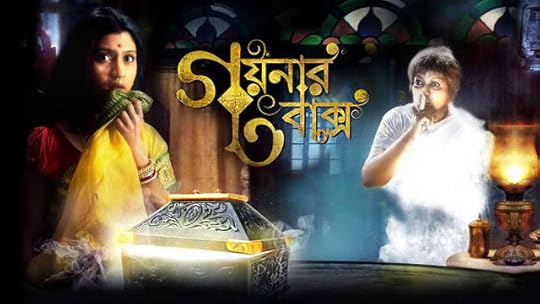
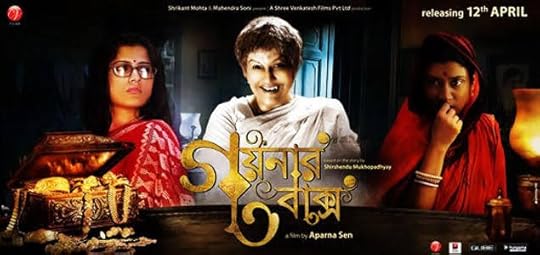
It started with Pishima, the "defacto" head of the family. married at seven, widowed at twelve, she was shut away. She was angry, bitter and full of rage. Passing Pishima's room one day, Somlata froze. Pishima sat still...eyes open...lips unmoving...but "[Somlata] could clearly hear her speak, 'Yes, I'm dead...the wretch is finally gone...take the keys from...my sari...go to the north room...find...a wooden box...hide it in your room...my favorite jewelry...nothing must be touched'."
Where was Pishima's jewelry? Family members discussed its disappearance or possible theft. After all, they had expected to continue to live off the wealth created by Pishima's cache. Not so fast! Pishima might have died, but her ghost lives on. She appears to Somlata, dressed in a white sari, creating chaos and meting out advice...Cooking mutton?...smells divine...It'll be delicious, but you've forgotten the salt. Put plenty...that night everyone said the mutton was excellent, but there was too much salt".
Somlata's daughter, Boshon represented a new generation. "I knew everything was guided by rules. I would have to tear myself away from this freedom, this abandon, this fantasy walk amid nature under an exquisite moon, and return home. Just as I will have to dress up in wedding finery one day and take my place on the bride's seat. I feel I will get by without a man".
With humor and a push back against social convention, the reader meets three generations of Mitra women in "The Aunt Who Wouldn't Die" by Shirshendu Mukhopadhyay. It was a joy to read the positive voices of these women who question the old aristocratic mores which will eventually give way to freedom and encourage forward thinking women.
Thank you HarperCollinsPublishers-Harper Via and Net Galley for the ARC in exchange for an honest review.