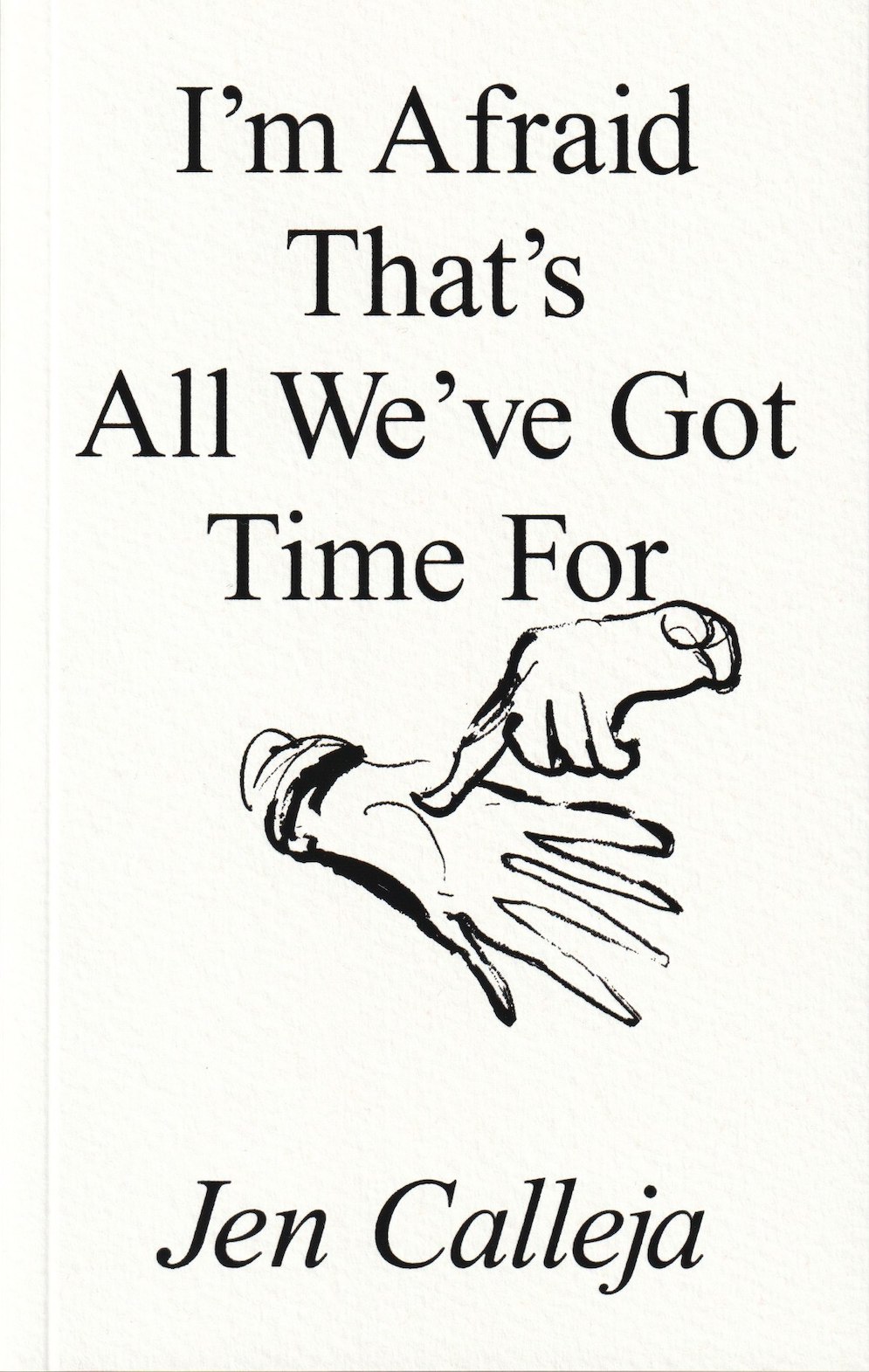
I received this book as part of my Patreon subscription to The Republic of Consciousness. This subscription means that each month I am sent a book from one of the UK’s small, independent publishers. It’s a great way to be introduced to new books and new publishers, although it’s not the cheapest way to buy new books as the subscription costs more than the book normally. It is, however, helping to raise funds for a good cause, so that last bit is not a complaint.
This book is published by Prototype. I didn't recognise the name, but, after being reminded by Paul, I realised I read Fatherhood from the same publisher not too long ago. Their tagline is:
Creating new possibilities in the publishing of fiction and poetry through a flexible, interdisciplinary approach and the production of unique and beautiful books.
And on the back of the book are endorsements from Isabel Waidner, Eley Williams and Sophie Mackintosh. The first two of those authors have produced works that I have really enjoyed.
I think perhaps all of this raised my expectations a bit too high: although many of the stories here are inventive with a slightly sideways take on the world, somehow I didn’t find the spark to make them really take off in my imagination. I am prepared to believe that’s a failing on my part rather than the book’s. That said, Literary Quartet, the second story is a great satire of literary prizes and the literary world that works especially well because it winds up the “normal” reader by making the public vote a derisory award that no one wants to win. And some of the stories are quite surreal: in one a flash flood washes a young girl out of her school and she ends up talking to sheep and dead animals as the water flows around her. I also particularly enjoyed the story Due Process in which an artist murders her sister who is her creative partner and hides the evidence in plain sight.
When talking about themes in the book, that author has said:
I write a story when I feel really strongly about something, and I become fixated on exploring an answer to a question or a worry or fear through fiction. Things like misogyny, xenophobia, class inequality and personal agency feature repeatedly, so they’re all naturally connected in that sense. Power dynamics and hierarchies come up a lot, identity and one’s sense of self versus how others perceive us, but also how all texts are fictions or have the potential to become narratives; the ways we fictionalise ourselves or are made characters in official documents, for instance.
Overall, I did enjoy reading the book. It’s just that it wasn’t, in my reading of it, quite as edgy as I was expecting it to be. As I say, that may well be me not the book.