

What do you think?

Coconut Chaos: Pitcairn, Mutiny and a Seduction at Sea
A personal voyage to obscure Pitcairn Island, with profound modern echoes of the Bounty mutineers who settled there, this story moves from a simple, random event to its complex connections. Its conceptual core is how a small, chance thing—the taking of a coconut by Fletcher Christian from William Bligh's stores on the ship—had dramatic ramifications that continue today. The analogy is with chaos theory in science: how a small variation in conditions can result in dynamic transformations elsewhere. The vivid narrative includes mutiny, travel, biography, incest, murder and rape, science and technology, fantasy, and selective history. Sea voyages, most of them extraordinary, drive the narrative forward, the author's own journey to Pitcairn where Fletcher Christian hid to escape punishment; Bligh's navigation to Timor in violent weather, without maps, in a small boat, with scant supplies and starving men; and the voyage to England with mutineers in chains and their shipwreck. Never a "one thing after another" story, this tale is a metaphorical voyage that leads to the chaos of Pitcairn's unlawfulness today.
284 pages, Paperback
First published April 12, 2007
About the author
Diana Souhami
18 books75 followersDiana Souhami was brought up in London and studied philosophy at Hull University. She worked in the publications department of the BBC before turning to biography. In 1986 she was approached by Pandora Press and received a commission to write a biography of Hannah Gluckstein. Souhami became a full-time writer publishing biographies which mostly explore the most influential and intriguing of 20th century lesbian and gay lives.
She is the author of 12 critically acclaimed nonfiction and biography books, including Selkirk’s Island (winner of the Whitbread Biography Award), The Trials of Radclyffe Hall (winner of the Lambda Literary Award and shortlisted for the James Tait Black Prize for Biography), the bestselling Mrs. Keppel and Her Daughter (winner of the Lambda Literary Award and a New York Times Notable Book of the Year), Gertrude and Alice, and Wild Girls: Paris, Sappho, and Art. She lives in London.
She is the author of 12 critically acclaimed nonfiction and biography books, including Selkirk’s Island (winner of the Whitbread Biography Award), The Trials of Radclyffe Hall (winner of the Lambda Literary Award and shortlisted for the James Tait Black Prize for Biography), the bestselling Mrs. Keppel and Her Daughter (winner of the Lambda Literary Award and a New York Times Notable Book of the Year), Gertrude and Alice, and Wild Girls: Paris, Sappho, and Art. She lives in London.
Ratings & Reviews
Friends & Following
Create a free account to discover what your friends think of this book!
Community Reviews
Displaying 1 - 19 of 19 reviews

October 11, 2020
'Coconut Chaos' is a fascinating book, part travelogue, part historical, part autobiographical and even part fiction; it is an interesting mix but Diana Souhami makes it all gel together seamlessly.
The crux of the story is about the author's trip to the scene of Captain Bligh's South Sea voyage on HMS Bounty and she interweaves the story of the mutiny that took place with her passion to see Pitcairn Island for herself, where the mutineers eventually made their home. And the action, if we can call it that, for it certainly is at times, moves from the historical perspective to the present day very easily. She adds conversation to the historical drama (thus the fiction) as she wanders from location to location, placing Bligh and the mutineers in the respective spots along the way.
She travels in a variety of craft, encounters various degrees of weather along the way and meets up with a rather strange aristocratic lady called Lady Myre. At first the author is wary of this lady but eventually she gets to quite like her to such a degree that they end up sleeping together when beds were at a premium. The author's relationship with Lady Myre is certainly a fascinating one!
The present day people of Pitcairn, all of them related in some way to Fletcher Christian and other mutineers, come across as ordinary folk although underlying the author's visit there is a trial pending for sex crimes on the island. A jail is being built, by some of those likely to be involved in the accusations, to house the prisoners once the trial gets underway. The picture that the author paints of Pitcairn is worth the read on its own for it is difficult to imagine living on such an island, just two square miles in size. And once again there are a variety of different people there.
Back home the author has left behind a beloved girlfriend, who occasionally pops up with an email to some outlandish place where the author has landed, and an aged mother who ends up being put in a home and her possessions all sold.
It is a riveting tale, expertly told, and is one of those books that it is difficult to put down once started.
The crux of the story is about the author's trip to the scene of Captain Bligh's South Sea voyage on HMS Bounty and she interweaves the story of the mutiny that took place with her passion to see Pitcairn Island for herself, where the mutineers eventually made their home. And the action, if we can call it that, for it certainly is at times, moves from the historical perspective to the present day very easily. She adds conversation to the historical drama (thus the fiction) as she wanders from location to location, placing Bligh and the mutineers in the respective spots along the way.
She travels in a variety of craft, encounters various degrees of weather along the way and meets up with a rather strange aristocratic lady called Lady Myre. At first the author is wary of this lady but eventually she gets to quite like her to such a degree that they end up sleeping together when beds were at a premium. The author's relationship with Lady Myre is certainly a fascinating one!
The present day people of Pitcairn, all of them related in some way to Fletcher Christian and other mutineers, come across as ordinary folk although underlying the author's visit there is a trial pending for sex crimes on the island. A jail is being built, by some of those likely to be involved in the accusations, to house the prisoners once the trial gets underway. The picture that the author paints of Pitcairn is worth the read on its own for it is difficult to imagine living on such an island, just two square miles in size. And once again there are a variety of different people there.
Back home the author has left behind a beloved girlfriend, who occasionally pops up with an email to some outlandish place where the author has landed, and an aged mother who ends up being put in a home and her possessions all sold.
It is a riveting tale, expertly told, and is one of those books that it is difficult to put down once started.

November 3, 2019
Diana Souhami is British author, born in 1940. She’s gay and writes mostly biographies of other gay women. She also writes fiction and her book, “Coconut Chaos”, is a vivid combination travelogue and history. It was first published in 2003 and republished in 2014 in eform.
Sometimes when I review a book that’s really out of the mainstream - one way or the other - I suggest the potential reader look at all the previous reviews on Amazon and Goodreads. In the case of “Coconut Chaos”, the book has been reviewed only twice - back in 2008 - and was given one five star review...and one one star review. Both reviewers went into detail about why they loved/loathed the book. I’m going with a four star review here and split the baby, giving a bit more to the pro side.
“Coconut Chaos” is a book that badly needs a reliable narrator, but it doesn’t have one. Author Souhami admits that fact in the book’s afterward. So what can we believe about the stories Souhami writes? Half the book is about the actual Mutiny on the Bounty and the lives afterward of the party that mutinied and made it to Pitcairn Island, where they set up a haphazard colony which exists to this day. She also looks at those sailors who were put off the Bounty and made it back to England. Interspersed among the history is the current day life on Pitcairn Island for the 50-odd residents.
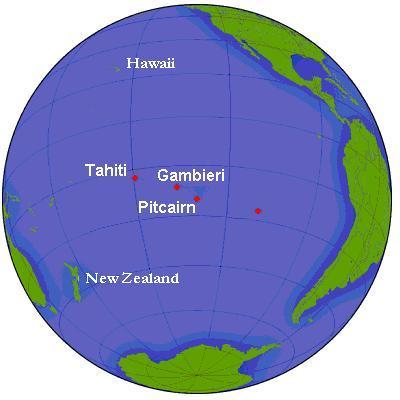
One of the characters in the book about Pitcairn Island is a middle age woman named “Diana Souhami” who is visiting the island to see what it’s like today and to research the actual crime of mutiny. Pitcairn Island is one of the most difficult places to get to in the world. Located somewhere between New Zealand and Tahiti, the island can only accommodate arrivals by ship and only when the weather and sea are decently calm. Souhami does arrive by boat and is joined by a demented British woman named “Lady Meye”, who could be anyone she claims to be on any given day. Souhami introduces many interesting Pitcairnians in her story and ties it around the about-to-begin trial of a few of the few men on the island for sexual abuse. Lots going on on Pitcairn and the reader doesn’t know what’s real...and what is the product of either Diana Souhami or “Diana Souhami’s” mind and imagination.
So, should the reader demand absolute accuracy or just sit back and enjoy the journey? I really enjoyed the book, but then I’m fond of demented and semi-demented Brits. What the book did was leave me was an increased interest in the life of the real Diana Souhami!
Sometimes when I review a book that’s really out of the mainstream - one way or the other - I suggest the potential reader look at all the previous reviews on Amazon and Goodreads. In the case of “Coconut Chaos”, the book has been reviewed only twice - back in 2008 - and was given one five star review...and one one star review. Both reviewers went into detail about why they loved/loathed the book. I’m going with a four star review here and split the baby, giving a bit more to the pro side.
“Coconut Chaos” is a book that badly needs a reliable narrator, but it doesn’t have one. Author Souhami admits that fact in the book’s afterward. So what can we believe about the stories Souhami writes? Half the book is about the actual Mutiny on the Bounty and the lives afterward of the party that mutinied and made it to Pitcairn Island, where they set up a haphazard colony which exists to this day. She also looks at those sailors who were put off the Bounty and made it back to England. Interspersed among the history is the current day life on Pitcairn Island for the 50-odd residents.
One of the characters in the book about Pitcairn Island is a middle age woman named “Diana Souhami” who is visiting the island to see what it’s like today and to research the actual crime of mutiny. Pitcairn Island is one of the most difficult places to get to in the world. Located somewhere between New Zealand and Tahiti, the island can only accommodate arrivals by ship and only when the weather and sea are decently calm. Souhami does arrive by boat and is joined by a demented British woman named “Lady Meye”, who could be anyone she claims to be on any given day. Souhami introduces many interesting Pitcairnians in her story and ties it around the about-to-begin trial of a few of the few men on the island for sexual abuse. Lots going on on Pitcairn and the reader doesn’t know what’s real...and what is the product of either Diana Souhami or “Diana Souhami’s” mind and imagination.
So, should the reader demand absolute accuracy or just sit back and enjoy the journey? I really enjoyed the book, but then I’m fond of demented and semi-demented Brits. What the book did was leave me was an increased interest in the life of the real Diana Souhami!

March 26, 2017
This was strange book. The back cover says non-fiction, and yes there is a non-fiction element.
That is the known history of the mutineers from the Bounty, who ended up colonising the island of Pitcarin in the Pacific. This is the fairly well known story of First Mate Fletcher Christian, who in 1789 seized control and set Captain Bligh adrift with eighteen other men in a launch.
After the remaining crew split up, some remaining in Tahiti, others kidnapped a number of Tahitian women and men, and set off for an uninhabited island to make their own, settling on Pitcairn.
This story is told interspersed with a modern visit to Pitcairn, a place which is not regularly serviced by international transport, only infrequent shipping. At the time of this visit, Pitcairn was preparing for the trial of thirteen men (a third of the male population) on historic sex crimes. The island is divided on the matter, and most are reluctant to discuss it. Most of the population (47 at the time) are descended from the mutineers of the Bounty. Of course, the trail was not until 2004, so there was only discussion about the trial and the charges.
But here is the problem: the narrator of the book is assumed to be the author. The book is sold as non-fiction. In the afterword, the author advises that the story told by the narrator is fictionalised. The author states that she did visit the island, and travel in the method described, but that the character of the narrator is not the author. This also presumably explains the implausible Lady Myre character who accompanied her.
Mixed in along the way are some speculations about the history of the Bounty, hardly supported with any evidence, just sort of thrown out there, and a whole lot of lesbian goings on with the narrator.
For me, it was irritating to have been deceived with a fictionalised account of events, mixed with what was an ok historical summary of Bligh, Christian and the Bounty. The modern travel, even if true, would have offered little but as it is, offered less.
Historical summary: 4 stars
Travelogue: a fake 1 star
Accuracy: an untrustworthy 1 star (referring to "Auckland's Bay of Plenty")
The descriptive journey to get there and away: 3 stars (I hope that part was real)
The information about the trial: 3 stars
Overall, disappointingly, 2.5 stars, rounded down.
That is the known history of the mutineers from the Bounty, who ended up colonising the island of Pitcarin in the Pacific. This is the fairly well known story of First Mate Fletcher Christian, who in 1789 seized control and set Captain Bligh adrift with eighteen other men in a launch.
After the remaining crew split up, some remaining in Tahiti, others kidnapped a number of Tahitian women and men, and set off for an uninhabited island to make their own, settling on Pitcairn.
This story is told interspersed with a modern visit to Pitcairn, a place which is not regularly serviced by international transport, only infrequent shipping. At the time of this visit, Pitcairn was preparing for the trial of thirteen men (a third of the male population) on historic sex crimes. The island is divided on the matter, and most are reluctant to discuss it. Most of the population (47 at the time) are descended from the mutineers of the Bounty. Of course, the trail was not until 2004, so there was only discussion about the trial and the charges.
But here is the problem: the narrator of the book is assumed to be the author. The book is sold as non-fiction. In the afterword, the author advises that the story told by the narrator is fictionalised. The author states that she did visit the island, and travel in the method described, but that the character of the narrator is not the author. This also presumably explains the implausible Lady Myre character who accompanied her.
Mixed in along the way are some speculations about the history of the Bounty, hardly supported with any evidence, just sort of thrown out there, and a whole lot of lesbian goings on with the narrator.
For me, it was irritating to have been deceived with a fictionalised account of events, mixed with what was an ok historical summary of Bligh, Christian and the Bounty. The modern travel, even if true, would have offered little but as it is, offered less.
Historical summary: 4 stars
Travelogue: a fake 1 star
Accuracy: an untrustworthy 1 star (referring to "Auckland's Bay of Plenty")
The descriptive journey to get there and away: 3 stars (I hope that part was real)
The information about the trial: 3 stars
Overall, disappointingly, 2.5 stars, rounded down.

October 5, 2008
I should have been warned when all of the reviews on the back of the book were for Souhami's other book Selkirk's Island, that the book might not live up to its promise.
The material behind this book was absolutely amazing - basically the book is part history of the mutiny on the HMS Bounty, a modern day travelogue of the visit to Pitcairn island (practically impossible to get to), an insight into the life on the island of Pitcairn in the middle of a child abuse scandal (seemingly involving practically every male on the island) and a kind of lesbian book.
So much potential..... but I was a bit disappointed with this book - it was definitely interesting (the comparisons between the original mutineers who were the great great grand parents of the modern day sex offenders was interesting), but the author annoyed me by projecting homosexuality on the historical characters - I suspect as a counter point to the lesbian affair.
Mostly this annoyed me by the fake bits of the story - the author claims at the end some of the travelogue is true and some not... some characters true, some not. Just generally frustrating!
I wish another author had this idea, done the trip and written the book - it was undoubtedly an inspired idea, she met some fantastic characters, but sadly the writing was not brilliantly executed.
Still worth picking up, despite the points I made above - it's not a hard read, I finished it in one evening.
The material behind this book was absolutely amazing - basically the book is part history of the mutiny on the HMS Bounty, a modern day travelogue of the visit to Pitcairn island (practically impossible to get to), an insight into the life on the island of Pitcairn in the middle of a child abuse scandal (seemingly involving practically every male on the island) and a kind of lesbian book.
So much potential..... but I was a bit disappointed with this book - it was definitely interesting (the comparisons between the original mutineers who were the great great grand parents of the modern day sex offenders was interesting), but the author annoyed me by projecting homosexuality on the historical characters - I suspect as a counter point to the lesbian affair.
Mostly this annoyed me by the fake bits of the story - the author claims at the end some of the travelogue is true and some not... some characters true, some not. Just generally frustrating!
I wish another author had this idea, done the trip and written the book - it was undoubtedly an inspired idea, she met some fantastic characters, but sadly the writing was not brilliantly executed.
Still worth picking up, despite the points I made above - it's not a hard read, I finished it in one evening.

March 29, 2013
This is part history, part semi-fictional travel memoir and a breeze to read. The narrative alternates between the true story of the mutiny on HMS Bounty and the history of the Pitcairn Island community, and a fictionalised account of the author's visit to the island. The tone jumps from serious to humourous to introspective and perhaps that was what caught my attention throughout, making it a very quick read.
I wish (a little) that the author had not fictionalised the travel bit, though I don't even know which parts were fiction and which parts real (except for the sex trials going on at the time.) I imagine that some characters might have been intentionally exaggerated or "enhanced" to make the story more interesting. And to allow for the parallels she made between the two narratives as well. Perhaps the trip revealed that the island was just another place where normal people led mundane lives, and it wouldn't have made a good book if she had just left it at that.
I wish (a little) that the author had not fictionalised the travel bit, though I don't even know which parts were fiction and which parts real (except for the sex trials going on at the time.) I imagine that some characters might have been intentionally exaggerated or "enhanced" to make the story more interesting. And to allow for the parallels she made between the two narratives as well. Perhaps the trip revealed that the island was just another place where normal people led mundane lives, and it wouldn't have made a good book if she had just left it at that.

August 25, 2015
From BBC Radio 4 Extra:
Ruminating on the Bounty's fateful voyage to Polynesia, Diana Souhami journeys to the Pitcairn Island. Read by Eleanor Bron.
Episode 2:
The writer explores how Fletcher Christian and the mutineers became Pitcairn Island's lawless colonisers.
Episode 3:
Exploring the isolated Pitcairn Island, the author and Lady Myre's preconceptions are blown away.
Episode 4:
The writer addresses the complex issues of the isolated islanders, while Lady Myre feels frustrated.
Episode 5:
Leaving Pitcairn Island aboard a catamaran, a huge storm threatens the lives of Diana and Lady Myre.
http://www.bbc.co.uk/programmes/b00xmh63
Ruminating on the Bounty's fateful voyage to Polynesia, Diana Souhami journeys to the Pitcairn Island. Read by Eleanor Bron.
Episode 2:
The writer explores how Fletcher Christian and the mutineers became Pitcairn Island's lawless colonisers.
Episode 3:
Exploring the isolated Pitcairn Island, the author and Lady Myre's preconceptions are blown away.
Episode 4:
The writer addresses the complex issues of the isolated islanders, while Lady Myre feels frustrated.
Episode 5:
Leaving Pitcairn Island aboard a catamaran, a huge storm threatens the lives of Diana and Lady Myre.
http://www.bbc.co.uk/programmes/b00xmh63

January 21, 2011

This entire review has been hidden because of spoilers.

October 3, 2020
Knowing the background of the Bounty, this was a good refresher of the history of the iconic voyage, interspersed with modern day travels of the author to the remote island of Pitcairn. The strangeness of the people Diana meets along the way perfectly complements the uniqueness of this journey itself.
April 12, 2025
This book gave some history of the mutany of the Bounty, but didn't really bring it to life as it was rather patchy details poorly woven with the authors own travel memoir (with fabricated details) to Pitcairn Island. I would not recommend this book, neither as a historical account nor as a travel memoir.

February 21, 2014
رحلة قامت بها الكاتبة من لندن إلى جزيرة بيتكيرن النائية في المحيط الهادي. والجزيرة معروفة بصعوبة الوصول إليها وصعوبة النزول من البحر إليها ومعاناة الإقامة فيها. أرادت الكاتبة بهذه الرحلة أن تتبع أحداث تاريخية أوصلت مجموعة من البحارة المتمردين لهذه الجزيرة غير المأهولة آنذاك واستقرارهم وذريتهم فيها إلى هذا اليوم
~~~~~
جزيرة بيتكيرن نائية جداً، نائية حتى في عرف جزر المحيط الهادي وليس بها شاطيء أو مرسى للسفن وإنما هي عبارة عن صخرة كبيرة في المحيط تتلاطمها الأمواج ليل نهار. قد يعجب المرء لم يسكنها الناس وهناك جزر البولينيزيا القريبة الكثيرة والكبيرة والتي فيها الإقامة يحسدهم عليها أهل المدن. وقد يتساءل المرء كيف آلت هذه الجزيرة إلى يريطانيا وكل ما حولها ينتمي إلى فرنسا وتوابعها
الإجابة تجدها في هذا الكتاب الذي تنقلت فيه الكاتبة بين وصف رحلتها وعرض قصة التمرد التاريخية بطريقة فيها تشويق جميل وأسلوب ظريف جداً ، ضحكت عدة مرات لوحدي
الرحلة نفسها ليس فيها أحداث تُذكر وطريقتها في وصف الرحلة ضعيفة ويبدو أنها احتاجت لتضع بعض التشويق فيها فاخترعت أحداثاً وشخصيات ليست موجودة في الحقيقة. المشكلة أنها لم تخبر عن ذلك إلا قرب نهاية الكتاب. وظلت خلال الكتاب تخدع القاريء في عدة موافف واحداث. مؤسف أن يلجأ كاتب لمثل هذا الأسلوب المحبط
~~~~~
تأملت في حال المتمردين اللذين كان لديهم كل شيء السفينة والمؤونة والنساء. وكان كل ما يريدونه هو مكان للاستقرار في إحدى جزر المحيط الهادي ولكن وبسبب عدم التعامل بشكل حضاري مع الآخرين ومع بعضهم البعض لم ينجحوا الاستقرار في أي مكان مأهول!! لا تكفيك القوة والمال ولكن الأخلاق والنظام هي ما تحتاجه
~~~~~
جزيرة بيتكيرن نائية جداً، نائية حتى في عرف جزر المحيط الهادي وليس بها شاطيء أو مرسى للسفن وإنما هي عبارة عن صخرة كبيرة في المحيط تتلاطمها الأمواج ليل نهار. قد يعجب المرء لم يسكنها الناس وهناك جزر البولينيزيا القريبة الكثيرة والكبيرة والتي فيها الإقامة يحسدهم عليها أهل المدن. وقد يتساءل المرء كيف آلت هذه الجزيرة إلى يريطانيا وكل ما حولها ينتمي إلى فرنسا وتوابعها
الإجابة تجدها في هذا الكتاب الذي تنقلت فيه الكاتبة بين وصف رحلتها وعرض قصة التمرد التاريخية بطريقة فيها تشويق جميل وأسلوب ظريف جداً ، ضحكت عدة مرات لوحدي
الرحلة نفسها ليس فيها أحداث تُذكر وطريقتها في وصف الرحلة ضعيفة ويبدو أنها احتاجت لتضع بعض التشويق فيها فاخترعت أحداثاً وشخصيات ليست موجودة في الحقيقة. المشكلة أنها لم تخبر عن ذلك إلا قرب نهاية الكتاب. وظلت خلال الكتاب تخدع القاريء في عدة موافف واحداث. مؤسف أن يلجأ كاتب لمثل هذا الأسلوب المحبط
~~~~~
تأملت في حال المتمردين اللذين كان لديهم كل شيء السفينة والمؤونة والنساء. وكان كل ما يريدونه هو مكان للاستقرار في إحدى جزر المحيط الهادي ولكن وبسبب عدم التعامل بشكل حضاري مع الآخرين ومع بعضهم البعض لم ينجحوا الاستقرار في أي مكان مأهول!! لا تكفيك القوة والمال ولكن الأخلاق والنظام هي ما تحتاجه

March 15, 2013
A haunting, comic masterpiece that will have you laughing out loud one minute, then chilled to the bone the next.
Part history, part fake travel memoir, all elegance by one of the sharpest, funniest, most original and stylish writers in English. Light, deft writing sentence after sentence. Unforgettable characters and situations. And a double-helix narrative structure that fits the bill.
A writer called "Diana Souhami" travels around the world to report on a South Seas sex scandal on tiny Pitcairn island, inhabited exclusively by the descendants of Fletcher Christian and the crew that mutinied on the Bounty. The events of both stories, centuries apart, unfold in parallel. One is a true tragedy; the other a fictional comedy; both are absurd.
So pleased to see that Quercus has published Souhami's entire backlist. Each of her books is better than the last. She is best known for hilarious biographies of rich lesbians, but her book about Alexander Selkirk (the real Robinson Crusoe) won her the Whitbread prize for biography. Read them all.
Part history, part fake travel memoir, all elegance by one of the sharpest, funniest, most original and stylish writers in English. Light, deft writing sentence after sentence. Unforgettable characters and situations. And a double-helix narrative structure that fits the bill.
A writer called "Diana Souhami" travels around the world to report on a South Seas sex scandal on tiny Pitcairn island, inhabited exclusively by the descendants of Fletcher Christian and the crew that mutinied on the Bounty. The events of both stories, centuries apart, unfold in parallel. One is a true tragedy; the other a fictional comedy; both are absurd.
So pleased to see that Quercus has published Souhami's entire backlist. Each of her books is better than the last. She is best known for hilarious biographies of rich lesbians, but her book about Alexander Selkirk (the real Robinson Crusoe) won her the Whitbread prize for biography. Read them all.
May 25, 2013
I really enjoyed this book. The author decides to travel to Pitcairn (an island where the survivors of the mutiny on The Bounty ended up). Leaving her safe home in London she ends up travelling with a bizarre and eccentric woman called Lady Myre. Not equipped for the strange and remote outpost but in fact, it turns out, up for anything at all Lady Myre is a very interesting travelling companion indeed... The historical research the author undertakes and refers to throughout is fascinating. Pointing out big discrepancies in each side's account and with a keen interest in human nature she really brings the story of the mutiny to life alongside her parallel adventures on the high seas!

March 10, 2016
I feel that this book didn't fulfil its initial promise. While it fairly accurately told the story of the Bounty mutineers and survivors, the modern parallel was over silly by the end, and disappointingly did not cover the outcome of the trials which hit world headlines in 2004.
Instead it descended into self absorbed triviality.
Instead it descended into self absorbed triviality.

May 4, 2021
it wasn't my type of book, and I found it quite tedious at times but throughout the book, I've grown to understand and admire the main character along with 'lady myre'. The historical background sections were interesting but at times I just felt the urge to skip them so I know what happens to the main character in real-time (i found that rather enjoyable!!)
This entire review has been hidden because of spoilers.
February 26, 2011
David recorded from BBC. Quirky story. The Pitcairin part was interesting.

Want to Read
June 6, 2011

November 3, 2015
Could have done without the fiction-y bits but the history bits were good!

February 3, 2016
Not a memorable book or something i would read again. But again why did the main character that i can't remember her name now go to that island anyway?! I didn't get any story from this book.
Displaying 1 - 19 of 19 reviews